Tempeh has a reputation for being intimidating, and it is completely undeserved. People try it once, undercook it or skip a key step, taste something firm and faintly bitter, and write it off forever. That is a shame, because tempeh is one of the most rewarding plant proteins you can keep in the fridge: dense, satisfying, packed with protein, and able to soak up flavor like a sponge once you treat it right. Learning how to cook tempeh well is mostly about understanding two or three small techniques that the packaging never tells you.
This guide walks through everything: what tempeh actually is, why that one preliminary step makes such a difference, the five main cooking methods with exact times and temperatures, how to marinate it so it tastes incredible, and the mistakes that turn people off it. Master this and tempeh becomes a weeknight dinner rather than a science experiment.
What Tempeh Is and Why It Behaves the Way It Does
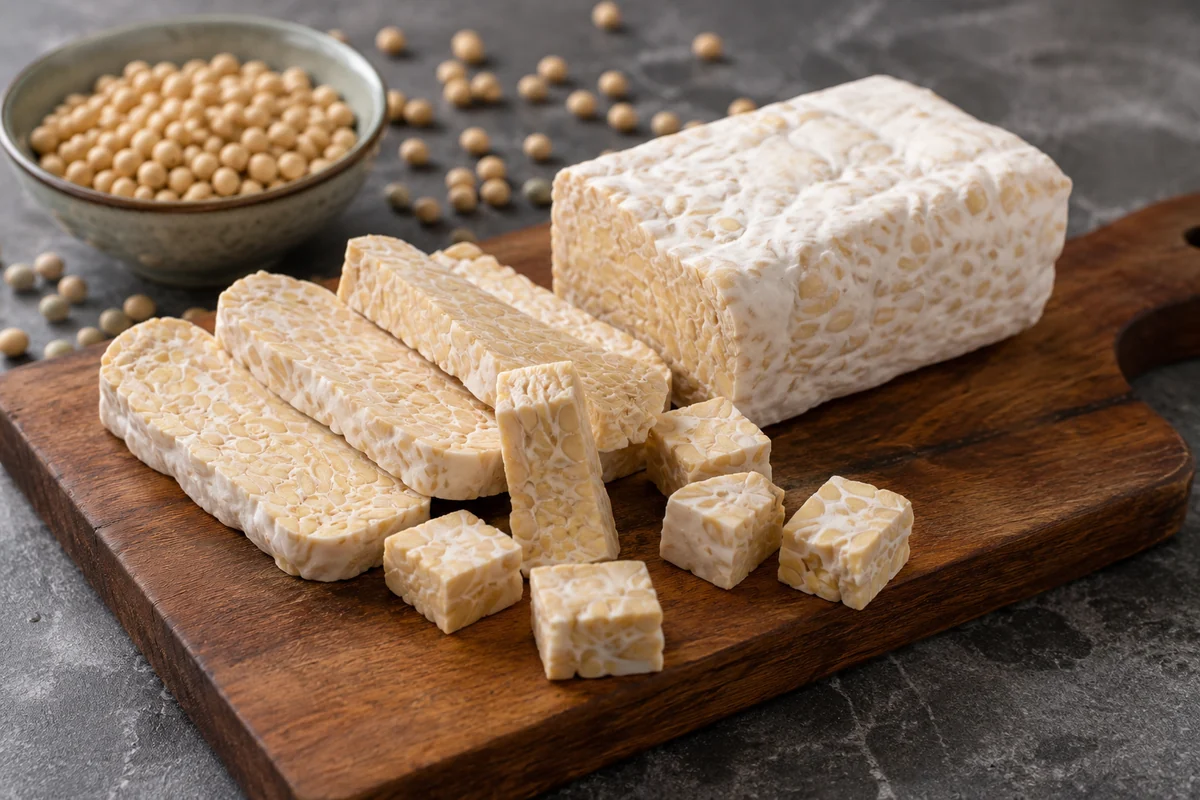
Tempeh is made from whole soybeans that have been cooked and fermented into a firm, sliceable cake. Because it uses the entire bean, it keeps the fiber and has a nutty, mushroom-like flavor and a hearty, almost meaty bite. That fermentation, a traditional Indonesian process behind tempeh, is what sets it apart from tofu, which is made from soy milk and is far softer and blander. Tempeh is denser, chewier, and more assertive in flavor, which is exactly why it stands up to bold marinades and high-heat cooking.
The dense, fermented structure also explains tempeh’s quirks. Straight from the package it can taste slightly bitter, and it does not absorb flavor as readily as the softer tofu until you open it up a little. Both of those issues have simple fixes, which is the whole point of the next section.
The One Step Most People Skip: Steaming First
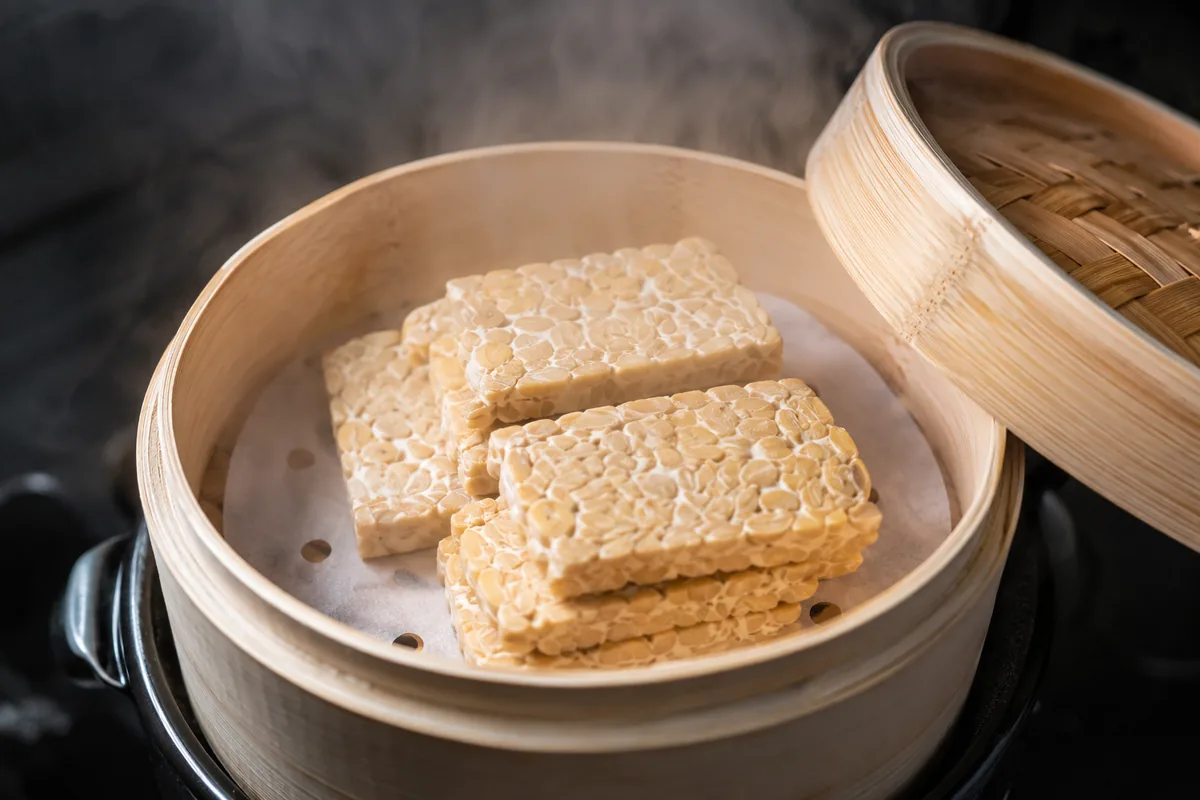
If you remember nothing else from this guide, remember this. Steaming tempeh for 10 to 15 minutes before you cook it is the single biggest upgrade you can make. It does two things at once: it mellows the natural bitterness that puts people off, and it opens up the tempeh so it drinks in marinade instead of repelling it.
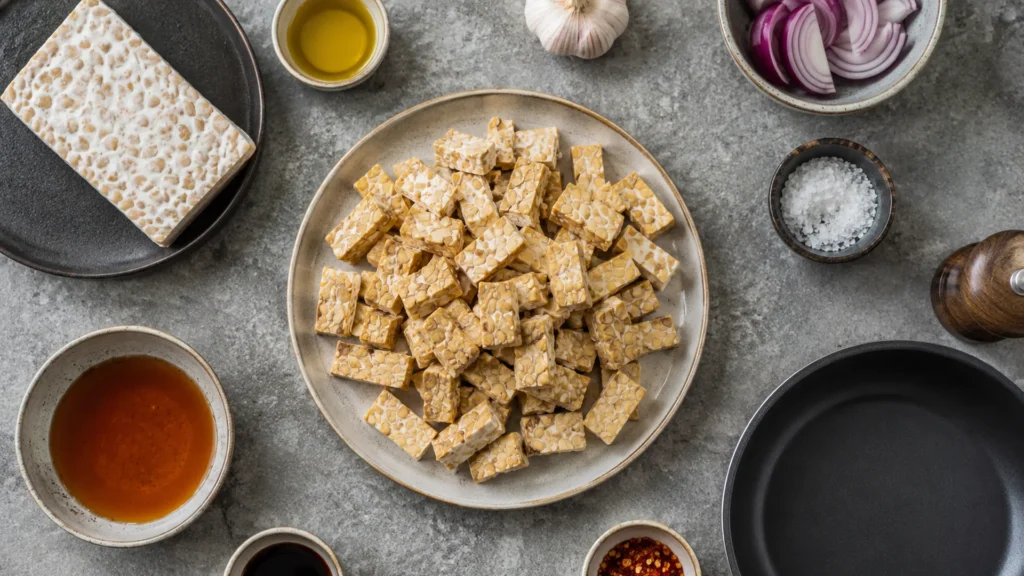
To steam, cut the tempeh into your desired shapes, place them in a steamer basket over simmering water, cover, and let them go for 10 to 15 minutes. Pat them dry afterward. That is it. You can skip this step with fresh, mild-tasting tempeh, but if you have ever found tempeh bitter, this is the cure. Once steamed, the tempeh is ready to be marinated or cooked by any of the methods below.
How to Cut Tempeh
The shape you choose changes both the texture and how much flavor the tempeh picks up. Thinner and smaller means crispier and more flavorful, because there is more surface area for browning and for marinade contact.
- Thin strips or planks crisp beautifully and work for sandwiches, wraps, and bacon-style strips.
- Cubes are the all-purpose choice for stir-fries, bowls, and skewers.
- Crumbled or grated tempeh mimics ground meat for tacos, chili, and pasta sauces.
- Matchsticks get extra crispy and make a great salad or noodle topping.
Whatever shape you pick, cut it evenly so everything cooks at the same rate. Uneven pieces give you some bits scorched and others still soft.
Marinating Tempeh for Maximum Flavor
Tempeh is a flavor carrier, and a good marinade is where it transforms from “fine” to “genuinely craveable.” Because steamed tempeh absorbs so well, even 30 minutes makes a real difference, though longer is better. Aim for at least one hour, and if you can plan ahead, marinating for several hours or overnight yields deeply flavored, almost caramelized results.
A balanced tempeh marinade hits salty, savory, a little sweet, and a touch of acid. A reliable template is soy sauce or tamari for salt and umami, maple syrup for sweetness, a splash of rice vinegar or lemon for acid, plus garlic, ginger, and a little oil. From that base you can wander anywhere: smoky with paprika and liquid smoke, Asian-inspired with sesame and chili, or barbecue with tomato and molasses.
| Flavor Profile | Key Ingredients | Best For |
|---|---|---|
| Savory umami | Soy sauce, garlic, ginger, sesame oil | Stir-fries and bowls |
| Smoky bacon-style | Soy sauce, maple, smoked paprika, liquid smoke | Sandwiches and breakfast strips |
| Barbecue | Tomato paste, molasses, vinegar, spices | Grilling and baking |
| Peanut satay | Peanut butter, lime, soy, chili | Skewers and noodles |
The Five Main Cooking Methods
Once your tempeh is steamed and ideally marinated, you can cook it almost any way. Here is how each method performs, with times and temperatures.
Pan-Frying (Crispiest, Fastest)
Pan-frying is the gold standard for crispy edges and a golden crust, and it is the fastest hands-on method. Heat a tablespoon or two of oil in a skillet over medium-high heat, add the tempeh in a single layer, and cook for about 3 to 4 minutes per side until deeply golden. Work in batches rather than crowding the pan, since crowding steams the tempeh instead of browning it. Strips and thin planks shine here.
Baking (Hands-Off, Even)
Baking gives you even cooking with almost no attention. Arrange marinated tempeh on a lined sheet pan and bake at 375°F for about 20 to 25 minutes, flipping halfway and brushing on extra marinade for a glossy finish. It is the easiest method for cooking a large batch at once, perfect for meal prep.
Air Frying (Crunchy, Quick)
The air fryer produces results similar to baking but crunchier on the outside and faster. Cook at 375°F for 12 to 15 minutes, shaking the basket once, until the edges are crisp. It is ideal for one or two servings and uses very little oil. If you lean on your air fryer often, the same gear handles plenty of crispy vegetables to round out the plate.
Steaming Then Sauteing (Best for Bitter Tempeh)
If you already steamed your tempeh, a quick saute in a hot pan for a few minutes adds color and a light crust without much oil. This two-stage approach gives you the most reliably tender, non-bitter result and is the method to default to with an unfamiliar brand.
Grilling (Smoky, Charred)
Grilling adds smoky char that suits barbecue marinades. Use firm planks or skewered cubes, oil the grates well, and grill over medium heat for a few minutes per side until grill marks form. Steam first so the inside stays tender while the outside chars.
| Method | Temperature | Time | Texture |
|---|---|---|---|
| Pan-frying | Medium-high | 3-4 min per side | Crispiest, golden crust |
| Baking | 375°F | 20-25 min | Even, firm, hands-off |
| Air frying | 375°F | 12-15 min | Extra crunchy outside |
| Saute (after steaming) | Medium-high | 4-6 min | Tender with light crust |
| Grilling | Medium | 3-4 min per side | Smoky, charred |
Tempeh Versus Tofu: When to Reach for Which
People new to plant proteins often treat tempeh and tofu as interchangeable, and while you can swap them in many dishes, each has a clear comfort zone. Knowing the difference saves you from forcing the wrong texture into a recipe.
Reach for tempeh when you want a hearty, meaty bite and a nutty flavor that holds its shape: crumbled into taco filling, sliced into sandwiches, cubed for skewers, or pan-fried as a satisfying centerpiece. Its firmness means it never falls apart, and its assertive taste stands up to bold sauces. Reach for tofu when you want something that takes on the flavor of whatever surrounds it and can be soft, silky, or crisp depending on how you press and cook it. Tofu disappears into soups and scrambles; tempeh announces itself.
Nutritionally, tempeh edges ahead on protein and fiber per serving because it uses the whole bean and is fermented, while tofu is lighter and more neutral. If a recipe calls for one and you only have the other, the easiest swaps are tempeh-for-tofu in anything fried or baked, and tofu-for-tempeh in anything soft or saucy. Just remember that tempeh almost always benefits from the steaming step, while tofu wants pressing instead.
Building a Meal Around Tempeh
Once you can cook tempeh, the question becomes what to do with it, and the answer is almost anything. The simplest formula is a bowl: a grain base, a pile of vegetables, a sauce, and crispy tempeh on top. Swap the grain, vegetables, and sauce and you have a different dinner every night from the same protein.
Crumbled tempeh stands in for ground meat in chili, bolognese, and taco filling, browning into savory bits that carry sauce well. Sliced tempeh makes a sandwich or wrap feel substantial, especially with a smoky marinade. Cubed and skewered tempeh grills alongside vegetables for a quick plant-based kebab. And strips of marinated, pan-fried tempeh make a genuinely good bacon stand-in for breakfast plates. Because it reheats without going soft, a single batch cooked on Sunday spreads across lunches and dinners with no loss of texture, which is what turns tempeh from a novelty into a habit.
Common Tempeh Mistakes
Almost every bad tempeh experience traces back to one of these.
- Skipping the steam. This is the number one reason tempeh tastes bitter and bland. Ten minutes of steaming fixes both.
- Not marinating long enough. Tempeh needs time to absorb. A two-minute soak does almost nothing; give it at least 30 minutes, ideally an hour or more.
- Crowding the pan. Too many pieces at once trap steam and prevent browning. Cook in batches.
- Cutting too thick. Thick chunks stay soft and underflavored inside. Thinner cuts crisp and absorb far better.
- Under-seasoning. Tempeh is assertive and can take bold flavor. Be generous with salt, acid, and aromatics.
Tempeh as a Protein Powerhouse
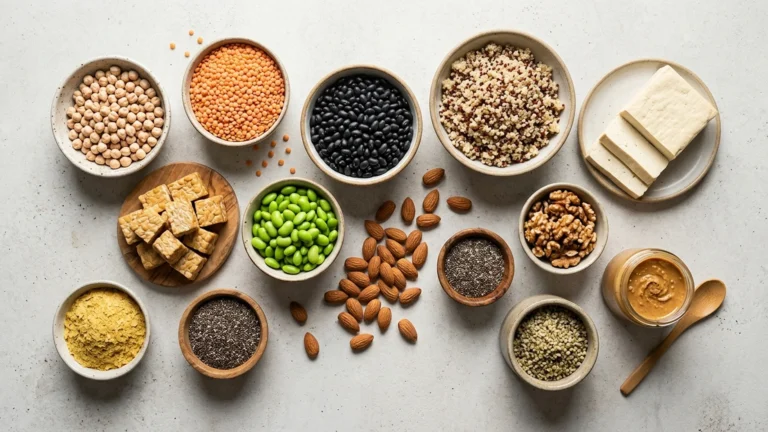
Beyond flavor, tempeh earns its place for nutrition. A half-cup serving delivers roughly 15 grams of protein, more than tofu and edamame, along with fiber and the gut-friendly benefits of a fermented food. That makes it one of the densest plant proteins available, and a smart anchor for anyone tracking intake. For the wider picture of where tempeh sits among the field, our roundup of vegan protein sources compares grams per serving across the board, and any general overview of dietary protein confirms that varied plant sources easily meet needs.
Because it is so protein-dense and relatively low in carbs, tempeh also fits into lower-carb eating, and cubed crispy tempeh makes a great high-protein bite alongside keto snacks when you want something more filling than chips. If you are already comfortable with tofu, tempeh is a natural next step; the techniques rhyme with what you may have learned about how to cook tofu, just with a firmer, more forgiving ingredient.
Storing and Meal Prepping Tempeh
Cooked tempeh keeps beautifully, which is part of what makes it such a practical protein. Once cooked, it lasts four to five days in an airtight container in the fridge and reheats well in a pan or air fryer without going soggy. You can also marinate a batch ahead and cook it fresh through the week, or cook a large tray and portion it into bowls and wraps. Uncooked tempeh freezes well too; thaw it before steaming and cooking as usual. A pairing with quick-cooked legumes like chickpeas rounds a prep session into a week of complete, protein-rich meals.
Choosing and Buying Tempeh
Not all tempeh is the same, and a little label awareness makes your cooking easier. Plain soy tempeh is the most common and the most versatile, with the firmest texture and most neutral base for marinades. You will also find multigrain tempeh blended with rice, barley, or millet, which tends to be softer and slightly nuttier, and flavored or pre-marinated varieties that save a step but give you less control over seasoning. For learning the techniques in this guide, start with plain soy tempeh so you can taste exactly what each step does.
Look for tempeh that is firm and uniform, with the beans bound tightly together by the white mycelium. A few gray or black spots are completely normal and are simply part of the fermentation, not a sign of spoilage. Tempeh that smells sharply sour, ammonia-like, or shows pink, yellow, or fuzzy colored mold should be discarded. Fresh tempeh has a clean, mushroomy, slightly yeasty smell. You will usually find it refrigerated near the tofu, and the frozen version keeps for months if you want to stock up.
Once home, keep unopened tempeh in the fridge until its date, and use opened tempeh within a few days or freeze it. Freezing actually does no harm to the texture and can even make it slightly more porous, so do not hesitate to keep a backup block in the freezer for the nights when dinner needs to come together fast.
Frequently Asked Questions
Do you have to steam tempeh before cooking it?
You do not strictly have to, but it is highly recommended, especially for anyone who has found tempeh bitter in the past. Steaming for 10 to 15 minutes mellows the natural bitterness and opens up the tempeh so it absorbs marinade far better. With very fresh, mild tempeh you can skip it, but the step takes minutes and dramatically improves the final flavor and texture.
How long should you marinate tempeh?
At least 30 minutes for noticeable flavor, but one hour or more is better, and overnight is ideal for deeply seasoned, almost caramelized results. Steamed tempeh absorbs marinade much faster than raw tempeh, so steaming first lets you get good flavor in less time. Even a short marinade beats none, but plan ahead when you can for the best payoff.
Can you eat tempeh raw?
Commercial tempeh is pasteurized and technically safe to eat without further cooking, but it is not pleasant raw, with a firm texture and bitter edge. Cooking, ideally after steaming, improves both flavor and digestibility enormously. There is no real reason to eat it raw when even a quick saute transforms it, so treat cooking as the standard rather than optional.
Why is my tempeh bitter?
Bitterness comes from the fermentation and is most noticeable in tempeh that has not been steamed. The fix is simple: steam the tempeh for 10 to 15 minutes before cooking, which neutralizes most of the bitter compounds. Pairing it with a marinade that includes something sweet and something acidic, like maple syrup and vinegar, also balances any remaining edge.
The Bottom Line
Cooking tempeh well comes down to a short list of habits: steam it first to kill bitterness and open it up, cut it thin for crispness and flavor, marinate it for at least an hour, and cook it hot enough to brown without crowding the pan. Get those right and tempeh stops being the intimidating block in the back of the fridge and becomes a fast, high-protein favorite you reach for again and again. Start with the steam-then-pan-fry method on a simple savory marinade, and you will wonder why you ever found it tricky. The learning curve is short, the payoff is a fridge staple that delivers serious protein, and every batch you cook makes the next one faster and more intuitive. Give it one honest attempt with the steaming step included, and tempeh will earn a permanent spot in your rotation.