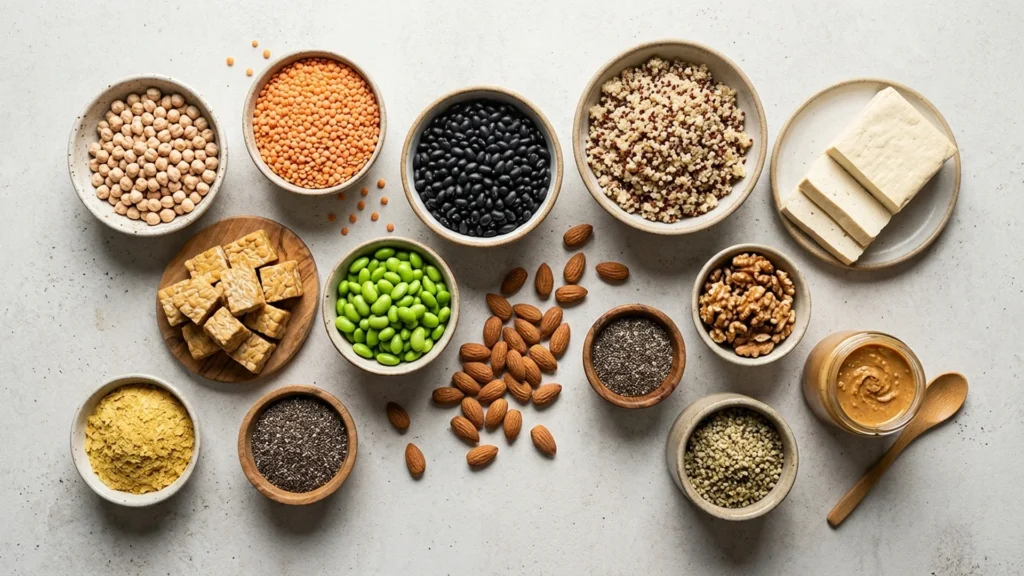
The best vegan protein sources are not exotic or complicated, they are everyday foods sitting in most pantries: lentils, beans, chickpeas, tofu, tempeh, edamame, seitan, quinoa, and a handful of seeds. A single cup of cooked lentils delivers about 18 grams of protein, firm tofu brings around 16 grams per serving, and seitan packs a remarkable 25 grams per three and a half ounces. The old worry that you cannot get enough protein without meat simply does not hold up once you see how much these plants provide. The protein is there in abundance. You just have to know where to look.
I have eaten plant-based for years and built plenty of muscle doing it, so I can tell you from experience that hitting your protein target without animal products is far easier than the headlines suggest. The trick is variety and a little awareness, not obsessive tracking. This guide lays out exactly how much protein you actually need, the best plant sources broken down by category with their grams per serving, the truth about complete versus incomplete protein, and the practical ways to work enough into every day. Whether you are fully vegan, vegetarian, or just trying to eat more plants, you will leave knowing how to fuel yourself well. Let us dig in.
Can you really get enough protein on a vegan diet?
Yes, comfortably, and the science is settled on this point. Protein is built from amino acids, and every single amino acid your body needs is available from plants. The persistent myth that plant protein is somehow inferior comes from a misunderstanding about amino acid profiles, which we will clear up shortly, but the bottom line is that a varied vegan diet provides plenty of high-quality protein for almost everyone, including athletes and growing teens.
The reason the worry persists is that protein is more concentrated in meat, so it takes a little more intention to reach your target from plants. A chicken breast hands you 30 grams in one go, while you might assemble that same amount from beans, tofu, and grains across a meal. But assemble it you will, almost without trying, as long as you are eating enough food and including protein-rich plants at each meal. The people who fall short are usually those living on refined snacks and produce alone, not those building meals around legumes, soy, and whole grains. Eat real, varied plant food and the protein takes care of itself.
How much protein do you actually need?
Before chasing grams, it helps to know your target, because it is probably lower than the fitness world implies. The general recommendation for an average adult is about 0.8 grams of protein per kilogram of body weight per day, which works out to roughly 55 grams for a 150-pound person. That is a baseline for basic health, easily met on a vegan diet.
If you are very active, building muscle, older, or recovering from illness, your needs rise, often to somewhere between 1.2 and 1.6 grams per kilogram, which means more deliberate planning but is still entirely achievable from plants. The simplest approach is to include a solid protein source at every meal rather than trying to cram it all into dinner. A protein-rich breakfast, lunch, and dinner, plus a snack or two with some protein, adds up to your daily total without any math. Spreading it across the day also helps your body use it more effectively than one giant serving would, so think steady and consistent rather than one big protein bomb.
The best vegan protein sources by category
Here is the heart of it, organized by food group so you can mix and match. Keep a few staples from each category on hand and you will never struggle to build a high-protein plate.
Legumes: the affordable workhorses
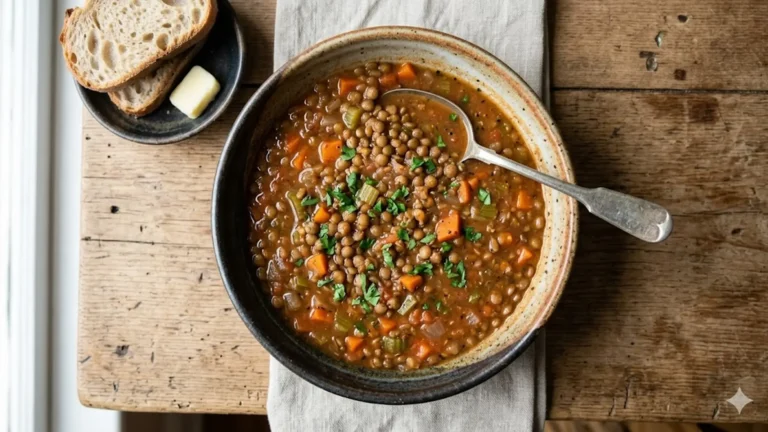
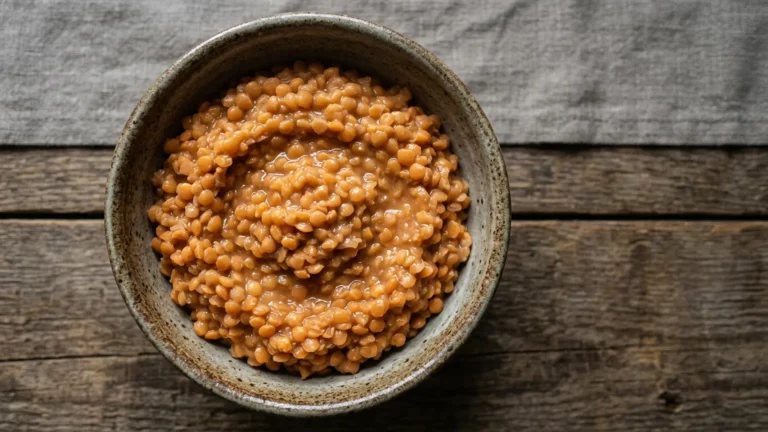
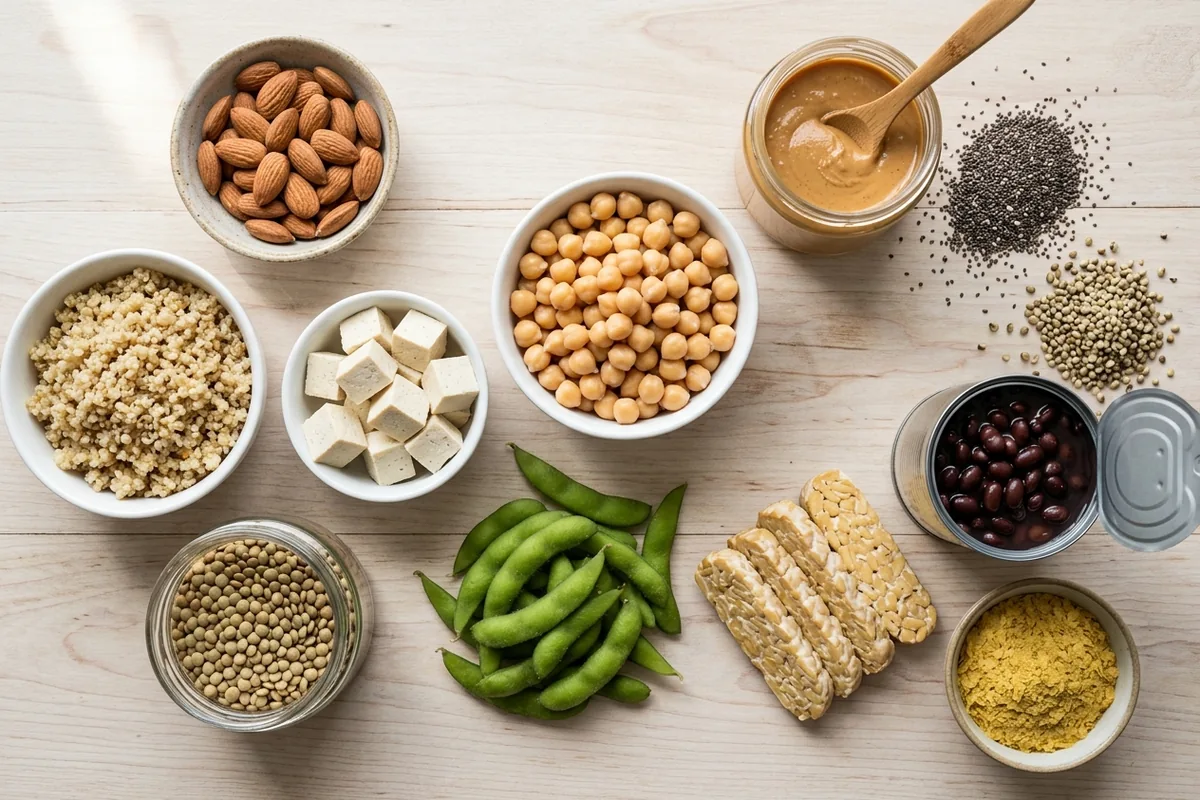
Beans, lentils, and peas are the backbone of plant-based protein, and for good reason. They are cheap, shelf-stable, fiber-rich, and remarkably protein-dense. A cup of cooked lentils gives you about 18 grams, a cup of chickpeas around 15, and most other beans, black, kidney, pinto, and navy, land in the 13 to 15 gram range per cooked cup. They cook easily, freeze well, and slip into soups, stews, salads, tacos, and dips. If you build your diet around any single category, make it this one. Dried beans cooked from scratch are cheapest, but canned beans are a perfectly good shortcut for busy nights, just rinse them to cut the sodium. A pressure cooker or slow cooker turns a bag of dried lentils or chickpeas into a week of protein for a couple of dollars, which is part of why legumes anchor affordable plant-based eating around the world. Keep a few cans and a bag or two of dried lentils in the cupboard and you always have the makings of a high-protein meal on hand.
Soy: the complete-protein champion
Soy is the gold standard among plant proteins because it is one of the few that is naturally complete, providing all nine essential amino acids in good amounts, much like animal protein. The lineup is versatile: firm tofu offers about 16 grams per half-cup serving, tempeh brings a hearty 20 grams per hundred grams along with gut-friendly fermentation, and a cup of edamame delivers around 18 grams as a snack you can eat by the handful. Soy milk adds about 7 grams per cup, nearly matching dairy. Tofu and tempeh take on whatever flavor you cook them with, which makes them endlessly adaptable.
Seitan: the protein heavyweight
If you tolerate gluten, seitan is the most protein-packed plant food of all, with about 25 grams per three and a half ounces, rivaling meat gram for gram. Made from wheat gluten, it has a chewy, satisfying texture that stands in beautifully for meat in stir-fries, sandwiches, and stews. The one caveat is that it is off the table for anyone avoiding gluten, and it is not a complete protein on its own, so pair it with legumes across the day.
Nuts and seeds: small but mighty
Seeds in particular punch well above their size. Hemp seeds are a standout, offering about 9 grams of complete protein in just three tablespoons, plus healthy fats, and they sprinkle effortlessly over almost anything. Pumpkin seeds, chia, and flax all contribute meaningful protein, and a couple tablespoons of peanut or almond butter add 7 to 8 grams while making everything taste better. These are the easy add-ons that quietly lift the protein of a meal you were eating anyway.
Whole grains: the steady contributors
Grains are not usually thought of as protein foods, but they add up across a day and some are surprisingly strong. Quinoa leads the pack as a rare complete-protein grain, with about 8 grams per cooked cup along with fiber and minerals. Oats bring roughly 6 grams per cup, and whole wheat, farro, and other intact grains all chip in. Because you tend to eat grains in volume, their protein contribution is larger than it first appears.
The surprising extras
A few odd ones deserve a place on your radar. Nutritional yeast, the cheesy-tasting flakes vegans love, is a complete protein with about 8 grams per half-ounce, and it is usually fortified with B12 as a bonus. Green peas carry around 8 grams per cup, and even vegetables like broccoli and spinach contribute a few grams that add up over a day. Pea protein, increasingly found in plant milks and meat substitutes, is another quality complete source worth knowing about.
| Food | Serving | Protein |
|---|---|---|
| Seitan | 3.5 oz | 25 g |
| Lentils | 1 cup cooked | 18 g |
| Edamame | 1 cup | 18 g |
| Tempeh | 3.5 oz | 20 g |
| Tofu, firm | 1/2 cup | 16 g |
| Chickpeas | 1 cup cooked | 15 g |
| Black beans | 1 cup cooked | 15 g |
| Hemp seeds | 3 tbsp | 9 g |
| Quinoa | 1 cup cooked | 8 g |
| Nutritional yeast | 1/2 oz | 8 g |
| Peanut butter | 2 tbsp | 8 g |
The truth about complete vs incomplete protein
This is where a lot of outdated advice causes needless anxiety, so let me set it straight. A complete protein contains all nine essential amino acids in adequate amounts, and a handful of plant foods qualify on their own, including soy, quinoa, hemp, and nutritional yeast. Many other plants are lower in one or two amino acids, which is what people mean by incomplete protein.
Here is the key point the old food-combining advice got wrong: you do not need to carefully pair specific foods at the same meal to make complete proteins. Your body maintains a pool of amino acids and combines them across the day, so as long as you eat a variety of plant proteins over the course of a day, you naturally get everything you need. Rice and beans, hummus and pita, peanut butter on toast, these classic combinations work beautifully, but the timing is not critical. Eat a range of legumes, grains, soy, nuts, and seeds across your day and your amino acid bases are covered without any spreadsheet. The science walking through this is laid out clearly at NutritionFacts.org, and it is more reassuring than the myth ever was.
How to hit your protein target every day
Knowing the foods is one thing, building them into your routine is another, and it is simpler than it sounds. The single best habit is to anchor every meal with a protein source rather than treating protein as an afterthought. Make it the thing you plan the plate around, and the grams fall into place.
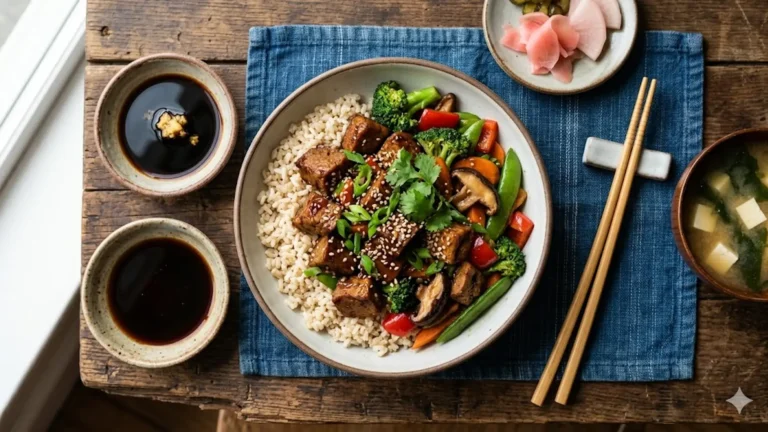
Breakfast might be oats cooked with soy milk and topped with hemp seeds and peanut butter, easily 15 to 20 grams. Lunch could be a grain bowl with quinoa, chickpeas, and tahini, or a hearty lentil soup. Dinner is a stir-fry with tofu or tempeh over rice, or a bean chili. Snack on edamame, roasted chickpeas, a handful of nuts, or hummus with vegetables. Stack those together and you sail past 60 grams without trying, often well beyond it. The mistake people make is loading up on produce and refined carbs while skimping on the legume, soy, and seed staples that actually carry the protein. Front-load those, and the rest of the diet handles itself.
What about vegan protein powder?
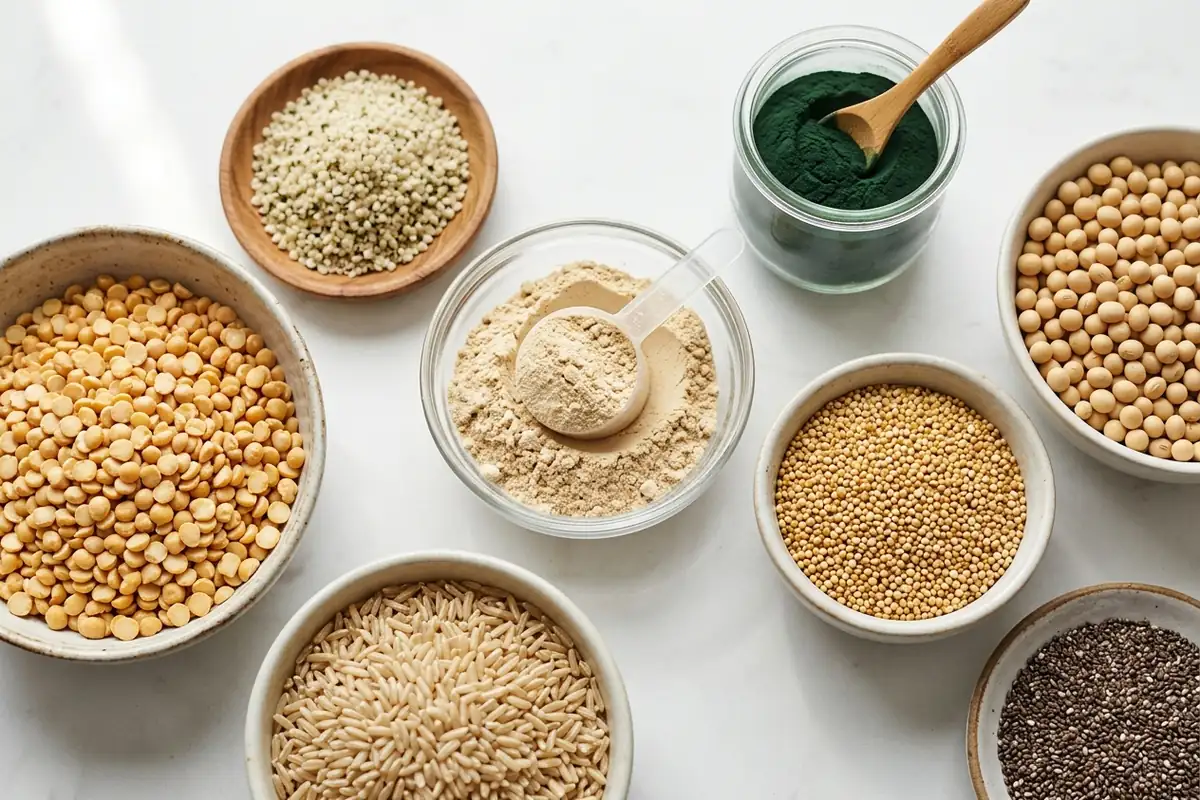
For most people eating a varied diet, protein powder is optional rather than necessary, but it can be a genuinely useful tool. If you are an athlete with high needs, struggle to eat enough volume, or just want a convenient post-workout option, a quality pea, soy, or blended plant protein powder makes hitting higher targets effortless. A single scoop typically adds 20 to 25 grams in seconds.
That said, whole foods should be your foundation, because they bring fiber, vitamins, minerals, and healthy fats that powder alone does not. Think of powder as a supplement to a solid diet, not a replacement for it. If you do use one, blend it into a smoothie with fruit, greens, and a plant milk for a balanced, satisfying boost rather than relying on it as a standalone meal. Read the label for added sugars and pick a brand with a short, clean ingredient list.
Easy high-protein vegan meals
The best way to make all this stick is to lean on meals that deliver protein without feeling like a chore. A warm bowl of apple cinnamon oatmeal becomes a protein-rich breakfast the moment you stir in soy milk, a spoon of nut butter, and a sprinkle of hemp seeds. A pot of bean soup is protein and fiber in a single comforting bowl, and it reheats beautifully all week. Build grain bowls on quinoa, fold beans into tacos and chilis, and keep roasted chickpeas around for snacking.
If you are still figuring out whether a fully plant-based path is right for you, it is worth understanding how the diets compare, which I cover in this breakdown of vegan versus vegetarian eating, and how protein-rich plant foods fit a gluten-free life over in this guide to vegan and gluten-free eating. For an endless supply of protein-forward plant recipes, the kitchen at Forks Over Knives is a reliable place to browse. The more of these meals you keep in rotation, the less you will ever think about protein at all.
Frequently asked questions
What is the highest protein vegan food?
Seitan tops the list at about 25 grams of protein per three and a half ounces, rivaling meat. Among complete proteins, soy foods like tempeh and edamame are excellent, and lentils lead the legumes at roughly 18 grams per cooked cup. Hemp seeds are the densest seed option.
How do vegans get complete protein?
Several plant foods are complete on their own, including soy, quinoa, hemp seeds, and nutritional yeast. For the rest, you simply eat a variety of plant proteins across the day. Your body pools amino acids, so you do not need to combine specific foods at the same meal to get a complete profile.
Can you build muscle on vegan protein?
Yes. Plenty of athletes and bodybuilders build muscle on entirely plant-based diets. The keys are eating enough total protein, somewhere around 1.4 to 1.6 grams per kilogram of body weight for serious training, spreading it across meals, and including dense sources like soy, seitan, legumes, and a protein powder if convenient.
Is plant protein as good as animal protein?
For practical purposes, yes, when you eat a variety. Animal protein is more concentrated and complete per serving, but a varied vegan diet supplies all essential amino acids and plenty of protein, with the bonus of fiber and no cholesterol. Soy in particular matches animal protein quality closely.
Do I need protein powder as a vegan?
Not usually. Most people meet their needs through whole foods like beans, soy, grains, nuts, and seeds. Protein powder is a helpful convenience for athletes, those with high needs, or anyone struggling to eat enough, but it is a supplement to a good diet rather than a requirement.
How much protein do vegans need per day?
The baseline is about 0.8 grams per kilogram of body weight, roughly 55 grams for a 150-pound adult. Active people, older adults, and those building muscle need more, often 1.2 to 1.6 grams per kilogram. Including a protein source at every meal makes reaching any of these targets straightforward.
The bottom line
Getting enough protein on a vegan diet is genuinely easy once you know your sources: legumes and soy do the heavy lifting, seitan and seeds add concentrated boosts, and whole grains round things out. Forget the old myths about incomplete protein and careful food combining, because a varied diet covers your amino acids automatically. Aim for a protein source at every meal, lean on the dense staples rather than living on produce alone, and reach for a powder only if your needs run high. Do that, and these vegan protein sources will keep you strong, full, and well-fueled without a moment’s worry about where your protein is coming from.