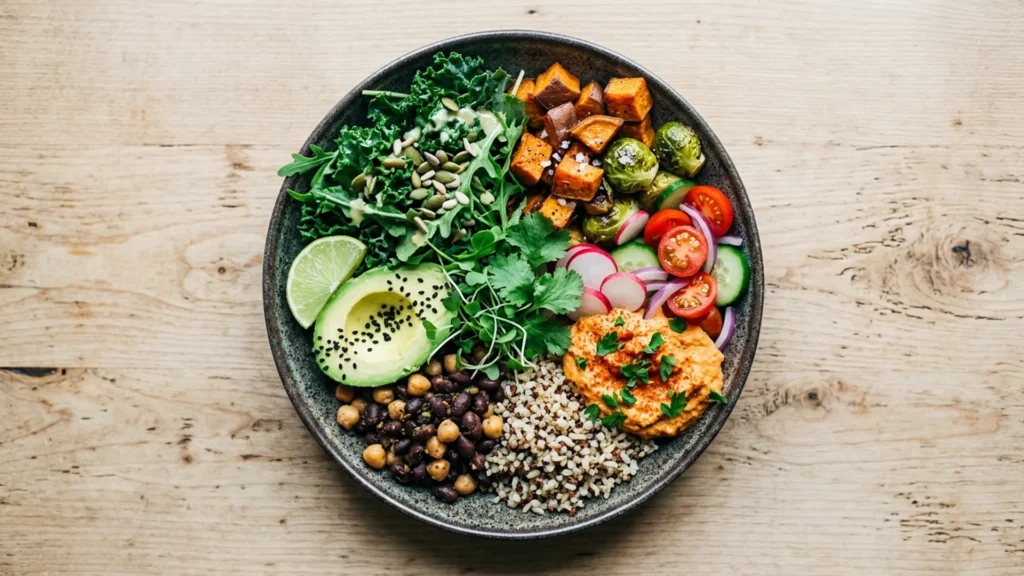
Is vegan food gluten free? The short and important answer is no, not automatically, and assuming otherwise is one of the most common mix-ups in the plant-based world. Vegan and gluten-free are two completely separate things. Vegan simply means a food contains no animal products, while gluten-free means it contains no gluten, the protein found in wheat, barley, and rye. The two overlap a great deal, but they are not the same circle. A plate of wheat pasta with marinara and garlic bread is perfectly vegan and absolutely loaded with gluten.
This matters enormously if you, or someone you cook for, has celiac disease or a gluten sensitivity, because a label proudly stamped vegan tells you nothing at all about whether it is safe. The good news is that a huge portion of plant-based eating is naturally free of both, and once you understand which foods carry gluten and which do not, eating vegan and gluten-free together becomes second nature. This guide breaks down exactly where the two diets meet and split, the vegan foods that hide gluten, the ones that are naturally safe, how to read a label, and the cross-contamination trap that catches even careful eaters. Let us untangle it once and for all.
Vegan and gluten-free are two different things
Before we go further, it is worth being precise about what each word actually means, because the confusion almost always comes from blurring them together. A vegan diet excludes everything that comes from an animal: no meat, fish, dairy, eggs, or honey. It says nothing about grains. Wheat, barley, and rye are all plants, so they are entirely vegan, and they are also exactly where gluten comes from.
A gluten-free diet, on the other hand, excludes that gluten protein for medical or personal reasons, but says nothing about animal products. Plenty of gluten-free foods are full of dairy, eggs, and meat. Gluten-free cheese, a gluten-free omelet, or a grilled steak are all gluten-free and very much not vegan. So the two labels answer two different questions. Vegan asks did this come from an animal. Gluten-free asks does this contain wheat, barley, or rye. Keeping those two questions separate in your head is the single most useful habit you can build, because it stops you from ever assuming one guarantees the other.
Vegan foods that secretly contain gluten
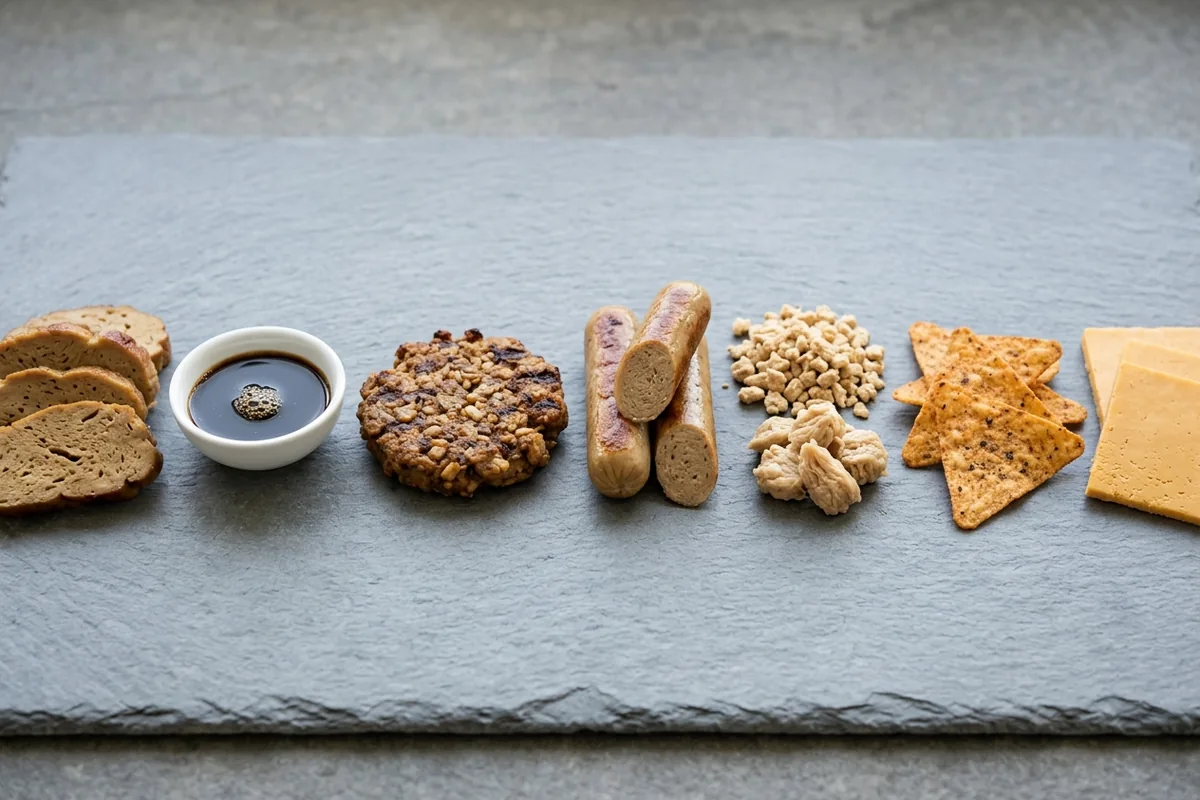
Here is where people get tripped up, because some of the most popular foods in modern vegan cooking are built on gluten. Knowing this list by heart will save you a lot of grief.
Seitan is the big one. Seitan, sometimes called wheat meat, is made almost entirely from vital wheat gluten, which means it is essentially pure gluten. It is a fantastic protein for vegans who tolerate gluten, and an absolute no-go for anyone avoiding it. Right behind seitan are the many vegan meat substitutes, the mock chicken, sausages, deli slices, and burgers, which very frequently use wheat protein as a base or binder. Always check, because two veggie burgers sitting side by side can be worlds apart.
Then there are the obvious wheat-based staples that happen to be vegan: regular bread, pasta, couscous, flour tortillas, crackers, most baked goods, and breakfast cereals. Soy sauce is a sneaky one, since it is brewed with wheat and therefore contains gluten unless it is specifically labeled tamari or gluten-free. Malt, barley malt, and most beers carry gluten too. And while oats are naturally gluten-free, they are very commonly cross-contaminated with wheat during processing, so only oats labeled gluten-free are safe. The theme here is clear: processed and wheat-based vegan foods are the danger zone.
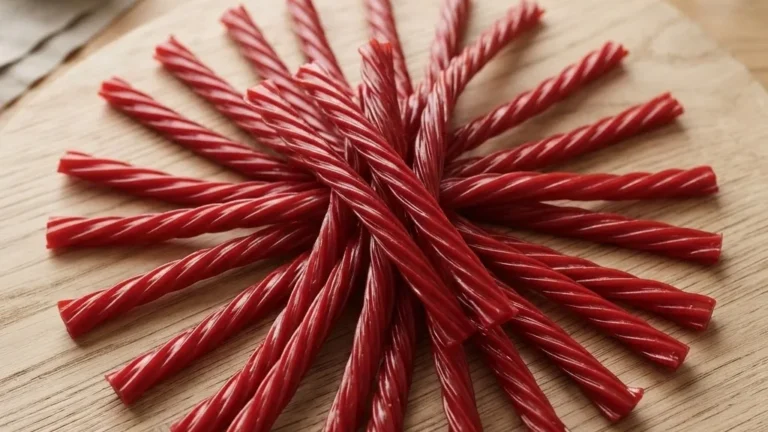
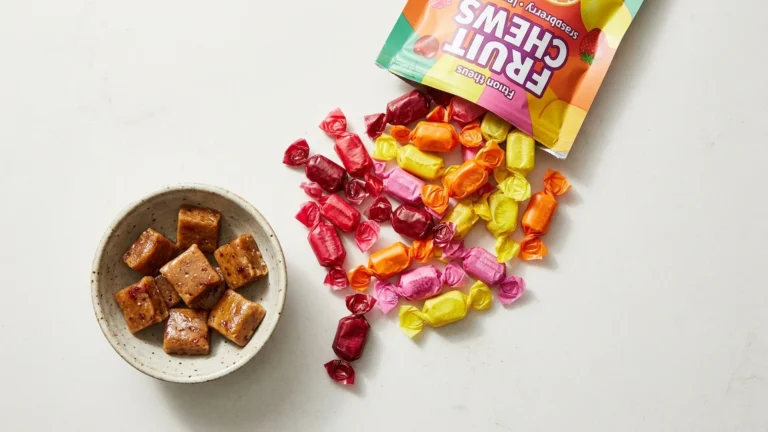
A few less obvious ones deserve a mention because they slip past even experienced shoppers. Many vegan gravies and sauces are thickened with wheat flour. Veggie broths and bouillon cubes sometimes contain wheat-derived ingredients. Some vegan candies and chocolates use barley malt or wheat-based additives. Imitation bacon bits, certain plant-based protein powders, and even some brands of nutritional yeast blends can carry gluten depending on how they are processed. None of these are obvious from a glance, which is exactly why a quick label check beats assumption every time. The point is not to make you anxious but to retrain the instinct that says plant-based equals automatically safe, because that instinct is the one that gets gluten-free eaters into trouble.
Vegan foods that are naturally gluten-free too
Now for the reassuring part, and it is a big one. The foundation of whole-food plant-based eating is naturally free of both gluten and animal products, which means a great deal of vegan food is already perfectly safe for a gluten-free eater. You do not have to hunt for special products. You just have to lean on whole ingredients.
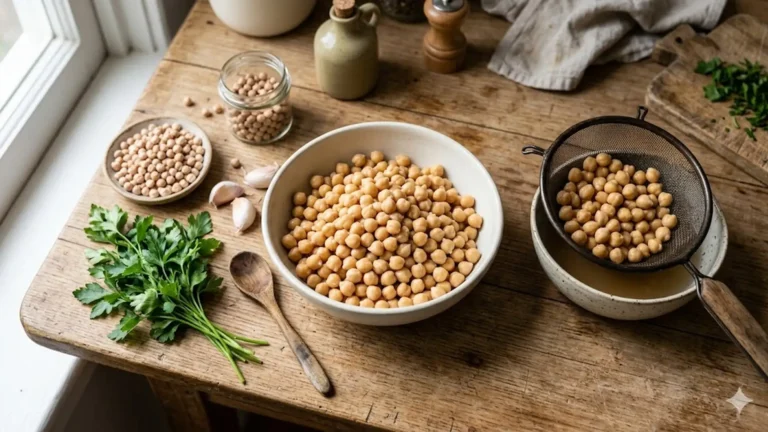
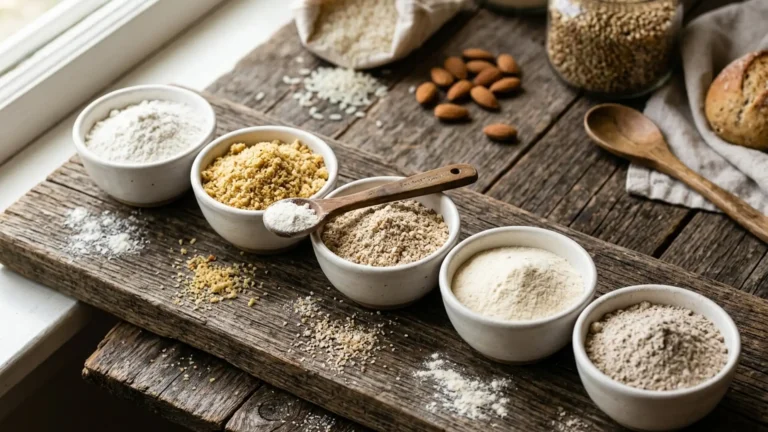
Every fruit and every vegetable, in its natural state, is both vegan and gluten-free, full stop. So are all legumes and beans, the lentils, chickpeas, black beans, and peas that form the protein backbone of so much plant cooking. The gluten-free grains are your friends here too: brown rice, quinoa, millet, buckwheat (which despite the name contains no wheat), amaranth, and corn are all naturally safe and satisfying. Nuts and seeds in their plain form qualify, as do plain tofu and tempeh, though flavored or marinated versions can hide soy sauce, so check those. Plant oils, herbs, and spices round out a pantry that is naturally vegan and gluten-free without a single specialty item. Starchy staples like potatoes, sweet potatoes, and winter squash belong on this safe list too, as do corn in all its forms, from fresh cobs to plain cornmeal and polenta. Even many naturally gluten-free flours, almond, chickpea, coconut, and rice flour, open the door to baking that satisfies both diets at once. The list of what you can eat is genuinely longer than the list of what you cannot, which is the reassurance most newcomers need to hear. Once you internalize this core group of naturally safe foods, you stop reading every label in a panic and start cooking with confidence, reaching for substitutes only on the rare occasion you genuinely want a packaged convenience. Build your meals from this list and you are safe by default, which is exactly the approach the recipe collections at Forks Over Knives tend to champion.
How to eat both vegan and gluten-free at once
Combining the two diets sounds restrictive on paper, but in practice it is freeing once you reframe it. Instead of starting with a wheat-based dish and trying to subtract gluten, start with naturally safe whole foods and build up. A bowl of quinoa with roasted vegetables, chickpeas, and a tahini drizzle is effortlessly vegan and gluten-free and genuinely delicious. Rice noodles stand in for wheat pasta, corn tortillas replace flour ones, and a sauce thickened with cornstarch instead of a wheat roux works beautifully.
The mental shift is to treat naturally-both foods as your default and processed substitutes as the exception you vet carefully. When you do want convenience products like vegan cheese or mock meat, simply read the label for both criteria at once. Many brands now make gluten-free vegan versions specifically, and they will say so on the package. Plan your meals around the abundant safe foods, keep a few vetted convenience items on hand, and the combined diet stops feeling like a cage and starts feeling like a well-stocked pantry. It is far more doable than newcomers fear.
Who actually needs to eat both vegan and gluten-free?
It is worth understanding why anyone combines these two diets, because the reason shapes how strict you need to be. Some people are vegan by ethical or environmental choice and separately discover a medical need to avoid gluten, most often celiac disease, an autoimmune condition where even tiny amounts of gluten damage the small intestine. For them, the gluten-free side is not optional or flexible, it is a strict medical necessity, and cross-contamination is a genuine health concern rather than a preference.
Others fall into the combination for gentler reasons: non-celiac gluten sensitivity, which causes real discomfort without the autoimmune damage, or simply a sense that they feel better eating fewer processed wheat products. And a fair number of people land here while exploring whole-food plant-based eating, which naturally trends toward unprocessed, often gluten-free ingredients anyway. Knowing which group you belong to tells you how vigilant to be. A celiac vegan must treat every label and every shared surface seriously, while someone cutting back by preference has far more room to be relaxed. There is no single right level of caution, only the level your own body requires, so be honest with yourself about which it is.
The encouraging reality is that combining the diets often pushes people toward exactly the kind of eating nutritionists recommend anyway: lots of vegetables, fruit, beans, and intact whole grains, with fewer heavily processed products. The restriction, in other words, frequently nudges you toward a more nourishing plate rather than a poorer one. Many people report that the combination, once they adjust, leaves them eating a more colorful and varied diet than before, simply because it forces them out of the bread-and-pasta rut and into the produce aisle.
The label-reading skills you actually need
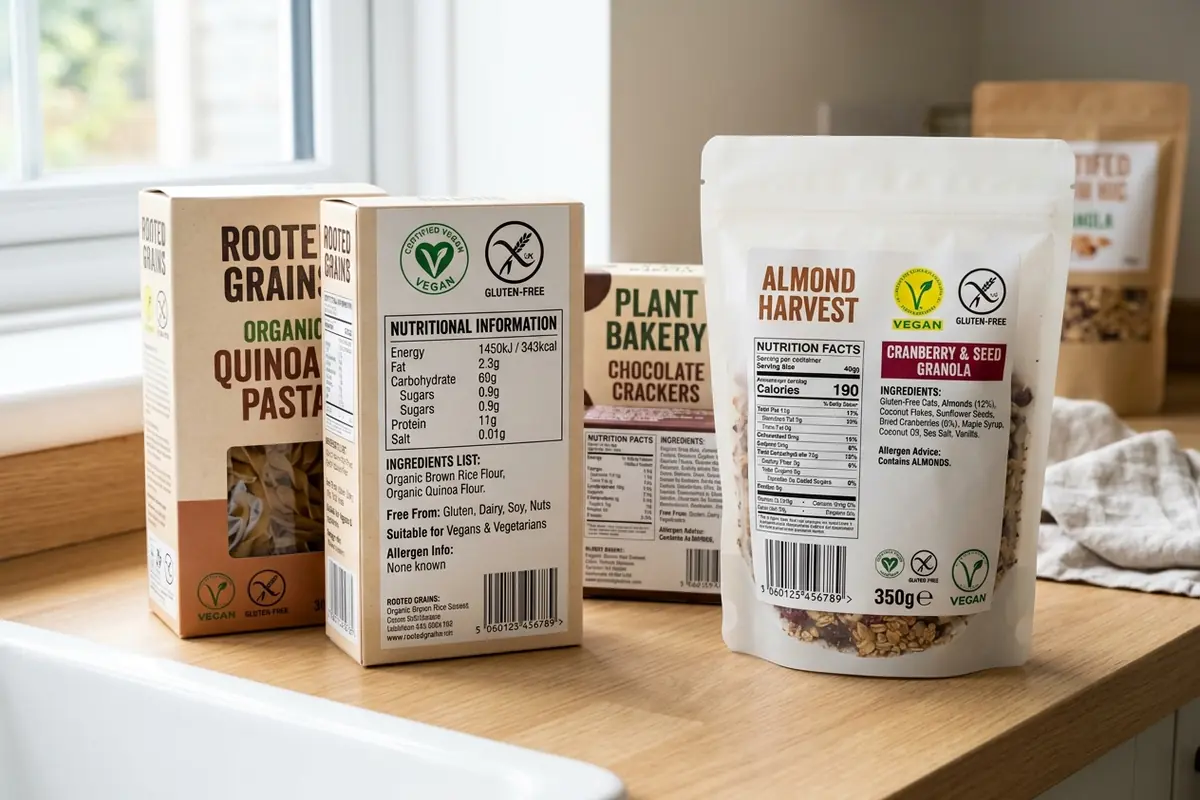
Since so much comes down to packaged foods, learning to scan a label quickly is the skill that ties everything together. For the vegan question, watch for the obvious animal ingredients plus the sneaky ones like whey, casein, gelatin, honey, and certain additives. For the gluten question, watch for wheat, barley, rye, malt, brewer’s yeast, and the catch-all phrase modified food starch when the source is not specified.
Your best shortcut is certification. A product carrying a certified gluten-free seal has been tested to a strict threshold, which is far more reliable than guessing from an ingredient list, and this matters most for anyone with celiac disease where even trace amounts cause harm. Pair that with a vegan certification or a simple scan for animal products, and you have confirmed both criteria in a few seconds. Do not rely on front-of-package marketing alone, since a bold vegan banner says nothing about gluten and vice versa. The back panel and the certification seals are where the truth lives, and a few seconds of reading there prevents an uncomfortable afternoon later.
Cross-contamination: the part people miss
This is the detail that separates casual gluten avoidance from the strict standard a person with celiac disease genuinely needs. A food can be made from naturally gluten-free ingredients and still end up contaminated with gluten somewhere along the way. Oats are the classic example, frequently grown and processed alongside wheat, which is why only oats explicitly labeled gluten-free are safe for sensitive eaters.
The same risk lives in shared manufacturing lines, bulk bins where scoops migrate between products, and home kitchens with a shared toaster or a flour-dusted cutting board. In restaurants, a naturally safe dish can pick up gluten from shared fryer oil or a busy prep surface. If your need is medical rather than preference, it is worth asking how a dish is prepared and choosing brands that certify against cross-contamination. For someone simply cutting back on gluten, this is less critical, but for celiac disease it is the whole ballgame, so know which camp you are cooking for and adjust your vigilance accordingly.
Easy meals that are naturally vegan and gluten-free
The happiest discovery in all of this is how many genuinely very good meals are naturally free of both gluten and animal products, with no substitutions or compromises required. Corn, beans, rice, and fresh produce form an entire world of cooking that just happens to be safe. A stack of homemade corn tortillas is naturally gluten-free since it is built on corn masa, and it becomes the base for tacos, enchiladas, and more. Scoop up a bowl of fresh guacamole with them and you have a snack that is effortlessly vegan and gluten-free.
From there the options bloom. A bright grilled corn salad works as a side or a light meal, grain bowls built on quinoa or rice are endlessly adaptable, and a pot of lentil soup thickened with nothing but the lentils themselves is pure comfort. When you do want dedicated gluten-free baking or bread, the recipes over at gluten-free specialists are a great companion to a plant-based kitchen. Stock your pantry with naturally safe staples and you will rarely feel like you are missing a thing.
Frequently asked questions
Is all vegan food gluten free?
No. Vegan only means no animal products, so plenty of vegan foods contain gluten, including bread, pasta, seitan, many mock meats, and regular soy sauce. Many vegan foods are naturally gluten-free, like fruits, vegetables, beans, and rice, but the vegan label itself is no guarantee. Always check separately for gluten.
Does vegan mean gluten free?
It does not. The two are entirely different criteria: vegan is about excluding animal products, gluten-free is about excluding wheat, barley, and rye. A food can be one, both, or neither. If you need gluten-free, you must verify it directly rather than relying on a vegan claim.
Which vegan foods contain the most gluten?
Seitan tops the list, since it is made almost entirely of wheat gluten. Wheat-based vegan meat substitutes, regular bread and pasta, couscous, flour tortillas, most baked goods, regular soy sauce, malt, and most beers also contain gluten. These are the foods to scrutinize most carefully on a gluten-free vegan diet.
Is tofu gluten free?
Plain tofu is naturally gluten-free, as it is made only from soybeans, water, and a coagulant. The caution is flavored, baked, or marinated tofu, which can contain soy sauce or other gluten-containing seasonings. Check the label on anything beyond plain blocks, and choose tamari-based versions if needed.
Can you be both vegan and gluten free?
Absolutely, and millions of people are. The easiest approach is to build meals around naturally safe whole foods like vegetables, fruits, legumes, and gluten-free grains, then vet any packaged substitutes for both criteria. It takes a little label-reading at first but quickly becomes routine.
Is soy sauce vegan and gluten free?
Regular soy sauce is vegan but not gluten-free, because it is brewed with wheat. To get both, choose tamari labeled gluten-free, which is a wheat-free style of soy sauce, or a product specifically marked gluten-free. This is one of the most common hidden sources of gluten in plant-based cooking.
The bottom line
Vegan food is not automatically gluten-free, because vegan and gluten-free answer two separate questions: one about animal products, the other about wheat, barley, and rye. Some beloved vegan staples like seitan, mock meats, and soy sauce are full of gluten, while the whole-food heart of plant-based eating, the produce, legumes, and gluten-free grains, is naturally safe for both. Learn which is which, read labels for both criteria at once, mind cross-contamination if your need is medical, and you can eat joyfully vegan and gluten-free at the same table without feeling deprived for a single meal.