Is tahini dairy free? Yes, real tahini is completely dairy free, because it is made from one ingredient: ground sesame seeds. There is no milk, cream, butter, or any animal product in traditional tahini at all. It is a paste, like a looser version of peanut butter, built entirely from toasted or raw sesame seeds blended until smooth. So if you are avoiding dairy for a milk allergy, lactose intolerance, a vegan diet, or just personal preference, plain tahini is safe on that front. The catch, and there is always a catch with packaged foods, is that some flavored or blended tahini products and many tahini-based dishes can pick up dairy along the way. This guide walks through exactly what tahini is, when it stays dairy free, the rare cases where dairy sneaks in, and the more serious allergen you actually need to watch for.
It makes creamy dressings without any cream, rich sauces without butter, and adds body to baking without eggs or milk. Understanding it properly means you can use it with confidence.
What Tahini Actually Is
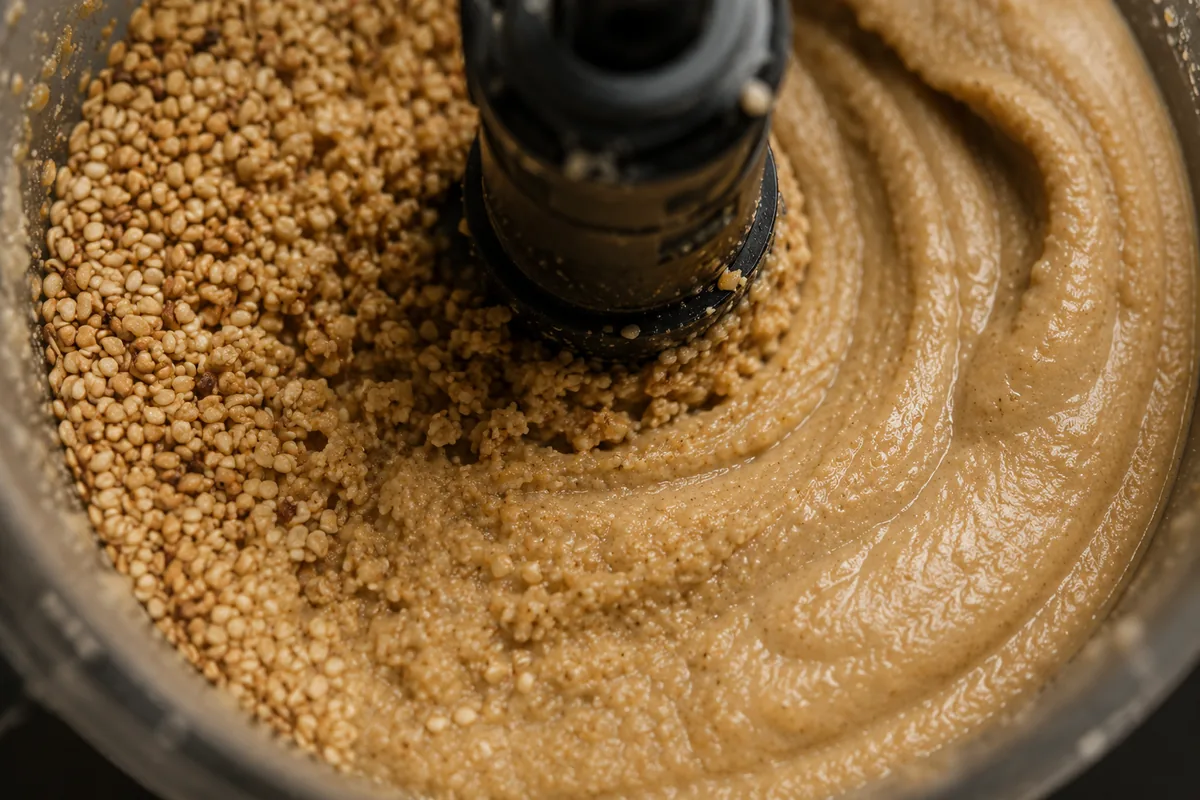
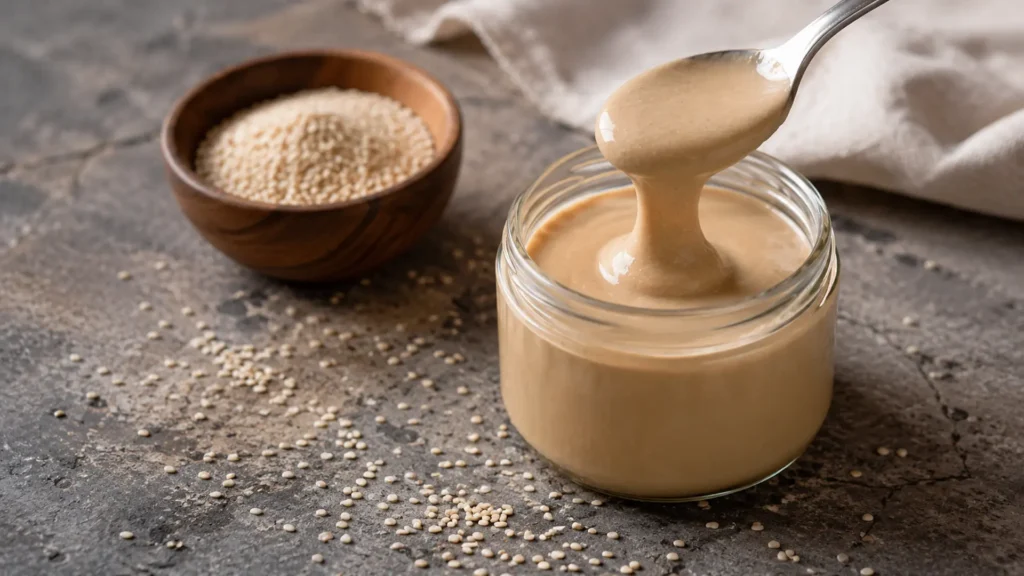
Tahini is sesame seed paste, full stop. Sesame seeds are hulled or left whole, often toasted to deepen the flavor, then ground until the natural oils release and the seeds turn into a smooth, pourable paste. That is the entire process for traditional tahini. The best jars list a single ingredient: sesame seeds. Some add a little salt or a touch of oil to keep the texture loose, but nothing dairy belongs in it.
Because it comes from a seed and not from any animal, tahini is naturally vegan, dairy free, and gluten free in its pure form. Its creamy texture fools people into thinking there must be dairy involved, the same way a good cashew sauce can taste like cheese without any milk. There is no biological reason for milk to be in sesame paste, and reputable brands keep it that way. You can see the basic composition of sesame paste laid out in this reference on tahini, which confirms the single-ingredient nature of the real thing.
Why People Think Tahini Might Contain Dairy
The confusion usually comes from two places. First, tahini is creamy and rich, and our brains link that texture to dairy. A spoon of tahini coats the mouth the way a spoon of yogurt or cream does, so people assume the source must be similar. It is not. That richness comes from the high oil content of sesame seeds, around fifty percent fat by weight, which is what makes the paste so smooth.
Second, tahini shows up in dishes that sometimes do contain dairy, which muddies the association. Hummus made with tahini is dairy free, but a restaurant might add yogurt to their version. Halva, the sweet sesame confection, is traditionally dairy free but some modern versions add milk solids. Creamy tahini dressings in stores might be blended with yogurt. The tahini itself is innocent; it is what gets mixed with it that you have to check. For a closer look at one of tahini’s most common homes, this piece on whether hummus is gluten free walks through how these blended dips can vary.
Reading the Label: When Tahini Stays Dairy Free
Plain tahini in a jar should have a very short ingredient list. Here is what to expect and what should raise a flag.
| Product type | Typical ingredients | Dairy free? |
|---|---|---|
| Pure tahini | Sesame seeds | Yes |
| Salted tahini | Sesame seeds, salt | Yes |
| Tahini with added oil | Sesame seeds, sunflower or olive oil | Yes |
| Flavored tahini spread | Sesame plus flavorings, sweeteners | Check label |
| Tahini-based dressing | Tahini, lemon, water, sometimes yogurt | Check label |
For the pure and salted jars, you are fine. The moment you move into flavored spreads, premade dressings, or dessert products, you have to read the ingredient list and the allergen statement. Look for the words milk, cream, butter, whey, casein, and lactose. In the United States, milk is one of the major allergens that must be declared on packaging by law, so a clear allergen line will tell you fast. The framework for those allergen declarations comes from federal food labeling rules described by allergy authorities, and milk is always on that required list. When in doubt, the single-ingredient jars are the safest bet.
Tahini Versus Dairy Spreads: A Direct Comparison
It helps to put tahini next to the dairy ingredients it often replaces, so you can see why it works so well in a milk-free kitchen. Butter is mostly saturated fat with milk solids and water. Cream is dairy fat suspended in water with milk proteins. Yogurt is cultured milk. Tahini is none of these; it is plant fat and protein from a seed, with no lactose, no casein, and no whey. That means it sidesteps every common dairy concern at once, whether you are avoiding milk for an allergy, lactose intolerance, or ethics.
Where tahini shines is in matching the mouthfeel of dairy without the dairy. Its fat coats the palate and its slight thickness mimics cream, which is why a tahini sauce can feel as luxurious as a cream sauce. It will not melt and stretch like cheese, and it will not whip like cream, so it is not a one-to-one swap for every dairy job. But for dressings, drizzles, dips, and adding body to soups and sauces, it does the work beautifully. If you are building a fully plant-based pantry, tahini pairs naturally with the other staples covered in this guide on whether chocolate is vegan, since both come up constantly in dairy-free dessert making.
The Allergen You Actually Need to Watch: Sesame
Here is the part that matters more than the dairy question for a lot of people. Tahini is pure sesame, and sesame is a serious and growing food allergen. In fact, as of 2023, sesame became the ninth major allergen that must be labeled on packaged foods in the United States, joining milk, eggs, and the rest. So while tahini will not trigger a dairy allergy, it absolutely can trigger a sesame allergy, and sesame reactions can be severe.
If you or someone you cook for has a sesame allergy, tahini is off the table entirely, no matter how dairy free it is. This is the opposite trap from the dairy question: people focused on avoiding milk sometimes forget that the thing they are reaching for is itself a top allergen. The advocacy and medical guidance on sesame is clear and worth reading if this applies to you, and the team at this sesame allergy resource covers symptoms and avoidance well. For most people without that allergy, sesame is a nutritious, healthy food, but it deserves the same respect as any major allergen.
Hidden Dairy in Tahini-Based Dishes
The jar of tahini is rarely the problem. The dishes built around tahini are where dairy can slip in, so it helps to know the usual suspects. Halva is the classic example. Traditional halva is sesame paste, sugar or honey, and sometimes nuts, with no dairy at all. But some modern and flavored halvas, especially ones with cream centers or milk chocolate swirls, do contain dairy. If you are buying halva and avoiding milk, read the label rather than assuming the sesame base keeps it safe.
Tahini sauces and dressings in stores are another watch point. A plain lemon-tahini dressing is dairy free, but manufacturers sometimes blend tahini with yogurt or buttermilk to make a creamier, tangier product, and that turns a dairy-free ingredient into a dairy-containing one. The same goes for some baba ganoush and hummus brands that add yogurt for richness. None of this means tahini is unreliable. It means the finished product is only as dairy free as its full ingredient list, so the label is the final word.
Restaurants are the trickiest, because there is no label to read. A Middle Eastern restaurant might make its tahini sauce the traditional dairy-free way, or it might add yogurt. If you have a true milk allergy rather than a preference, ask directly how the tahini sauce is made before you order. Most kitchens are happy to tell you, and the answer is usually that it is dairy free, but the few exceptions are exactly the ones you want to catch. For people managing lactose specifically rather than a milk allergy, the medical overview at this lactose intolerance resource explains why even small amounts of hidden dairy can cause symptoms.
The Nutrition Behind That Creamy Texture
Part of why tahini feels like a dairy product is its nutrition profile, which is rich in fat and minerals. Sesame seeds are dense in healthy unsaturated fats, plant protein, and a strong dose of minerals, especially calcium, iron, magnesium, and zinc. The calcium in particular is interesting for people avoiding dairy, because tahini becomes a meaningful plant source of a mineral most people associate with milk.
The fats in tahini are mostly the unsaturated kind that nutrition science generally regards as heart-healthy, the same family found in olive oil and nuts. You can read a balanced overview of dietary fats from the team at Harvard Health, which puts these fats in context. For a fuller picture of tahini’s nutritional benefits and how to fit it into a balanced diet, this rundown of tahini nutrition is a solid reference. The short version is that tahini is calorie-dense, so a tablespoon or two goes a long way, but the calories come with real nutritional value rather than empty filler.
| Nutrient (per 1 tbsp, approx) | Amount | Why it matters |
|---|---|---|
| Calories | about 90 | Calorie-dense, use modestly |
| Fat | about 8 g | Mostly unsaturated |
| Protein | about 2.5 g | Plant protein |
| Calcium | notable amount | Useful for dairy-free diets |
| Iron | notable amount | Supports a plant-based diet |
Cooking With Tahini on a Dairy-Free Diet
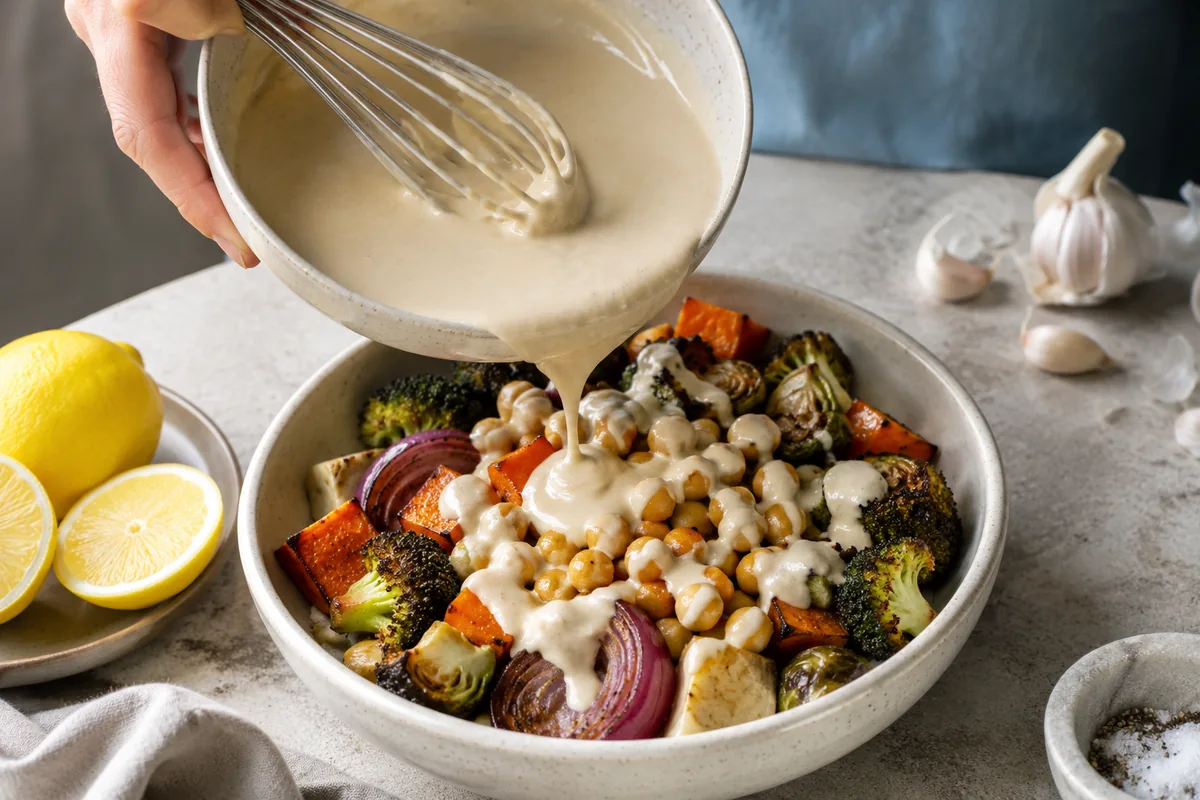
This is where tahini earns its place in a dairy-free kitchen. It does the jobs that cream, butter, and cheese usually handle, without any of the dairy. Whisk it with lemon juice, garlic, and water and you have a creamy dressing that rivals ranch. Stir it into soups or stews and it adds body and richness the way a swirl of cream would. Blend it into sauces for grain bowls, drizzle it over roasted vegetables, or use it as the base for a dip.
One practical tip: tahini seizes and thickens when you first add liquid, which alarms people who think they broke it. Keep whisking and adding water a splash at a time, and it loosens into a silky sauce. In baking, tahini adds moisture and a nutty depth, working a little like a nut butter, and it pairs beautifully with chocolate and dates. Tahini cookies are a genuinely great use, since the paste keeps them moist and adds a savory edge that balances the sweetness, and the nut and seed butter cookie ideas in the wider network translate easily to tahini. Because it is dairy free and vegan, it slots into plant-based cooking without any swaps. If you want sauce inspiration that plays to tahini’s strengths, the dessert sauce ideas elsewhere in the network show how nutty pastes can go sweet, and the vegan breakfast recipes here use tahini in drizzles and dressings throughout.
Beyond sauces and baking, tahini quietly upgrades a lot of everyday food. Swirl it into a smoothie for richness and a mineral boost. Stir a spoon into oatmeal or overnight oats for a nutty, filling breakfast. Whisk it into a marinade for tofu or vegetables, where its fat helps flavors cling and brown. Blend it into a soup at the end of cooking to add body the way a swirl of cream would. Use it as the creamy element in a grain bowl so you do not miss the cheese or sour cream. Because it carries no dairy, none of these uses require a substitution or a second thought for anyone avoiding milk, which is exactly what makes it such a quiet workhorse in a plant-based pantry.
Choosing and Storing Good Tahini
Since tahini is mostly oil, quality and freshness matter, and a bad jar can put people off the whole ingredient. Look for tahini that pours smoothly and has a pale tan to golden color. Very dark tahini often means the seeds were over-toasted, which brings a bitter edge. The flavor should be nutty and faintly bitter in a pleasant way, like good sesame, not harsh or sour. Single-origin and stone-ground tahinis tend to taste smoother, but plenty of supermarket jars are perfectly good for everyday cooking.
Separation is normal and not a defect. Because real tahini is just ground seeds, the oil rises to the top and the solids sink, the same way natural peanut butter separates. Stir it back together before using; a sturdy spoon or even a clean immersion blender right in the jar makes quick work of a stubbornly separated batch. Storing the jar upside down for a day before opening helps redistribute the oil so the first stir is easier.
Once opened, tahini keeps for months. You can store it at room temperature in a cool cupboard, where it stays pourable, or in the fridge, where it thickens and lasts even longer. Refrigerated tahini gets stiff and harder to stir, so let it come to room temperature before you fight with it. As long as it smells nutty rather than sharp or rancid, it is good to use. The high oil content means it can eventually go rancid, so trust your nose, but in a busy kitchen a jar rarely lasts long enough for that to happen.
The Bottom Line on Tahini and Dairy
Real tahini is dairy free, vegan, and naturally gluten free, made from nothing but ground sesame seeds. The richness that makes it taste creamy comes from the oil in the seeds, not from any milk. The only times you need to check are with flavored tahini spreads, premade tahini dressings, or tahini-based dishes like some versions of hummus and halva, where dairy can be added during preparation. Read the allergen line for milk, whey, and casein, and stick to single-ingredient jars when you want to be sure.
Far more important than the dairy question is the sesame question. Tahini is concentrated sesame, a major allergen, so it is dairy free but not allergy free. For everyone without a sesame allergy, it is a nutritious, mineral-rich, dairy-free staple that makes plant-based cooking creamier and richer without a drop of milk.
Frequently Asked Questions
Is tahini dairy free and vegan?
Yes. Real tahini is made only from ground sesame seeds, so it contains no milk, cream, butter, or any animal product. That makes it both dairy free and vegan in its pure form. The only exceptions are flavored spreads or premade tahini dressings that may have dairy added, so check the label on anything beyond a plain single-ingredient jar.
Why does tahini taste so creamy if it has no dairy?
The creamy texture comes from the high oil content of sesame seeds, which are about half fat by weight. When the seeds are ground, that oil releases and turns them into a smooth, rich paste that coats the mouth like a dairy product. It is the same effect you get from nut butters and blended cashews, with no milk involved.
Can tahini cause an allergic reaction?
Yes, but to sesame, not dairy. Tahini is pure sesame, which became the ninth major labeled allergen in the United States in 2023, and sesame reactions can be serious. Anyone with a sesame allergy must avoid tahini entirely. For people without that allergy, sesame is a healthy, nutritious food.
Is the tahini in hummus dairy free?
The tahini itself is always dairy free, and traditional hummus made from chickpeas, tahini, lemon, garlic, and olive oil contains no dairy. The caution is that some restaurant or store versions add yogurt or other dairy for creaminess. Check the ingredient list on packaged hummus or ask if a homemade version uses dairy before assuming it is safe.