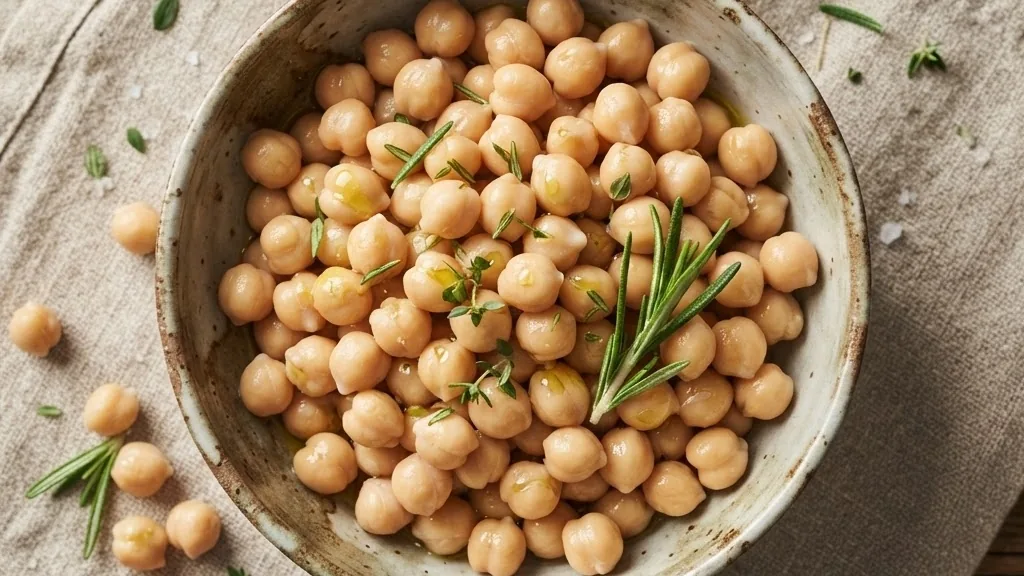
Are chickpeas healthy? Yes, and it is not a close call. One cooked cup of chickpeas delivers about 14.5 grams of protein and 12.5 grams of fiber for around 269 calories, which is a rare combination in a single, cheap, shelf-stable food. They are a bean worth leaning on hard, partly because they taste good and partly because the nutrition holds up to scrutiny rather than marketing. Below is what one cup actually does for your body, minus the hype.
The nutrition figures below come from named nutrition authorities and standard food data, not from memory.
Quick answer: Chickpeas, also called garbanzo beans, are genuinely nutrient-dense. A cooked cup gives you roughly 26 percent of the Daily Value for protein and 45 percent for fiber, plus folate, iron, magnesium, and potassium, all with a low glycemic index around 28. That mix supports steady blood sugar, fullness and weight control, heart health, and gut health. The only real cautions are eating too much fiber too fast and watching sodium on canned versions, both of which are easy to manage.
The short answer, backed by the numbers
When people ask whether a food is healthy, they usually want to know two things: is it nutritious, and is there a catch. For chickpeas the honest answers are yes and barely. They pack protein and fiber into a low-glycemic package, and the only downsides are minor digestive and sodium notes that a little technique solves.
What makes chickpeas stand out from a lot of “health foods” is that they are not a supplement dressed up as dinner. They are a whole food that has fed people for thousands of years, cheap enough to eat daily, and flexible enough to land in hummus, curry, salad, or a crunchy roasted snack. The nutrition is a feature of the food itself, not something sprayed on afterward.
The actual nutrient data backs up their reputation as an everyday workhorse.
What one cup of chickpeas actually contains
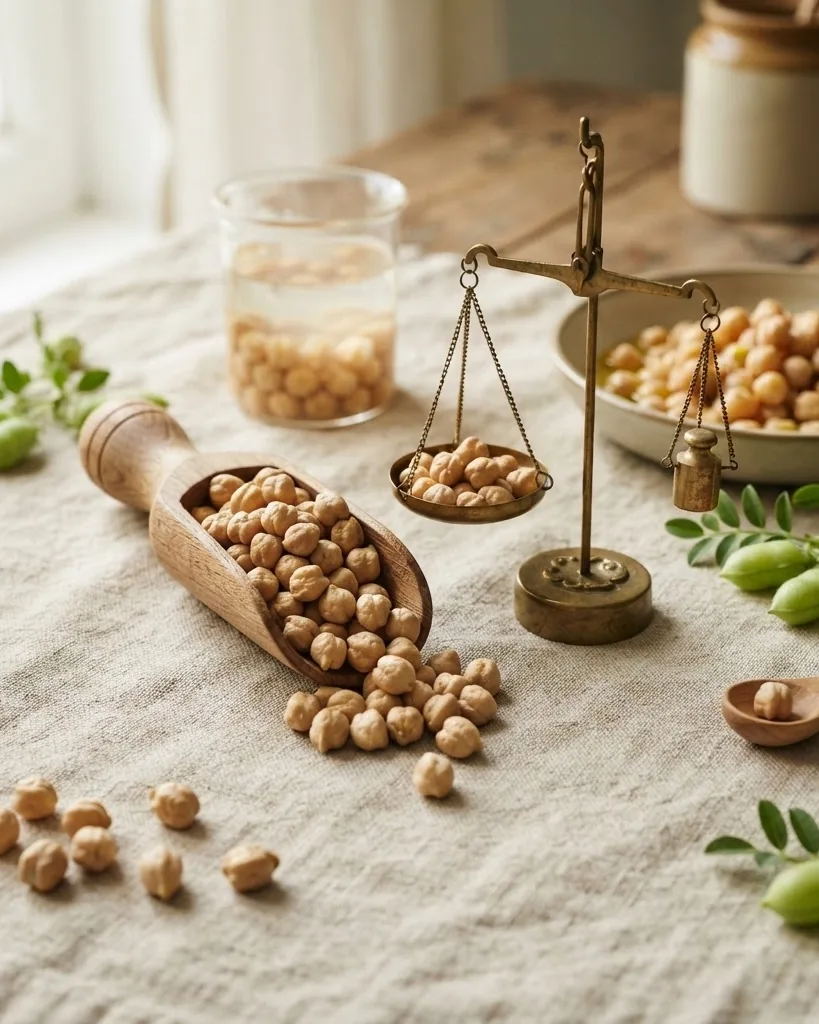
Here is where the case gets concrete. One cup of cooked chickpeas, about 164 grams, contains roughly:
- 269 calories, a modest amount for how filling they are
- 14.5 grams of protein, about 26 percent of the Daily Value
- 12.5 grams of fiber, about 45 percent of the Daily Value
- Around 45 grams of carbohydrate, much of it slow-digesting
- About 4 grams of fat, mostly unsaturated
- Roughly 10 percent of the Daily Value for potassium, plus folate, iron, phosphorus, copper, manganese, and magnesium
The number worth pointing to is that fiber figure. Getting 45 percent of a full day’s fiber from one ingredient is unusual, and most people fall well short of their fiber target, so a single cup closes a big chunk of that gap. Pair that with a meaningful protein hit and you have a food that does two jobs at once.
Protein and fiber: the fullness duo
The protein and fiber in chickpeas are not just impressive on paper; they work together in a way that matters for appetite. Protein is the most satiating macronutrient, and soluble fiber slows how fast your stomach empties. Combine them and you get a food that keeps you full longer, which is why chickpeas show up in so much advice about weight management.
That combination is why a lunch built on chickpeas keeps you full until dinner in a way that a same-calorie bowl of refined carbs never does. The fiber and protein slow digestion together, so the energy releases gradually instead of spiking and crashing. It is a practical effect you can feel, not just a line in a nutrition table.
For anyone counting protein, 14.5 grams from one cup is a real contribution toward the roughly 46 to 56 grams a day most adults need. It is not a complete protein on its own, but that is a simple fix, covered in the plant-based section below.
Blood sugar and the low glycemic index
One of the most useful things about chickpeas is how gently they affect blood sugar. They have a glycemic index of about 28, which is low, and a glycemic load around 9, which is also low. That means the carbohydrate in chickpeas converts to blood sugar slowly rather than in a fast spike, thanks to all that fiber and protein slowing things down.
For people managing type 2 diabetes or just trying to avoid the mid-afternoon energy crash, that low glycemic profile is a genuine advantage. Swapping a portion of white rice or bread for chickpeas in a meal flattens the blood sugar response of the whole plate. Healthline’s roundup of chickpea benefits highlights this repeatedly, and it lines up with why dietitians so often recommend legumes for blood sugar control.
It is worth saying that the carbs in chickpeas are not something to fear. They are the good kind: slow, fiber-rich, and paired with protein. The low glycemic index is exactly what you want a starchy food to have.
Heart, gut, and brain benefits
The benefits do not stop at fullness and blood sugar. The soluble fiber in chickpeas can help lower LDL cholesterol, the type linked to heart disease, by binding cholesterol in the gut. The Harvard T.H. Chan School of Public Health groups beans and legumes among the plant proteins associated with better heart health, and eating them regularly in place of some animal protein is a pattern tied to lower cardiovascular risk.
Your gut benefits too. Fiber acts as a prebiotic, feeding the beneficial bacteria in your digestive tract, which supports regularity and a healthier microbiome. And chickpeas carry folate, magnesium, and choline, nutrients involved in brain and nerve function, so the case extends from the heart to the head. None of these are miracle claims; they are the ordinary, well-documented payoffs of eating more whole plant foods, and chickpeas are one of the easiest ways to do that.
Chickpeas for plant-based eaters
If you eat plant-based, chickpeas earn a permanent spot in the pantry. They are one of the better plant protein sources by the cup, and they bring plant iron along with that protein, which matters when you are not getting iron from meat. Plant iron is non-heme and absorbed less efficiently than the heme iron in meat, so pair chickpeas with a vitamin C source, a squeeze of lemon, some tomato, or peppers, to boost how much iron your body takes up.
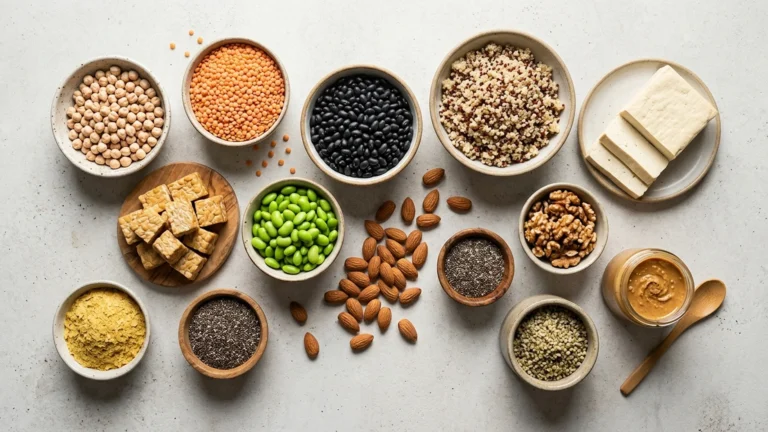
On the protein-quality question, chickpeas are not a complete protein by themselves, meaning they are a little light in one essential amino acid. The fix is ancient and delicious: eat them with a grain. Hummus with pita, chana with rice, chickpea curry with flatbread, all of these pair the legume with a grain to round out the full amino acid profile. You do not even have to do it in the same meal, just across the day. For more ways to hit your numbers without animal products, this guide to vegan protein sources puts chickpeas in context with the rest of the lineup.
Canned vs dried, and how to eat more of them
The easiest way to get chickpea benefits is to make them convenient, and canned chickpeas are convenient. The one tweak worth making is to drain and rinse them, which can cut the sodium by up to about 40 percent. Dried chickpeas are cheaper and have a firmer texture, but they need soaking and about an hour to an hour and a half of simmering, so they are a weekend project rather than a weeknight one.
Once they are in your kitchen, the uses are endless. Here are the main options to rotate through:
- Hummus: blended with tahini, lemon, and garlic, the classic and the fastest.
- Roasted chickpeas: tossed with oil and spices and roasted until crunchy, a snack that replaces chips.
- Curry: chana masala and coconut chickpea curries make them the center of a meal.
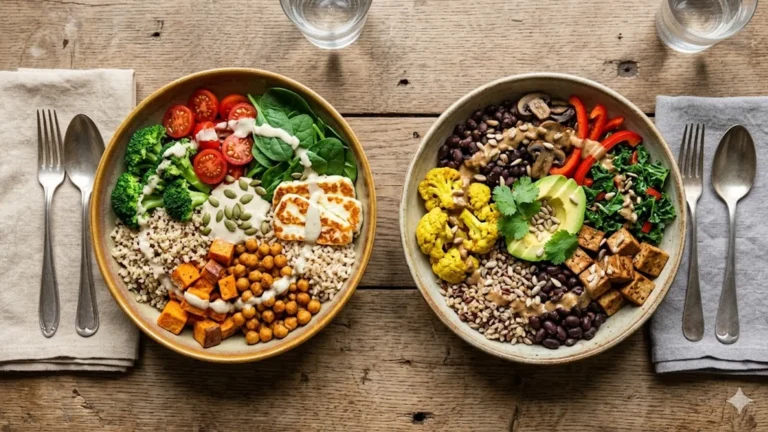
- Salads and grain bowls: a scoop adds protein and fiber to almost anything.
- Soups and stews: they hold their shape and thicken the pot.
- Aquafaba: do not pour out the can liquid. It whips like egg whites and works as a vegan egg replacer in meringues, mayo, and baking, which makes it one of the handiest kitchen tricks around.
Chickpea flour, sometimes called besan, is another route: it makes savory pancakes and even an eggless omelet. Between the beans themselves, the flour, and the aquafaba, a single can of chickpeas can stretch across a whole day of cooking.
The downsides: gas, phytates, and portion sense
No food is perfect, so here is the honest other side. The high fiber that makes chickpeas so good can cause gas and bloating if you go from eating little fiber to a lot overnight. The fix is simple: ramp up gradually and drink plenty of water so the fiber can do its job comfortably.
Chickpeas also contain small amounts of antinutrients like phytates, which can slightly reduce mineral absorption. Soaking and cooking reduce them substantially, and in a varied diet they are not a real concern, so this is more a footnote than a warning. A rare legume allergy exists, as with any food. And while chickpeas are healthy, they are not calorie-free, so if you are watching intake, keep an eye on how much oil goes into the hummus or onto the roasting tray, since that is usually where the calories climb, not the beans themselves.
How chickpeas compare to other beans
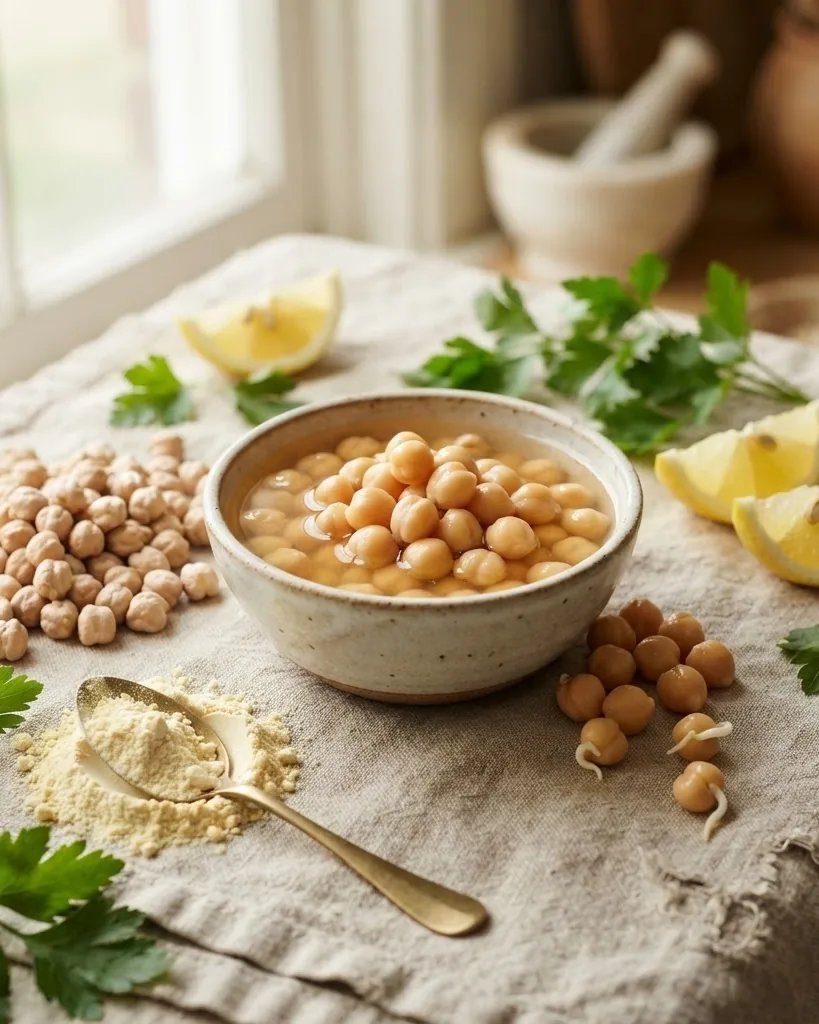
Chickpeas are excellent, but they are not the only good bean, and it helps to know where they sit in the lineup. Compared with black beans, kidney beans, and lentils, chickpeas land in a similar nutritional neighborhood: all are high in fiber and plant protein and low on the glycemic index. Chickpeas edge out some beans on versatility and on a slightly nuttier, firmer texture that holds up to roasting and blending, which is why they became the base for hummus and falafel rather than, say, kidney beans.
Lentils cook faster and need no soaking, so they win on weeknight speed, while chickpeas win on texture and on that magical can liquid, aquafaba, that no other common bean matches for whipping. Black beans carry a touch more antioxidant pigment in their dark skins. The honest takeaway is that you do not need to crown a single best bean; you need variety. Rotating chickpeas with lentils, black beans, and others gives you a wider spread of nutrients and keeps meals interesting. Chickpeas work best as the most flexible member of that rotation rather than a food that has to do everything, and meals improve when no single ingredient has to carry the whole week.
A simple weekly chickpea plan
The gap between knowing chickpeas are healthy and actually eating them often is usually just a lack of a plan, so here is a low-effort rhythm that works. It turns one or two cans into several meals without any single day feeling like a chore.
- Sunday: roast a tray of chickpeas with oil and spices for the week’s snacking, and blend a batch of hummus for lunches.
- Midweek: throw a can into a curry or stew, where they simmer happily and thicken the pot.
- Any day: toss a handful, canned and rinsed, onto a salad or grain bowl for an instant protein and fiber boost.
- Baking day: save the aquafaba from a can and use it as an egg replacer, so nothing goes to waste.
None of that takes real cooking skill, which is the point. If you want the actual recipes, the easy chickpea recipes collection has the hummus, the roasted version, and a couple of curries in one place. Building a couple of chickpea habits is genuinely one of the cheapest upgrades you can make to a diet, because the beans cost little and deliver a lot.
The global role of a very old bean
Part of why chickpeas are so trustworthy is that they are not a trend; they are a staple that entire cuisines have leaned on for thousands of years. They anchor hummus and falafel across the Middle East and Mediterranean, chana masala and countless dals across South Asia, and stews and soups across North Africa and southern Europe. Chickpea flour, besan, turns up in Indian pakoras, French socca, and Italian farinata, all of it built on the same humble legume.
That global track record is a quiet endorsement. Foods that feed billions of people affordably, across climates and cultures, tend to be nutritionally sound in a way no marketed superfood needs to prove. Chickpeas provide protein where meat is scarce or costly, fiber and minerals in a compact package, and a neutral, adaptable flavor that takes on whatever spices a cuisine throws at it. When a food has been a dietary backbone for that many people for that long, “are they healthy” almost answers itself. The nutrition science we can now measure, all those grams of protein and fiber and that low glycemic number, is really just confirming what a lot of grandmothers already knew.
Are roasted and snack chickpeas still healthy?
Roasted chickpeas have become a popular packaged snack, marketed as a crunchy, high-protein alternative to chips, and a common question is whether they keep the benefits of the plain bean. Mostly, yes. Roasting does not destroy the protein or fiber, so a serving still delivers a meaningful share of both, which is more than you can say for most crunchy snacks. Made at home with a little oil and spice, they are one of the genuinely good swaps for chips.
The caution is with some commercial versions, where the calorie and sodium count can climb because of heavy oil, added sugar coatings, or salt. The bean underneath is still healthy; it is the finishing that shifts the math. So the same rule applies as with hummus: watch the oil and salt, not the chickpea. If you make them yourself, you control all of it, and a tray tossed with a teaspoon of oil and smoked paprika is about as guilt-free as a crunchy snack gets. Read the panel on a store-bought bag the way you would any snack, and you will usually find roasted chickpeas near the top of the healthy end of the aisle.
How much is too much?
Because chickpeas are so nutrient-dense, it is fair to ask whether you can overdo them, and the practical answer is that portion sense matters more than any hard limit. A cup or so a day is a comfortable, beneficial amount for most people. Eating far more than that in one sitting, especially if you are new to a high-fiber diet, is where the bloating and gas show up, so the ceiling is usually set by your digestion rather than by any nutritional risk.
There is also the simple matter of calories. At 269 per cooked cup, chickpeas are not a free food, and it is easy to forget that hummus and roasted versions carry added oil on top of that. If you are managing your weight, chickpeas help by keeping you full, but they still count toward your day. Balance is the whole game: chickpeas are a fantastic anchor for a meal, not the only thing on the plate. Rotate them with other beans, vegetables, whole grains, and greens, keep the portions sensible, and increase your intake gradually, and you get all of the upside with essentially none of the downside. That is about as clean a bill of health as any everyday food earns. In short, chickpeas are one of the few foods where the honest answer to “are they healthy” is an unqualified yes, with only a couple of gentle, easily managed caveats attached, and where the practical challenge is simply remembering to eat them often enough to enjoy all of that benefit.
Frequently asked questions
Are chickpeas healthy to eat every day?
For most people, yes. A daily cup fits comfortably into a balanced diet and supplies protein, fiber, and minerals. The main thing is to increase your intake gradually if you are not used to much fiber, and to drink enough water, so the extra fiber aids digestion instead of causing bloating.
Are chickpeas good for weight loss?
They can help. With 14.5 grams of protein and 12.5 grams of fiber per cup, chickpeas are very filling for their 269 calories, which can curb appetite and reduce overeating. They are a food that works with weight management, though total calories still matter, especially added oil.
Are chickpeas a complete protein?
Not quite on their own. They are slightly low in one essential amino acid, but pairing them with a grain like rice or wheat, as in chana with rice or hummus with pita, rounds out the full amino acid profile. Eating a variety of plant proteins across the day solves it easily.
Are canned chickpeas as healthy as dried?
Nearly identical nutritionally. The main difference is sodium, since canned chickpeas sit in salted liquid. Draining and rinsing them can cut the sodium by up to about 40 percent. Dried are cheaper and firmer but need soaking and around an hour of simmering.
Do chickpeas raise blood sugar?
Only gently. Chickpeas have a low glycemic index of about 28 and a low glycemic load around 9, so their carbohydrate converts to blood sugar slowly. That makes them a smart choice for steady energy and for people managing type 2 diabetes, especially in place of refined carbs.
Why do chickpeas cause gas?
Their fiber and certain carbohydrates are fermented by gut bacteria, which produces gas. This eases as your gut adjusts, so increase your intake gradually, rinse canned chickpeas well, and drink water. Thorough cooking and soaking dried beans also help reduce the compounds responsible.nnSources: Healthline, 10 Health and Nutrition Benefits of Chickpeas (nutrition per cup, glycemic index, and benefits); USDA FoodData Central (cooked chickpea nutrient values); Harvard T.H. Chan School of Public Health, The Nutrition Source (legumes, fiber, protein, and heart health).