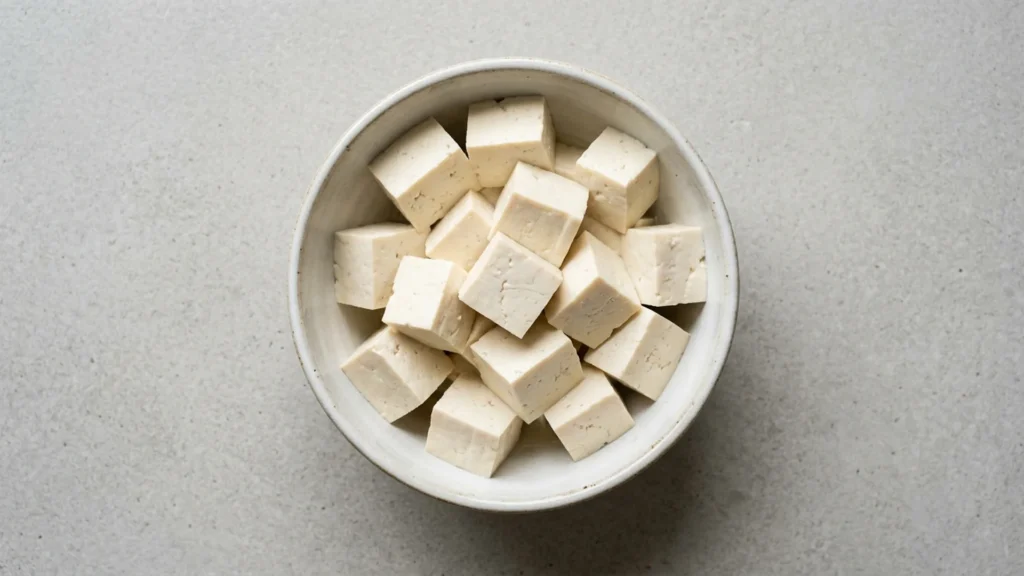
Is tofu gluten free? Yes, plain tofu is naturally gluten free, because it is made from just three things: soybeans, water, and a mineral coagulant, none of which contain gluten. Soybeans are a legume, not a grain, so they carry none of the wheat, barley, or rye proteins that cause trouble for people with celiac disease or gluten sensitivity. The coagulants that turn soy milk into a solid block, usually calcium sulfate (nigari is magnesium chloride), are minerals with no gluten in them either. So the base answer is reassuring: a block of unflavored tofu is a safe, gluten free protein for almost everyone who needs to avoid gluten.
The honest answer has a few important asterisks, though, and that is where most quick web answers leave you hanging. Tofu rarely arrives at your plate plain. It gets marinated, breaded, fried in shared oil, splashed with regular soy sauce, and processed in facilities that also handle wheat. Any one of those steps can turn a naturally gluten free food into one that will make a sensitive eater sick. This guide walks through exactly where the gluten sneaks in, which kinds of tofu and tofu dishes to watch, how to read a label and a restaurant menu with confidence, and which brands carry real gluten free certification. By the end you will know not just that plain tofu is fine, but how to keep it that way from the store shelf to the dinner table.
Why plain tofu is naturally gluten free
To see why tofu is safe, it helps to know what gluten actually is and where it lives. Gluten is a family of storage proteins, mainly gliadin and glutenin, found in wheat and its relatives (spelt, kamut, farro, durum), plus the related proteins in barley and rye. It is the stretchy, elastic stuff that gives bread its chew. Crucially, gluten is a grain protein. It does not exist in legumes, vegetables, fruit, nuts, or seeds on their own. Soybeans are a legume, in the same broad family as lentils, chickpeas, and peanuts, so they contain zero gluten in their natural state.
Tofu is one of the simplest processed foods you can buy. Soybeans are soaked, ground, and cooked into soy milk, then a coagulant is added to make the proteins and fats clump into curds, which are pressed into the familiar block. The two common coagulants are calcium sulfate (a calcium salt, often called gypsum) and magnesium chloride or nigari (a mineral salt drawn from seawater). Some makers use glucono delta-lactone, a mild acid, especially for silken tofu. All of these are gluten free. Nothing in the standard tofu-making process introduces a grain. That is why dietitians and celiac organizations consistently list plain tofu as safe, and why the soybeans behind it show up so often in any good rundown of plant-based protein sources. The protein is excellent, and the gluten is simply not there to begin with.
Where gluten actually sneaks into tofu
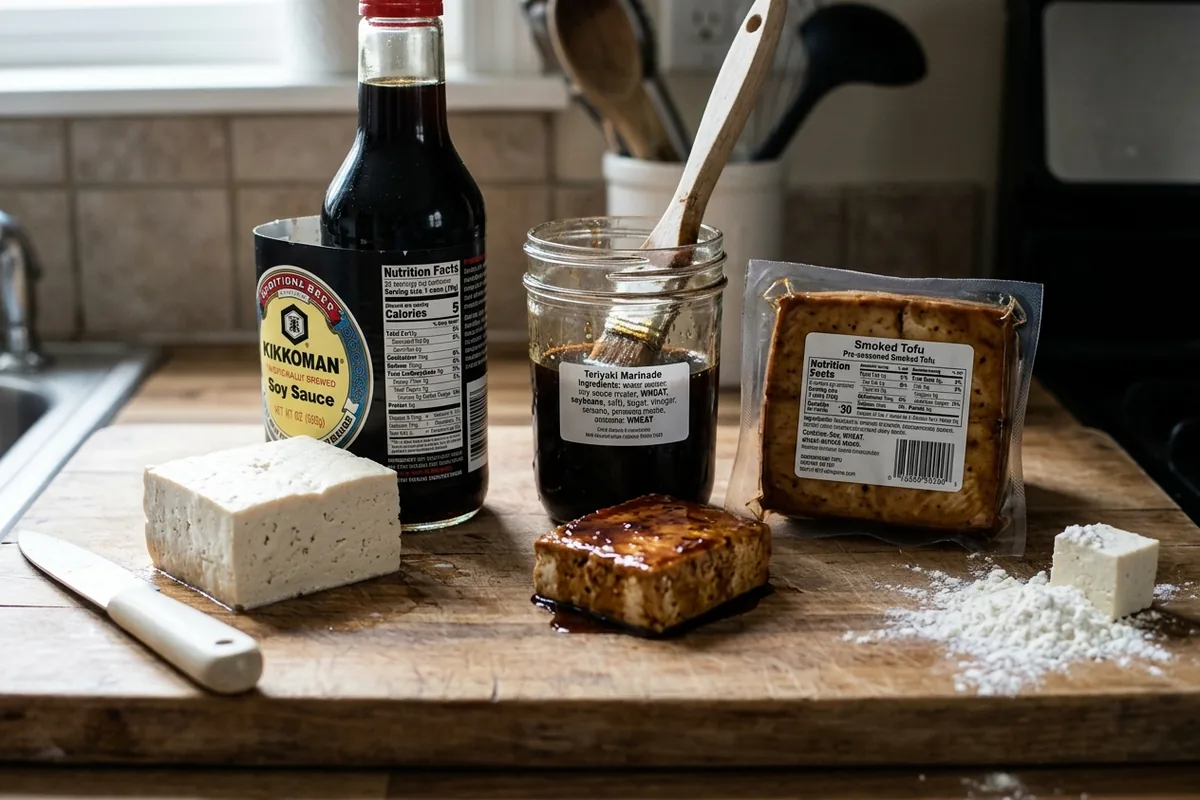
If the soybean is clean, the risk lives entirely in what happens after the block is made. There are four main entry points for gluten, and knowing them lets you screen any tofu product fast.
Marinades and sauces, especially soy sauce
This is the single biggest trap. Regular soy sauce is brewed from soybeans and wheat, so it contains gluten, and it is the default seasoning for tofu in countless recipes and packaged products. A flavored, pre-marinated, or baked tofu from the refrigerated case very often has soy sauce in the marinade. Teriyaki tofu is almost always made with a wheat-based sauce. Any product labeled with an Asian-style glaze deserves a careful label read. The fix at home is simple: use tamari (a soy sauce traditionally made with little or no wheat) or a certified gluten free soy sauce, and the dish stays safe.
Breading and batter
Crispy and fried tofu is a common culprit. If tofu is dredged in flour or breadcrumbs before frying, that coating is wheat. The classic Japanese dish agedashi tofu is the textbook example: the tofu itself is fine, but it is dusted in potato or wheat starch and served in a dashi broth that may contain soy sauce. Restaurant fried tofu, tofu nuggets, and tofu cutlets all need checking, since the crunch usually comes from a grain-based coating unless the product specifically uses rice flour, cornstarch, or chickpea flour.
Cross-contamination in processing and the kitchen
Even plain tofu can pick up trace gluten if it is made in a facility that also handles wheat, or if it is fried in oil that was previously used for breaded foods. Shared fryers are a real risk at restaurants. At home, the same applies to a wok or pan that just cooked something floured. For highly sensitive celiacs, this trace exposure matters, which is why certified products and dedicated cooking surfaces are worth seeking out.
Additives in heavily processed tofu products
Tofu-based sausages, deli slices, and some smoked or seasoned tofus can include thickeners, flavorings, or binders that contain wheat or barley malt. These are uncommon but real. The rule is the same one that helps you sort out whether any packaged item is vegan and gluten free at a glance: read the ingredient list and the allergen statement on anything that is not just plain pressed soybeans.
Plain, flavored, and silken tofu: which to trust
Not all tofu carries the same risk, so it helps to sort the types by how much you need to scrutinize them.
Plain block tofu (silken, soft, firm, extra-firm) is the safest. Whether it is the soft, custardy silken style or a dense extra-firm block, plain tofu is just soybeans, water, and coagulant. Silken tofu, made with glucono delta-lactone, is equally gluten free despite its different texture. These are the kinds to buy when you want zero guesswork.
Sprouted and organic tofu is still just soybeans and coagulant, so it is gluten free too. The “sprouted” label refers to germinated soybeans, which changes nutrition slightly but adds no grain. Organic certification does not speak to gluten directly, but organic plain tofu is still a clean ingredient.
Flavored, baked, marinated, and smoked tofu is where you slow down. These products have been seasoned, and the seasoning is the variable. Many are gluten free and say so on the package, but plenty use regular soy sauce. Never assume; read the label every time, because formulas change.
The table below sums up the quick verdict for the common forms you will meet at the store.
| Type of tofu | Gluten free? | What to check |
|---|---|---|
| Plain firm / extra-firm | Yes | Nothing; safe as is |
| Silken / soft | Yes | Nothing; coagulant is mineral or GDL |
| Sprouted / organic plain | Yes | Nothing; still just soybeans |
| Baked / marinated / teriyaki | Maybe | Soy sauce in marinade; read label |
| Breaded / fried tofu nuggets | Often no | Wheat coating unless stated GF |
| Tofu sausages / deli slices | Maybe | Binders, wheat gluten, barley malt |
How to read a tofu label like a pro
A confident label check takes about ten seconds once you know what to look for. Start with the ingredient list. Plain tofu should read like a short sentence: soybeans, water, and a coagulant such as calcium sulfate, magnesium chloride, or glucono delta-lactone. If that is all you see, you are done, the tofu is gluten free.
For anything flavored, scan the ingredient list for the words that signal gluten: wheat, barley, malt, malt extract, soy sauce (the plain kind), and “natural flavors” when no allergen statement clarifies them. In the United States, the FDA requires wheat to be declared as an allergen, so a “Contains: wheat” line is a clear stop sign, and its absence is reassuring. Look also for a “may contain wheat” or “made in a facility that also processes wheat” advisory; this is a cross-contamination warning, and how much it matters depends on your own sensitivity.
The gold standard is a certified gluten free seal. In the US, that means the product has been tested to contain fewer than 20 parts per million of gluten, the threshold the FDA sets for the “gluten free” claim and the level major certifying bodies enforce. A package that carries a recognized gluten free certification mark has cleared that bar, which takes the guesswork out entirely. The Celiac Disease Foundation and similar groups maintain useful guidance on reading these labels, and pairing label literacy with a trusted brand list is the most reliable approach for sensitive eaters.
Gluten free tofu brands you can trust
Several major tofu makers either certify their plain tofu gluten free or confirm it through testing. House Foods, one of the largest tofu brands in the US, labels its plain tofu gluten free. Nasoya plain tofu is gluten free, though you should still check its flavored and baked lines individually. Mori-Nu, the shelf-stable silken tofu brand, carries gluten free certification on its silken tofu. Wildwood and many organic plain tofus are gluten free as well.
The pattern to remember is that the plain blocks from reputable brands are almost universally safe, while the same brand’s flavored or baked spinoffs need a separate look. Brand reputation helps, but the label on the specific product in your hand is the final word, because companies reformulate and add new flavored lines all the time. When in doubt, the manufacturer’s website or a quick customer-service email will confirm a product’s status, and many brands now state their gluten testing policy openly. The same careful brand-checking habit that sorts gluten free tofu is exactly what helps you figure out which snacks make the cut, the way our breakdown of whether Takis are vegan walks through reading a label flavor by flavor.
Eating tofu out: restaurants and cross-contamination
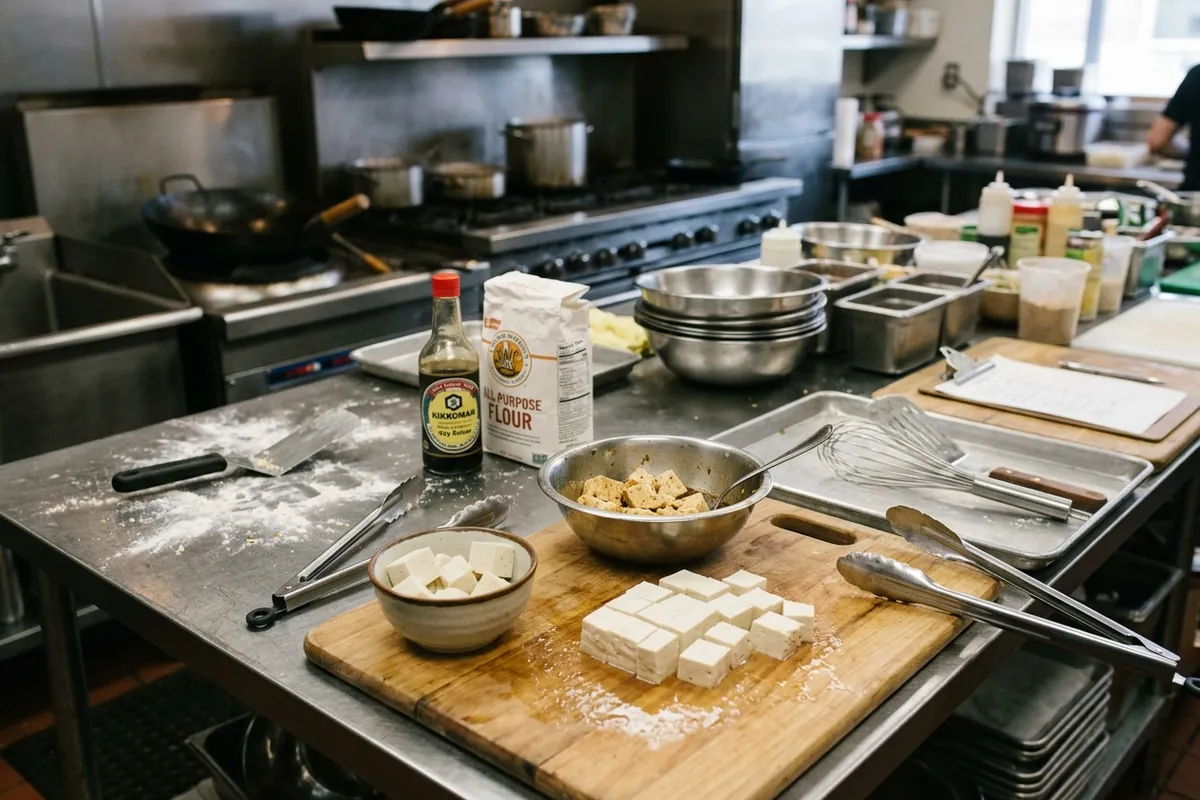
Restaurants are where careful home shoppers can still get caught, because you cannot see the marinade or the fryer. Asian restaurants, where tofu is most common, also lean heavily on soy sauce, which is usually the wheat-containing kind. A plain steamed or pan-fried tofu can be safe, but ask two questions: is there soy sauce in the sauce or marinade, and is the tofu fried in a shared fryer with breaded items?
Fried tofu on a menu is the riskiest order, since it is often dredged in wheat flour or cooked in oil shared with tempura and other battered foods. Agedashi tofu, crispy tofu, and tofu katsu all fall in this category. Stir-fried and braised tofu dishes are usually built on soy sauce, so they need a gluten free soy sauce substitution that not every kitchen can make. The safest restaurant orders are simple: steamed tofu, tofu in a clearly gluten free sauce, or a salad with plain tofu and dressing you can verify. Tell your server you have celiac disease rather than a preference; it signals that cross-contamination matters, not just the listed ingredients. A well-run kitchen can usually accommodate you, but the burden is on you to ask the specific questions, because “tofu is vegetarian” is not the same as “this tofu dish is gluten free.”
Cooking gluten free tofu at home with confidence
Home is where gluten free tofu is easiest, because you control every ingredient. Start with plain firm or extra-firm tofu, press out the water for a firmer texture, and season it yourself. The one swap that solves nearly every problem is replacing regular soy sauce with tamari or a certified gluten free soy sauce in marinades, stir-fries, and dipping sauces. Coconut aminos is another gluten free option with a slightly sweeter, milder flavor.
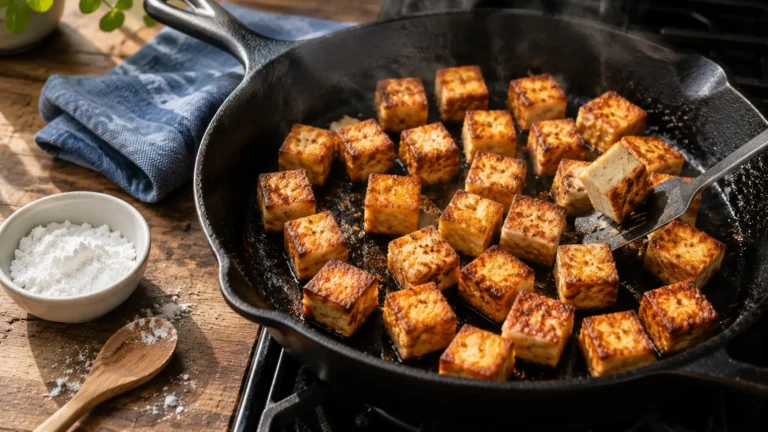
For crispy tofu without wheat, skip the flour dredge or use a gluten free coating: cornstarch, rice flour, or chickpea flour all crisp up beautifully and many cooks prefer them. Toss pressed tofu cubes in cornstarch and a little oil, then bake or pan-fry, for a crunchy exterior with no gluten anywhere. Watch your cookware too: use a clean pan or a fresh batch of frying oil rather than one that just cooked breaded food, and keep a dedicated cutting board if cross-contamination is a serious concern in your kitchen. Beyond those small habits, cooking tofu is wide open, and it slots into far more than stir-fries. Recipe sites like Minimalist Baker are full of naturally gluten free tofu dishes that lean on tamari and cornstarch rather than wheat, and they are a good place to build a repertoire. Once tamari lives in your pantry and cornstarch is your breading of choice, gluten free tofu cooking stops requiring any thought at all.
Tofu in a wider gluten free, plant-based diet
Tofu earns its place in a gluten free kitchen for more than just its safety. It is a complete protein, meaning it supplies all nine essential amino acids, which makes it genuinely useful for anyone leaning plant-based and avoiding the wheat-based meat substitutes (like seitan, which is pure gluten and absolutely off-limits for celiacs). Where a gluten-sensitive vegetarian cannot eat seitan or many veggie burgers, tofu, tempeh, and legumes carry the protein load instead.
Tofu is also a blank canvas that takes on whatever flavor you give it, so it adapts to nearly any cuisine without needing a grain-based binder. It scrambles like eggs, blends into creamy sauces and desserts when you use the silken kind, and grills or bakes into a hearty main. Nutritionally, it brings calcium (especially the calcium-sulfate-set kind), iron, and isoflavones, the soy compounds that research summarized at NutritionFacts.org has examined for their role in heart and bone health. For someone managing both a gluten free and a plant-based diet, tofu is one of the most flexible, affordable, and well-tolerated foods on the shelf. It pairs naturally with other naturally gluten free staples, the legumes, rice, vegetables, and seeds that already form the backbone of a careful plant-based plate.
Frequently asked questions
Is all tofu gluten free?
Plain tofu is gluten free, but not all tofu products are. Unflavored block tofu and silken tofu are just soybeans, water, and a mineral coagulant, so they contain no gluten. Flavored, marinated, baked, breaded, or smoked tofus can contain gluten from soy sauce, wheat coatings, or additives, so those need a label check every time.
Does tofu contain soy sauce?
Plain tofu does not contain soy sauce; it is just soybeans and coagulant. But flavored and pre-marinated tofu often does, and regular soy sauce contains wheat. Teriyaki and baked tofu products are the most likely to include it. If you are avoiding gluten, choose plain tofu and season it yourself with tamari or certified gluten free soy sauce.
Is silken tofu gluten free?
Yes, silken tofu is gluten free. It is made from soy milk set with glucono delta-lactone or a mineral coagulant rather than pressed, which gives it a soft, custardy texture, but none of those ingredients contain gluten. Silken tofu is safe for celiacs and works well blended into sauces, smoothies, and dairy-free desserts.
Can celiacs eat tofu?
Yes, people with celiac disease can eat plain tofu safely, since it is naturally gluten free. The cautions are cross-contamination (shared fryers, facilities that handle wheat) and flavored products with soy sauce or wheat coatings. Choosing certified gluten free tofu, cooking with tamari, and avoiding breaded restaurant tofu keeps it safe.
Is fried tofu gluten free?
Often not. Fried tofu is frequently dredged in wheat flour or breadcrumbs, and at restaurants it may be cooked in oil shared with battered foods. Agedashi tofu and crispy tofu nuggets usually involve a grain coating. To keep fried tofu gluten free, coat it in cornstarch, rice flour, or chickpea flour and fry it in clean oil at home.
What should I look for on a tofu label?
Plain tofu should list only soybeans, water, and a coagulant like calcium sulfate, magnesium chloride, or glucono delta-lactone. For flavored tofu, watch for wheat, barley, malt, and soy sauce in the ingredients, and read the allergen statement. A certified gluten free seal means the product tests under 20 parts per million of gluten, which is the most reliable assurance.
The bottom line
Plain tofu is gluten free, full stop, because it is nothing more than soybeans, water, and a mineral coagulant, with no grain anywhere in the process. The risk never comes from the tofu itself; it comes from what gets added to it, namely soy sauce in marinades, wheat in breading, additives in heavily processed products, and cross-contamination in shared fryers and facilities. Once you know those four entry points, screening tofu is quick: buy plain blocks with confidence, read the label on anything flavored, look for a certified gluten free seal when you want certainty, and cook with tamari and cornstarch at home. For a celiac or gluten-sensitive eater leaning plant-based, tofu is one of the safest, most versatile, and most affordable proteins you can keep on hand, and a little label literacy is all it takes to enjoy it without a second thought.