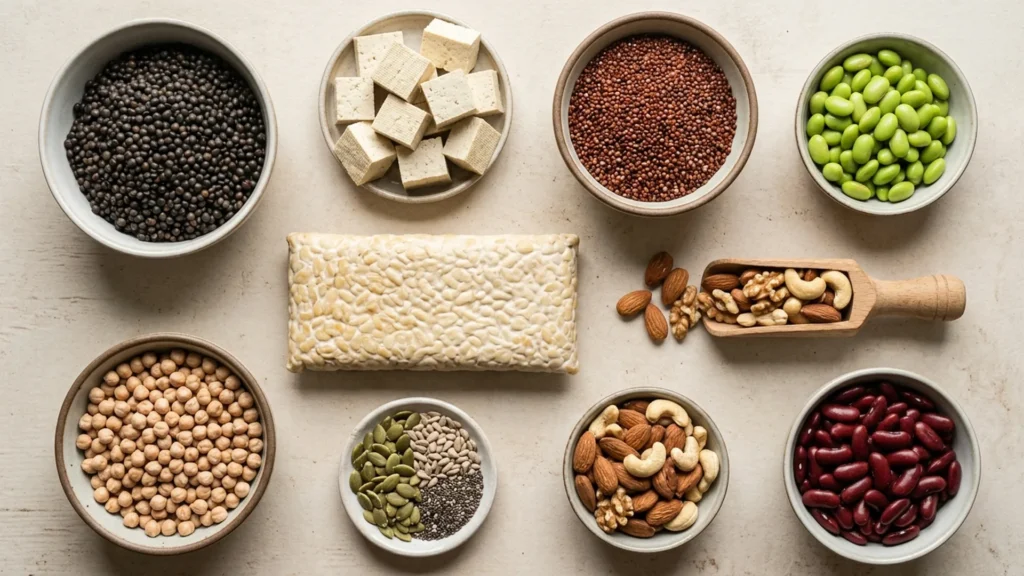
Vegan protein is one of the most misunderstood topics in plant-based eating, and the worry behind it, that you cannot get enough protein without meat, dairy, or eggs, simply does not hold up. Plants supply all the protein a human body needs, including every essential amino acid, as long as you eat a reasonable variety of whole foods across the day. Beans, lentils, tofu, tempeh, seitan, soy, nuts, seeds, and whole grains together give a vegan eater more than enough to build muscle, recover from exercise, and stay strong. The protein question, once you understand it, turns out to be far less of a hurdle than its reputation suggests.
The myth persists partly because animal foods are concentrated, single-source protein, while plant protein is spread across a wider range of foods. That difference makes people nervous, as if plant protein were somehow weaker or incomplete. In reality, surveys consistently find that vegans and vegetarians comfortably meet and usually exceed their daily protein needs without trying very hard. This guide lays out how much protein you actually need, the difference between complete and incomplete proteins (and why it matters less than you have heard), the best whole-food vegan protein sources ranked by how much they deliver, where protein powders fit in, and how to build everyday meals that hit your target without thinking about it. Let us put the protein anxiety to rest.
How much protein do you actually need?
Before chasing protein, it helps to know the target, because the number is lower than gym culture often implies. The standard recommendation for a healthy adult is roughly 0.8 grams of protein per kilogram of body weight per day, which works out to around 50 to 60 grams for many people. Active people, athletes, older adults, and those building muscle benefit from more, often in the range of 1.2 to 1.6 grams per kilogram, but even those higher targets are very reachable on plants.
Here is the reassuring part backed by actual data. Studies of dietary patterns have found that vegetarians and vegans typically get well over the protein they need, often around 70 grams a day or more, which comfortably clears the requirement. The fear of falling short is largely unfounded for anyone eating enough calories from a varied plant diet. The much more common scenario is a vegan eating plenty of protein without ever tracking it. So the goal is not to obsess over grams but to make sure protein-rich plants show up at most meals, which happens naturally once you know which foods to lean on.
Complete versus incomplete protein, and why it matters less than you think
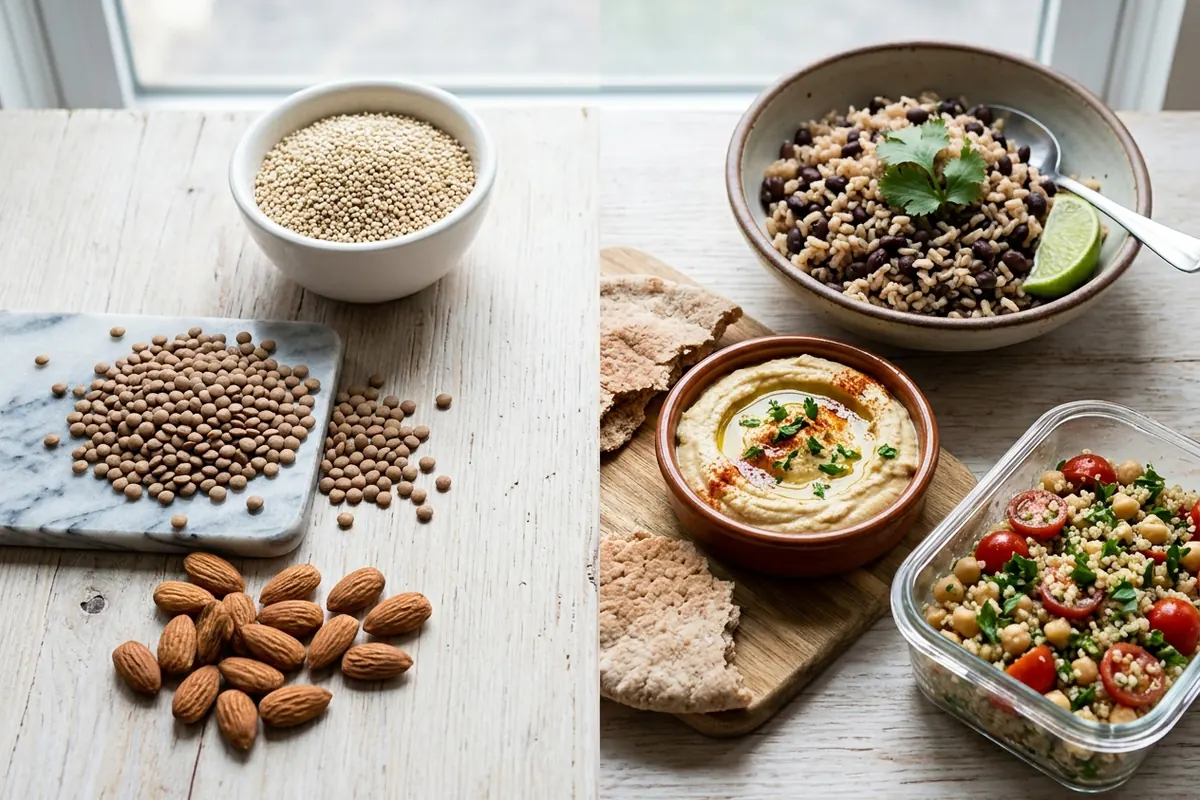
You have probably heard that plant proteins are incomplete, and that you must carefully combine foods to get a full set of amino acids. The truth is more relaxed than that. Proteins are made of amino acids, nine of which are essential, meaning the body cannot make them and must get them from food. A complete protein contains all nine in good amounts, while an incomplete one is low in one or more.
Several plant foods are already complete proteins on their own: soybeans and everything made from them (tofu, tempeh, edamame), quinoa, amaranth, buckwheat, hemp seeds, spirulina, and nutritional yeast all contain the full set. So a vegan eating soy and a few of these foods is getting complete protein directly. For foods that are incomplete, like most beans and grains individually, the old advice was to combine them at the same meal, classically beans with rice. The updated understanding is that you do not need to combine them at a single sitting. Your body maintains a pool of amino acids and draws on what you eat across the whole day, so eating a variety of plant proteins over the course of the day covers all your bases automatically. The combining still works, it is just not the strict requirement it was once made out to be. Eat varied whole plant foods and the amino acids take care of themselves.
The best whole-food vegan protein sources
Now for the practical heart of it: the plant foods that actually deliver real protein, roughly ranked by how much they pack per serving. Knowing this short list means you always have a high-protein option to reach for.
| Food | Protein | Serving |
|---|---|---|
| Seitan | 25 g | 3.5 oz (100 g) |
| Tempeh | about 18 g | 3.5 oz (100 g) |
| Tofu | 12 to 18 g | 3.5 oz (100 g) |
| Edamame | about 17 g | 1 cooked cup |
| Lentils | 18 g | 1 cooked cup |
| Beans and chickpeas | 15 g | 1 cooked cup |
| Hemp seeds | 9 g | 3 tbsp (30 g) |
| Green peas | 9 g | 1 cooked cup |
| Quinoa | 8 to 9 g | 1 cooked cup |
| Nutritional yeast | 8 g | 0.5 oz (16 g) |
| Spirulina | 8 g | 2 tbsp (14 g) |
| Nuts (almonds) | 6 g | 1 oz (28 g) |
Seitan tops the list at about 25 grams per 100 grams, since it is made from wheat gluten and is essentially concentrated protein, though it is off-limits for anyone avoiding gluten. Soy foods are the backbone for most vegans: tofu, tempeh, and edamame all bring substantial protein plus the full amino acid set. Legumes, the lentils, chickpeas, black beans, and peas, are the everyday workhorses, supplying 15 to 18 grams a cup along with fiber. Hemp seeds, quinoa, nutritional yeast, and spirulina round out the higher tier, while nuts and seeds add a steady background contribution. Build meals around a few of these and protein takes care of itself. For a deeper breakdown of each food and how to work it into your week, see our full guide to vegan protein sources.
Where vegan protein powder fits in
Whole foods should always do the heavy lifting, but vegan protein powder has a legitimate place, especially for athletes, busy people, and anyone with a higher protein target. These powders are made from plant sources, most commonly pea, soy, rice, or hemp protein, and modern blends that combine several plant proteins are formulated to deliver a complete amino acid profile that rivals whey.
The key word there is blend. A single-source powder like plain rice protein may be a little low in one amino acid, while a pea-and-rice blend, or a soy-based powder, covers the full set comfortably. A scoop in a smoothie is a simple way to add 20 or more grams of protein when whole foods alone are not convenient, such as after a workout or on a rushed morning. That said, powder is a supplement, not a foundation. It works best as a top-up on a diet already rich in beans, soy, grains, nuts, and seeds, rather than as a substitute for them. If you eat enough varied whole plant foods, you may not need powder at all, but it is a handy tool to have when your target runs high.
Building everyday meals that hit your protein target
The real skill is assembling ordinary meals that quietly add up to plenty of protein, so you never have to count. The trick is to anchor each meal with at least one protein-dense plant food, then let everything else fill in around it.
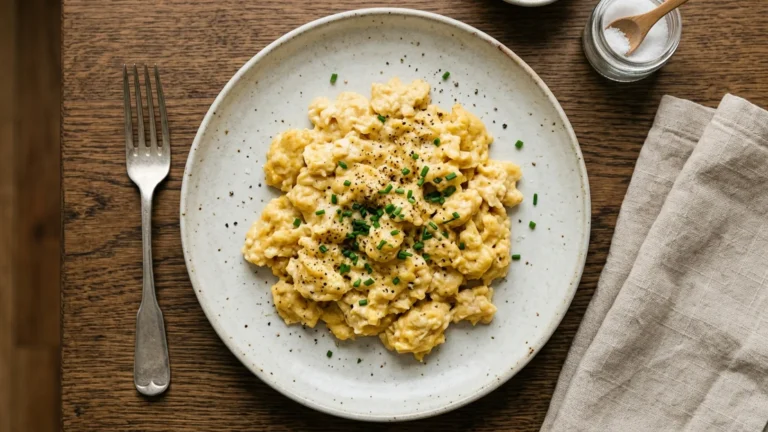
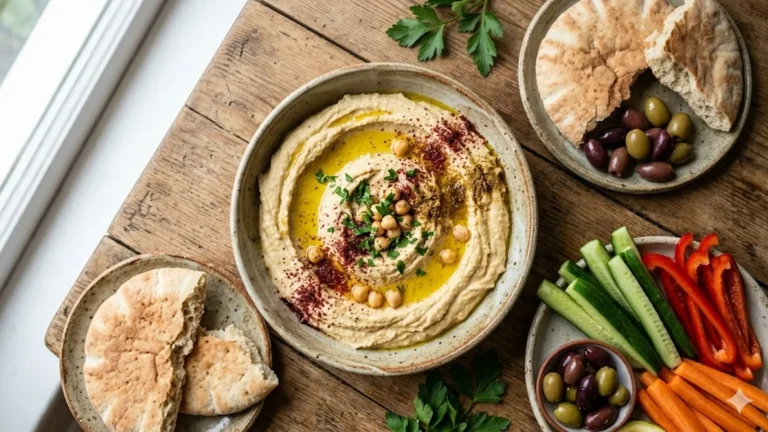
Breakfast can be tofu scramble, oats with hemp seeds and nut butter, or a smoothie with soy milk and a scoop of powder. Lunch might be a big grain bowl built on quinoa with chickpeas, a lentil soup, or a hearty bean salad. Dinner could center on tempeh stir-fry, a chickpea curry, a pot of black bean chili, or pasta with a lentil ragu. Snacks like edamame, roasted chickpeas, hummus with vegetables, or a handful of nuts each add several more grams. Stack a protein-rich breakfast, lunch, and dinner with a snack or two, and you easily clear 60 to 80 grams without effort. The pattern matters more than precision: lead with the protein food at each meal and the daily total looks after itself. For ready-to-cook ideas, the plant-based recipe library at Forks Over Knives is full of protein-forward meals, and the science-minded reviews at NutritionFacts.org are a solid place to fact-check protein claims you come across.
Common vegan protein mistakes to avoid
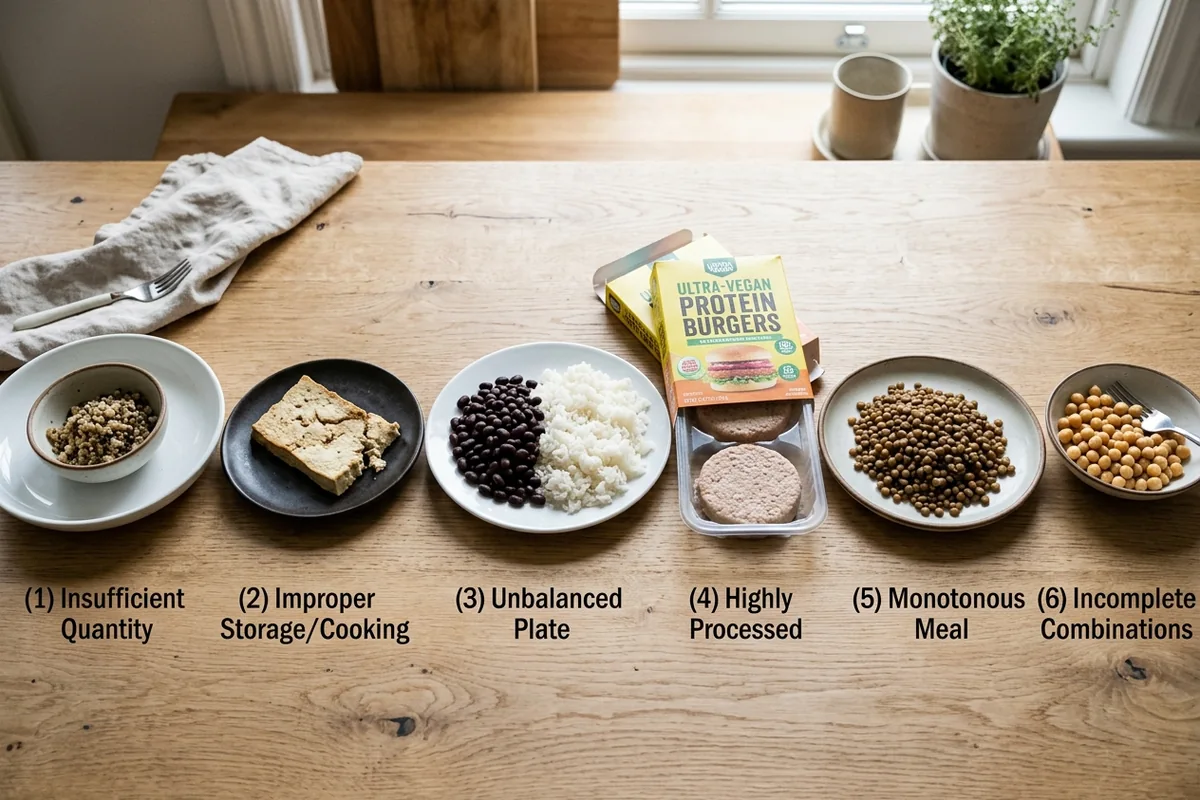
A few avoidable slip-ups are what actually cause protein to fall short on a plant-based diet, and they are easy to fix once you spot them. The most common is simply not eating enough total food. Plant proteins come bundled with fiber and water, which are filling, so a vegan eating too few calories can come up short on protein not because plants lack it but because they did not eat enough overall.
The second mistake is leaning too hard on snacky processed vegan foods, the chips, cookies, and mock meats that are low in protein, while skimping on beans, soy, and whole grains. A diet heavy in ultra-processed plant foods can miss the mark even when calories are adequate. The third is forgetting to vary protein sources, eating only one or two foods and missing the variety that ensures a full amino acid profile over the day. The fixes are straightforward: eat enough, build meals around whole protein-rich plants rather than packaged snacks, and rotate your sources across beans, soy, grains, nuts, and seeds. Do those three things and the protein math works out comfortably. Many new vegans also benefit from learning a few kitchen swaps, like the egg replacements in our vegan egg substitute guide, which keep protein-rich baking and cooking on track without animal products.
Vegan protein for athletes and muscle building
One of the most persistent myths is that you cannot build serious muscle on plants, and it simply is not true. Plenty of strength athletes, bodybuilders, and endurance competitors train and compete on fully plant-based diets, and the research is clear that plant protein supports muscle growth and recovery just as well as animal protein when total intake and calories are adequate. The body cares about getting enough protein and the full set of amino acids, not about whether they arrived from a cow or a chickpea.
For an athlete or anyone deliberately building muscle, the main adjustment is volume. Higher protein targets, often in the range of 1.4 to 2.0 grams per kilogram of body weight, mean you need to be more intentional about including a protein-dense food at every meal and snack. This is where soy foods earn their keep, since tofu, tempeh, edamame, and soy milk deliver a lot of complete protein per serving, and where a scoop or two of pea or soy protein powder becomes genuinely useful for closing the gap. Spreading protein across the day, rather than loading it all into one meal, helps the body use it efficiently for muscle repair. Lentils, beans, seitan for those who tolerate gluten, and high-protein grains like quinoa fill out the rest. The takeaway is that plant-based athletes do not need anything exotic, just more of the same protein-rich whole foods, eaten consistently, with powder as a convenient backstop on heavy training days.
Vegan protein on a budget
A quiet advantage of plant protein that rarely gets mentioned is how cheap the best sources are. Where animal protein tends to be the priciest item on a grocery bill, the most protein-dense plant foods are among the most affordable, which makes a high-protein vegan diet genuinely budget-friendly. Dried beans and lentils are the clearest example, costing very little per serving while delivering 15 to 18 grams of protein a cup, and a big pot of them stretches across several meals.
Buying staples in bulk amplifies the savings. Dried lentils, chickpeas, black beans, brown rice, oats, and peanuts keep for ages in the pantry and cost a fraction of their canned or pre-made equivalents. Tofu and tempeh are inexpensive sources of complete protein, and even nutritional yeast, bought in bulk, is an affordable way to add protein and a savory, cheesy flavor to dishes. Frozen edamame and peas are cheap, keep indefinitely, and add a quick protein boost to any meal. The pattern is that whole-food plant proteins, the same ones that are best for your health, also happen to be the kindest to your wallet, while the pricier route runs through processed mock meats and specialty products you do not actually need. Build your protein around dried legumes, soy staples, and bulk grains, and you eat well, hit your protein target, and spend less than a meat-based diet would cost.
Frequently asked questions
Can you get enough protein on a vegan diet?
Yes, easily. Plants supply all the protein and amino acids the body needs, and studies show vegans typically meet and exceed their daily protein requirements. The key is eating enough total food and including protein-rich plants like beans, lentils, soy, seitan, nuts, and seeds across the day. Most vegans get plenty without tracking.
What is the highest-protein vegan food?
Seitan tops the list at around 25 grams of protein per 100 grams, since it is made from concentrated wheat gluten. After that come soy foods like tempeh, tofu, and edamame, followed by lentils and beans at 15 to 18 grams per cooked cup. Seitan is off-limits for anyone avoiding gluten, so soy and legumes are the everyday staples.
Do vegans need to combine proteins at every meal?
No. The old advice to combine complementary proteins at one meal is outdated. Your body keeps a pool of amino acids and draws on what you eat throughout the day, so simply eating a variety of plant proteins over the course of a day covers all the essential amino acids. Combining still works but is not required.
Is vegan protein powder necessary?
Not for most people. Whole foods can supply all the protein you need. Vegan protein powder is a convenient top-up for athletes, busy schedules, or higher protein targets, especially blends that combine pea, soy, rice, or hemp protein for a complete amino acid profile. Treat it as a supplement to a whole-food diet, not a replacement.
Which plant proteins are complete?
Soybeans and soy foods (tofu, tempeh, edamame), quinoa, amaranth, buckwheat, hemp seeds, spirulina, and nutritional yeast are complete proteins, containing all nine essential amino acids. Including some of these makes hitting your amino acid needs effortless, though eating varied plant proteins across the day achieves the same result even with incomplete sources.
How much protein should a vegan eat per day?
A healthy adult needs roughly 0.8 grams per kilogram of body weight, about 50 to 60 grams for many people. Active individuals, athletes, and older adults benefit from more, around 1.2 to 1.6 grams per kilogram. All of these targets are very achievable on a varied plant-based diet that includes protein-rich foods at most meals.
The bottom line
Vegan protein is abundant, complete, and far easier to get than the old myths suggest. A varied plant diet built on beans, lentils, soy foods, seitan, whole grains, nuts, and seeds supplies every essential amino acid and comfortably clears most people’s daily needs, with protein powder available as a convenient top-up when targets run high. Forget the strict protein-combining rules, eat enough total food, lead each meal with a protein-rich plant, and rotate your sources across the week. Do that and the protein question quietly answers itself, leaving you free to enjoy plant-based eating without a shred of worry about coming up short. The whole protein scare turns out to be one of the easiest concerns to put to rest, because the foods that supply plant protein, beans, lentils, tofu, and whole grains, are also the affordable, nourishing staples that anchor a good plant-based plate anyway. Eat them regularly and the numbers take care of themselves.