Are vegans healthier than people who eat meat? On average, yes, but with an important condition: the advantage shows up when the diet is well planned, and it can vanish when it is not. Large studies consistently find that vegans tend to be leaner, with lower blood cholesterol, lower blood pressure, and a reduced risk of heart disease and type 2 diabetes compared with the general population. At the same time, a poorly planned plant-based diet can fall short on a handful of key nutrients, and a vegan who lives on chips, white bread, and sugary snacks is not healthier than a careful omnivore.
This guide separates what the research actually supports from the hype on both sides. It covers the documented benefits, the nutrients that need attention, the confounding factors that make these comparisons tricky, and the practical steps that turn “vegan” into “healthier.” The honest answer is more useful than a slogan, so we will stay grounded in the evidence throughout.
What the research says about vegan health benefits
The case that vegans are healthier rests on a fairly consistent body of population research. Large cohort studies that follow tens of thousands of people over years tend to find the same cluster of advantages, even after accounting for some lifestyle differences.
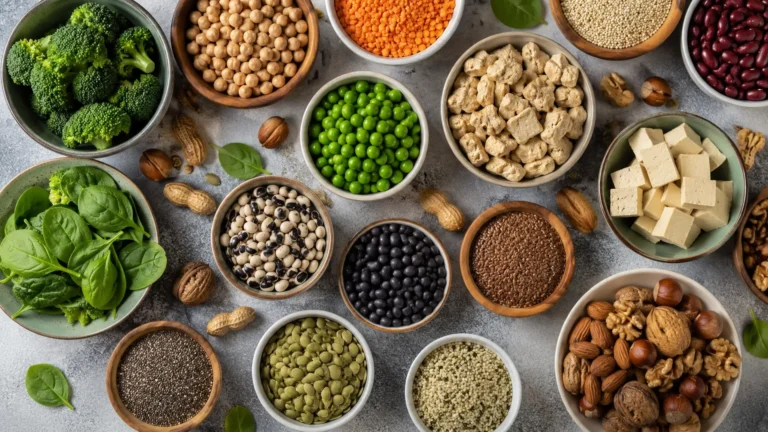
Vegans, as a group, are usually leaner than meat eaters, carrying a lower average body mass index. They tend to have lower total and LDL cholesterol, lower blood pressure, and lower rates of type 2 diabetes. Because diets built around vegetables, fruits, legumes, whole grains, nuts, and seeds are naturally high in fiber and low in saturated fat, those outcomes make biological sense rather than being a statistical fluke. The evidence-based resource nutritionfacts.org on heart disease compiles much of the research behind the cardiovascular side of this picture.
There is also a cancer angle. Diets high in red and processed meat are consistently linked to a higher risk of colorectal cancer, while higher legume intake, which vegans eat far more of, is associated with a modest reduction in colon and prostate cancer risk. None of this means a plant-based diet is a guarantee against disease, but the direction of the evidence is steady.
It is worth being precise about what these findings are and are not. They come mostly from observational studies, which can show strong associations but cannot prove cause and effect on their own. What gives them weight is consistency: different research groups, in different countries, following different populations, keep finding the same favorable pattern for plant-forward eating. When the dose-response relationship also makes sense, more plant foods tracking with better markers, the case grows stronger even without a single decisive trial. That is the realistic standard nutrition evidence is held to, and by that standard the plant-based advantage is credible rather than hyped.
| Health marker | Typical vegan pattern | Why it happens |
|---|---|---|
| Body weight (BMI) | Lower on average | High fiber, lower energy density |
| LDL cholesterol | Lower | Little to no dietary cholesterol, low saturated fat |
| Blood pressure | Lower | More potassium, less sodium-dense processed meat |
| Type 2 diabetes risk | Reduced | More fiber and whole foods, better weight control |
| Heart disease risk | Reduced | Lower cholesterol and blood pressure together |
The nutrients a vegan diet has to plan for
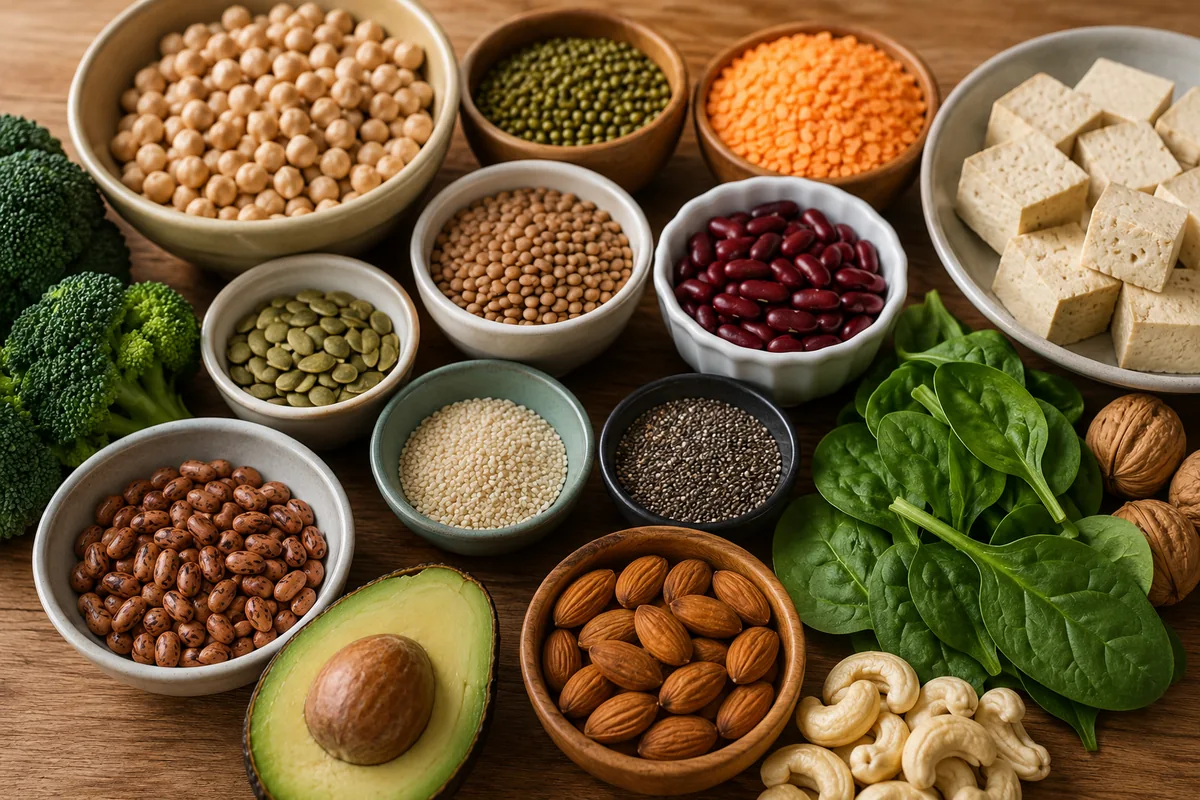
Here is where the honest answer earns its keep. A plant-based diet does not automatically supply every nutrient in the amounts a body needs, and a few gaps are well documented. The good news is that every one of them has a straightforward fix, so the issue is planning, not impossibility.
Vitamin B12 is the non-negotiable one. It is essentially absent from plant foods, and one large study found inadequate B12 status in a striking share of vegans who did not supplement, roughly 70 percent of men and over 80 percent of women under 55. Because a B12 deficiency can cause irreversible nerve damage if ignored, every vegan should take a reliable supplement or eat fortified foods. The research collected at nutritionfacts.org on vitamin B12 is clear that supplementation is the safe, simple answer rather than something to debate.
| Nutrient to watch | Why it matters | Plant-based fix |
|---|---|---|
| Vitamin B12 | Nerve and blood cell health; not in plants | Supplement or fortified foods, non-negotiable |
| Vitamin D | Bone and immune health | Sun, fortified foods, or a supplement in winter |
| Iron | Oxygen transport, energy | Lentils, tofu, pumpkin seeds plus vitamin C to absorb it |
| Calcium | Bone strength | Fortified plant milk, tofu set with calcium, leafy greens |
| Omega-3 (EPA/DHA) | Brain and heart health | Ground flax, chia, walnuts, or an algae oil supplement |
| Iodine | Thyroid function | Iodized salt or a measured kelp source |
| Zinc | Immune function | Beans, nuts, seeds, whole grains |
None of these require exotic foods. Iron comes from lentils, tofu, and pumpkin seeds, and pairing them with a source of vitamin C like bell pepper or citrus improves absorption. Calcium comes from fortified plant milk, calcium-set tofu, and leafy greens. Omega-3 fats come from ground flax, chia, walnuts, or an algae-based supplement. The plan is simple once you know the list.
The confounding factor most headlines skip
Before crediting the diet for everything, it is worth naming a problem that runs through almost all of this research: people who choose to go vegan are different from the average person in ways that have nothing to do with food. This is the single most overlooked caveat in the “vegans are healthier” conversation.
On average, vegans are more likely to exercise, less likely to smoke, more likely to be mindful of their overall health, and often have higher education and income. Each of those factors independently improves health outcomes. So when a study finds vegans have lower heart disease rates, part of that gap may come from the surrounding lifestyle rather than from removing animal products alone. Good studies try to adjust for these variables, but no statistical adjustment is perfect. The honest reading is that the plant-based diet is very likely a real contributor, but it is sharing the credit with a generally health-conscious lifestyle.
The junk-food vegan problem
The word vegan describes what is absent from a diet, not what is present, and that distinction matters enormously for health. A diet can be fully vegan and still be built almost entirely from refined and ultra-processed foods.
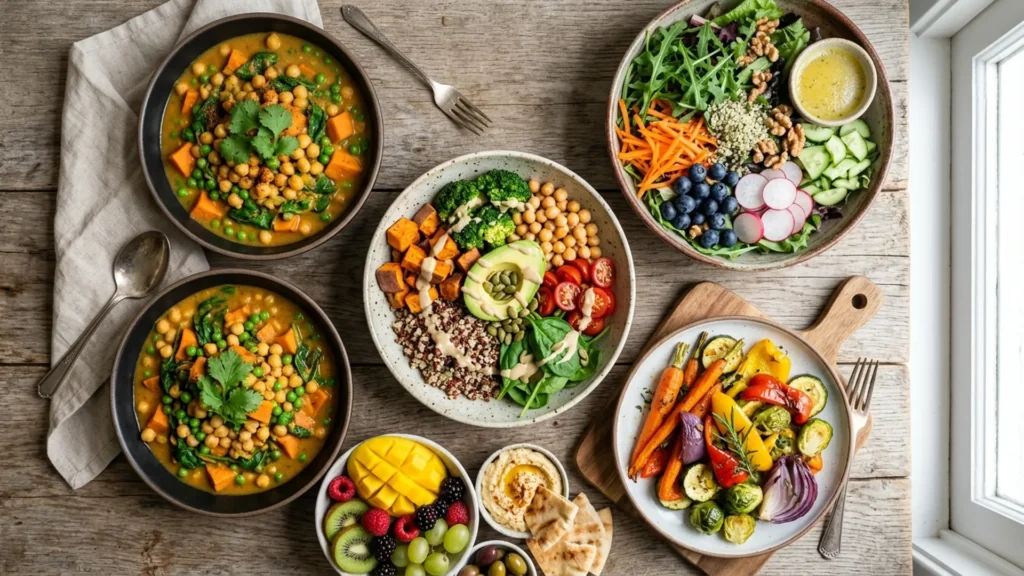
White bread, sugary cereals, fried snacks, soda, and the growing aisle of heavily processed meat substitutes are all vegan, and a diet centered on them carries the same risks as any other junk-heavy diet: weight gain, blood sugar swings, and poor nutrient density. The health benefits documented in research come from whole-food plant-based eating, the vegetables, legumes, whole grains, fruits, nuts, and seeds, not from simply swapping a beef patty for a processed one. A vegan who eats this way is genuinely healthier; a vegan who lives on packaged convenience food has given up most of the advantage. If you want a sense of how the plant foods do the heavy lifting, our look at whether tofu is healthy walks through what one staple actually brings to the table.
Where vegans clearly come out ahead
Some advantages of a well-planned vegan diet are strong enough to call out specifically. These are the areas where the research is most consistent and the mechanism is clearest.
Heart health is the standout. The combination of no dietary cholesterol, low saturated fat, and high fiber pushes cholesterol and blood pressure in the right direction, which is why plant-based diets are often recommended for people trying to reverse or manage heart disease. Weight management is another: the high fiber and lower calorie density of whole plant foods make it easier to feel full on fewer calories. Blood sugar control improves for many people as well, thanks to the fiber and the reduction in processed meat. Fiber intake itself is usually far higher on a vegan diet, which benefits digestion and the gut microbiome. The wellness library at forksoverknives collects a lot of practical guidance on putting these benefits into practice.
Where a vegan diet needs more care
Fairness cuts both ways. There are areas where vegans have to be more deliberate than omnivores, and pretending otherwise does no one any good.
Beyond the nutrient list above, two practical issues come up often. The first is protein distribution: while it is entirely possible to get enough protein on a vegan diet, it takes more intention to spread adequate protein across the day from beans, lentils, tofu, tempeh, seitan, and whole grains. Our guide to vegan protein sources lays out how much you actually need and where to get it. The second is bone health, since some cohorts have shown a slightly higher fracture risk in vegans, which appears to be largely explained by lower calcium and vitamin D intake rather than the diet itself. Both issues are solvable with the same planning that closes the nutrient gaps, but they are real reasons to pay attention rather than coast.
Who benefits most from going vegan?
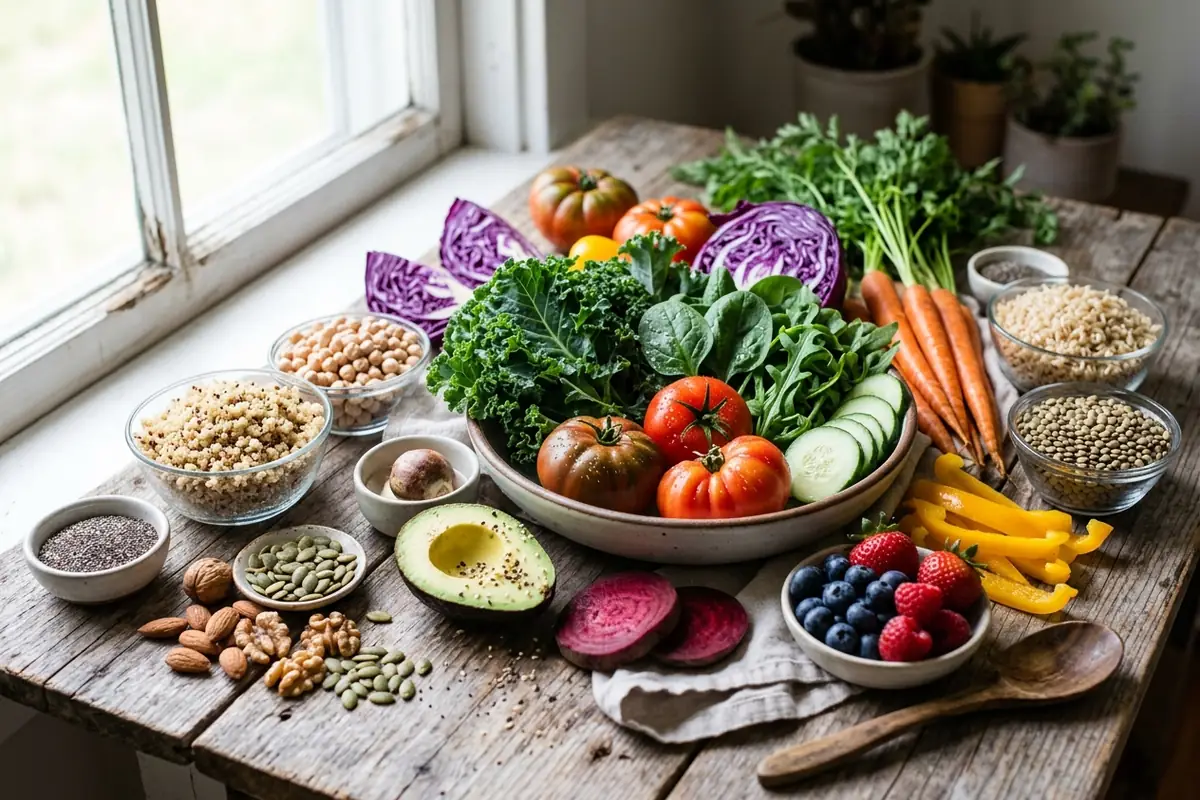
Not everyone gains the same amount from a plant-based diet, and being honest about that helps set expectations. The people who tend to see the biggest improvements are those moving away from a diet heavy in red meat, processed meat, and refined foods, because they have the most room to gain from the switch.
Someone with high cholesterol, high blood pressure, prediabetes, or excess weight often sees meaningful improvement on a whole-food plant-based diet, sometimes enough to change their relationship with medication under a doctor’s guidance. By contrast, a person who already eats a varied, mostly whole-food omnivorous diet with plenty of vegetables and little processed meat may see smaller changes, because they were already capturing many of the same benefits. The diet is a powerful tool, but the size of the payoff depends on the starting point. This is also why personal results vary so much in conversation: two people can both go vegan and report very different changes, simply because one was replacing a steak-and-soda routine and the other was already eating well. Judging the diet by a single anecdote misses that context, which is exactly why the population research is more reliable than any one person’s before-and-after story.
Vegan versus vegetarian versus omnivore: how they stack up
Most of the research that gets summarized as “vegans are healthier” actually compares several diet patterns at once, and the gradient is worth understanding. In broad strokes, the more a diet leans toward whole plant foods and away from red and processed meat, the better the cardiometabolic markers tend to look, with vegans usually at the favorable end and regular meat eaters at the other.
Vegetarians, who include eggs and dairy, typically land between vegans and omnivores on cholesterol and weight, partly because dairy adds saturated fat that strict plant-based diets avoid. Pescatarians and light meat eaters often do better than heavy red-meat eaters too. The takeaway is not that you must be fully vegan to be healthy, but that the direction of travel matters: shifting the plate toward plants moves the markers in a helpful direction even short of going all the way. If you are weighing the two plant-forward options, our comparison of vegan versus vegetarian breaks down the practical differences.
Practical steps that make a vegan diet genuinely healthier
Knowing that planning is the deciding factor, here is what good planning actually looks like in everyday eating. None of it is complicated, and the payoff is the difference between capturing the documented benefits and missing them.
Build meals around whole foods first. Make vegetables, legumes, whole grains, fruits, nuts, and seeds the base of most plates, and treat processed substitutes as occasional convenience rather than the foundation. Take a B12 supplement reliably, since this is the one gap you cannot close with food choices alone. Include a calcium and vitamin D source daily, especially if you do not get much sun, and add an omega-3 source like ground flax, chia, or an algae oil. Pair iron-rich plant foods with vitamin C, such as lentils with tomatoes or tofu with bell pepper, to improve absorption. Spread protein across the day rather than loading it into one meal, drawing on beans, lentils, tofu, tempeh, and whole grains.
Beyond the nutrients, the everyday habits that help any diet help here too: cook more at home so you control ingredients, read labels on packaged plant foods for added sodium and sugar, and keep variety high so you are not eating the same three things on repeat. A vegan who follows this short list is squarely in the group the research describes as healthier; a vegan who skips it is leaving the benefits on the table.
The bottom line: are vegans healthier?
On balance, the evidence says a well-planned vegan diet is associated with better heart health, healthier weight, lower blood pressure, and a reduced risk of type 2 diabetes and certain cancers. That is a genuine, research-backed edge. The two honest qualifications are that some of the advantage comes from the health-conscious lifestyle that often accompanies veganism, and that the benefit only holds when the diet is built on whole plant foods and rounded out with B12 and the other watch-list nutrients. Done that way, vegans really are healthier on average. Done carelessly, the label alone guarantees nothing. The diet is the tool; the planning is what makes it work. If you are considering the switch, the smartest move is to add the watch-list nutrients to your routine from day one rather than treating them as an afterthought, so the health advantage is there from the start instead of something you have to recover later.
Frequently Asked Questions
Are vegans actually healthier than meat eaters?
On average, well-planned vegans tend to be leaner with lower cholesterol, lower blood pressure, and reduced risk of heart disease and type 2 diabetes. The advantage depends on eating whole plant foods and supplementing B12, not just removing meat.
Do vegans live longer?
Some large studies link plant-based diets to lower rates of heart disease and certain cancers, which can support longevity. But the effect is intertwined with the generally health-conscious lifestyle many vegans follow, so the diet is one contributor rather than the only cause.
What nutrients do vegans lack?
The main ones to plan for are vitamin B12, vitamin D, iron, calcium, omega-3 fats, iodine, and zinc. Each has an easy plant-based fix, but B12 in particular requires a supplement or fortified foods because it is not present in plant foods.
Is a vegan diet healthy for everyone?
A well-planned vegan diet can be healthy at all life stages, but it requires more attention to certain nutrients. People who are pregnant, growing, or managing a medical condition should plan carefully and ideally check in with a healthcare professional.
Can you be an unhealthy vegan?
Yes. Plenty of refined and ultra-processed foods are vegan, so a diet built on fried snacks, soda, and processed substitutes can be unhealthy despite being fully plant-based. The documented benefits come from whole-food plant eating.
Do vegans get enough protein?
Most do with a little planning. Beans, lentils, tofu, tempeh, seitan, nuts, seeds, and whole grains supply plenty of protein, but vegans benefit from spreading protein sources across the day rather than relying on a single food.