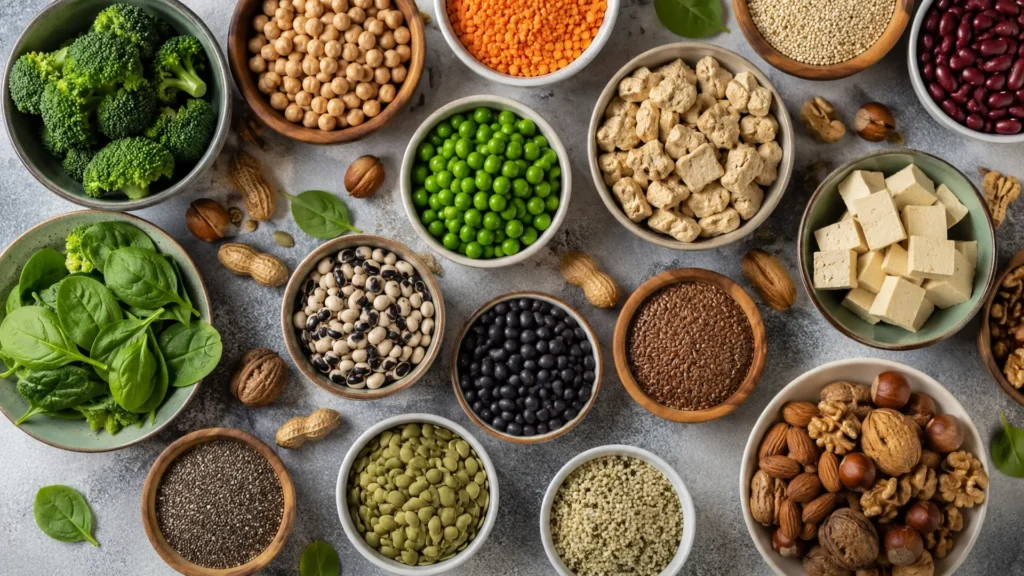
The question that follows every vegan around is some version of “but where do you get your protein?” The honest answer is: from a lot of places, and more easily than the question implies. High protein vegan foods are not exotic or hard to find. They are the beans, soy foods, grains, nuts, and seeds that already sit in most kitchens, and once you know the numbers, hitting your protein target on a plant-based diet stops being a worry and becomes routine.
This guide gives you the actual figures, grams of protein per realistic serving, organized so you can build meals on purpose. You will learn which plant foods pack the most protein, which ones are complete proteins, how to combine foods so you get every amino acid you need, and how much protein you should actually be aiming for. No vague reassurance, just a usable reference you can come back to.
How Much Protein Do You Actually Need?
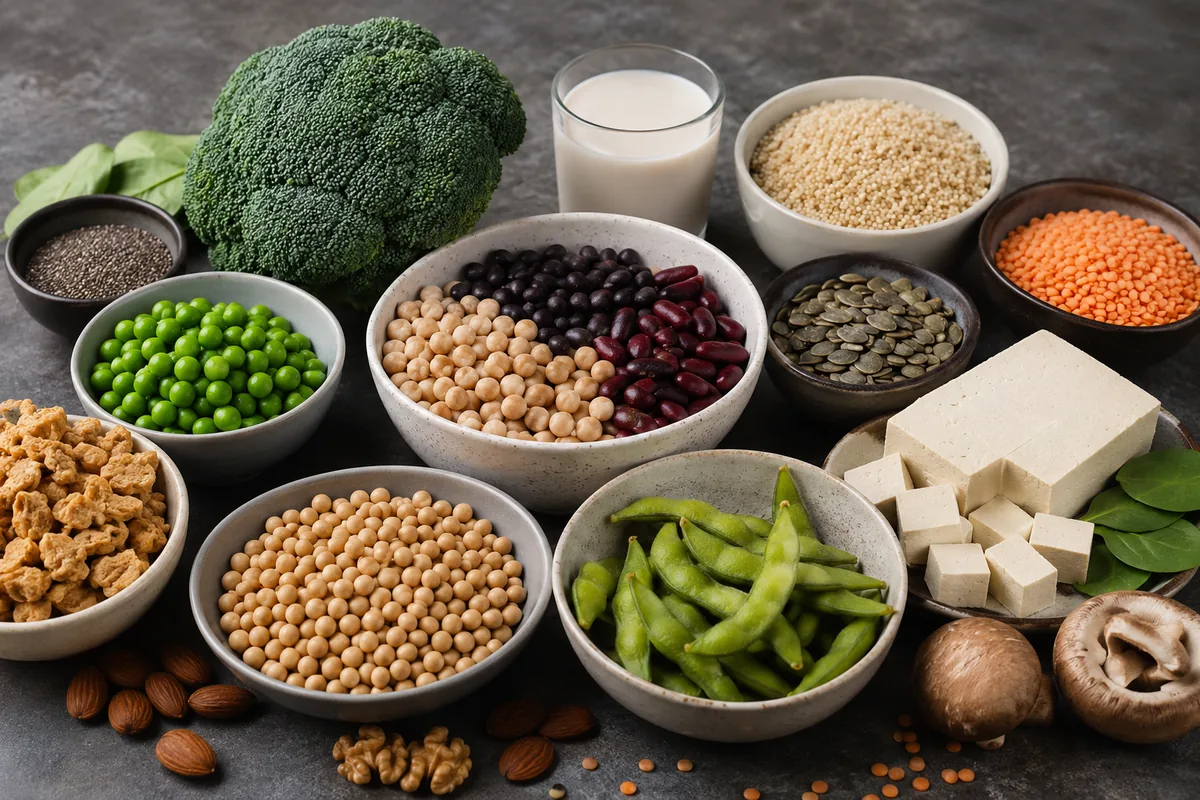
Before the food list, it helps to anchor the target, because the panic about plant protein usually comes from overestimating the requirement. A common baseline is about 0.8 grams of protein per kilogram of body weight per day for a sedentary adult, which works out to roughly 50 to 60 grams for many people. Active people, athletes, and older adults benefit from more, often in the range of 1.2 to 1.6 grams per kilogram. The point is that these are very achievable numbers on a varied vegan diet, not some unreachable ceiling.
The reassuring reality, supported by major nutrition bodies including The Vegan Society, is that a vegan diet built from a genuine variety of whole foods supplies more than adequate protein and all the essential amino acids. A useful rule of thumb is to include a high-protein plant food at every meal, and you will land in range without counting obsessively.
The Highest Protein Vegan Foods by Category
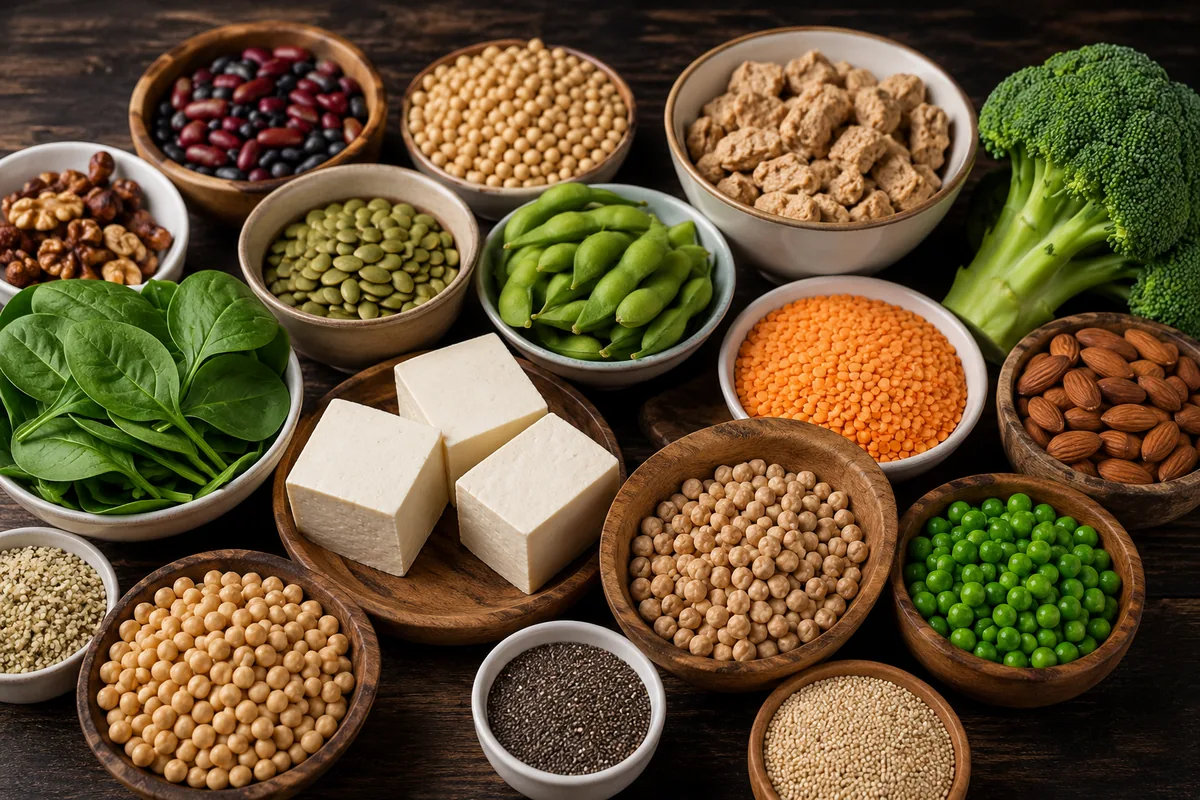
Plant proteins cluster into a few families. Knowing the standouts in each lets you mix and match all day. The figures below are approximate and per common serving.
Soy Foods: The Heavyweights
Soy is the densest plant protein and, importantly, a complete protein on its own, meaning it contains all nine essential amino acids.
| Food | Serving | Protein |
|---|---|---|
| Tempeh | 1/2 cup | 15 g |
| Tofu (firm) | 1/2 cup | 10-11 g |
| Edamame | 1/2 cup | 8-9 g |
| Soy milk | 1 cup | 7-8 g |
Legumes: The Everyday Backbone
Beans, lentils, and peas are affordable, filling, and high in both protein and fiber. They are not complete proteins alone, but that is easily solved (see below).
| Food | Serving | Protein |
|---|---|---|
| Lentils | 1 cup cooked | 18 g |
| Black beans | 1 cup cooked | 15 g |
| Chickpeas | 1 cup cooked | 15 g |
| Kidney beans | 1 cup cooked | 15 g |
| Green peas | 1 cup cooked | 8-9 g |
Grains, Nuts, and Seeds
These contribute steady protein and round out a meal, and a couple of them, like quinoa, are complete on their own.
Seitan deserves a special mention as the single most protein-dense option on the list, since it is essentially concentrated wheat protein. The catch is that it contains gluten, so it is off the table for anyone with celiac disease or gluten sensitivity, who should lean on soy and legumes instead.
Why Soy Foods Earn Their Reputation
If you take one category seriously, make it soy. Tempeh, tofu, edamame, and soy milk give you the most protein per calorie of any plant family, and unlike most plant foods, soy is a complete protein, so it stands on its own without any pairing. That combination of density and completeness is why soy is the workhorse of high-protein vegan eating, and why skipping it for no medical reason makes the daily target noticeably harder to reach.
Each soy food brings something different. Tempeh is the densest and chewiest, ideal as a meaty centerpiece. Firm tofu is endlessly versatile, crisping in a pan or blending into creamy sauces. Edamame is the easy win, a handful of pods adding protein with zero cooking skill required. Soy milk quietly contributes protein to smoothies, oats, and coffee where almond and oat milks fall short. Concerns about soy in moderate amounts have not held up in the research for most people, so unless you have a specific allergy or medical reason, soy is one of the best tools in a plant-based kitchen.
Complete vs Incomplete Proteins, Demystified
You may have heard that plant proteins are “incomplete,” and this is where a lot of needless anxiety comes from. A complete protein contains all nine essential amino acids in good amounts. Soy, quinoa, and hemp are complete on their own. Most other plant foods are lower in one or two amino acids, which is what “incomplete” means, but this is far less of a problem than it sounds.
The old idea that you must carefully combine proteins at every single meal has been retired. Your body maintains a pool of amino acids, so as long as you eat a variety of plant proteins across the day, the gaps fill in naturally. The classic pairing of legumes plus grains, think beans and rice, or hummus on whole grain bread, happens to cover the full amino acid profile, but you do not have to engineer it meal by meal. Just eat a range, and completeness takes care of itself.
Building High Protein Vegan Meals
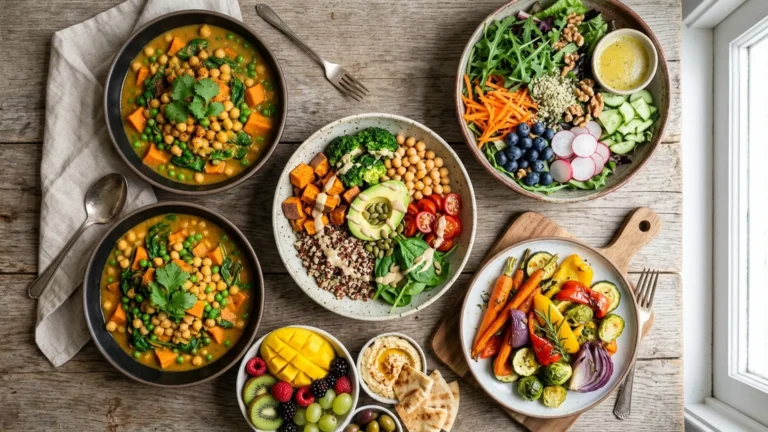
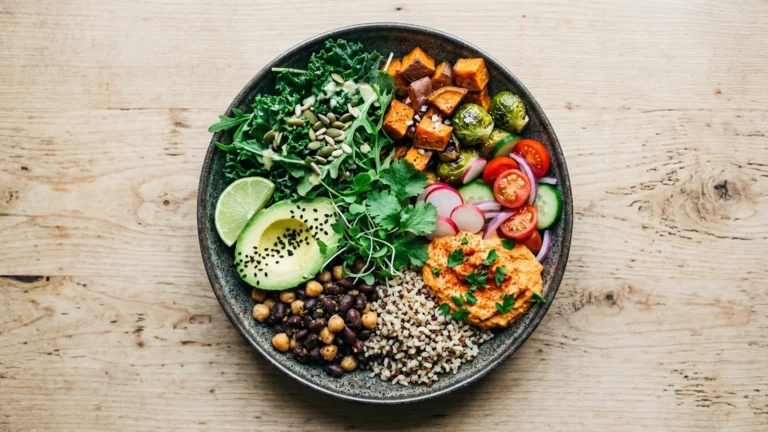
Numbers only matter if they turn into food. The easiest approach is to anchor each meal with one or two protein-dense foods and let everything else fill in around them. A breakfast of oats with hemp seeds and peanut butter, a lunch bowl of lentils and quinoa, and a dinner of pan-fried tempeh with vegetables and rice already clears 50 grams without effort.
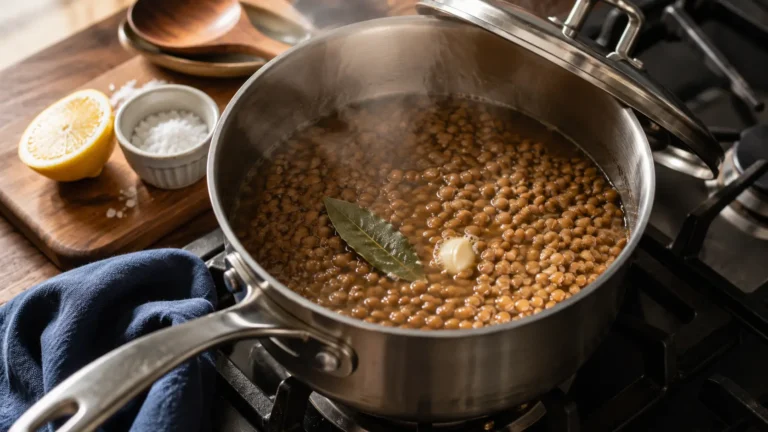
Cooking technique is half the battle, because protein you cannot make taste good is protein you will not eat. Learning how to cook tofu so it crisps, mastering tempeh, and knowing how to cook lentils so they hold their shape turns the foods in the tables above into meals you actually look forward to. For a deeper comparison of the options ranked by density, our companion guide to vegan protein sources lines them up side by side, and authoritative overviews of dietary protein confirm that varied plant sources meet needs comfortably.
High Protein Vegan Snacks
Snacks are where a lot of people fall short, defaulting to crackers or fruit that add little protein. Because snacks account for a surprising share of daily calories for most people, making even one of them protein-forward closes a gap that no amount of tinkering with main meals can. A few simple swaps fix that. Roasted chickpeas, edamame, a handful of almonds, hummus with vegetables, soy yogurt, and homemade energy balls with peanut butter and hemp seeds all push protein up between meals. Crispy roasted chickpeas in particular are a satisfying crunchy snack, and they sit comfortably alongside other high-protein keto snacks when you want something more filling than chips. If you also avoid gluten, plenty of naturally gluten-free snacks and sides double as protein boosters.
Protein Quality, Not Just Quantity
Total grams matter, but so does how well your body can use the protein, and this is where smart plant eating quietly shines. Two factors influence quality: the amino acid profile and digestibility. Soy and quinoa score well on both, which is part of why they feel so satisfying. Legumes are slightly lower in the amino acid methionine, while grains are slightly lower in lysine, and these two families happen to complement each other perfectly, which is the science behind the time-honored beans-and-grains pairing found in cuisines around the world.
Cooking and processing also affect how much protein you absorb. Sprouting, fermenting, and thorough cooking all improve digestibility, which is another reason fermented tempeh and well-cooked lentils punch above their weight. You do not need to optimize any of this consciously. A diet that includes soy, a rotation of legumes, some grains, and a scatter of nuts and seeds automatically covers quality as well as quantity. The takeaway is simply that variety is doing more work than any single hero food could.
Affordable High Protein Vegan Eating
One of the underrated advantages of plant protein is cost. Dried lentils, beans, and oats are among the cheapest foods in any store on a per-gram-of-protein basis, far less expensive than most animal proteins. Buying dried legumes and cooking them in batches drops the price further, and tofu and tempeh remain budget-friendly even when bought ready-made. A pot of lentils, a bag of rice, and a block of tofu can anchor a week of high-protein meals for very little money.
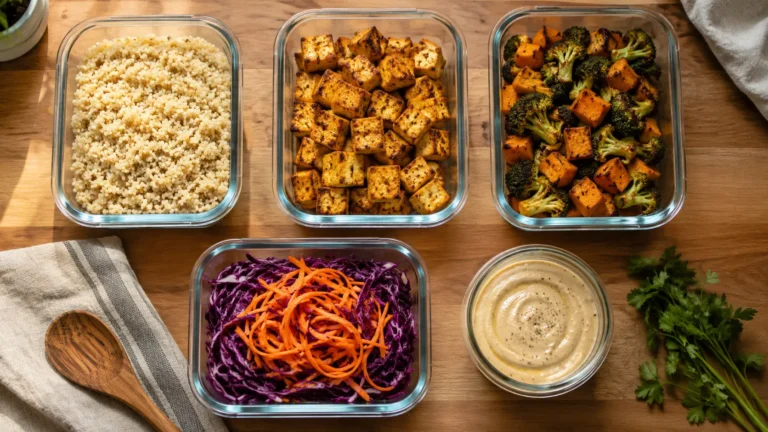
The trick to eating this way affordably is preparation. Cooking a large batch of beans or grains at the start of the week means the protein is ready to drop into bowls, wraps, soups, and stir-fries without daily effort or the temptation to grab something less nourishing. Frozen edamame, canned beans for backup, and a jar of peanut butter round out a pantry that can produce a protein-rich meal at almost any moment, proving that eating well on plants is as kind to your budget as it is to your goals.
Protein for Specific Goals
How you prioritize protein shifts a little depending on what you are after.
- Building muscle: Aim higher, around 1.4 to 1.6 grams per kilogram, and front-load dense sources like seitan, tempeh, tofu, and lentils. Spreading protein across all meals helps more than loading it into one.
- Weight management: Protein is filling, so legumes and soy foods help curb hunger. Their fiber adds to the effect, keeping you satisfied on fewer calories.
- Lower-carb eating: Tofu, tempeh, edamame, and seitan deliver protein with relatively few carbs, which is why they anchor many lower-carb plant-based plans.
- Busy schedules: Lean on canned beans, pre-baked tofu, and edamame, which need almost no preparation and still hit big protein numbers.
A Sample High Protein Day
Seeing the numbers add up over a real day removes any lingering doubt. Here is one straightforward plan that lands well above 80 grams without any specialty products or careful combining.
| Meal | What’s On the Plate | Protein |
|---|---|---|
| Breakfast | Oats with soy milk, hemp seeds, peanut butter | ~22 g |
| Lunch | Lentil and quinoa bowl with vegetables | ~26 g |
| Snack | Roasted chickpeas and a handful of almonds | ~14 g |
| Dinner | Pan-fried tempeh, brown rice, greens | ~22 g |
That comes to roughly 84 grams from ordinary, affordable foods, and there is plenty of headroom to push higher by adding edamame, soy yogurt, or a second serving anywhere. Notice that no meal relies on a protein powder or a faux-meat product; those can help, but they are optional extras rather than the foundation. The foundation is whole plant foods eaten in real portions.
Do You Need Protein Powder?
Vegan protein powders made from pea, soy, rice, or hemp are convenient, and they can be useful for athletes with high needs or anyone struggling to eat enough whole-food protein around training. But they are a supplement, not a requirement. Most people meet their needs entirely from food, and whole foods bring fiber, micronutrients, and satiety that a scoop of powder does not. Treat powder as a backup for busy days or hard training, not as a daily crutch, and your diet stays more varied and more satisfying for it.
Common Mistakes That Leave You Short
If your plant-based protein feels low, it is usually one of these habits rather than a flaw in the diet itself.
- Relying on salads and fruit. Vegetables and fruit are wonderful but light on protein. Every meal needs a real protein anchor.
- Skipping soy. Soy foods are the most efficient plant proteins, and avoiding them for no medical reason makes the target harder.
- Under-portioning beans. A token spoonful of beans does little. A full cup of lentils delivers 18 grams.
- Forgetting snacks. Two or three protein-light snacks a day add up to a real gap. Make at least one of them protein-forward.
Frequently Asked Questions
What is the highest protein vegan food?
Seitan, made from wheat gluten, is the most protein-dense common vegan food, with roughly 20 to 25 grams per 3-ounce serving. Among soy foods, tempeh leads at about 15 grams per half cup. Lentils top the legume category at around 18 grams per cooked cup. Seitan is the densest overall, but it contains gluten, so those avoiding gluten should rely on soy and legumes instead.
Can you build muscle on a vegan diet?
Yes. Building muscle requires enough total protein and resistance training, and both are entirely compatible with a vegan diet. Aim for the higher end of protein intake, around 1.4 to 1.6 grams per kilogram of body weight, and lean on dense sources like seitan, tempeh, tofu, lentils, and soy. Spreading protein across meals and eating enough total calories matters more than where the protein comes from.
Are plant proteins complete?
Soy, quinoa, and hemp are complete proteins on their own, containing all nine essential amino acids. Most other plant foods are slightly lower in one or two amino acids, but this is not a practical problem. Eating a variety of plant proteins across the day, rather than combining them at every meal, easily covers the full amino acid profile, since the body pools amino acids from different foods.
How can I get 100 grams of protein a day as a vegan?
It is very doable with dense sources at each meal. For example, a cup of lentils (18 g), a half cup of tempeh (15 g), a half cup of firm tofu (11 g), a cup of cooked quinoa (8 g), two tablespoons of peanut butter (8 g), three tablespoons of hemp seeds (10 g), a cup of black beans (15 g), and soy milk and oats across the day pushes well past 100 grams. Anchoring every meal and snack with protein is the key.
The Bottom Line
High protein vegan foods are everywhere once you know where to look: soy foods and seitan at the top, legumes as the dependable backbone, and grains, nuts, and seeds filling in the rest. Hit your daily target by anchoring every meal and snack with one of these, eat a genuine variety so your amino acids stay complete, and the protein question answers itself. Keep this list handy, build a few go-to high-protein meals, and you will never have to wonder whether plants can carry the load. They can, easily. The shift in mindset is the real win: instead of asking whether you can get enough protein without animal products, you start asking which delicious plant source to anchor your next meal around. Once a handful of high-protein staples become second nature in your kitchen, the daily target stops being a calculation and becomes a habit you barely notice, leaving you free to focus on flavor, variety, and meals you genuinely enjoy.