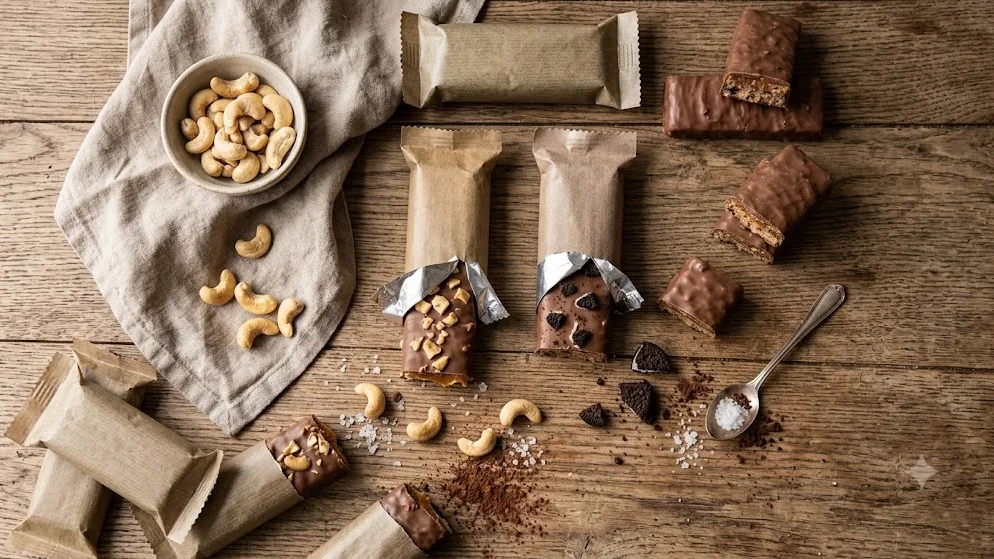
Barebells caramel cashew and cookies are usually thrown into one search, yet they are two different animals, and picking the wrong one is the most common mistake shoppers make at the checkout shelf. Caramel Cashew is a single, salty-sweet solo flavor that helped launch the brand. The cookies side is actually a small family: the classic Cookies and Cream, plus the newer Cookies and Caramel with its cookie-and-chocolate core. Both headline the same promise, 20 g of protein per bar and no added sugar, but they taste, chew, and behave in a bowl very differently. This guide separates them, weighs the numbers, and hands you a way to turn a bar into a warm dessert.
The confusion is worth clearing up because the label wording, the sweetener list, and even the country of origin line all read alike across the range. That similarity is exactly why a side-by-side matters.
Quick answer: Barebells caramel cashew and cookies both deliver 20 g of protein and no added sugar per 55 g bar, but Caramel Cashew leans salty-nutty, while Cookies and Caramel is a sweeter milk-chocolate bar with a crisp cookie core. All of them use maltitol, so the label carries a laxative warning if you eat too many. For most people, Caramel Cashew suits a savory-leaning snack and the cookies flavors read more like dessert. A copycat version lets you skip the maltitol entirely.
Caramel Cashew vs Cookies and Cream vs Cookies and Caramel: which bar you actually grabbed
Three bars, one search box, and a lot of shelf regret. Caramel Cashew is the salted, nut-forward solo flavor with a soft caramel layer and a chocolate coating. Cookies and Cream is the pale, biscuit-speckled classic that reads like a candy bar. Cookies and Caramel is the newest of the trio, built with a milk chocolate coating, a smooth caramel layer, a crunchy crisp, and a cookie-and-chocolate core. If you wanted nutty and a touch savory, you wanted the first. If you wanted a dessert that hides its protein, you wanted one of the cookies pair. They share the 20 g protein, no added sugar spine, so the split comes down to flavor architecture, not macros.
- Caramel Cashew: salty cashew, soft caramel, chocolate shell, one solo flavor.
- Cookies and Cream: vanilla-cream biscuit profile, the long-standing classic.
- Cookies and Caramel: milk chocolate coat, caramel layer, crisp, cookie core, newest release.
For a broader dessert-swap mindset, the same logic that governs a low-carb tofu cheesecake without cream cheese applies here: match the flavor to the craving, then check whether the numbers fit your day.
Reading the panel: 200 kcal, 20 g protein, and where the 18 g of carbs hide
The Caramel Cashew panel is the reference point for the whole range. One 55 g bar (1.94 oz) lands at about 200 kcal, carrying 8 g of fat with 3 g saturated, 18 g of carbohydrate, 3 g of fiber, 1 g of sugar, and 20 g of protein. Retail listings widen that calorie figure slightly to a 200 to 210 kcal band, which is normal rounding across sellers. The number that surprises people is the 18 g of carbohydrate sitting next to a claimed 1 g of sugar. That gap is filled by sugar alcohols and added fibers, not by table sugar, which is the whole point of the no added sugar positioning.
Here is the compact picture for the flavor that anchors the line.
- Calories: about 200 kcal per 55 g bar (200 to 210 kcal in retail listings).
- Protein: 20 g.
- Carbohydrate: 18 g total, with 3 g fiber and 1 g sugar.
- Fat: 8 g total, 3 g saturated.
Cookies and Caramel keeps the same 20 g protein and no added sugar headline, so if you are counting protein first, the two flavors are interchangeable. The difference you feel is texture and sweetness, not the macro spine. When you want the protein to arrive with actual vegetables and fiber instead of a wrapper, a bowl like this sweet potato and chickpea taco salad does a different job for the same slot in your day.

The “no added sugar” claim decoded: maltitol, polydextrose, and the laxative line
No added sugar does not mean no sweeteners, and this is where honest reading matters. Barebells bars reach their sweetness with sugar alcohols and added fibers rather than cane sugar, which is why the sugar line can say 1 g while total carbohydrate says 18 g. The U.S. Food and Drug Administration treats polyols, the sugar alcohols, as separate from added sugars on the Nutrition Facts label, so a product can legitimately claim no added sugar while still tasting sweet. Environmental Working Group’s Food Scores entry for this exact bar flags added fiber from polydextrose alongside the low-calorie sweeteners sucralose and maltitol, which is a fair summary of how the panel is engineered.
The catch is maltitol. Barebells lists it as an ingredient, and the label itself warns that excess consumption may have a laxative effect. That is not marketing caution; it tracks the FDA position on polyols and the digestive tolerance issue.
You can read the regulator directly. The FDA explains the sugar alcohol warning in its interactive Nutrition Facts guidance on sugar alcohols, and the added-sugars context sits in its final guidance on declaring added sugars. Cleveland Clinic covers the broader digestive and health picture of sugar alcohols in its consumer explainer.
Practical translation: one bar is fine for the vast majority of people. Eating several in a row is where the maltitol tolerance question shows up, and it varies person to person. If you have a sensitive gut, treat two bars back to back as your ceiling until you know how you react. The Cleveland Clinic write-up is a sober read if you want the medical framing rather than a wrapper warning.
Allergens and origin: milk, cashew, peanut, and a “Croatia or United States” label
Allergen labeling on these bars is broad, and cross-contact is the reason. The Caramel Cashew product page states the bar contains milk, cashew, and peanuts. Beyond those three, it is produced in a facility that also handles wheat and gluten, soy, sesame, other tree nuts, and eggs. That facility list matters more than the headline allergens for anyone with a severe reaction, because shared lines mean trace exposure is possible even in a flavor that does not name your allergen.
- Contains: milk, cashew, peanuts.
- Shared facility: wheat and gluten, soy, sesame, other tree nuts, eggs.
- Origin line: “Croatia or United States” per the label.
The origin wording throws people off. The manufacturer’s nutrition-values page lists the country of origin as Croatia or United States, meaning production runs on both sides of the Atlantic and the exact bar in your hand depends on the batch. It is not a typo, and it does not change the recipe. If you are avoiding gluten, note that the bars are not celiac-safe by default because of the shared line, even though wheat is not a listed ingredient in these flavors.
Taste and texture, honestly: salty caramel versus a candy-bar cookie core
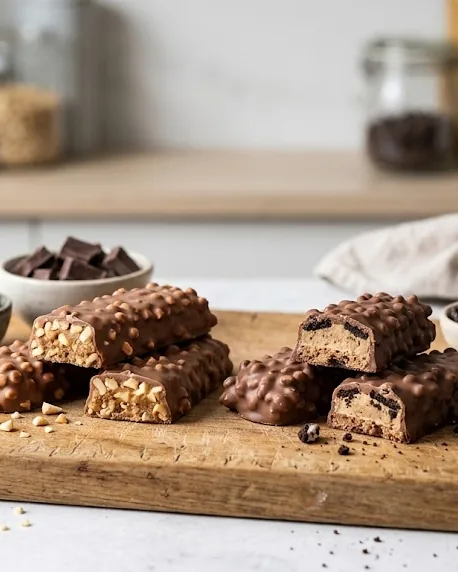
Flavor is where the two sides of this search truly diverge, and the reviews back it up. Caramel Cashew reads salty-sweet, with real cashew bite against a soft caramel and a firm chocolate coating; it is the flavor for people who find most protein bars cloying. Cookies and Caramel goes the other way. Its milk chocolate coating, smooth caramel layer, crunchy crisp, and cookie-plus-chocolate core stack into something that eats like a candy bar, which is exactly why it stands out as a favorite among the flavors. That popularity is the clearest signal that the cookies direction is the crowd-pleaser, while Caramel Cashew is the connoisseur pick.
Texture-wise, the contrast is chew versus crunch:
- Caramel Cashew: chewy caramel, nut fragments, denser bite, less sweet finish.
- Cookies and Caramel: layered crisp and caramel, snappier, distinctly sweeter.
Neither is chalky, which is the usual complaint against high-protein bars, because the whey and caseinate base plus the fat coating keep the mouthfeel closer to confectionery than to a supplement. If your goal is a genuine dessert stand-in, the cookies flavor wins on sweetness; if you want something that reads more like a nut-and-caramel snack, Caramel Cashew is the one.
Cookies and Caramel profile: milk chocolate, caramel layer, crisp, cookie-chocolate core
Protein both flavors: 20 g per bar
Sugar claim both flavors: no added sugar
Caramel Cashew energy: ~200 kcal per 55 g bar
Sweetener system: maltitol plus sucralose (EWG Food Scores)
Added fiber: polydextrose (EWG Food Scores)
Label warning: excess consumption may have a laxative effect
Price, pack sizes, and where the variety bundles make sense
Formats drive the real cost per bar, and this range sells in a few predictable configurations. You will find Caramel Cashew and the cookies flavors as single bars, in 12-count boxes, and in 24-count cases, plus variety packs and bundles that fold Caramel Cashew together with Cookies and Cream. The bundle is the smart buy if you cannot decide between the salty and the sweet camps, because it lets you sample both without committing a full box to one flavor. Buying by the case is where the per-bar price drops, so the decision is really about how confident you are in the flavor.
- Single bar: lowest commitment, highest per-bar cost, good for a first taste.
- 12-count box: the standard middle option for a flavor you already like.
- 24-count case: best per-bar value for a committed favorite.
- Variety pack or bundle: mixes Caramel Cashew with Cookies and Cream to hedge your bet.
If you are stocking a snack drawer for a household with mixed tastes, the variety bundle solves the argument before it starts.
Copycat protein caramel cashew “bar” you can crumble over dessert
The one thing neither the brand page nor the retail listings give you is a kitchen angle, so here it is. You cannot legally or practically reverse-engineer the exact bar at home, but you can build a no-bake caramel cashew protein bite that skips maltitol entirely, which sidesteps the laxative concern for anyone who eats several. The method is simple: bind a scoop of vanilla or unflavored protein powder with a nut butter and a date-based caramel, fold in chopped roasted cashews, press into a pan, chill, and coat with melted dark chocolate. Because you control the sweetener, you can lean on dates or a small amount of maple rather than sugar alcohols.
Serving ideas that turn a bar, homemade or store-bought, into an actual dessert:
- Crumbled cold over plant yogurt or ice cream for crunch and a protein bump.
- Warmed briefly so the caramel softens and the chocolate goes glossy, then eaten with a spoon.
- Chopped into an overnight oats jar the night before for a grab-and-go breakfast.
One caution if you warm and eat several store bars at once: you are also stacking maltitol, and heat does not change how your gut handles it. Keep the warmed-dessert move to a single bar. For a from-scratch sweet that already sidesteps the sweetener debate, the fudgy avocado brownies are a cleaner base to crumble those cashews over.
Who each flavor is for, and when in the day it fits
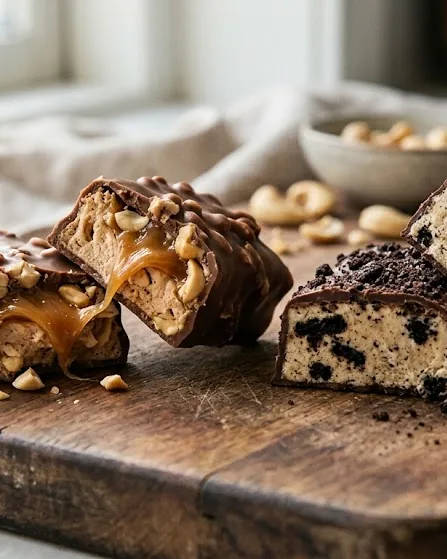
Timing and purpose separate these bars as much as flavor does. Caramel Cashew, with its salty edge and 20 g of protein for about 200 kcal, works well as a post-workout refuel or a mid-afternoon savory-leaning snack when a sweet bar would feel like too much. The cookies flavors, being distinctly sweeter, slot better into the dessert-replacement role, the after-dinner craving you want to answer without a full candy bar. Neither is a meal, and neither should be treated as one; they are engineered snacks with a strong protein-to-calorie ratio, not balanced plates.
- Pre or post workout: either flavor, for the 20 g protein.
- Afternoon snack: Caramel Cashew, for the less-sweet, salty profile.
- Dessert swap: Cookies and Caramel or Cookies and Cream, for the candy-bar sweetness.
Alternatives exist if these do not fit. Grenade and Pure Protein occupy the same high-protein, low-sugar shelf, and both are worth a look if maltitol bothers you or you want a different flavor system. Comparison shopping across two or three brands is the honest move rather than assuming one brand owns the category.
The verdict: salty solo or sweet cookie, and how to choose fast
If you remember one thing, make it this. Barebells caramel cashew and cookies are not rivals so much as two answers to two different cravings, and the tiebreaker is sweetness, not protein. Caramel Cashew is the salty-nutty pick for people who dislike dessert-flavored bars. Cookies and Caramel is the candy-bar experience with a cookie core. Both give you 20 g of protein and no added sugar, both use maltitol, and both carry the same broad allergen profile. Buy the bundle if you are undecided, watch your quantity for gut comfort, and use the copycat route when you want the flavor without the sugar alcohols.
For a warming, no-bar snack on a cold day, a bowl of cozy black bean and sweet potato soup covers a different hunger entirely while still keeping protein on the plate.
Are Barebells caramel cashew and cookies bars keto?
Not strictly. A Caramel Cashew bar has 18 g of total carbohydrate, with 3 g fiber and 1 g sugar, and the rest from sugar alcohols. Depending on how you count net carbs, one bar may fit a low-carb day, but the maltitol and added fiber mean it is not a clean keto product. Check your own targets before committing.
Are these bars vegan or gluten-free?
No on both. The bars contain milk and are made with whey and caseinate, so they are not vegan. They are also produced in a facility that handles wheat and gluten, so they are not safe for celiac diets even though wheat is not a listed ingredient in these flavors. Cross-contact risk is real here.
How many Barebells bars can I eat per day?
There is no fixed limit, but the practical answer is driven by maltitol. The label warns that excess consumption may have a laxative effect, and the FDA associates polyols with that outcome. One bar suits almost everyone; two back to back is a reasonable ceiling if your gut is sensitive. Space them out and you will likely be fine.
Where are Barebells bars made?
The label lists the country of origin as “Croatia or United States,” meaning production runs on both sides of the Atlantic. The exact bar you buy depends on the batch, not the flavor. It is not a printing error, and the recipe does not change between the two origins, so you get the same product either way.
What is the difference between Cookies and Cream and Cookies and Caramel?
Cookies and Cream is the long-standing classic with a vanilla-cream biscuit profile. Cookies and Caramel is the newer release, built with a milk chocolate coating, a smooth caramel layer, a crunchy crisp, and a cookie-and-chocolate core. Both keep 20 g of protein and no added sugar. The caramel version is sweeter and more layered in texture.
Is the “no added sugar” claim honest given the 18 g of carbs?
Yes, technically. The FDA does not count sugar alcohols as added sugars, so a bar sweetened with maltitol and sucralose can claim no added sugar while showing 18 g total carbohydrate and only 1 g sugar. EWG Food Scores flags the polydextrose fiber and the sweeteners. The claim is accurate; it just is not the same as low-carb.
Sugar alcohol tolerance and digestive effects vary between people. The FDA, EWG Food Scores, and Cleveland Clinic materials referenced above give the regulatory and health context; if you have a medical condition or a sensitive gut, treat this as general information and check with a professional.