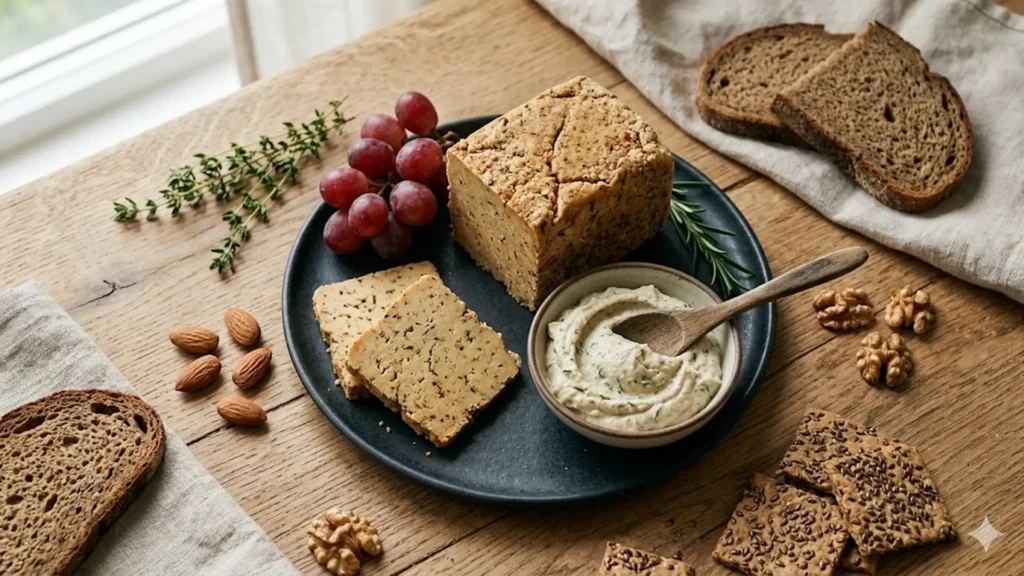
What is vegan cheese made of? At its core, vegan cheese is built from a plant fat or protein base, usually soaked cashews, coconut oil, soy, or tofu, blended with a binder like tapioca or agar, an acid for tang, and nutritional yeast for that savory, cheesy flavor. Swap the dairy for one of those plant bases, add the right binder, and you can land anywhere from a spreadable cream cheese to a stretchy pizza melt.
I have made vegan cheese in my own kitchen more times than I can count, and I have read more confusing store labels than I would like. The honest truth is that every vegan cheese, from a five-dollar block at the store to a cultured artisan wheel, follows the same four-part formula. Once you can see that formula, the ingredient list on the back of any package stops being a mystery, and you can build your own.
It helps to clear up one thing first. Vegan cheese is not trying to be a chemical copy of dairy cheese, and the products that chase a perfect imitation often taste the most artificial. The good ones aim for the role cheese plays, the creaminess, the tang, the savory richness, the melt, using whatever plant ingredients deliver each of those qualities best. So when you ask what it is made of, the better question underneath is what each ingredient is doing. That framing is what turns a baffling label into something you can read at a glance.
The Four-Part Formula Behind Every Vegan Cheese
Strip away the marketing and every vegan cheese is some combination of four things. This is the framework the competitor articles dance around without ever stating plainly, so here it is.
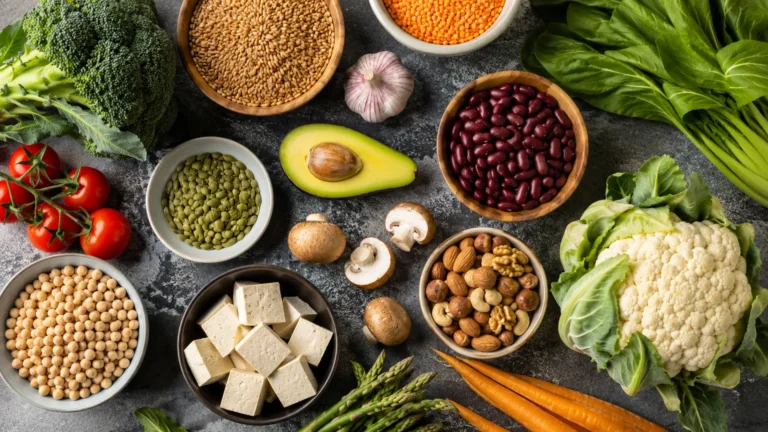
A base provides body and either fat or protein. This is cashews, coconut oil, soy, almonds, tofu, or seeds. A binder holds it together and decides whether it slices, spreads, or melts. Tapioca starch, agar, potato starch, and gums like xanthan or carrageenan live here. An acid gives the tang that makes your brain register cheese instead of bland nut paste, usually lemon juice, vinegar, or a live culture. A savory layer supplies the umami, and this is almost always nutritional yeast, sometimes with miso, mustard, or salt backing it up.
Read any vegan cheese label through that lens and it snaps into focus. A store block that lists coconut oil, modified starch, and flavorings is base plus binder plus a shortcut on the acid and savory parts, which is why cheap versions can taste flat. A homemade cashew cheese with lemon and nutritional yeast nails the acid and savory but skips a melt binder, which is why it stays soft. Neither is wrong. They are just different points on the same map.
The reason this formula matters is that it makes you fluent rather than dependent on recipes. Once you internalize base plus binder plus acid plus savory, you stop needing exact instructions and start adjusting by feel. Too bland? You are short on the acid or the savory layer, so add lemon or more nutritional yeast. Will not slice? Your binder is wrong, so reach for agar instead of tapioca. Too firm and rubbery? You overcooked the starch. Every common vegan cheese problem maps back to one of the four parts being off, which turns troubleshooting from guesswork into a quick diagnosis. That is a far more useful thing to own than any single recipe.
It also explains the price spread you see at the store. A two-ingredient pressed tofu feta is cheap because it leans on one base and skips the engineering. A cultured cashew wheel with a bloomy rind is expensive because it adds real fermentation time and skilled aging. You are paying for which parts of the formula the maker invested in, and knowing that helps you decide when a premium block is worth it and when a homemade batch will do the same job for a fraction of the cost.
The Bases: Pick One and the Texture Follows
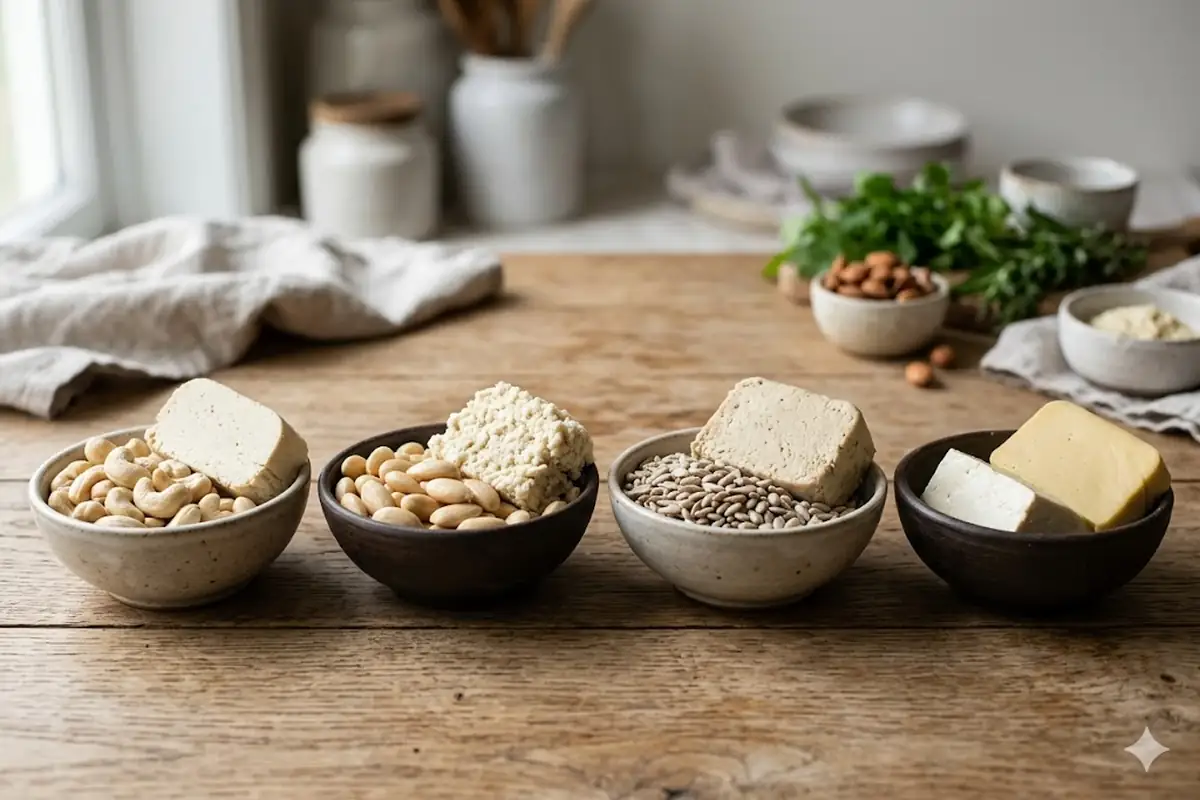
The base you start with does more to decide the final cheese than anything else, so this is where your choice actually matters. Each one wants to become a different kind of cheese.
| Base | Wants to become | Notes |
|---|---|---|
| Soaked cashews | Cream cheese, ricotta, soft spreads | Blends silky, mild, takes flavor well |
| Coconut oil + starch | Sliceable, meltable blocks | The store-block style; melts and stretches |
| Tofu | Feta crumble, ricotta | High protein, nut-free, crumbly |
| Sunflower or hemp seeds | Nut-free spreads | Allergen-friendly, slightly earthier |
Cashews are the artisan favorite because they blend into something genuinely creamy with no grit, which is why most homemade soft cheeses start there. Coconut oil is what most supermarket blocks lean on, because it is solid at room temperature and melts with heat, mimicking how dairy cheese behaves. Soy and tofu were the early standbys and still make excellent feta and ricotta, with the bonus of real protein. If you cannot do nuts, seeds step in. For the soaking step that makes cashew-based cheese work, my walkthrough on plant-based dairy swaps covers the timing so your first batch is smooth instead of sandy.
A detail worth flagging is that the bases are not interchangeable. You cannot take a cashew cream cheese recipe, swap in coconut oil, and expect the same result, because they behave differently under heat and over time. Cashews stay stable and creamy whether cold or warm. Coconut oil is firm in the fridge and turns liquid on a hot pizza, which is the whole point for melt but a problem if you wanted a stable spread. Tofu holds its crumble and absorbs marinades like a sponge, which is why it shines as feta soaked in brine. Matching the base to the job you have in mind is the first decision, and it quietly determines whether the rest of your effort pays off.
Coconut oil also raises the one nutritional asterisk on supermarket vegan cheese. It is high in saturated fat, so a block built mostly on refined coconut oil is not automatically healthier than dairy cheese just because it is plant-based. People sometimes assume vegan means light, and with these melty blocks that is not the case. A whole-food cashew or tofu base is the gentler choice if saturated fat is on your radar.
Why Some Vegan Cheese Melts and Some Just Sits There
This is the question that frustrates new vegans the most. You put a slice of dairy-free cheese on a sandwich, run it under the broiler, and it stays a stubborn cold disc. The answer is the binder, and specifically whether tapioca starch is in the mix.
Tapioca starch is the magic ingredient for melt and stretch. When you heat tapioca with liquid, its long starch chains swell and turn gooey and elastic, which is exactly the stringy pull you want from melted cheese. Cook a cashew base with a couple of tablespoons of tapioca on the stove and stir, and you watch it transform from a thick paste into something stretchy and glossy in about two minutes. Agar does the opposite job. It sets a cheese firm enough to slice once it cools, which is why agar belongs in a block and tapioca belongs in a sauce.
This is also why a plain blended cashew cheese will never melt. There is no tapioca, no starch network to go stretchy, so it just warms up and softens slightly. If you want melt, you have to cook in a starch. Store blocks built on coconut oil and modified starch melt because the oil liquefies and the starch carries the stretch, the same two-part trick in industrial form.
The Cultured Cheeses That Taste Genuinely Aged
There is a whole tier of vegan cheese that the quick guides barely mention, and it is the most interesting one. Cultured vegan cheese uses live bacteria, the same families used in dairy cheesemaking, to ferment a nut base over days or weeks. This is not a flavor shortcut with lemon and nutritional yeast. It is real fermentation, and it produces depth, funk, and even aged rinds that a blended cheese cannot touch.
The process works because bacteria do not care whether the milk is from a cow or a cashew. Give them sugars and the right temperature and they produce lactic acid and complex flavor compounds either way. A cashew cream inoculated with a vegan culture and left to ferment at room temperature for a day or two develops a tang and complexity that tastes much closer to a real soft cheese. Some makers then age these wheels for weeks, building blue veins or bloomy rinds. This is the frontier of vegan cheese, and it is why some artisan blocks cost as much as fine dairy cheese.
You can do a simple version at home with probiotic capsules or rejuvelac, a fermented grain water. Blend soaked cashews with the culture, let the mixture sit covered at room temperature for 24 to 48 hours, then season and shape. The smell tells you it is working: it goes from bland to pleasantly sour and cheesy. This is the one technique that separates a nut spread from something you would put on a cheese board with confidence, and it costs almost nothing beyond patience.
A Simple Homemade Version You Can Make Tonight
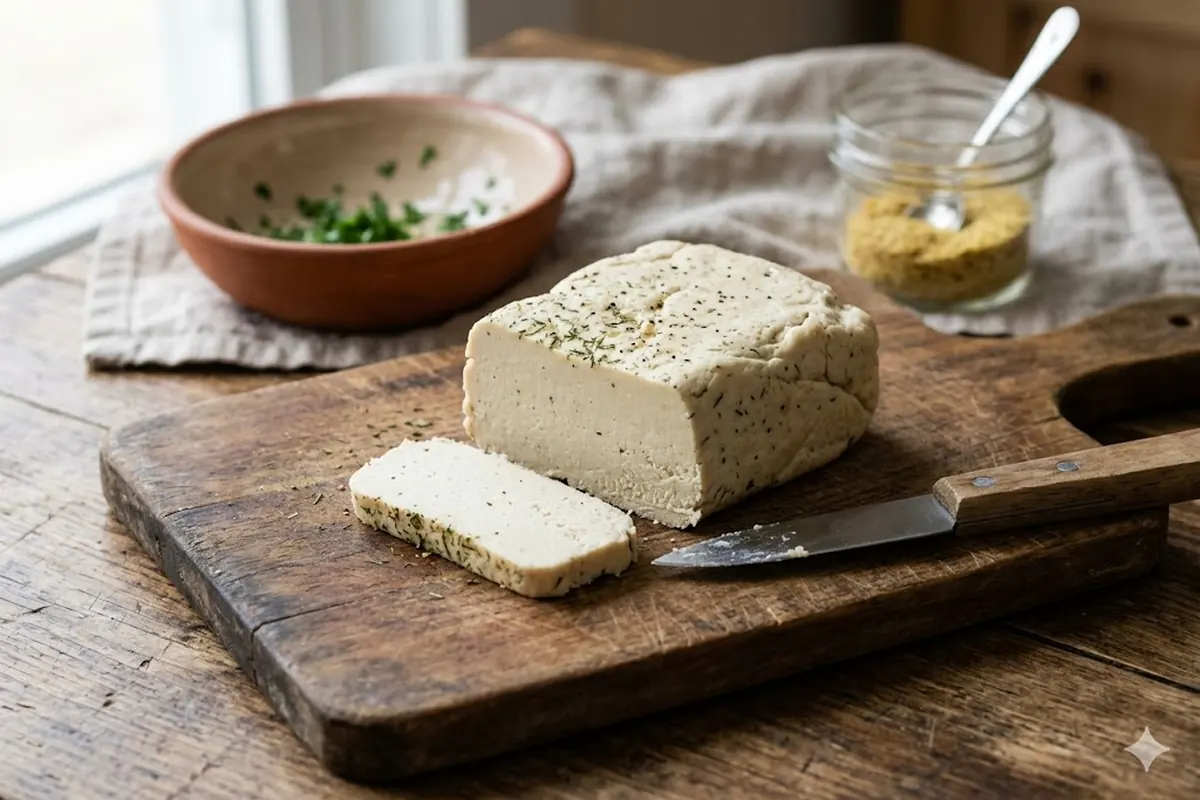
Here is the recipe I reach for, because it proves the formula in about ten minutes. For a soft spreadable cheese, blend 1 cup of soaked cashews, a quarter cup of water, 2 tablespoons of nutritional yeast, 1 tablespoon of lemon juice, and half a teaspoon of salt until completely smooth. That is base, acid, and savory in one bowl, and it is excellent on toast or stirred into pasta.
To make it meltable, you add the binder and heat. Move that same blend to a small saucepan, stir in 2 to 3 tablespoons of tapioca starch, and cook over medium heat, stirring constantly. For the first minute it looks like nothing is happening. Then it seizes, goes thick, and suddenly turns stretchy and glossy. Pull it off the heat the moment it stretches, because overcooking past that point makes it rubbery.
I remember the first time I made the tapioca version. I did not believe it would work, so I kept stirring past the stretchy stage out of nervousness, and it tightened into something closer to taffy than cheese. The lesson stuck: the stretch is the finish line, not the start of more cooking. Stop the second it pulls. That single timing cue is the whole technique.
Reading a Store Label Without Getting Fooled
Not all vegan cheese is created equal, and the ingredient list tells you which kind you are holding. A whole-food version leads with a recognizable base like cashews or coconut alongside short, readable additions. A heavily processed version leads with refined coconut oil and modified starches followed by a string of flavorings and gums. Neither is dangerous, but they are different foods nutritionally, and it is worth knowing which you are buying.
The practical tell is the first three ingredients. If they are recognizable foods, you are closer to the homemade end of the spectrum. If they are oils and starches, you have a processed block engineered mainly for melt and shelf life. I keep both in my kitchen on purpose: a processed block for pizza night when I want reliable stretch, and a homemade cashew spread for everything else. Building these into a week of cooking is easier when you plan them into a larger vegan meal prep rhythm, so the soaking and blending happen once.
One more label habit worth building: check whether the savory flavor comes from real ingredients or from a vague flavorings line. The best blocks name nutritional yeast, miso, or cultures. The weaker ones hide behind natural flavors, which usually means the cheesy taste was engineered in a lab rather than fermented or built from whole foods. Neither is harmful, but the named-ingredient versions tend to taste more like food and less like a snack aisle, and over time your palate notices the difference.
For the science on nutritional yeast and plant proteins, the writeups at NutritionFacts.org are worth reading, and Minimalist Baker has some of the most reliable homemade vegan cheese recipes I have tested. If you are building a full meal around it, a slice of homemade cheese over a bowl of pasta is a fast, satisfying dinner.
Frequently Asked Questions
What is the main ingredient in vegan cheese?
It depends on the style, but the most common bases are soaked cashews for soft cheeses and coconut oil for sliceable, meltable blocks. Cashews give creaminess, coconut oil gives melt. Nutritional yeast is almost always present too, because it supplies the savory, cheesy flavor that makes the base taste like cheese rather than plain nuts or oil.
What makes vegan cheese melt and stretch?
Tapioca starch is the key. When heated with liquid, its long starch chains swell and turn elastic, creating the stringy pull of melted cheese. Cook a cashew or coconut base with a couple tablespoons of tapioca and it goes stretchy in about two minutes. Without a starch like tapioca, vegan cheese only softens, it does not truly melt.
Is nutritional yeast what makes it taste cheesy?
Largely, yes. Nutritional yeast has a naturally savory, nutty, cheese-like flavor and also adds B vitamins and a little protein. It is often called the single most important flavoring in vegan cheese. Many recipes back it up with lemon juice or vinegar for tang and a little salt or miso for depth.
Can I make vegan cheese without nuts?
Yes. Tofu makes excellent feta and ricotta-style crumbles and is high in protein. Sunflower seeds and hemp seeds blend into nut-free spreads, and rice or potato starch can form the base of allergen-friendly blocks. Coconut-oil-based store cheeses are also typically nut-free, though always check the label for cross-contamination.
Why does my homemade cashew cheese not melt?
Because it has no starch binder. A plain blended cashew cheese is just base, acid, and savory, with nothing to create the stretchy starch network that melting needs. To make it melt, cook it on the stove with 2 to 3 tablespoons of tapioca starch until it turns glossy and stretchy, then stop heating immediately.
Is store-bought vegan cheese healthy?
It varies a lot. Whole-food versions built on cashews or coconut with short ingredient lists are reasonably nutritious. Heavily processed blocks built on refined coconut oil and modified starches are more about melt and shelf life than nutrition. Check the first three ingredients to tell which kind you are buying.
How long does homemade vegan cheese last?
A soft cashew cheese keeps about 5 to 7 days in the fridge in a sealed container, and the flavor often improves after a day as it settles. Cultured versions can last longer. Cooked tapioca-based melty cheese is best used fresh or within a couple of days, since it firms up considerably once chilled and is best gently reheated.