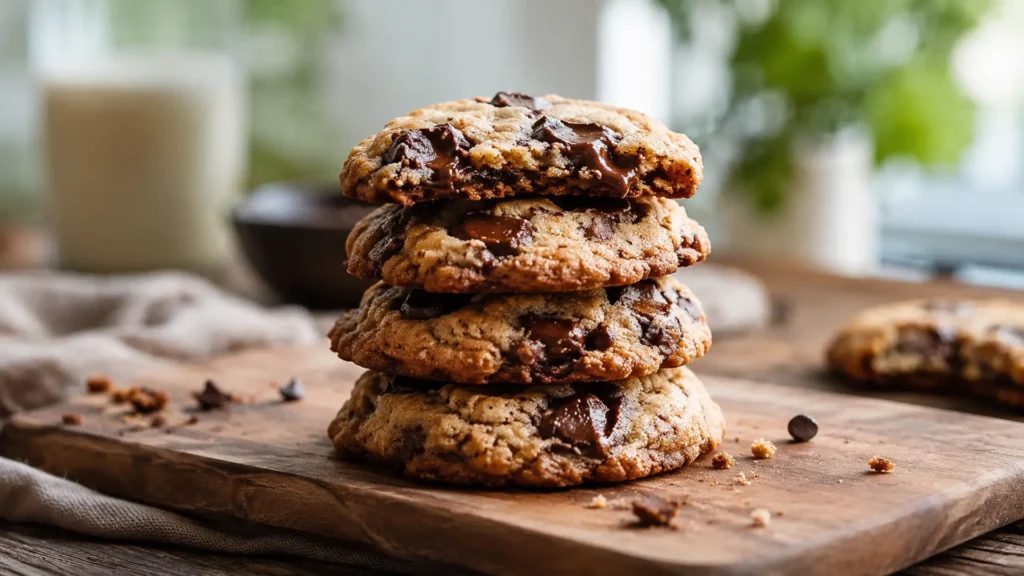
Vegan chocolate chip cookies are the recipe people swear they can taste the difference in, right up until they bite into a good one and go quiet. Vegan chocolate chip cookies get baked with a lot of myths attached, and the truth is simpler than the internet makes it sound. A cookie without eggs or butter is not a compromise. It is a different set of building blocks doing the same job, and once you understand what each ingredient is actually for, you can hit soft centers, crisp edges, and that pull-apart chew every single time. This guide walks through the science, the swaps, the mistakes that wreck a batch, and the small adjustments that turn a decent cookie into one people ask you to bake again.
Nothing here needs special equipment or hard-to-find ingredients. What it needs is an understanding of why butter and eggs do what they do, so you can replace their function instead of just removing them and hoping.
What Eggs and Butter Actually Do in a Cookie
Before you can replace anything, you have to know its job. Dairy butter brings three things: fat, water, and flavor. The fat coats flour proteins and keeps the cookie tender. The water in butter (around 16 to 18 percent) turns to steam in the oven and gives a little lift. The milk solids brown and add that toasty note. Eggs bring structure through their proteins, moisture from the white, and richness plus binding from the yolk. The yolk is also where a lot of the chew comes from, because its fat and emulsifiers hold the dough together as it sets.
When you go vegan, you are not removing a magic ingredient. You are removing a fat-water-flavor package and a protein-moisture-binder package. Replace those functions and the cookie behaves. Vegan butter sticks (the firm refrigerated kind, not soft spreads) handle the fat and water cleanly. For the egg, you have several options depending on the texture you want, and that choice matters more than any other decision in the recipe. If you want a deeper look at swaps across baking, this full guide to vegan egg substitutes breaks down which binder fits which job.
Choosing Your Egg Replacer for Chewy Versus Cakey
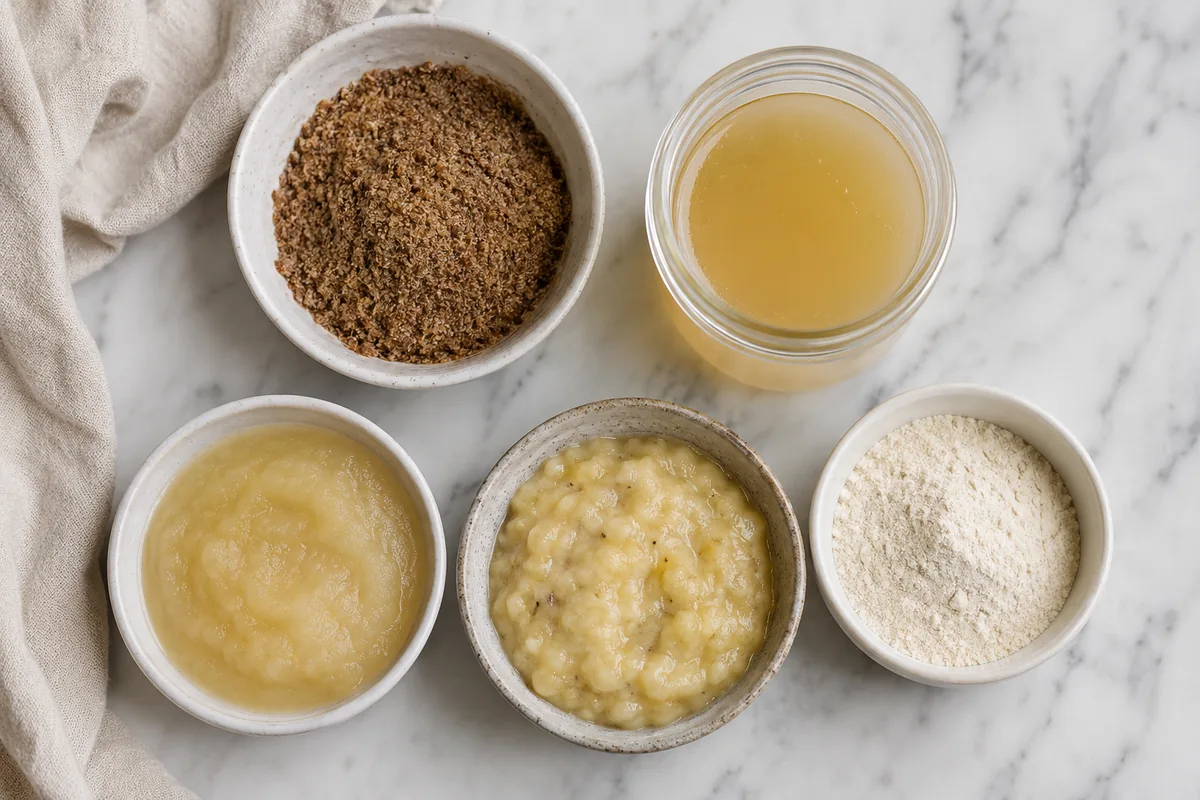
The egg swap is the fork in the road. Pick wrong and you get a cookie that spreads into a greasy puddle or puffs up dry and cakey. Here is how the common options behave in a drop cookie.
| Egg replacer (per egg) | Texture result | Best for |
|---|---|---|
| Flax egg (1 tbsp ground flax + 3 tbsp water) | Chewy, slightly dense, nutty | Hearty, rustic cookies |
| Aquafaba (3 tbsp chickpea liquid) | Light, crisp edges, good spread | Thin, crackly cookies |
| Applesauce (1/4 cup) | Soft, cakey, more moisture | Pillowy soft cookies |
| Mashed banana (1/4 cup) | Dense, chewy, banana flavor | Banana-forward batches |
| Commercial egg replacer powder | Neutral, structural | Predictable, clean flavor |
For a classic chewy vegan chocolate chip cookie, a flax egg or a commercial replacer is the usual choice. Applesauce makes a lovely soft cookie but it adds water, so you have to pull back on other liquids or the dough goes slack. Banana is great if you want banana, and a problem if you do not. Aquafaba is the wildcard: whip it lightly and it gives you crisp, thin cookies with great snap, but it spreads fast, so chill that dough hard.
The Sugar Ratio That Controls Chew
People obsess over the egg swap and ignore the sugar, which is a mistake. The ratio of brown sugar to white sugar is the single biggest lever on texture, and it works the same in vegan and non-vegan baking. Brown sugar holds moisture because of its molasses content, and that moisture keeps cookies soft and chewy. White sugar promotes spread and crisp edges. More brown means chewier and softer. More white means thinner and crispier.
My default for a chewy vegan chocolate chip cookie is roughly two parts brown sugar to one part white. If you want a fudgier center, push it to all brown sugar and add a splash more flour to keep the dough from going flat. One caution for strict vegans: not all white sugar is vegan, because some refineries filter cane sugar through bone char. Beet sugar and certified organic cane sugar avoid that issue. This kind of label-reading shows up across vegan baking, and it is the same care described in this piece on whether chocolate is vegan, since many chips hide dairy.
Picking Vegan Chocolate That Actually Tastes Good
Your cookie is only as good as your chocolate, and this is where a lot of vegan batches fall short. Standard milk chocolate chips contain milk solids, so they are out. Plenty of dark chocolate is naturally dairy-free, but you still have to check the label, because cross-contamination warnings and added milk fat are common. Look for chips or chopped bars at 55 to 70 percent cacao for the best balance of sweet and bitter in a cookie. A chopped bar usually beats chips, because bars melt into pools and streaks instead of holding their waxy shape, and that gives you those puddles of chocolate everyone photographs.
Read the ingredient list for milk, milkfat, whey, casein, and butter oil. The clean ones are usually just cacao, sugar, cocoa butter, and an emulsifier. If you want the full breakdown of which bars pass, there is an updated rundown in this guide on whether dark chocolate is vegan. For a network of dessert ideas beyond cookies, the team over at a dedicated chocolate chip cookie collection is worth a browse, and the vegan dessert recipes hub here has more once the cookies are gone.
The Browning Science Behind Flavor
A cookie that tastes flat usually has not browned enough. Two reactions build cookie flavor, and dropping dairy changes how they happen. The Maillard reaction is the browning between amino acids and reducing sugars that gives roasted, nutty, savory-sweet depth. Caramelization is sugar breaking down under heat into hundreds of flavor compounds. Both need heat, time, and a little moisture management. You can read the chemistry in depth on the Maillard reaction overview, but the practical takeaway is this: do not underbake out of fear.
The flavor compounds these reactions create are well documented in the food science literature, and you can see how Maillard browning drives aroma and taste in this peer-reviewed look at the reaction. Dairy butter browns partly because of its milk proteins, which vegan butter lacks. To compensate, add a small amount of something protein-rich and sugar-rich to the dough. A teaspoon of molasses, a spoon of almond butter, or a pinch more brown sugar all feed the browning reactions. A little extra salt also sharpens perceived flavor and balances the sweetness. Pull the cookies when the edges are set and golden but the centers still look slightly underdone, because they keep cooking on the hot tray for several minutes after they leave the oven.
Mixing, Chilling, and the Order That Matters
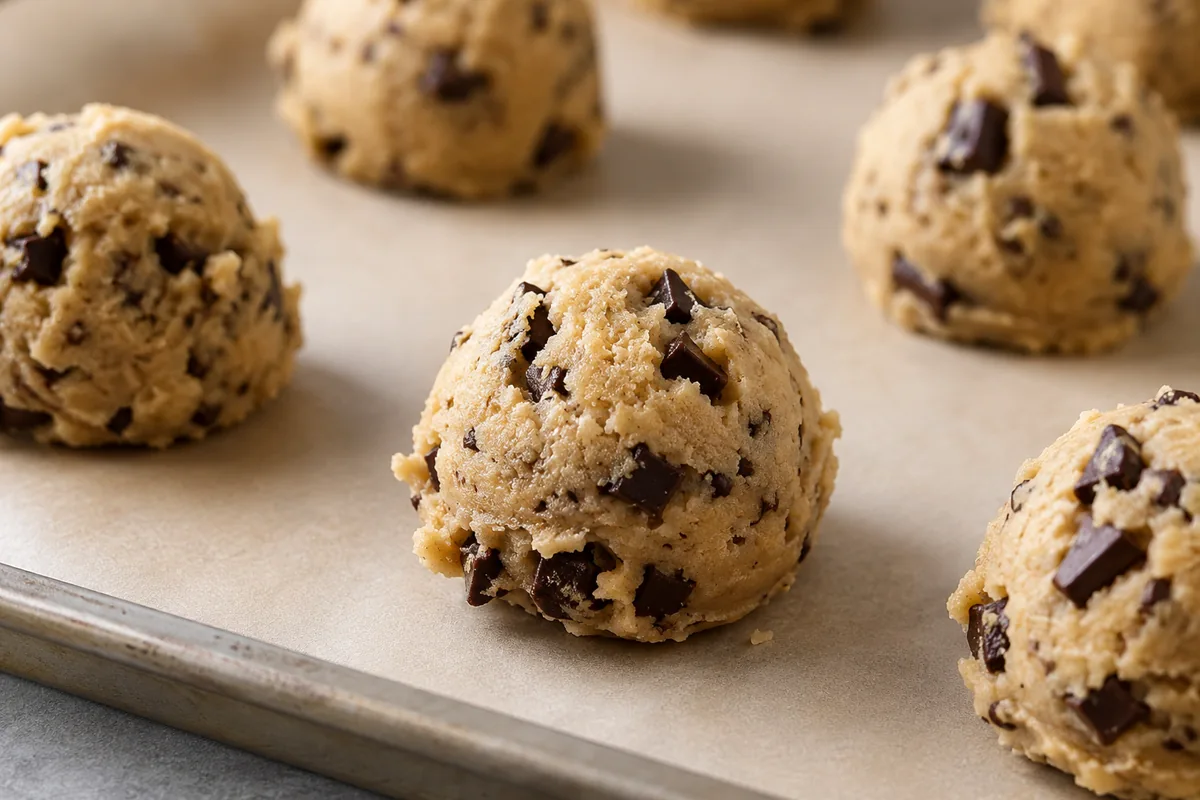
Creaming is where vegan dough behaves a little differently. With dairy butter you beat butter and sugar to trap air. Vegan butter sticks cream fine if they are cool and firm, but soft tub spreads whip into a loose mess that spreads in the oven. Use the firm sticks, cream them with the sugar for two to three minutes until lighter in color, then add your egg replacer and vanilla. Add the dry ingredients last and mix only until the flour disappears. Overmixing develops gluten and gives you tough, bready cookies.
Then chill. This matters a great deal for vegan dough, because vegan fats often melt faster than dairy butter and spread more aggressively. Chilling firms the fat so the cookie holds its shape long enough to set before it flattens. An hour in the fridge is the minimum. Overnight is better, because the flour fully hydrates and the flavors deepen. If you are in a hurry, scoop the dough into balls and freeze them for twenty minutes, which gets you most of the benefit fast.
| Variable | If too thin and greasy | If too thick and dry |
|---|---|---|
| Chilling | Chill dough longer | Chill less, bake sooner |
| Flour | Add 1 to 2 tbsp more | Reduce slightly |
| Sugar | Shift toward brown sugar | Add a touch of white sugar |
| Fat | Use firm sticks, not spread | Add 1 tsp plant milk |
| Oven temp | Raise to 375 F to set fast | Lower to 350 F, bake longer |
Flour, Leavening, and the Structure of the Cookie
People skip past flour like it is a given, but the type and amount of flour set the bones of your cookie. All-purpose flour is the standard, and it works because its moderate protein content gives enough structure without going tough. If you want a softer, more tender cookie, swap a few tablespoons of the all-purpose for cake flour or even a spoon of cornstarch, which lowers the protein and gives a melt-in-the-mouth crumb. If you want more chew and body, a little bread flour pushes the cookie chewier because of its higher protein. These are small tweaks, but they stack with everything else you are doing.
Measuring flour correctly matters more than any fancy technique. Scooping the measuring cup straight into the bag packs the flour and you can end up with twenty percent too much, which is the fast route to a dry, cakey cookie. Spoon the flour into the cup and level it off, or better, weigh it. A cup of all-purpose flour is around 120 grams, and a kitchen scale removes the guesswork that wrecks so many batches. This is the kind of precision that separates a reliable baker from a frustrated one.
Then there is leavening, which is where baking soda and baking powder do their quiet work. Baking soda needs an acid to react and it promotes spread and browning, giving you that classic flat-ish cookie with crisp edges. Baking powder contains its own acid and gives more lift, producing a puffier, cakier result. Most chocolate chip cookies use mostly baking soda for spread with maybe a small amount of baking powder for a little rise. If your cookies puff up too much and stay pale and domed, you likely have too much baking powder or not enough acid in the dough. A teaspoon of molasses or a splash of plant milk with a little vinegar gives the soda something to react with and improves both spread and color.
Common Mistakes That Ruin a Batch
The puddle problem is the most common complaint, and it almost always traces to soft spread butter, warm dough, or too much white sugar. Fix all three and the spread comes under control. The second most common issue is a dry, crumbly cookie that falls apart, which usually means too much flour or an egg replacer that did not bind. Flax needs to sit and gel for ten minutes before you use it, or it will not hold the dough together.
The third mistake is overbaking from anxiety. Vegan cookies look underdone when they are actually done, because they lack the egg proteins that firm up visibly. Trust the edges and the carryover heat. The fourth is skipping salt. Salt is not optional in sweet baking; it makes chocolate taste like chocolate. A flaky finishing salt on top right out of the oven is a small move with a big payoff. If you want to round out a baking session, the gluten-free crowd has solid ideas in this gluten-free dessert collection that adapt well to vegan swaps.
A fifth mistake worth naming is baking on a hot tray. If you scoop fresh dough onto a sheet that just came out of the oven, the fat starts melting before the cookie even goes in, and you get instant spread. Always bake on a cool tray, and if you are running batches, keep a second sheet handy so one cools while the other bakes. Lining with parchment helps too, because a bare metal tray conducts heat aggressively and browns the bottoms before the tops are done. Parchment evens out the heat and gives you a more controlled bake.
The sixth mistake is crowding the tray. Vegan cookie dough spreads, sometimes more than you expect, and cookies that touch will fuse into one sheet. Leave at least two inches between dough balls. If you want uniform cookies, use a spring-loaded cookie scoop so every portion is the same size and bakes at the same rate. Uneven sizes mean some cookies burn while others are raw, and that inconsistency frustrates people who think they followed the recipe exactly. Consistency in portioning fixes a surprising number of problems at once.
The last one is ignoring your specific oven. Oven thermostats lie, and many home ovens run twenty to thirty degrees off their dial. An inexpensive oven thermometer tells you the truth, and once you know your oven runs hot or cool you can adjust. Rotate your tray halfway through baking too, because most ovens have hot spots that brown one side faster than the other. These are not glamorous fixes, but they are the difference between cookies that come out the same every time and cookies that are a gamble.
Storage, Freezing, and Make-Ahead
Baked vegan chocolate chip cookies keep at room temperature in an airtight container for about four days, though they are best the first two. To keep them soft, drop a small piece of bread in the container; the cookies pull moisture from it and stay tender. For longer storage, freeze baked cookies for up to three months and thaw at room temperature, or warm them for a few seconds in the microwave to wake up the chocolate.
The smarter move is freezing the dough. Scoop the dough into balls, freeze them solid on a tray, then bag them. You can bake straight from frozen, adding a minute or two to the time, which means fresh warm cookies whenever you want without making a full batch. This is also where chilled dough flavor pays off, because frozen dough balls keep developing that deeper, more complex taste. For broader plant-based cooking beyond dessert, the vegan breakfast recipes here share the same egg-swap logic you just learned.
Frequently Asked Questions
Why do my vegan chocolate chip cookies spread too much?
Spread comes from fat melting before the cookie sets. The usual causes are soft tub-style vegan butter instead of firm sticks, dough that was not chilled, or too much white sugar. Use cold firm butter sticks, chill the dough at least an hour, shift the ratio toward brown sugar, and add a tablespoon or two of flour if the dough still looks slack.
What is the best egg substitute for chewy vegan cookies?
A flax egg or a commercial egg replacer powder gives the chewiest, most reliable result. Mix one tablespoon of ground flax with three tablespoons of water and let it gel for ten minutes before adding it. Applesauce makes softer, cakier cookies, and aquafaba gives thin crisp ones, so match the swap to the texture you want.
Are chocolate chips vegan?
Some are and many are not. Standard milk chocolate chips contain milk solids and are not vegan. Plenty of dark chocolate chips are dairy-free, but you must read the label for milk, milkfat, whey, and casein. Look for chips listing only cacao, sugar, cocoa butter, and an emulsifier, and aim for 55 to 70 percent cacao for the best cookie flavor.
Do I have to chill vegan cookie dough?
You do not have to, but it makes a real difference. Vegan fats often melt faster than dairy butter, so chilling firms the dough and controls spread. It also hydrates the flour and deepens flavor. An hour is the minimum, overnight is better, and freezing scooped dough balls for twenty minutes is a fast shortcut when you are short on time.