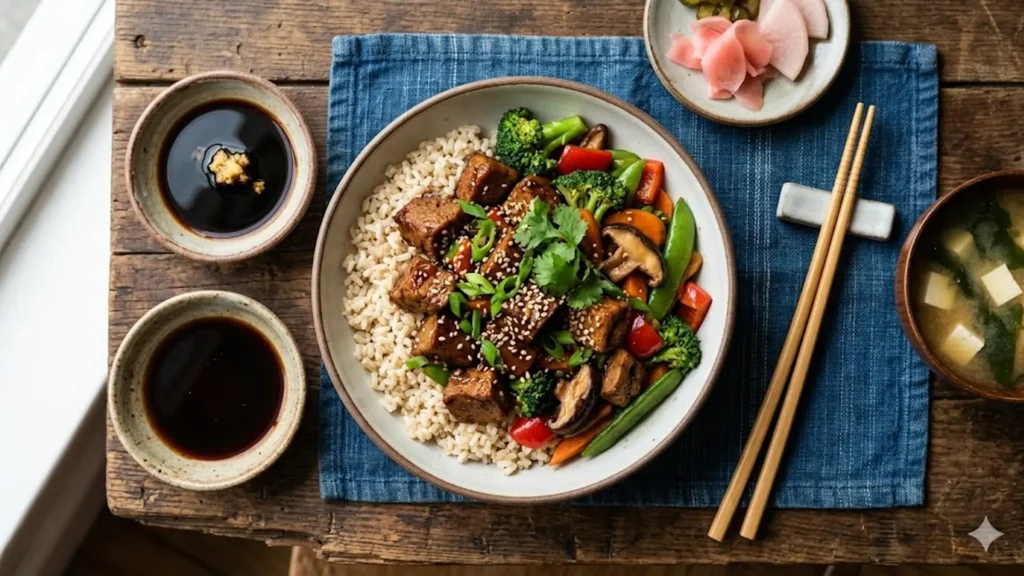
Is soy sauce vegan? Yes, almost all soy sauce is vegan, because traditional soy sauce is made from just four plant-based ingredients: soybeans, wheat, salt, and water, fermented together with no animal products involved. The deep, savory, umami flavor comes entirely from that fermentation, where a mold culture breaks down the soybeans and wheat over months into the rich brown liquid you know. Nothing in that classic process requires an animal, which is why a standard bottle of soy sauce sitting in your pantry is safe for a vegan diet. For everyday cooking, you can reach for soy sauce without a second thought.
There are a few exceptions worth knowing, though, and they are the reason the question is worth asking carefully. A small number of soy sauces and soy-sauce-style products sneak in animal-derived additions, most often fish, anchovy, or a flavor enhancer that can come from animal sources. Sweetened dark soy sauces can carry the same bone-char-sugar question that follows a lot of processed foods. And soy sauce is frequently confused with fish sauce, a different condiment that is never vegan. This guide breaks down exactly what is in soy sauce, the rare cases where it is not vegan, how the different types (light, dark, tamari, kecap manis) compare, the soy-sauce-versus-fish-sauce mixup, the health angle, and the best vegan and gluten free options. By the end you will know how to grab a bottle with total confidence.
What soy sauce is actually made of
Understanding soy sauce starts with how it is brewed. Traditional soy sauce, called shoyu in Japanese, begins with cooked soybeans and roasted wheat, which are mixed with a culture called koji (the mold Aspergillus oryzae). This mash is combined with a salt brine and left to ferment for months, sometimes over a year. During that time the mold and naturally present yeasts and bacteria break down the proteins and starches into amino acids, sugars, and the glutamates that give soy sauce its deep umami punch. The liquid is then pressed out, pasteurized, and bottled.
The whole process is plant-based from start to finish: soybeans and wheat are the substrate, salt and water carry the brine, and the fermentation cultures are molds and microbes, not animals. This is the same kind of microbial fermentation that makes miso, tempeh, and sauerkraut, all naturally vegan. So the core product contains no animal ingredient by design.
There is a faster, cheaper way to make soy sauce that is worth knowing about, because it changes what shows up on the label. Instead of months of fermentation, some industrial soy sauces are made by chemical hydrolysis, where soy protein is broken down quickly with acid, then neutralized and colored and flavored to mimic the brewed taste. These hydrolyzed sauces are still plant-based at their core, but because the flavor does not come from real fermentation, they are the ones most likely to carry added enhancers, colorings, and other extras, which is exactly where the occasional non-vegan additive can hide. Traditionally brewed, naturally fermented soy sauce, the kind that lists only soybeans, wheat, salt, and water, is both the better-tasting and the cleaner choice for a vegan, since there is simply less in the bottle to question. Soy sauce is also a cornerstone seasoning for plant-based cooking, the thing that gives stir-fries, marinades, and dressings their savory backbone, which is why it shows up constantly in any well-stocked vegan kitchen alongside the plant-based protein sources it so often seasons. The base answer, then, is firmly yes.
When soy sauce is not vegan
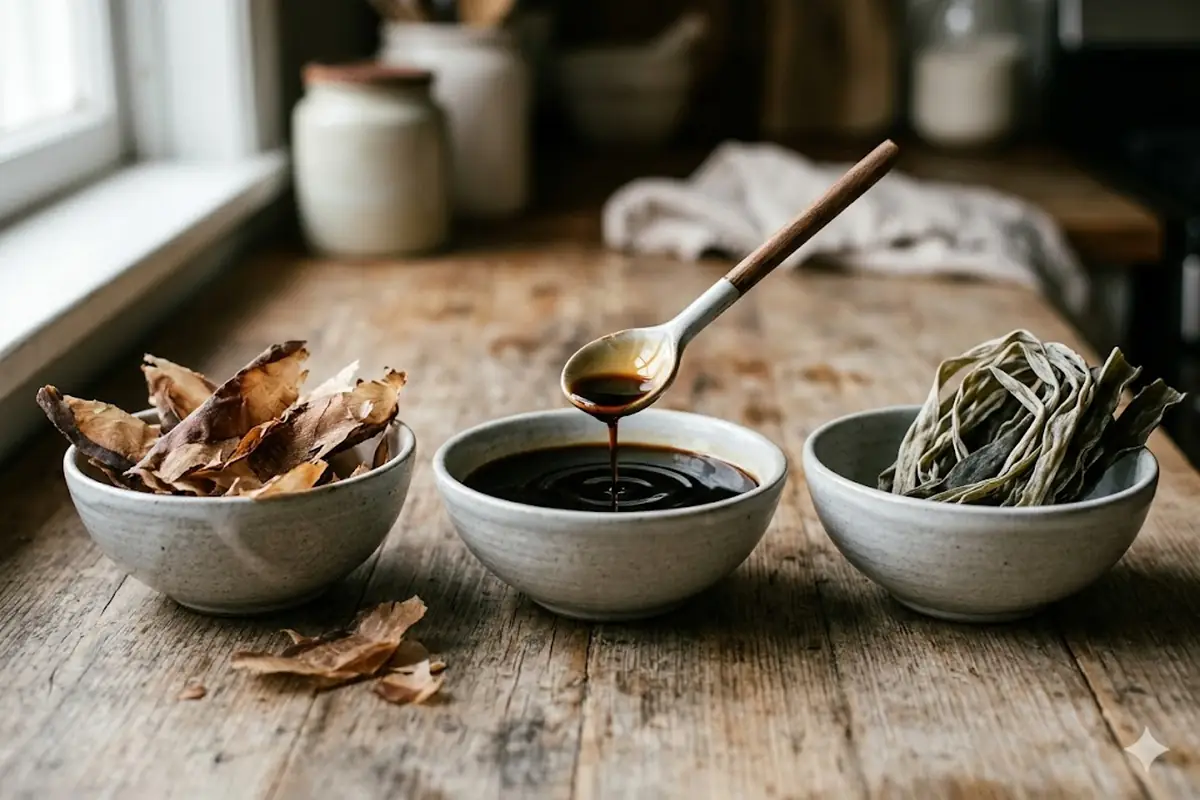
The exceptions are uncommon but real, and they cluster in a few predictable places. Knowing them lets you screen any bottle fast.
Fish, anchovy, and dashi additions
The clearest non-vegan culprit is added seafood. Some specialty or regional soy-sauce-style products blend in fish sauce, anchovy extract, or bonito (dried fish) dashi for extra savory depth. This is most common in certain Asian sauce blends, “seasoned” soy sauces, and dipping sauces rather than plain brewed soy sauce, but it happens. If a label lists fish, anchovy, bonito, or katsuobushi, the product is not vegan. A plain bottle of brewed shoyu will not contain these, but a flavored or blended sauce might.
Flavor enhancers from unclear sources
Cheaper, mass-produced soy sauces sometimes add flavor enhancers like disodium inosinate or disodium guanylate. These can be derived from plant fermentation, but they can also be extracted from fish or meat, and the label rarely says which. They are usually plant-based in practice, but for a strict vegan the ambiguity is enough to choose a sauce without them, or to contact the maker.
Sugar in sweet and dark soy sauces
Sweetened soy sauces, including some dark soy sauces and the Indonesian sweet soy sauce kecap manis, contain added sugar. In the US, conventional cane sugar is sometimes refined through bone char, an animal-derived filter, which is the same gray area that follows a lot of processed foods. The sugar itself contains no bone char, but strict vegans avoid sugar refined this way. Organic and beet sugar do not use bone char. This same label-reading instinct is what helps you sort out which packaged foods are vegan and gluten free at a glance.
Soy sauce versus fish sauce: do not confuse them
One of the most common mixups deserves its own section, because it causes real mistakes in the kitchen. Soy sauce and fish sauce are completely different condiments. Soy sauce is fermented from soybeans and wheat and is vegan. Fish sauce is made from fish (usually anchovies) salted and fermented, and it is never vegan. They look somewhat similar in a recipe and both bring salty umami, but one is a plant ferment and the other is a fish ferment.
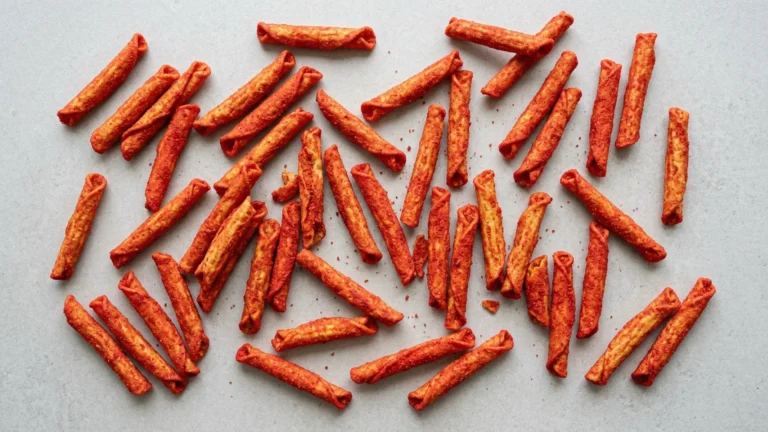
The confusion matters most when you are cooking Southeast Asian dishes, where recipes often call for fish sauce, and when you are reading a bottle in an unfamiliar aisle. Some products are even labeled in ways that blur the line, like “seasoned soy sauce” that contains fish, or a “vegan fish sauce” that is actually a soy-and-seaweed substitute. The rule is simple: brewed soy sauce (shoyu, tamari) is vegan; fish sauce (nam pla, nuoc mam) is not; and any blended or “seasoned” sauce needs a label check for hidden fish. When a recipe calls for fish sauce and you want to keep it plant-based, soy sauce, tamari, or a seaweed-based vegan fish sauce stands in well. Reading these labels closely is the same skill our breakdown of whether Takis are vegan applies to a snack ingredient list.
It helps to remember that the two condiments come from completely different culinary traditions. Soy sauce grew out of East Asian fermentation, and plant-based versions were championed centuries ago in part by Buddhist monks who needed a savory seasoning without any animal product. Fish sauce comes from a separate lineage of preserving fish in salt across Southeast Asia. They ended up filling a similar role on the plate, the salty umami hit, which is why modern recipes sometimes treat them as cousins, but their ingredients could not be further apart. If you ever stand in an unfamiliar aisle unsure which bottle you are holding, the ingredient list settles it instantly: soybeans means soy sauce and vegan, anchovies or fish means fish sauce and not vegan.
The types of soy sauce, compared
“Soy sauce” covers a family of products, and knowing the differences helps you both cook well and screen for vegan and gluten status. The table below sums up the common types.
| Type | Vegan? | Gluten free? | Notes |
|---|---|---|---|
| Light / regular soy sauce | Yes | No (has wheat) | Everyday all-purpose |
| Dark soy sauce | Usually | No | Often sweetened; check sugar |
| Tamari | Yes | Usually (check) | Little or no wheat |
| Kecap manis (sweet) | Usually | No | Heavy added sugar; bone-char question |
| Coconut aminos | Yes | Yes | Soy-free, milder, sweeter |
| “Seasoned” soy sauce | Maybe | Check | May contain fish or dashi |
The pattern is clear: plain brewed soy sauce and tamari are reliably vegan, sweetened and seasoned varieties are the ones to read carefully, and coconut aminos is the catch-all for anyone needing soy-free and gluten free at once.
Is soy sauce gluten free?
This trips up a lot of people because it feels like it should be. Standard soy sauce is not gluten free, because wheat is one of its four core ingredients, added alongside the soybeans to feed the fermentation. Even though the wheat is broken down during brewing, enough gluten remains that standard soy sauce is unsafe for people with celiac disease. So a vegan who is also gluten free cannot simply grab any soy sauce.
The solution is tamari, a Japanese-style soy sauce traditionally brewed with little or no wheat. Many tamari products are certified gluten free, tested to under 20 parts per million of gluten, and they taste very close to regular soy sauce, often a touch richer and less sharp. Read the label, though: some tamari is made with reduced wheat rather than no wheat, so look for the certified gluten free seal if celiac safety matters. Coconut aminos is another option, made from fermented coconut sap and salt, naturally soy-free and gluten free, with a milder, slightly sweeter flavor. For anyone juggling both vegan and gluten free needs, tamari and coconut aminos cover nearly every use that standard soy sauce would.
The health side of soy sauce
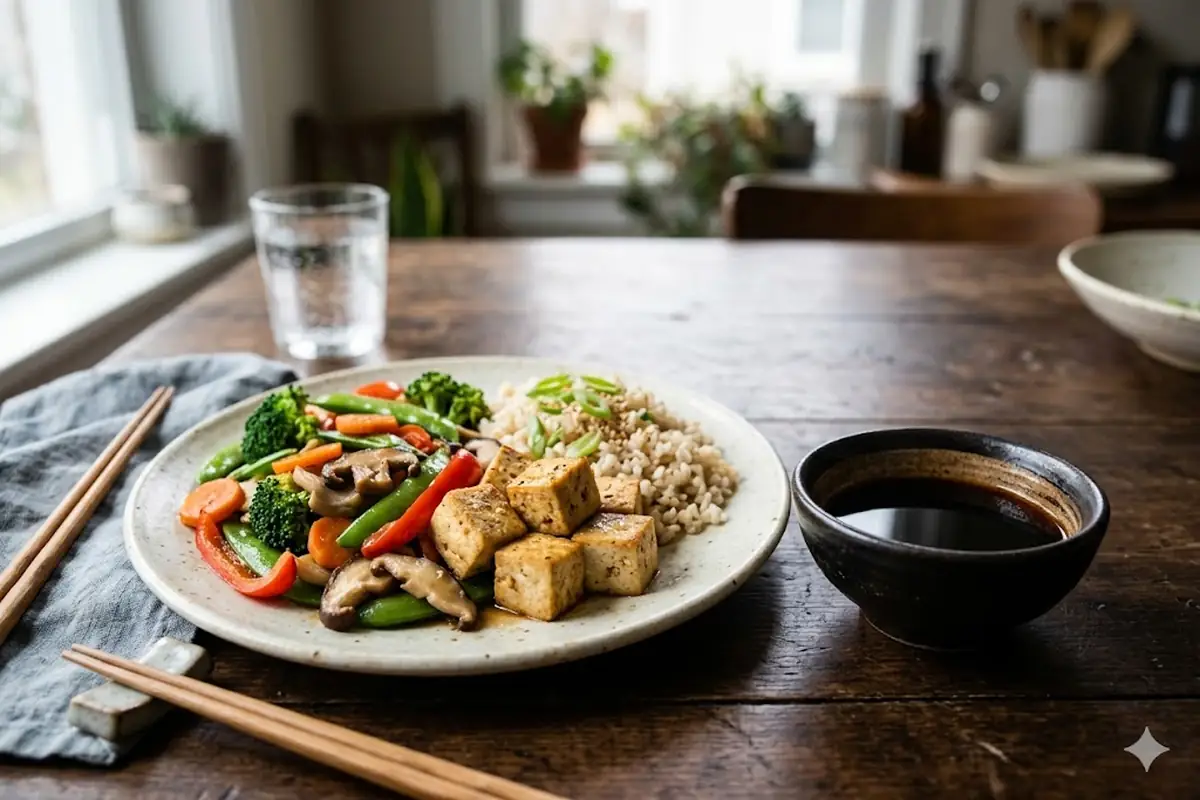
Vegan does not automatically mean you should pour it freely, and soy sauce has one clear nutritional caution: sodium. A single tablespoon of regular soy sauce can deliver close to half the recommended daily sodium for some people, which adds up fast in marinades, stir-fries, and dipping. If you watch your blood pressure or sodium intake, reduced-sodium soy sauce cuts the salt meaningfully while keeping most of the flavor, and it is still fully vegan.
Beyond sodium, soy sauce contains naturally occurring glutamates (the source of its umami, the same compound as MSG, which is harmless for most people) and tyramine, which can trigger migraines in those sensitive to it. On the positive side, fermented soy foods are well regarded in plant-based nutrition, and used in the small amounts soy sauce calls for, it adds a lot of flavor for very few calories. The sensible approach is the same as for any concentrated seasoning: use it for flavor, lean on the low-sodium version if salt is a concern, and let whole foods carry the meal. The broader nutrition science on fermented soy, summarized at NutritionFacts.org, puts soy sauce in context as a flavorful seasoning rather than a health food or a worry.
How to choose and use vegan soy sauce
For everyday cooking, the choice is easy: a plain brewed soy sauce or tamari from a reputable brand is vegan and works everywhere. Widely available options like Kikkoman, San-J, Lee Kum Kee, and Clearspring make naturally fermented soy sauces that contain no animal products, and San-J tamari is a reliable certified gluten free pick. Reach for reduced-sodium versions if you cook with soy sauce often, and organic if you want to avoid both bone-char sugar (in sweetened types) and glyphosate concerns.
In the kitchen, soy sauce is one of the most versatile seasonings you can keep. Use light soy sauce for general seasoning and dressings, dark soy sauce for color and a touch of sweetness in braises and noodles, and tamari wherever you want a gluten free, slightly deeper flavor. A splash transforms a stir-fry, a marinade for tofu or mushrooms, a salad dressing, or even a savory note in a sauce or soup. Because it is so concentrated, start with less and taste, especially with the saltier regular kind. Recipe sites like Minimalist Baker lean on tamari and soy sauce throughout their plant-based recipes, and they are a good guide to how a little goes a long way. Once you know which bottle is which, soy sauce becomes the quiet workhorse of a flavorful vegan pantry.
Frequently asked questions
Is all soy sauce vegan?
Almost all plain brewed soy sauce is vegan, since it is made from soybeans, wheat, salt, and water with no animal products. The exceptions are seasoned or blended sauces that add fish, anchovy, or bonito dashi, and some cheap sauces with flavor enhancers of unclear origin. Read the label on anything labeled seasoned, and plain soy sauce is safe.
Is soy sauce the same as fish sauce?
No. Soy sauce is fermented from soybeans and wheat and is vegan. Fish sauce is made from fermented fish (usually anchovies) and is never vegan. They both add salty umami but are entirely different condiments. When a recipe calls for fish sauce, soy sauce, tamari, or a seaweed-based vegan fish sauce can replace it.
Is soy sauce gluten free?
Standard soy sauce is not gluten free, because wheat is one of its core ingredients. For a gluten free option, use tamari, which is brewed with little or no wheat and is often certified gluten free, or coconut aminos, which is naturally soy-free and gluten free. Check the label, since some tamari uses reduced wheat rather than none.
Is dark or sweet soy sauce vegan?
Usually yes, but check the sugar. Dark soy sauce and sweet soy sauces like kecap manis contain added sugar, and in the US conventional cane sugar is sometimes refined with bone char, which strict vegans avoid. The bone char is not in the final product, but if it matters to you, choose organic versions, which do not use it.
What flavor enhancers in soy sauce might not be vegan?
Disodium inosinate and disodium guanylate, added to some cheaper soy sauces, can come from plant fermentation or from fish and meat, and the label rarely specifies. They are usually plant-based, but the ambiguity leads strict vegans to choose plain brewed soy sauce without these additives, or to ask the manufacturer directly.
Is reduced-sodium soy sauce still vegan?
Yes, reduced-sodium soy sauce is just as vegan as regular soy sauce; the lower salt does not change its plant-based ingredients. It is a good choice if you cook with soy sauce often, since regular soy sauce is high in sodium. Reduced-sodium versions keep most of the flavor while cutting the salt meaningfully.
The bottom line
Soy sauce is vegan in nearly every form you will meet, because traditional soy sauce is simply soybeans, wheat, salt, and water transformed by months of plant-and-microbe fermentation, with no animal product anywhere in the process. The rare exceptions are easy to spot once you know them: seasoned or blended sauces that add fish or dashi, cheap sauces with flavor enhancers of unclear origin, and sweetened dark sauces whose sugar raises the bone-char question for strict vegans. Soy sauce also is not fish sauce, which is never vegan, and standard soy sauce is not gluten free, so tamari or coconut aminos covers gluten free needs. Reach for a plain brewed soy sauce or tamari from a trusted brand, lean on the low-sodium version if salt is a concern, read the label on anything sweetened or seasoned, and soy sauce stays exactly what it should be: the dependable, savory backbone of a flavorful plant-based kitchen.