Is pasta vegan? Most dried pasta sold in a box is, because plain dried pasta is made from durum wheat semolina and water and nothing else. Fresh pasta is the reversal you have to watch for, since it usually carries egg. That single split answers the question for the majority of shoppers, but it hides a longer story: filled shapes, squid ink, bone-char sugar, sauces that ambush you, and label rules that change depending on which country stocks the shelf. This guide walks the whole aisle so you can buy with confidence.
The reassuring part is that the safest pasta on the shelf is also the cheapest and most common. A bag of spaghetti or penne rarely lists anything animal-derived. The traps sit at the edges: the fresh counter, the stuffed shapes, the flavored lines and the jar of sauce you grab on the way past.
Quick answer: Is pasta vegan depends on two things: whether it is dried or fresh, and what is added to it. Standard dried pasta (semolina plus water) is vegan. Fresh pasta and egg pasta labeled “all’uovo” contain egg and are not. Under Italian law, a product cannot be sold as egg pasta unless it holds at least 200 g of egg per 1 kg of semolina, a 1:5 ratio. Filled shapes like ravioli usually hide dairy and egg. Read the allergen line, then check the sauce.
Why plain dried pasta is vegan by law, not by luck
Plain dried pasta is vegan because the recipe is defined by law, not left to a manufacturer’s whim. In Italy, “pasta secca” (dry pasta) may legally contain only durum wheat semolina and water, with a maximum moisture of 12.5 percent and soft-wheat flour tolerated only up to 3 percent by weight. There is no room in that definition for egg, milk or any animal product.
A box of dried spaghetti is therefore reliably plant-based across brands, which is why it is the single most dependable purchase a vegan can make in the pasta aisle. The law is doing work most shoppers never notice: it standardizes the recipe so tightly that switching from one brand to another does not change the animal-ingredient math.
The rule that protects you is the same one that names the exception. Before a factory can print “pasta all’uovo” (egg pasta) on a package, it must add at least 4 whole eggs, no less than 200 g of egg, per 1 kg of semolina. That legal ratio of 1:5 is confirmed in the peer-reviewed record under reference PMC6164592.
The arithmetic is internally consistent: 4 eggs at roughly 50 g each equals 200 g, and 200 g against 1000 g of semolina is exactly 1:5. So the presence of egg is not a guessing game. It is a legally triggered label. If a package does not carry the “all’uovo” wording and lists only semolina and water, egg has not been added.
Worth noting: this is why price is a weak signal and wording is a strong one. A premium bronze-die dried pasta and a budget dried pasta can both be equally vegan, because both must obey the same “semolina plus water” definition. For a broader look at where egg shows up in staple foods, our piece on why eggs are not vegan and what to use instead covers the swaps that carry over to homemade pasta.
Fresh pasta and the egg problem you cannot see
Fresh pasta usually is not vegan, and the reason is structural rather than incidental. Egg acts as the binder and colorant that gives fresh dough its stretch, richness and yellow tint. Italian “pasta fresca” carries a minimum moisture of 24 percent and, when pre-packed, must be stored from production to sale at or below plus 4 degrees Celsius with a tolerance of plus or minus 2 degrees.
That chilled cabinet at the supermarket is the first visual tell: refrigerated pasta is far more likely to contain egg than anything on a dry shelf. If a shape is sitting in the fridge, treat it as an egg product until the panel says otherwise.
Home cooks use an even richer hand. A typical fresh dough runs about 1 egg per 100 g of flour, with each egg weighing roughly 55 g. That is a denser egg load than the industrial statutory minimum, which is why homemade tagliatelle tastes so different from a dried version.
The two figures are not in conflict. The 55 g home egg and the roughly 50 g implied by the legal “200 g across 4 eggs” describe different contexts, one a cook’s rule of thumb, the other a statutory floor. A home recipe is free to go far above the legal minimum, and most do.
There is a fully vegan version of fresh pasta, and it is common in southern Italian tradition: a dough of semolina and water alone, rolled and cut by hand, with no egg at all. So “fresh” does not automatically mean “egg,” but the odds are high enough that you should confirm rather than assume. Serious Eats documents the flour-to-egg ratios behind fresh dough in detail on its recipe archive. If you want plant-based protein that pairs with pasta without any egg risk, our crispy air fryer tofu recipe slots straight onto a bowl of dried spaghetti.
Shape by shape: which pasta is safe and which is not
Shape is a surprisingly reliable predictor of whether a pasta contains egg. The flat ribbon cuts rooted in northern Italian tradition are typically egg doughs, while the extruded tube and strand shapes are usually egg-free semolina. Learning the pattern lets you scan a shelf faster than reading every panel.
The one exception that catches people out is dried lasagne sheets, which frequently contain egg even when sold dry, so they break the “dried equals safe” habit and deserve a direct check every time. This is the single most useful edge case to memorize, because lasagne is exactly the dish where a vegan cook assumes the base is fine and skips the panel.
Here is the working split most shoppers can rely on:
- Traditionally egg (check the label): tagliatelle, fettuccine, pappardelle and lasagne. These ribbon and sheet shapes come from egg-dough traditions.
- Typically egg-free: spaghetti, penne, rigatoni, macaroni and fusilli. These extruded shapes are usually semolina and water.
- The trap: dried lasagne sheets, which often carry egg despite being dried. Never assume.
Why the pattern holds: extruded shapes are pushed through a die under pressure, a process that works cleanly with a stiff semolina-and-water dough and does not need egg for structure. Ribbon shapes are rolled thin and cut, and egg gives that thin sheet the elasticity to survive rolling without tearing. The manufacturing method, not tradition alone, drives the divide.
Filled shapes are their own category and almost always off-limits. Ravioli, tortellini, tortelloni and cappelletti wrap egg dough around cheese, ricotta or meat fillings, so both the wrapper and the stuffing tend to be animal-derived. Treat any stuffed pasta as non-vegan until a certified logo or ingredient panel proves otherwise. A meat-filled ravioli is doubly off-limits, since it fails on both the egg wrapper and the meat inside.
The hidden animal ingredients most guides never mention
Beyond the obvious egg and dairy, a handful of non-obvious animal ingredients slip into specialty pasta and catch even careful buyers. The most visually distinctive is squid or cuttlefish ink, sold as “nero di seppia,” which turns pasta a dramatic black and is unmistakably animal-derived; Vegan Food and Living flags it as a label point worth reading closely.
Fortified or “omega-3” lines are the next trap, since the omega source can be fish oil or egg rather than a plant. These products look identical to plain pasta on the shelf and only the ingredient panel reveals the difference. The marketing word “fortified” is neutral about whether the added nutrient came from a plant or an animal, so it cannot be trusted on its own.
Then there is the sweetener issue almost no one raises. Most white sugar is filtered through animal bone char, a fact documented by America’s Test Kitchen, which matters for flavored or dessert-adjacent pasta lines that carry added sugar. Some colored pastas also use animal-derived colourants.
Three quiet culprits to keep on your radar:
- Squid and cuttlefish ink in black “nero di seppia” pasta.
- Fish oil or egg hiding inside “omega-3” and fortified products.
- Bone-char-filtered sugar in sweetened or flavored specialty lines.
A quick troubleshooting rule handles all three: if a pasta is an unusual color, carries a health claim, or tastes sweet, slow down and read the full ingredient list rather than the front of the pack. Plain, uncolored, unsweetened dried pasta almost never hides these ingredients; the specialty lines are where they live.
America’s Test Kitchen documents these overlooked additives in its guidance on non-vegan ingredients at its published articles, and the same logic applies to other everyday foods. Our breakdown of which bagels are actually plant-based uses the identical label-reading habit.
Permits, inspections and food-safety compliance: what the label actually promises
Reading a pasta label safely depends on a regulatory framework that forces manufacturers to declare the ingredients that matter to vegans. In the United States, the Food and Drug Administration (FDA) enforces the Food Allergen Labeling and Consumer Protection Act, which requires egg and milk to be named plainly on any covered packaged food.
That single mandate is the mechanism that lets a plant-based shopper verify a box without contacting the company. The FDA publishes the covered allergen list at its food section, and the same declarations that protect allergic consumers double as a vegan verification tool. In practice this means the two animal ingredients most likely to appear in pasta, egg and milk, are also the two the law guarantees will be spelled out.
Across the Atlantic, the European Union runs the Food Information to Consumers Regulation, known as FIC Regulation 1169/2011, which requires allergens including egg and milk to be emphasized in the ingredient list, typically in bold. The United Kingdom carries the same allergen-emphasis approach. That bolding is why an EU or UK label is often faster to scan than a US one, since the animal ingredients you care about jump off the panel visually.
Where a government stops, third-party certification begins, and this is where costs land on the operator. The Vegan Society, the United Kingdom body that coined the word “vegan” in 1944, has run its Vegan Trademark since 1990 and now certifies more than 70,000 products across 65-plus countries, of which more than 17,000 are food and drink.
Its sunflower mark is the leading independent vegan certification worldwide, and its standard defines “animal” as all vertebrates plus all multicellular invertebrates, which is why insect-derived colourants fail it. That definition is also precisely why cephalopod squid ink cannot pass: a squid is a multicellular invertebrate.
In the United States, Vegan Action, the 501c3 behind vegan.org, runs the Certified Vegan Logo, and its standard explicitly bars eggs, dairy, honey, insect products and bone-char-filtered sugar. That last exclusion is unusually specific and directly addresses the flavored-pasta sugar problem. The Vegetarian Society in the UK maintains its own vegan trademark criteria with a named banned list covering gelatine, isinglass, rennet, cochineal and more.
One phrase to distrust is “plant-based.” The British Standards Institution, the body better known as BSI, published guidance under which a food can be described as plant-based while containing up to 5 percent animal-derived ingredients. So “plant-based” is not a synonym for vegan, and a certified logo remains the only fast guarantee.
The United States Department of Agriculture (USDA) and its Food Safety and Inspection Service (FSIS) govern meat-containing products such as filled meat ravioli, and consumer-facing guidance sits at resources like FoodSafety.gov, the Centers for Disease Control and Prevention (CDC) and nutrition.gov. For pasta specifically, though, the FDA allergen line does the heavy lifting. The three logos worth trusting are the Vegan Society sunflower Vegan Trademark, the Vegan Action Certified Vegan logo, and the Vegetarian Society vegan mark.
Gluten-free and legume pasta: naturally vegan, still worth checking
Gluten-free and legume-based pastas are almost always vegan, because their whole selling point is a single plant ingredient milled into flour. Chickpea, red-lentil, lentil, quinoa, corn and brown-rice pastas are built to replace both wheat and, incidentally, any egg binder, so they rarely need animal products at all.
These lines have exploded on the shelf as high-protein alternatives, and for a plant-based cook they are among the safest picks in the store. The habit still holds, though: read the panel, because a manufacturer can always add a cheese powder or egg white to a specialty blend. Gluten-free is not automatically vegan, since a gluten-free recipe may still lean on egg to replace the binding that gluten normally provides.
The nutrition angle is where legume pasta earns its place rather than just filling a gap. High-quality dry durum pasta delivers roughly 13 to 14 g of protein per 100 g, and the protected Gragnano PGI pasta must hit a minimum of 14 percent protein, dried slowly at low temperature through bronze dies from 100 percent Italian durum.
Legume pastas often match or exceed those durum numbers while staying naturally egg-free. A chickpea pasta, for instance, competes directly with the 13 to 14 g durum figure while carrying more fiber, which is one reason it sells as a protein upgrade rather than a mere allergy workaround.
For plant-based eaters weighing protein sources, our guide on whether creatine is vegan and worth taking looks at the supplement side of the same question.
The real trap is the sauce, not the pasta
The sauce, not the pasta, is where most accidental animal ingredients enter a vegan meal. A plain box of penne is reliably plant-based, but the jar or pan it meets can quietly undo that. Tomato-based sauces such as marinara and arrabbiata are usually vegan, built from tomato, garlic, oil and herbs.
The dairy and egg sauces are the ones to refuse: alfredo, carbonara, pesto, bechamel and most bolognese or ragu lean on cream, cheese, egg or meat. Reading the pasta panel and forgetting the sauce is the single most common mistake plant-based shoppers make. Carbonara is the sharpest example, since it combines both egg and cured pork with hard cheese, failing on three counts at once.
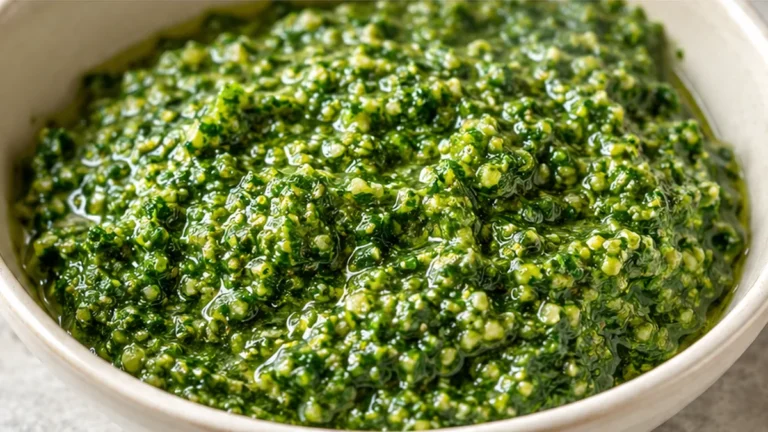
Pesto is the sneakiest, because it reads as a “green vegetable” sauce yet traditional recipes fold in parmesan or pecorino and sometimes anchovy-adjacent flavorings. A jar of pesto is not vegan by default, and that surprises many shoppers who assume basil and oil are the whole story.
The good news is that every rich sauce has a workable swap. Cashew cream stands in for alfredo and bechamel, while nutritional yeast delivers the savory, cheesy depth that pesto and carbonara usually get from parmesan or pecorino. A lentil or mushroom ragu replaces the meat in bolognese without losing the body.
If you want a plant-based sauce to pour over dried pasta tonight, the network recipe roundup at a dedicated pasta-sauce recipe collection is a strong starting point, and cooks avoiding wheat entirely can browse gluten-free pasta and pizza ideas for legume-based options.
Restaurant pasta: house-made usually means egg
Restaurant pasta demands a different question than supermarket pasta, and the key one is whether the pasta is house-made. Kitchens that pride themselves on fresh pasta are almost certainly rolling egg dough, so the “made in-house” boast that signals quality is also a red flag for vegans.
Dried pasta cooked to order is the safer bet, because it starts from the same semolina-and-water base you trust in a box. Ask the server directly, and follow up on two finishing habits that trip up even a plant-based order: butter tossed through at the end, and cheese grated on top. Both are added off-menu and rarely appear in the dish description, which is why a spoken question beats reading the menu.
Two quick questions cover most of the risk:
- Is the pasta house-made and fresh, or dried and boiled to order?
- Is it finished with butter, cream or cheese before it reaches the table?
An edge case worth naming: even a tomato sauce that reads as vegan can be finished with a knob of butter for gloss or a splash of cream to round the acidity. So the “is it finished with butter or cheese” question protects you against the sauce as well as the pasta.
The same interrogate-the-kitchen instinct applies to any ambiguous menu item. Our discussion of whether fish fits a vegan diet and our roasted cauliflower burrito bowls both lean on the same principle: verify before you assume.
Frequently asked questions
Is spaghetti vegan?
Dried spaghetti is almost always vegan, because standard dry pasta is legally just durum wheat semolina and water. Spaghetti is an extruded shape rather than a ribbon cut, so it does not belong to the egg-dough tradition that governs tagliatelle or fettuccine. Check the allergen line anyway, but plain dried spaghetti is one of the safest picks in the aisle.
Is Barilla pasta vegan?
Standard dried Barilla shapes made from semolina and water are vegan, in line with the legal definition of dry pasta. The exception is any line labeled egg pasta or u0022all’uovo,u0022 which by Italian law must contain at least 200 g of egg per 1 kg of semolina. Read the specific box, since egg and filled ranges exist alongside the plain ones.
Are egg noodles vegan?
Egg noodles are not vegan, and the name gives it away. They are built on egg as a binder and colorant, the same way fresh Italian pasta is. Anything marked u0022egg noodles,u0022 u0022all’uovou0022 or u0022uovau0022 contains egg by definition. If you want a noodle without egg, choose plain dried semolina pasta or a legume-based alternative instead.
Does u0022plant-basedu0022 pasta mean vegan?
Not necessarily. Under British Standards Institution guidance, a food described as plant-based can legally contain up to 5 percent animal-derived ingredients. That gap is why a plant-based claim is weaker than a certified logo. Look for the Vegan Society sunflower Vegan Trademark or the Vegan Action Certified Vegan logo, which bar egg, dairy, honey and insect products outright.
Is black squid ink pasta vegan?
No. Black pasta colored with u0022nero di seppiau0022 gets its shade from squid or cuttlefish ink, which is animal-derived, a point flagged by Vegan Food and Living. The Vegan Society standard defines u0022animalu0022 as all vertebrates plus all multicellular invertebrates, so cephalopod ink fails vegan certification. Choose plant-colored pasta, such as spinach or tomato varieties, and confirm no egg is present too.
Are dried lasagne sheets vegan?
Not reliably. Dried lasagne sheets are the classic exception to the u0022dried pasta is safeu0022 rule, because many carry egg even though they sit on the dry shelf rather than in the fridge. Read the allergen line on every box. Egg-free dried lasagne sheets do exist, so look for ones listing only durum wheat semolina and water, or a certified vegan logo.
How long does dried pasta keep?
Properly stored dried pasta keeps for up to about 2 years, which is one reason plain semolina pasta is such a practical pantry staple for plant-based cooks. Store it sealed, cool and dry. Because standard dried pasta contains no egg, dairy or fat beyond the wheat itself, it is shelf-stable in a way fresh, egg-based pasta, which needs refrigeration, never is.