How to cook green lentils well comes down to one idea most recipes skip: green lentils are a hold-their-shape legume, so the whole job is getting them tender in the center without letting the skins blow out into mush. Get the ratio, the heat, and the salt timing right and you end up with firm, nutty lentils that work in a salad, a grain bowl, or a brothy stew. Get them wrong and you get a gray, gluey pot that tastes flat. This guide walks through the method I use every week, plus the things that actually change the outcome: water ratio, salt, hard water, old lentils, the Instant Pot, and how to fix a batch that has gone too far.
I cook lentils as a default protein on this site, so I have run the same one-cup test more times than I can count. The numbers below are not copied from a box. They are what holds up at my stove, with notes on where your kitchen might differ.
What Green Lentils Actually Are
The phrase “green lentils” covers two pretty different things at the grocery store, and that is the first place people go wrong. Standard green lentils, the cheap ones sold in big bags, are a medium-size khaki-green legume. They cook in roughly 20 to 30 minutes and soften noticeably, so they are great for stews and dal but will break down if you push them. French green lentils, also labeled lentilles du Puy or just “Puy lentils,” are smaller, darker, almost slate-green with flecks, and they hold their shape far better. They take a little longer, around 25 to 35 minutes, and stay distinct even after they are fully cooked.
Black beluga lentils behave almost exactly like French green lentils and can be swapped one for one. If a recipe says “use green lentils for salad,” it almost always means the French or beluga type, because those are the ones that survive a vinaigrette without turning to paste. If your bag just says “green lentils” with no origin, assume it is the standard kind and treat it gently. Knowing which one you have changes your timing more than anything else in this article.
The Ratio and the Basic Stovetop Method
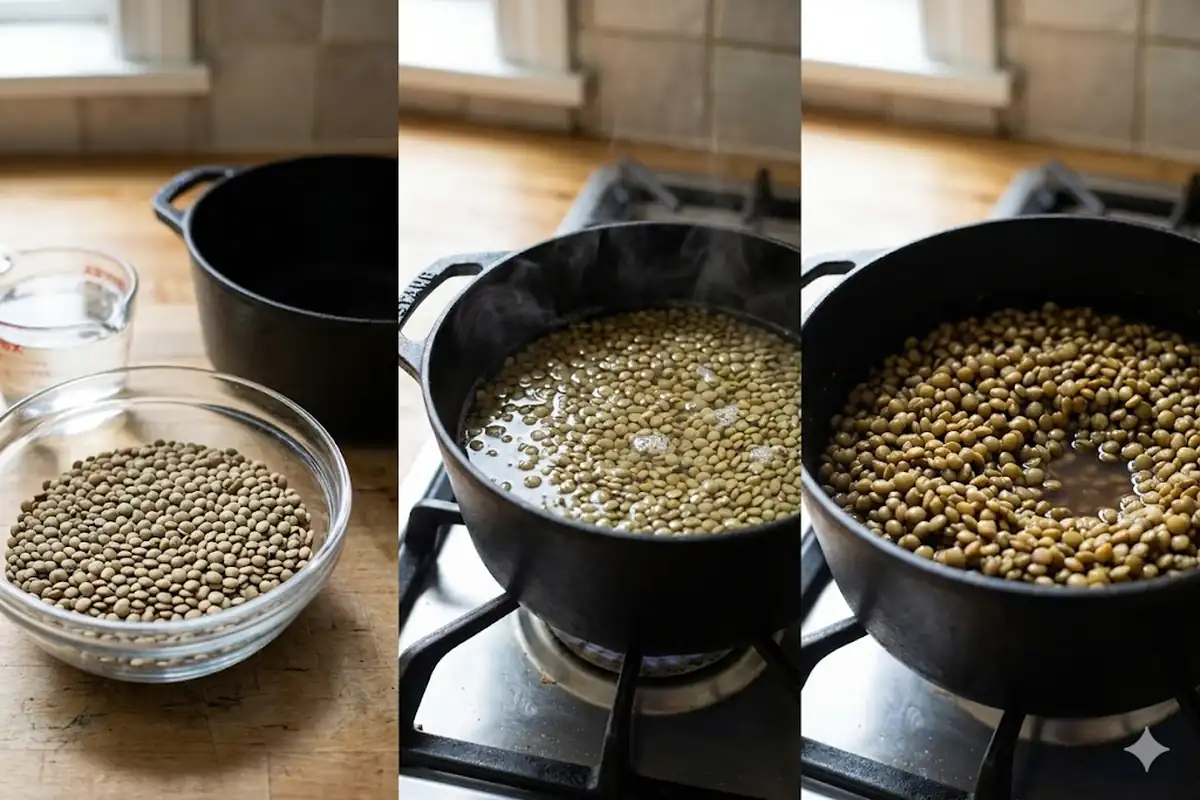
For everyday cooking I use 3 cups of water to 1 cup of dry lentils. That is more water than a strict absorption recipe calls for, and it is on purpose: you cook the lentils in plenty of liquid like pasta, then drain. This gives you the most forgiving result because the lentils are never sitting in a thick sludge that scorches or overcooks unevenly. One cup of dry green lentils gives you about 2.5 cups cooked, enough for three to four servings as a side.
The steps:
- Measure your lentils and tip them onto a plate or sheet pan. Pick out any tiny stones, shriveled lentils, or bits of stem. Bagged lentils almost always have a few, and a single pebble is enough to ruin the meal.
- Rinse them in a fine mesh strainer under cool water until the water runs clear. No soaking needed for green or French lentils.
- Put them in a saucepan with the 3 cups of water and any aromatics you want (more on that below). Do not salt yet.
- Bring to a boil, then drop the heat to a bare simmer and partially cover. You want lazy bubbles, not a rolling boil, which is what knocks the skins off.
- Start tasting at 18 minutes. Standard green lentils are usually done at 20 to 25 minutes; French green at 25 to 35. They should be tender all the way to the center with no chalky core, but still hold their shape.
- Drain off any extra liquid. If you are using them in a salad, spread them on a sheet pan to cool so they stop cooking in their own heat.
The single biggest mistake is boiling hard the whole time. A hard boil tumbles the lentils against each other and the pot, and that mechanical action is what splits the skins. Keep it gentle and you keep them whole.
A few smaller details that add up: use a wide saucepan rather than a tall narrow one, because a shallow layer of lentils cooks more evenly than a deep column where the bottom layer overcooks before the top is done. Skim off any gray foam that rises in the first few minutes; it is just released starch and protein, and skimming it gives a cleaner-tasting pot. And stir gently, only once or twice, with a flat spatula rather than whipping them around with a spoon. The less you agitate them, the more of them stay intact.
When to Add Salt, and Why the Old Rule Is Wrong
You have probably heard that salting lentils or beans early makes them tough and stops them from softening. For dried beans this is mostly a myth, and for lentils it is even less of a concern because they cook so quickly. I add about half a teaspoon of fine salt per cup of dry lentils at the start, and they soften perfectly. Salting in the cooking water seasons the lentil from the inside out, which you cannot replicate by salting at the end.
The one real risk is acid, not salt. Adding tomatoes, vinegar, or lemon to the pot before the lentils are tender will genuinely slow softening and can leave the centers firm no matter how long you simmer. So season with salt early, but hold any acidic ingredients until the lentils are already cooked through. If you are building a tomato-based lentil stew, simmer the lentils until nearly done in plain salted water, then add the tomato.
Aromatics That Make Plain Lentils Taste Like a Dish
Lentils drink up whatever flavor is in their cooking liquid, so the water is free real estate. My standard pot gets a halved onion, two smashed garlic cloves, a bay leaf, and a few sprigs of thyme dropped right in with the lentils. A carrot cut into a couple of chunks adds a faint sweetness. You fish the big pieces out at the end, or squeeze the softened garlic into the lentils and fold it through.
A splash of olive oil in the water keeps foam down and gives a rounder mouthfeel. For an umami backbone without any animal products, a teaspoon of soy sauce or a small piece of dried kombu in the water does a lot. If you want a French bistro feel, finish the drained lentils with a knob of vegan butter, a little Dijon, and a shower of parsley. None of this adds real time, and it is the difference between a side people ignore and one they ask about.
Think of the cooking liquid and the finish as two separate chances to season. The liquid seasons the inside, so that is where salt, kombu, and whole aromatics belong. The finish seasons the surface and brings brightness, so that is where acid, fresh herbs, and a good fat belong. A common trick that works on almost any batch: while the lentils are still warm from draining, toss them with a tablespoon of olive oil, a splash of red wine vinegar or lemon, a pinch of salt, and a little minced shallot. Warm lentils absorb a dressing far better than cold ones, so this thirty-second step locks flavor in before they ever hit the fridge. From there you can take them sweet, spicy, or herby depending on the meal.
Instant Pot and Pressure Cooker Method
This is the step almost every blog post leaves out, and it is the fastest route once you trust it. For the pressure cooker I switch to a tighter ratio because nothing evaporates: 1.5 cups water per 1 cup of dry green lentils, plus salt and aromatics. Standard green lentils need about 8 to 9 minutes at high pressure; French green lentils need about 10 to 12. Let the pressure release naturally for 10 minutes before you open the valve, because a fast release jostles the lentils and splits skins, exactly what we are trying to avoid on the stove.
Because pressure cooking is less forgiving, lean toward the shorter time on your first run and check. If they are slightly firm you can simmer them on saute for a minute or two; if they are mushy you have learned your cooker runs hot and can cut a minute next time. I keep notes taped inside a cabinet for exactly this reason.
Why Your Lentils Came Out Hard or Mushy
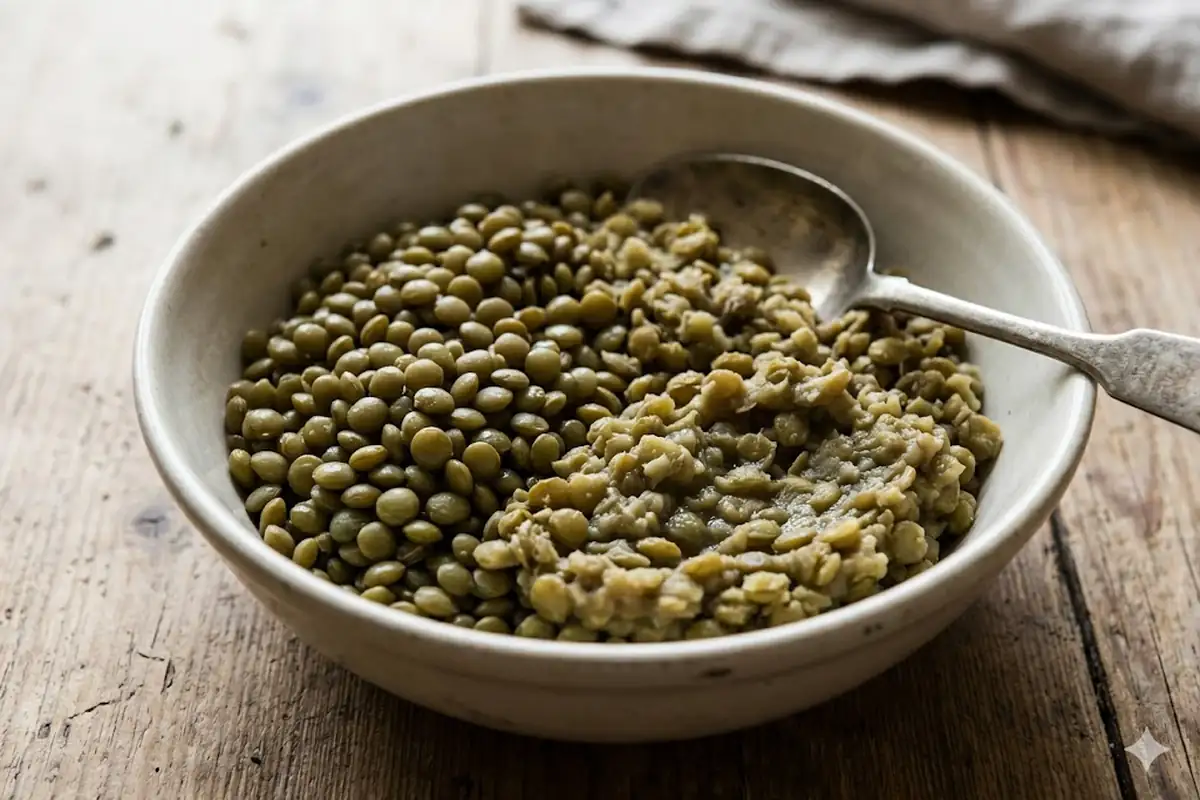
Two opposite problems, two different causes. Lentils that stay hard and chalky after 40 minutes are almost always old. Lentils are dry goods but they are not immortal; after a year or two they lose moisture and simply will not rehydrate to a pleasant texture no matter how long you cook them. Buy from a store with good turnover and use them within a year. Hard water, which is high in calcium and magnesium, can also slow softening; if your tap water is very hard and your lentils fight you, try cooking them in filtered water or add a tiny pinch of baking soda, no more than an eighth of a teaspoon per cup, which raises the pH and helps them soften.
Mushy lentils come from a hard boil, too much time, or the wrong variety for the job. If you wanted firm salad lentils and bought standard green ones, they will go soft faster than you expect; check them five minutes earlier than the package says. And remember carryover cooking: lentils left sitting in their hot liquid keep softening, so drain them the moment they hit the texture you want.
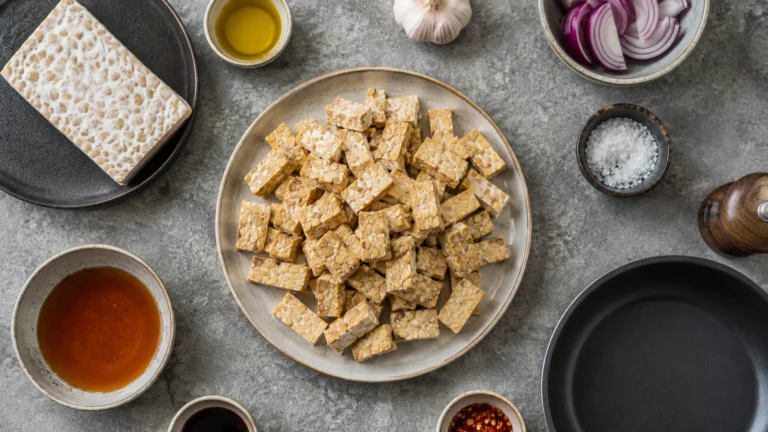
If you are coming to lentils as part of a broader plant-based protein rotation, it helps to know how other staples behave too. The way you handle texture and seasoning here rhymes with how you would prepare tofu for cooking, where pressing and patience do most of the work. Both reward a cook who treats the ingredient on its own terms rather than rushing it.
Storing, Freezing, and Meal Prep
Cooked green lentils keep in an airtight container in the fridge for up to five days, which makes them one of the best batch-cook proteins going. I cook a double batch on Sunday and pull from it all week: a scoop cold over greens, a scoop warmed with garlic and spinach, a scoop blitzed into a quick patty. Keep them slightly undercooked if you know they are going into a dish that will simmer again, so they do not turn to paste on the reheat.
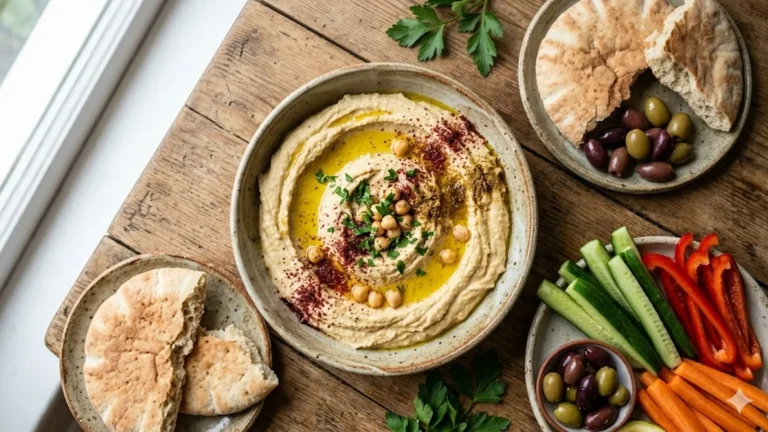
They freeze well too. Cool them completely, spread on a sheet pan to freeze loose, then bag them so you can grab a handful at a time. Frozen cooked lentils last about three months and thaw in minutes in a warm pan or even straight into a soup. Drain them well before freezing; excess water turns to ice crystals that mush the texture. For a bigger picture on building plant-based meals around legumes, my notes on whether hummus is healthy get into how chickpeas and other pulses fit a balanced plate, and the same logic applies to lentils.
Nutrition and Why Green Lentils Earn Their Spot
Green lentils bring about 18 grams of protein and 15 grams of fiber per cooked cup, along with iron, folate, and potassium, for very little money and no soaking. That fiber and protein combination is why they keep you full for hours and why they are a backbone of plant-based eating. Pairing them with a vitamin C source, a squeeze of lemon or some chopped tomato added after cooking, helps your body absorb the plant iron more efficiently.
If you want to go deeper on the research behind legumes and long-term health, the team at NutritionFacts.org has a large library of evidence on beans and lentils, and Forks Over Knives covers how to build everyday meals around them. Both are solid, non-hype sources if you like to know the why behind the what.
One practical note on digestion, since it comes up a lot: lentils contain oligosaccharides, the same family of fibers that can cause gas in beans, though usually to a milder degree. If lentils sit heavy for you, a few habits help. Rinse well, cook them fully soft rather than al dente, and introduce them gradually so your gut bacteria adapt. Aromatics like bay leaf, cumin, ginger, and asafoetida, a pinch of which is traditional in Indian dal, are added partly for this reason. Over a couple of weeks of regular eating, most people find the effect fades as their digestion adjusts to the extra fiber.
Five Ways to Use a Pot of Cooked Lentils
Once you have a batch in the fridge, the cooking is the easy part. Here is how I actually burn through a double batch across a week so nothing goes to waste:
- Warm lentil salad. Toss warm French green lentils with the shallot vinaigrette above, then fold in roasted vegetables and a handful of arugula. Eat warm or at room temperature.
- Quick lentil soup. Saute onion, carrot, and celery, add a can of crushed tomatoes once the lentils are already cooked, then loosen with broth. Standard green lentils are best here since a little breakdown thickens the pot.
- Lentil tacos. Mash a cup of cooked lentils lightly with cumin, smoked paprika, and a splash of the cooking liquid, then crisp in a hot pan. They hold a taco better than you would guess.
- Grain bowl base. Spoon lentils over rice or quinoa, top with greens, avocado, and a tahini drizzle. This is my default lunch and it travels well.
- Lentil patties. Pulse cooked lentils with breadcrumbs, a little flour, and seasoning, form patties, and pan-fry. A slightly mushy batch is perfect for this, so it is a great way to rescue lentils that went a touch too far.
Frequently Asked Questions
Do I need to soak green lentils before cooking?
No. Unlike dried beans, green and French green lentils cook through in 20 to 35 minutes without any soaking. Soaking can actually make them more likely to fall apart and is not worth the extra step. Just sort and rinse them and go straight to the pot.
How much water do I use per cup of green lentils?
For the drain method on the stove, use 3 cups of water per 1 cup of dry lentils and pour off the extra at the end. In a pressure cooker, drop to about 1.5 cups of water per cup of lentils because nothing evaporates. If you want a fully absorbed pilaf-style result on the stove, use about 2 cups of water and watch the pot closely near the end.
Why are my green lentils still hard after a long simmer?
The most common reason is that the lentils are old and have dried out past the point of rehydrating well. Hard water high in minerals can also slow things down, as can adding acidic ingredients like tomato or vinegar too early. Use fresh lentils, salt early but add acid late, and try filtered water if your tap is very hard.
Can I cook green lentils in vegetable broth instead of water?
Yes, and it is one of the easiest upgrades. Swap the water for low-sodium vegetable broth and cut back on added salt so it does not get too salty. The lentils absorb the broth flavor as they cook, which gives you a seasoned base with no extra effort.
What is the difference between green lentils and French green lentils for cooking?
Standard green lentils are larger, cook faster, and soften more, which makes them good for soups, stews, and dal. French green lentils, also called Puy lentils, are smaller and hold their shape after cooking, which makes them the better choice for salads and bowls where you want distinct, firm lentils. Black beluga lentils behave like the French kind.
How do I keep green lentils from turning to mush?
Simmer gently rather than boiling hard, choose the firmer French green type if texture matters, start tasting five minutes before the package time, and drain them the instant they are tender so carryover heat does not overcook them. If you are pressure cooking, use a natural release so the lentils are not thrown around by a sudden burst of steam.