Are Oreos are vegan is the question shoppers type when they flip the package over, and the short answer is that classic Oreos contain no animal ingredients, so they are technically free of dairy, eggs, and other animal products, but Oreo’s own maker does not label them as suitable for vegans because they are produced on lines that also handle milk and carry a “may contain milk” cross-contact warning. That single fact is why this question gets a messier answer than most people expect: by ingredients, an Oreo is a plant-based cookie, yet by the strictest reading of the label and the manufacturer’s own position, it falls into a gray area. Where you land depends on how you personally treat cross-contamination warnings, which is a choice many vegans make differently.
This guide cuts through the confusion. It walks through exactly what is in a classic Oreo, why the cookie has no dairy in its recipe despite the creamy white filling, what the “may contain milk” statement actually means, where Oreo’s maker stands, which flavors are plant-based and which are not, and the two ethical wrinkles (bone-char sugar and palm oil) that some vegans weigh on top of the basic ingredient question. By the end you will be able to read any Oreo package and decide for yourself, with a clear understanding of why the answer is “yes by ingredients, your call on cross-contact” rather than a flat yes or no.
What is actually in a classic Oreo
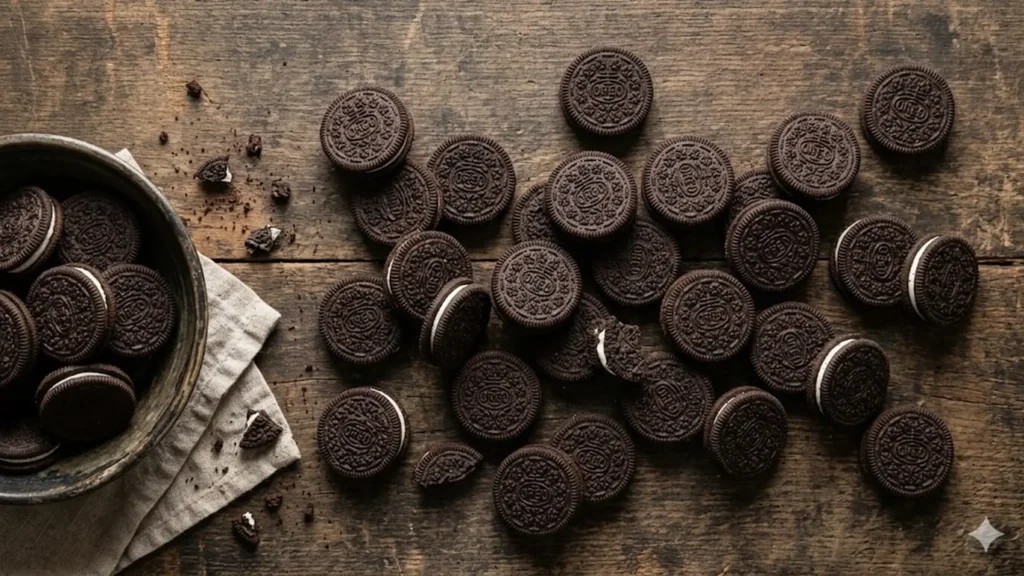
The whole question starts with the ingredient list, and it is more plant-based than the cookie’s appearance suggests. A classic Oreo is built from these core ingredients: wheat flour, sugar, palm and/or canola oil, cocoa, high fructose corn syrup or other sweeteners, leavening, salt, soy lecithin, and artificial flavor. Nowhere on that list is milk, butter, eggs, or any other animal-derived ingredient. The cookie wafers get their color from cocoa, and the filling, despite looking like a dairy cream, is made from sugar and vegetable oil whipped together, not from milk or cream.
This surprises people because the white “creme” center looks and is named like a dairy product. It is not. The creamy texture comes from the fat in the vegetable oil and the structure of the whipped sugar, with soy lecithin acting as an emulsifier to hold it together smoothly. Soy lecithin is plant-derived, so it does not change the answer, the same reassuring story behind whether soy sauce is vegan. By a straight reading of the ingredients, then, a classic Oreo contains nothing from an animal, which is why so many lists of “accidentally vegan” snacks include it. This is the same label-reading skill that helps sort out other packaged products, the way our breakdown of whether Sour Patch Kids are vegan walks through a candy’s list line by line.
Why the filling has no dairy
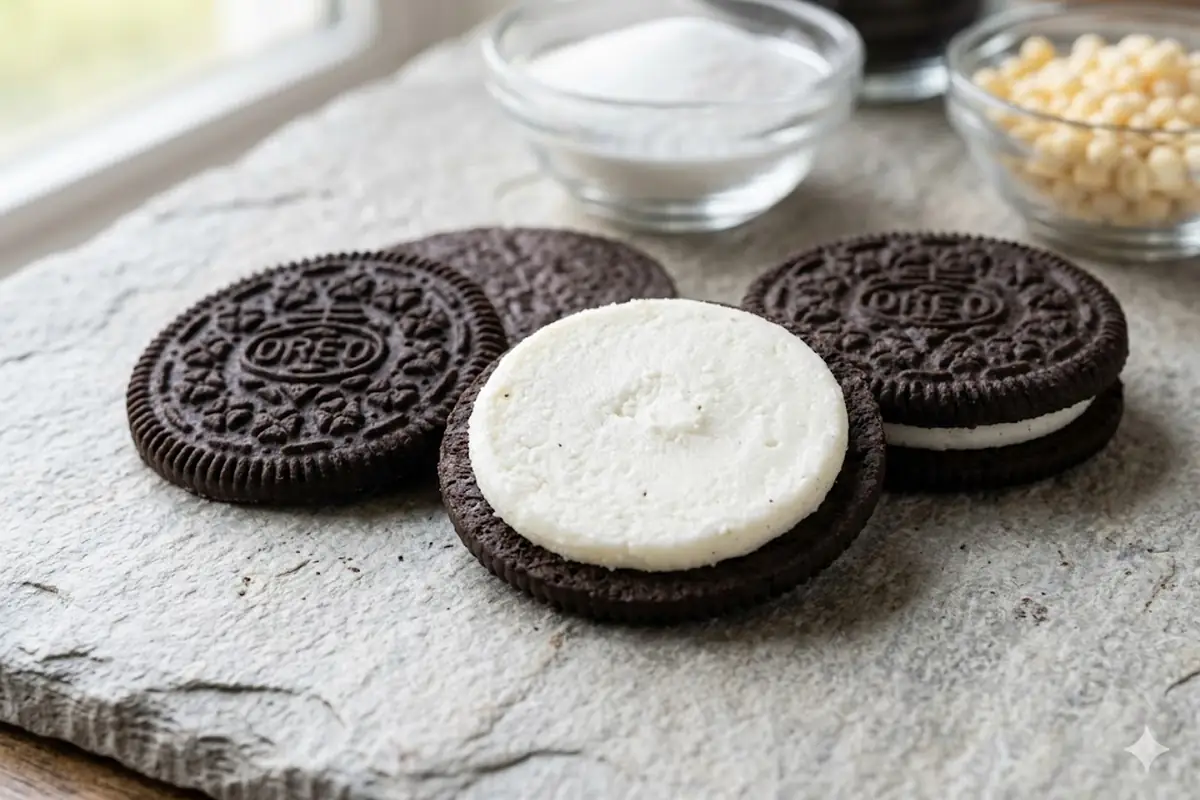
Because the creme is the part that looks most suspect, it deserves a closer look. The Oreo filling is essentially a fat-and-sugar system: vegetable oil provides the rich, smooth body, sugar provides sweetness and structure, and a small amount of soy lecithin keeps the mixture emulsified and stable. Vanillin or artificial flavor gives it the familiar taste. None of those components comes from milk.
The reason this matters is that many cookie and snack fillings do use dairy (milk powder, butter, whey), so it is a fair thing to check. Oreo’s choice to build the filling from vegetable oil instead is part of why the cookie reads as plant-based at the ingredient level. The lesson is to never assume a creamy filling means dairy; the ingredient list is the only reliable guide, and in the Oreo’s case it comes back clean. That leaves the cross-contamination question as the real sticking point, not the recipe itself.
The “may contain milk” warning explained
This is the heart of the whole debate, so it is worth understanding precisely. Oreo packaging in many regions carries a statement like “may contain milk” or “produced in a facility that also processes milk.” This is not an ingredient. It is a cross-contact allergen warning, meaning the cookies are made on shared equipment or in shared facilities where dairy-containing products are also produced, so trace amounts of milk could end up in a batch.
These advisory statements are voluntary in many places and are aimed primarily at people with severe milk allergies, for whom even a trace is a real medical risk. They do not mean the recipe contains milk. For someone with a dairy allergy, the warning is a genuine caution and Oreos may not be safe. For a vegan, the question is philosophical rather than medical: does an unintended trace from shared equipment make a product non-vegan? Different vegans answer that differently, which is exactly why the cookie sits in a gray zone instead of a clear category.
Where Oreo’s maker stands
It helps to know the company’s own position, because it is more cautious than the ingredient list alone would suggest. Oreo’s maker has stated that because of the milk cross-contact, the cookies are not suitable for vegans. In other words, the company will not officially call them vegan, specifically because of the shared-facility dairy risk, even though they do not add any dairy to the recipe.
This is an important distinction. The manufacturer is not saying Oreos contain milk; it is declining to certify them as vegan because it cannot guarantee zero dairy contact. That conservative stance is common among large food companies, which prefer to warn rather than risk an allergic reaction or a misleading claim. So the honest framing is: the recipe is plant-based, the company will not vouch for vegan suitability because of cross-contact, and the final call rests with the individual.
How vegans actually treat cross-contamination
Since the recipe is clean and only cross-contact is at issue, the practical question becomes how strict you want to be, and there is an established framework for it. The widely cited definition of veganism from The Vegan Society describes avoiding animal products “as far as is possible and practicable.” That phrasing matters here.
Under the “possible and practicable” standard, most vegans treat a “may contain milk” cross-contamination warning as acceptable, because the trace is unintentional and avoiding every shared-facility product would make eating nearly impossible. By this common reading, Oreos are considered vegan-friendly, and they appear on countless “accidentally vegan” lists for that reason. A stricter minority avoids any product with a dairy cross-contact warning, in which case Oreos would not qualify. Neither position is wrong; they are different interpretations of the same facts. If you follow the mainstream practicable standard, classic Oreos are fine; if you avoid all cross-contact, they are not. The broader nutrition and ethics context for choices like this is well covered at Forks Over Knives.
Which Oreo flavors are plant-based and which are not
Not every Oreo variety has the same clean list, so checking the specific flavor matters. The classic and many common flavors keep the same dairy-free recipe, while a handful of specialty types add animal ingredients. Here is a general guide, though you should always confirm on the current package since recipes change by region and over time.
| Flavor type | Usually plant-based? | Notes |
|---|---|---|
| Classic / Original | Yes (by ingredients) | Carries may-contain-milk warning |
| Golden | Usually | Check the specific package |
| Dark Chocolate | Usually | Same base recipe |
| Mint, Lemon, Peanut Butter | Usually | Confirm flavor-specific list |
| Fudge-covered / coated | Often not | Coating may contain milk |
| Cakesters / soft-baked | Often not | May contain egg or dairy |
| Seasonal / limited edition | Varies | Always read the label |
The pattern is clear: the standard sandwich cookies keep the plant-based recipe, while anything coated, soft-baked, or specially formulated is where added dairy or egg can appear. The fudge-covered and cake-style products are the most likely to break the pattern. When in doubt, the ingredient list on the exact package you are holding settles it, since a coating or a soft-baked texture often signals added animal ingredients.
The two ethical wrinkles: sugar and palm oil
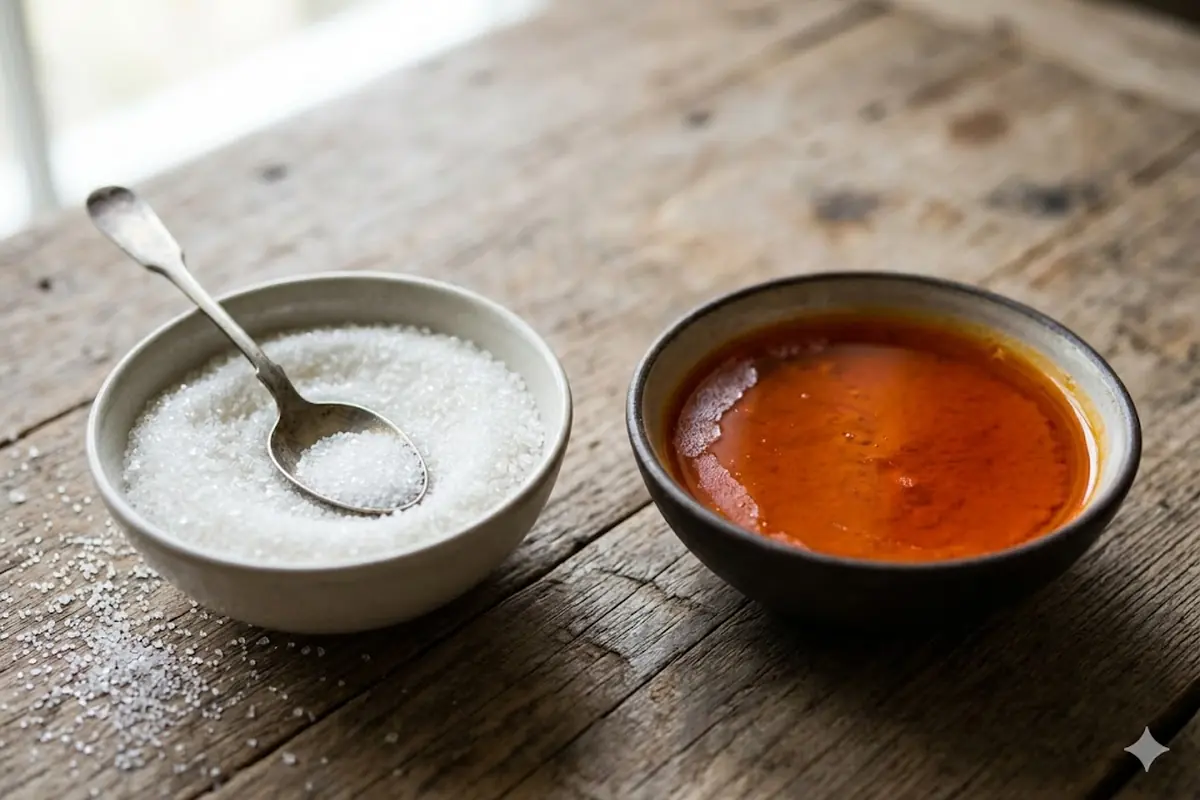
For vegans who weigh ethics beyond the literal ingredient list, two extra issues come up with Oreos, so here is the honest read on each. Neither involves an animal ingredient in the cookie, but both are reasons some vegans hesitate.
Bone-char sugar. In the United States, some cane sugar is filtered through bone char (charred animal bone) during refining. The sugar itself contains no bone char, but the process uses an animal product, which strict vegans avoid. This is not unique to Oreos; it affects most products made with conventional US cane sugar. Organic and beet sugar do not use bone char. Many vegans, and organizations like PETA, treat bone-char sugar as acceptable under the practicable standard, while stricter vegans avoid it.
Palm oil. Oreos typically contain palm oil, which is plant-derived and therefore vegan by definition, but its production is linked to deforestation and habitat loss for endangered species like orangutans. Some vegans avoid or limit palm oil on environmental and animal-welfare grounds, even though it is not an animal ingredient. Oreo’s maker has faced criticism over palm oil sourcing. Whether this matters to you is a separate, values-based decision from the dairy question.
How to read an Oreo label like a vegan
Because recipes and warnings vary by region and change over time, the most useful skill is knowing how to scan any package quickly, so here is the routine. Start with the ingredient list itself and look for the obvious dairy words: milk, milk powder, whey, butter, casein, and lactose. A classic Oreo will not list any of these. Then look for egg, which can show up in soft-baked or cake-style products. If the list is clean of both, the recipe is plant-based.
Next, find the allergen advisory line, usually printed just below or after the ingredients. A statement like “contains milk” means dairy is actually in the product and it is not vegan. A statement like “may contain milk” or “made in a facility that also processes milk” is the cross-contact warning, which is the gray-area case discussed above, not an ingredient. Telling those two apart is the single most important label skill, because “contains” and “may contain” mean very different things. Finally, glance for a vegan certification logo if you want a guaranteed product; its presence means the brand has verified both ingredients and, often, cross-contact controls. With those three checks (dairy words, the advisory line, and any certification) you can judge any cookie in about ten seconds.
A small bonus tip for the classic vegan Oreo experience: dunk them in a plant milk. Oat or soy milk gives the creamiest dunk and keeps the whole snack plant-based, sidestepping the dairy milk most people reach for out of habit. Oat milk in particular matches the cookie’s sweetness without overpowering it, and because the warning is about trace dairy rather than added dairy, pairing the cookie with a plant milk keeps the rest of your snack squarely plant-based regardless of where you land on the cross-contact question.
What to do if you want a guaranteed plant-based cookie
If the cross-contact warning or the ethical wrinkles bother you, there are clean alternatives, so you are not stuck. Several brands make sandwich cookies that are certified vegan, with no dairy facility warning and often organic, non-bone-char sugar and sustainable palm oil or no palm oil at all. Reading for a vegan certification logo is the fastest way to find them.
The most satisfying route, though, is homemade. A from-scratch chocolate sandwich cookie lets you control every ingredient: use beet or organic sugar to sidestep bone char, choose your fat, and skip any cross-contact entirely. Recipe resources like Minimalist Baker have plant-based cookie recipes that recreate the Oreo experience without any of the gray areas. For everyday snacking, though, most vegans who follow the practicable standard simply enjoy the classic cookie and move on.
Frequently asked questions
Do Oreos contain milk or dairy?
Classic Oreos do not contain milk or dairy in the recipe. The creme filling is made from sugar and vegetable oil, not cream or butter, and the wafers contain no dairy. However, the packaging carries a “may contain milk” warning because the cookies are made on shared equipment that also processes dairy, so trace cross-contact is possible.
Why does Oreo say they are not suitable for vegans?
Oreo’s maker says they are not suitable for vegans specifically because of milk cross-contact in their facilities, not because the recipe contains dairy. The company will not certify them as vegan since it cannot guarantee zero trace of milk from shared production lines. The ingredients themselves are plant-based; the caution is about cross-contamination.
Are Oreos considered vegan by most vegans?
Most vegans consider classic Oreos acceptable under The Vegan Society’s “as far as possible and practicable” standard, which treats unintentional cross-contact traces as unavoidable. By that common reading they are vegan-friendly and appear on many accidentally-vegan lists. A stricter minority who avoid all dairy cross-contact warnings would not eat them. It comes down to your personal standard.
Which Oreo flavors are not vegan?
The standard sandwich cookies keep the plant-based recipe, but coated, soft-baked, and some specialty types can contain dairy or egg. Fudge-covered Oreos, Cakesters or soft-baked styles, and certain seasonal or limited editions are the ones most likely to include animal ingredients. Always check the ingredient list on the specific package, since recipes vary by flavor and region.
Is the sugar in Oreos vegan?
The sugar in Oreos contains no animal ingredient, but in the US some cane sugar is refined using bone char, an animal-derived filter. The sugar itself has none in it, yet strict vegans avoid sugar processed this way. Organic and beet sugar do not use bone char. Many vegans accept it under the practicable standard, while stricter ones avoid it.
Is palm oil in Oreos vegan?
Palm oil is plant-derived, so it is technically vegan, and Oreos typically contain it. The concern some vegans raise is environmental: palm oil production is linked to deforestation and harm to endangered species like orangutans. That is an ethical and ecological consideration separate from whether the ingredient is animal-based, and it leads some vegans to limit palm oil even though it is not from an animal.
The bottom line
Classic Oreos are plant-based by ingredients, with a creme filling made from sugar and vegetable oil rather than dairy, no eggs, and no other animal products in the recipe. The reason they are not a clean “yes” is the “may contain milk” warning: the cookies are made on shared equipment with dairy, so Oreo’s own maker declines to call them vegan-suitable. Most vegans, following the “as far as possible and practicable” standard, treat classic Oreos as acceptable, while stricter vegans who avoid all cross-contact warnings do not. On top of that sit two values-based wrinkles, bone-char sugar and palm oil, that some vegans weigh. Read the exact package, avoid the coated and soft-baked specialty types, and decide based on your own standard. By ingredients the answer is yes; on cross-contact and ethics, the call is honestly yours to make.