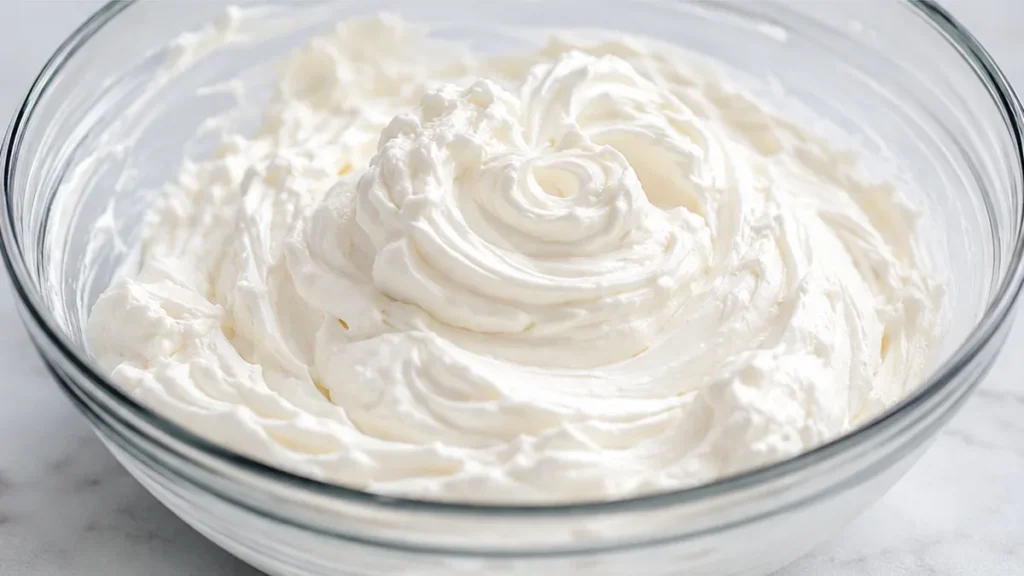
Creating a truly luscious coconut whipped cream starts with the right foundation: a well-chilled can of full-fat coconut milk. This simple dairy-free alternative offers a velvety texture and delicate sweetness, making it a versatile topping for a wide range of desserts and beverages. This coconut whipped cream is incredibly easy to prepare, requiring just two ingredients and a few minutes of active time. It’s an ideal choice for those seeking a plant-based option without compromising on taste or texture, transforming everyday treats into something special. Thoroughly chilled coconut milk is absolutely key to separating the cream from the liquid; without it, the texture turns slightly grainy instead of perfectly smooth and airy.
Key takeaways
- Chill full-fat coconut milk thoroughly for at least 12 hours to solidify the cream.
- Use only the solid cream from the top of the can, leaving the liquid behind.
- Whip with an electric mixer until stiff peaks form, being careful not to over-whip.
- Serve immediately or keep chilled as it is temperature-sensitive.
Dreamy Coconut Whipped Cream!
Ingredients
- 1 can full fat coconut milk
- 1 teaspoon powdered sugar
- A large bowl (for beating)
- Handheld electric mixer
- Spatula or spoon
- 1/2 teaspoon vanilla extract
Instructions
- Place the can of full fat coconut milk in the refrigerator to chill overnight.
- Being careful to not shake the can, open the coconut milk.
- Spoon out the thick coconut cream into a large bowl, which is about 2/3 of the can. Once you get to the liquid, stop and discard or save for smoothies.
- Beat the coconut cream with a handheld electric or stand mixer for 1 minute until smooth.
- Add the powdered sugar and continue to beat until light and fluffy, about 30 more seconds, or until soft peaks form.
Notes
The Science Behind Creamy Coconut Whipped Cream
The magic of turning canned coconut milk into a fluffy, whipped cream relies on the fat content and temperature. Full-fat coconut milk contains a high percentage of saturated fat, which solidifies when chilled. When you open the can, the solid cream separates from the liquid coconut water. The key to successful whipping is to use only this solidified cream, ensuring it’s thoroughly chilled. The handheld electric mixer incorporates air into the fat globules, creating an emulsion that traps the air and results in a light, airy texture. The powdered sugar not only sweetens but also helps stabilize the whipped cream slightly due to its fine texture and cornstarch content (if present in the brand). Vanilla extract adds flavor. The process is analogous to whipping dairy cream, where the fat content is crucial for trapping air.
Troubleshooting Common Issues
- Problem: Cream is too thin and won’t whip.
- Fix: Ensure your coconut milk was full-fat and, most importantly, thoroughly chilled for at least 12-24 hours, preferably overnight. The can should be firm and solid. If it’s still liquid, it won’t whip. You may need to chill it longer or try a different brand known for its high fat content.
- Problem: Cream is grainy or separated.
- Fix: This can happen if the cream is over-whipped or if the initial chilling wasn’t sufficient, leading to uneven fat solidification. Stop whipping as soon as you reach stiff peaks. If it’s slightly grainy, try gently folding it with a spatula instead of beating further.
- Problem: Cream tastes too strongly of coconut.
- Fix: While some coconut flavor is inherent, you can mask it slightly with additional flavorings. Consider adding a touch more vanilla extract, a pinch of salt to balance sweetness, or even a drop of almond extract. Ensure you used the solid cream only, as the liquid can impart a stronger flavor.
- Problem: Cream melts too quickly.
- Fix: Coconut whipped cream is temperature-sensitive. For best results, serve immediately or keep chilled. Adding a stabilizer like a teaspoon of cornstarch or a tablespoon of powdered sugar can help it hold its shape longer, especially in warmer environments.
Ingredient Substitutions and Their Effects
- Powdered Sugar: You can substitute with granulated sugar, but it may not dissolve as easily and could make the cream slightly gritty. Start with a smaller amount and add more to taste. Maple syrup or agave nectar can also be used for liquid sweeteners, but they will add moisture and may make the cream less stable.
- Vanilla Extract: Other extracts like almond, peppermint, or lemon can be used to change the flavor profile. Use sparingly as they can be potent. A pinch of cinnamon or cardamom can also add warmth.
- Full-Fat Coconut Milk: Light coconut milk or coconut cream from a carton will not work as they lack the necessary fat content to solidify and whip. Only canned, full-fat coconut milk (or a specific coconut cream product designed for whipping) will yield the desired results.
- Sweetener Amount: Adjust the amount of powdered sugar to your preference. For a less sweet version, start with only half a teaspoon. For a sweeter cream, you can increase it slightly, but be mindful that too much sugar can affect texture.
Pro tips
– For best results, use a can of full-fat coconut milk that has been undisturbed and chilled in the refrigerator for at least 12-24 hours. This allows the cream to solidify and separate from the liquid. – Avoid shaking the can before opening to keep the cream and liquid distinct. Gently scoop out only the thick, solid cream. – Store leftover coconut whipped cream in an airtight container in the refrigerator for up to 3-4 days. It may firm up when chilled; re-whisk briefly before serving if needed.
Enjoy this versatile coconut whipped cream on all your favorite desserts! Experiment with a touch of vanilla extract or a pinch of cinnamon for added flavor. Share your creations!
Frequently asked questions
Why is my coconut milk not whipping?
The most common reason is insufficient chilling. Ensure your full-fat coconut milk can was refrigerated for at least 12-24 hours, allowing the fat to solidify completely. Using a brand with a high fat content (17% or more) is also crucial for successful whipping.
Can I use light coconut milk instead?
No, light coconut milk does not contain enough fat to solidify and whip into a cream. You must use full-fat canned coconut milk. The solid cream that separates when chilled is the key ingredient for achieving a whipped texture.
How long will coconut whipped cream last?
Stored in an airtight container in the refrigerator, homemade coconut whipped cream typically lasts for 3-5 days. However, its texture may change over time, becoming denser or slightly weeping liquid.
Can I make coconut whipped cream ahead of time?
Yes, you can make it ahead of time. Whip the cream and store it in an airtight container in the refrigerator. It’s best to use it within a couple of days for optimal texture. It may need a gentle stir before serving if it separates slightly.
More from Vegan Desserts →