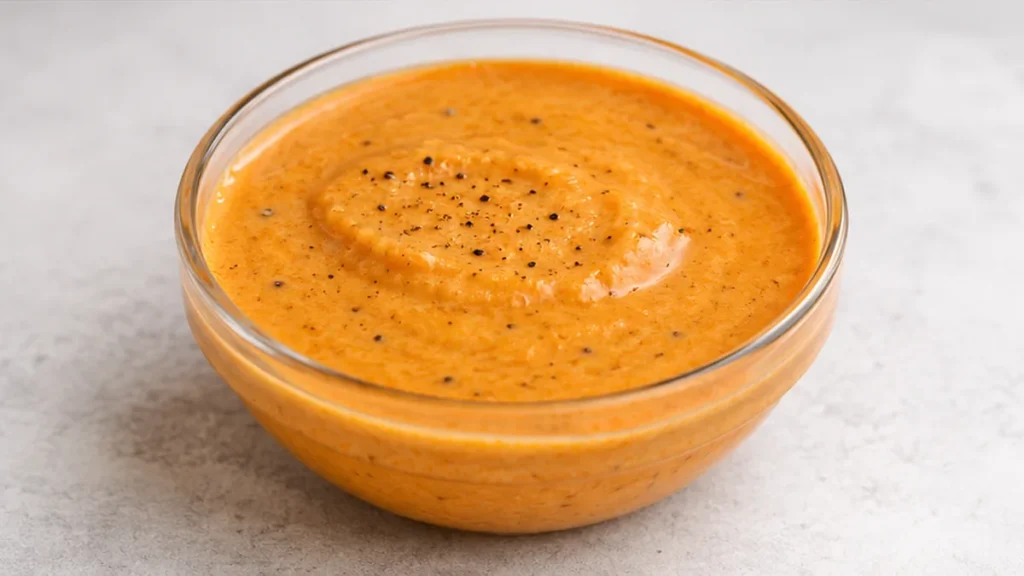
The secret to a truly creamy carrot dressing lies in proper emulsification, ensuring the oil is perfectly suspended within the bright vegetable and umami-rich miso base. This carrot dressing recipe simplifies the process, making it accessible for any home cook looking to improve their meals with a fresh, savory kick in just minutes. This particular carrot dressing stands out by blending the natural sweetness of carrots with the complex depth of miso, creating a versatile condiment that’s not just for salads. Its quick preparation and minimal ingredients make it an ideal choice for busy weeknights, offering a gourmet touch without the fuss.
Key takeaways
- Finely grate the carrot for a smoother, more stable emulsion
- Slowly drizzle oil while blending to prevent separation
- Adjust acidity and seasoning to balance flavors after initial blend
- Refrigerate for 30 minutes to allow flavors to meld properly
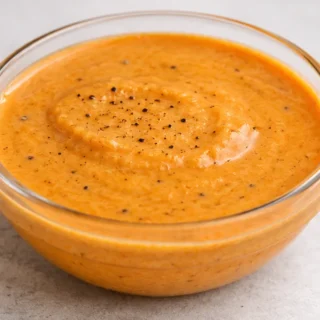
” Creamy Carrot Miso Dressing for Salads
Ingredients
- 1 large carrot, finely grated (about 1/2 cup)
- 1 tablespoon ginger, minced
- 1 tablespoon rice wine vinegar
- 1 tablespoon yellow or white miso
- 3 tablespoons vegetable or canola oil
- 1/4 teaspoon black pepper
Instructions
- In a food processor or blender, combine the grated carrot, minced ginger, rice wine vinegar, and miso paste. Process until the mixture is completely smooth, scraping down the sides as needed.
- With the food processor or blender running on low speed, slowly drizzle in the vegetable or canola oil in a steady stream until the dressing emulsifies and becomes thick and creamy.
- Taste the dressing and adjust seasonings if necessary, adding a pinch of salt or a touch more vinegar to your preference.
- Transfer the creamy carrot miso dressing to an airtight container and refrigerate for at least 30 minutes before serving to allow the flavors to meld. Store in the refrigerator for up to 5 days.
Notes
The Technique That Makes It
This carrot dressing relies heavily on the principle of emulsification to achieve its signature creamy texture and stable consistency. The key is the interaction between the grated carrot, miso, and vinegar—the latter providing crucial acidity—and the oil. When these ingredients are vigorously blended, the oil, which is typically immiscible with water-based components, is broken down into tiny droplets. These droplets become suspended within the aqueous phase, stabilized by the proteins and starches from the grated carrot and miso. Using finely grated carrot is crucial here; its increased surface area allows for better interaction with other ingredients, leading to a smoother, more homogenous emulsion. The rice wine vinegar not only aids in stabilizing this emulsion but also balances the natural sweetness of the carrot and the umami of the miso, preventing a flat taste profile. Proper, continuous blending ensures the oil is evenly distributed, resulting in a dressing that is thick, creamy, and resistant to separation over time.
Troubleshooting
- Dressing is too thick? Gradually whisk in a teaspoon of water or a bit more rice wine vinegar until the desired consistency is reached. This helps to further break down the emulsion and thin it out without losing flavor.
- Dressing has separated? This commonly occurs if the oil was added too quickly or not properly emulsified initially. To fix this, place the separated dressing back into a blender or food processor and blend vigorously. Slowly drizzle in an additional half teaspoon of oil while blending to re-establish the emulsion.
- Dressing is too bland? Taste and adjust seasoning. You might need a pinch more salt (especially if your miso is low-sodium), a touch more vinegar for brightness, or a bit more black pepper for a subtle kick. Sometimes, a dash of sesame oil can add depth.
- Dressing is grainy? This indicates the carrot wasn’t grated finely enough or the miso wasn’t fully incorporated. Blend for a longer duration, or for future batches, consider using a finer grater for the carrot or even pureeing it separately before combining.
Substitutions
- Carrot: You can substitute with pureed cooked sweet potato for a similar sweetness and creamy texture, though the color will be a deeper orange and the flavor profile slightly earthier.
- Rice Wine Vinegar: Apple cider vinegar or white wine vinegar can be used. Expect a slightly different tang and brighter flavor, with apple cider offering a fruitier note.
- Yellow or White Miso: Red miso can be used, but it will impart a stronger, saltier, and more intense umami flavor. This can easily overpower the delicate carrot, so use half the amount and taste before adding more.
- Vegetable or Canola Oil: A neutral-flavored olive oil (not extra virgin, as its strong flavor can clash) or avocado oil can be substituted. The dressing will have a slightly different mouthfeel and a subtle nutty undertone.
Pro tips
- For an extra smooth carrot dressing, use a high-speed blender and blend for an additional minute, ensuring no fibrous bits remain.
- If the dressing is too thick, add a teaspoon of water at a time until desired consistency is reached; adding it gradually helps prevent over-thinning.
- Store leftover carrot dressing in an airtight container in the refrigerator for up to 5 days. Shake well before each use, as natural separation can occur.
- For a spicier kick, increase the amount of fresh minced ginger to 1.5 tablespoons. Taste and adjust to your preference, as ginger potency varies.
This Carrot Miso Dressing is a versatile addition to your culinary repertoire. Experiment with it on roasted vegetables or as a unique marinade for tofu or chicken. Enjoy your flavorful creation!
Frequently asked questions
How long will this dressing last?
This carrot dressing should be stored in an airtight container in the refrigerator. Due to the fresh carrot and lack of preservatives, it’s best consumed within 5-7 days for optimal freshness and flavor. Always give it a good shake or whisk before each use as some separation can naturally occur over time.
Can I make this dressing ahead of time?
Yes, this dressing can be made ahead of time. In fact, allowing the flavors to meld for a few hours in the refrigerator can often enhance the overall taste. Ensure it is stored properly in an airtight container to maintain its quality.
What kind of miso is best for this recipe?
Yellow or white miso paste is recommended for this carrot dressing as they offer a milder, sweeter umami flavor that complements the carrots without overpowering them. Red miso can be used, but it has a stronger, saltier profile that may require adjusting other seasonings.
What if my dressing separates after blending?
If your dressing separates, it’s often due to insufficient emulsification. Return it to the blender or food processor, and while blending on low, slowly drizzle in another teaspoon of oil or water. This helps re-establish the emulsion by breaking down the oil into smaller droplets and suspending them uniformly.