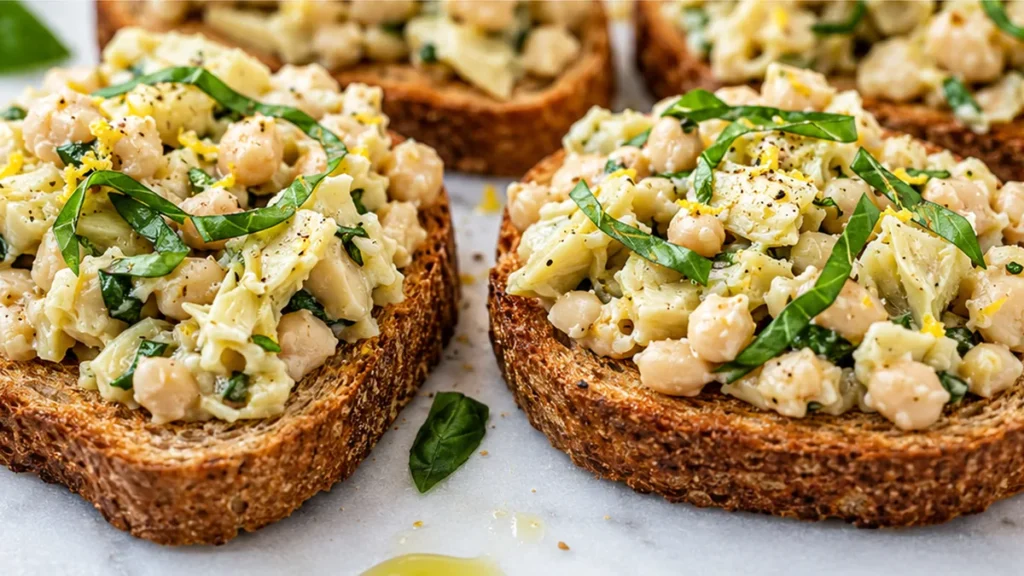
The secret to truly delicious white bean toasts lies in the freshness of ingredients and a quick, bright assembly. This recipe, designed for speed and flavor, brings together creamy white beans, tangy artichokes, and aromatic basil on crisp whole wheat bread. It’s an ideal choice for a light lunch, a healthy snack, or an impressive last-minute appetizer. White bean toasts are a quick, nourishing meal built from pantry staples. The combination of textures and bright flavors made it an instant favorite. This particular version ensures every bite is packed with goodness without requiring extensive cooking.
Key takeaways
- Mash white beans thoroughly with olive oil and lemon juice to create a creamy emulsion.
- Toast bread until crisp to provide a sturdy base and textural contrast.
- Combine the creamy spread with tender artichoke hearts and fresh greens for layered flavor and texture.
- Season generously with salt, pepper, and lemon juice to enhance the brightness of the ingredients.
10-Minute White Bean Artichoke Toasts
Ingredients
- 1 clove garlic
- 1 14-ounce can chickpeas or white beans, rinsed and drained
- a handful of fresh basil
- juice of one lemon (or two, if you love tangy like me!)
- a generous drizzle of good quality olive oil
- salt and pepper to taste
- 1 heaping cup canned or jarred artichoke hearts, drained
- about 2 cups fresh baby spinach or other greens
- 10 small pieces of whole wheat bread, toasted
Instructions
- Pulse the garlic and chickpeas and about half of the basil in a food processor until finely minced and crumbly.
- Cut the remaining basil into ribbons and chop the artichokes. Toss the chickpea mixture with the lemon, olive oil, salt and pepper, and artichoke hearts. Taste and adjust to your liking.
- Add the spinach or greens just before serving.
- Serve on the toasted bread.
Notes
The Technique That Makes It: Emulsification and Texture Contrast
The magic of these white bean toasts lies in two key elements: the creamy, emulsified white bean spread and the textural contrast it provides. The base of the spread is created by mashing the rinsed and drained white beans (or chickpeas). This process breaks down the starches within the beans, releasing them and allowing them to bind with the liquid ingredients. Adding the garlic, basil, lemon juice, and olive oil, then mashing or processing them together, creates a simple yet effective emulsion. The olive oil, being a fat, coats the bean particles and helps to create a smooth, cohesive mixture. Proper mashing is crucial; over-mashing can lead to a gummy texture, while under-mashing will result in a chunky, less appealing spread. The goal is a spreadable consistency that coats the back of a spoon. The second crucial element is the contrast: the creamy, slightly tangy bean spread against the crisp, toasted whole wheat bread and the tender, slightly yielding artichoke hearts, all topped with the fresh, peppery bite of spinach. This combination of soft, crisp, and tender textures, along with the bright, savory flavors, elevates simple toasts into a satisfying snack or light meal.
Troubleshooting
- Problem: The white bean spread is too dry and crumbly. Fix: Gradually incorporate more olive oil, a teaspoon at a time, while continuing to mash or process until a smoother, more spreadable consistency is achieved. A tiny splash of water can also help loosen it.
- Problem: The spread is too wet or soupy. Fix: If you’ve added too much liquid, try mashing in a few more beans or a small amount of breadcrumbs to absorb excess moisture. Let it sit for a few minutes to allow it to thicken slightly.
- Problem: The toasts are soggy. Fix: Ensure your bread is toasted to a crisp, golden brown. Avoid spreading the bean mixture too far in advance of serving, as the moisture from the spread can soften the toast over time.
- Problem: The flavor is bland. Fix: Taste and adjust seasoning before serving. Add more salt, pepper, or a touch more lemon juice to brighten the flavors. A pinch of red pepper flakes can also add a subtle warmth.
Substitutions
- Beans: Cannellini beans or Great Northern beans are excellent substitutes for the specified white beans, offering a similar creamy texture and mild flavor. Chickpeas are also a great option, providing a slightly nuttier taste.
- Greens: Arugula offers a more peppery bite, while microgreens can add a delicate, fresh finish. Even finely chopped parsley or chives can be used for an herbaceous note.
- Bread: Sourdough or a hearty rye bread will provide a different flavor profile and texture. Ensure the bread is sturdy enough to hold the toppings. Gluten-free bread can be used for those with dietary restrictions.
- Artichoke Hearts: While canned or jarred are convenient, marinated artichoke hearts can be used, but be mindful of the added oil and seasonings, adjusting the salt and olive oil in the spread accordingly.
Pro tips
- For extra zest, finely grate a little lemon zest into the mixture along with the juice. – If you don’t have a food processor, finely mash the chickpeas with a fork and mince the garlic by hand for a chunkier texture.
- To store any leftover mixture, place it in an airtight container in the refrigerator for up to 3 days. Reheat gently or serve chilled on fresh toast.
Try these white bean artichoke basil toasts for a remarkably simple yet satisfying meal or appetizer. Experiment with different herbs like parsley or dill for a fresh twist. Enjoy!
Frequently asked questions
Can I make the white bean spread ahead of time?
Yes, the white bean spread can be made up to 2 days in advance and stored in an airtight container in the refrigerator. It may thicken slightly when chilled, so allow it to come to room temperature or stir in a little extra olive oil before spreading on toast.
What if I don’t have fresh basil?
Dried basil can be used as a substitute, but use it sparingly as it has a more concentrated flavor. Start with about 1/2 teaspoon of dried basil and add more to taste. Fresh parsley or mint can also be used for a different herbaceous note.
Can I use canned artichoke hearts packed in water or brine?
Yes, canned artichoke hearts packed in water or brine work well. Ensure they are thoroughly drained and patted dry before chopping to avoid making the bean spread too watery. Marinated artichokes can also be used, but adjust seasoning as they often contain added oil and salt.
How can I make this recipe vegan?
This recipe is naturally vegan as written, provided you use standard whole wheat bread. Ensure your olive oil is of good quality and that no dairy or animal products are used in any substituted ingredients.
More from Vegan Breakfast →