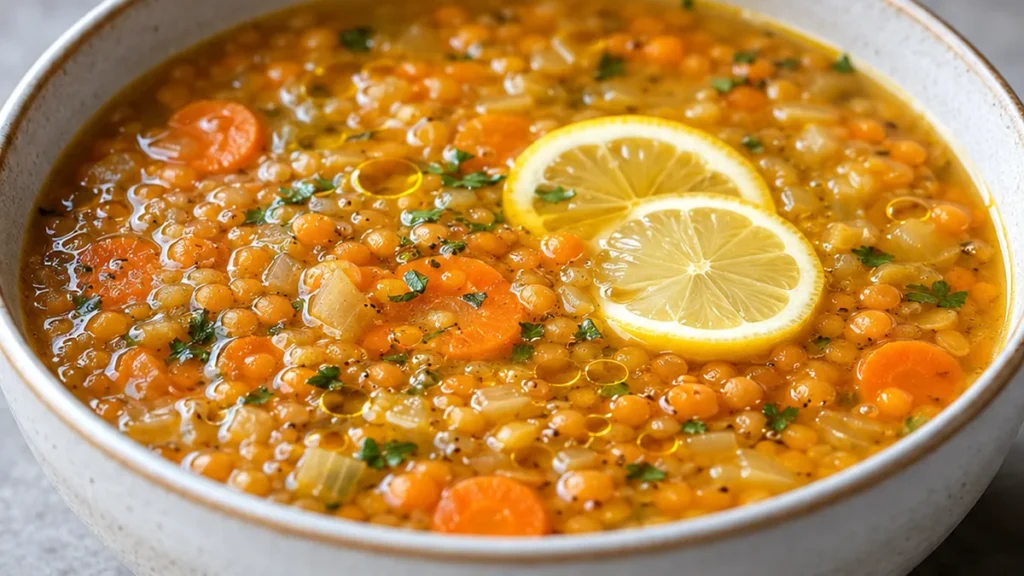
Lemon lentil soup brings together the bright acidity of lemon with the earthy depth of lentils and spices. This particular lemon lentil soup recipe focuses on creating a harmonious flavor profile that is both comforting and invigorating, making it an excellent choice for a light lunch or a warming dinner. The addition of turmeric and cumin rounds out this lemon lentil soup, giving it a golden hue and a complex aroma that stands out from more basic versions. It’s a simple recipe that delivers impressive results, perfect for those seeking nutritious and easy-to-prepare meals.
Key takeaways
- Use red lentils for a creamy texture that thickens the soup.
- Add lemon juice at the end to maintain its bright flavor.
- Sauté vegetables until just tender to enhance their sweetness.
- Season towards the end to adjust flavors effectively.
Zesty Lemon Lentil Soup
Ingredients
- 1-2 tablespoons olive oil or avocado oil
- 1 medium yellow onion (diced)
- 2 stalks celery (chopped)
- 3 large carrots (peeled and sliced)
- 4 cloves garlic (minced)
- 6 cups vegetable stock
- 1 1/2 cups red lentils
- 2 bay leaves
- 1/2 teaspoon turmeric
- 1 teaspoon cumin
- Fresh lemon juice (from 1-2 lemons)
- Lemon zest (from 1-2 lemons)
- Salt to taste
- Black pepper to taste
- 2 cups fresh spinach (optional)
- Fresh cilantro or parsley for garnish
Instructions
- Heat the oil in a large stock pot over medium heat. Add the onion, celery, and carrots and cook, stirring frequently, until the vegetables are soft and the onions are translucent, about 3-4 minutes. Add the minced garlic and cook for another minute, until fragrant.
- Pour the vegetable stock over the vegetables, then add the red lentils, bay leaves, turmeric, and cumin and stir well. Turn the heat up to medium-high to bring the soup to a boil, then reduce the heat to medium-low to simmer. Cover and simmer for 12-15 minutes, until the lentils are soft.
- Remove the lid and stir in the lemon juice, lemon zest, salt, and pepper.
- Transfer 2 cups of soup to a blender and blend on high until smooth, then pour it back into the soup and stir to combine. Alternatively, use an immersion blender to partially blend the soup to your desired consistency.
- Add the spinach, if using, and cook to wilt for 2-3 minutes. Taste and add more salt and pepper as needed. Serve with fresh cracked black pepper, cilantro, or parsley.
Notes
Understanding the Role of Lentils in Texture
The choice of red lentils in this lemon lentil soup is crucial. Red lentils cook quickly and break down into a creamy texture, which is ideal for soups. They typically take about 15-20 minutes to cook, absorbing liquid and thickening the soup. This contrasts with green or brown lentils, which maintain their shape and require longer cooking times.
Balancing Acidity and Flavor
Fresh lemon juice and zest are essential for achieving the bright, zesty flavor that defines this soup. The acidity from the lemons not only enhances the taste but also balances the earthiness of the lentils. Adding lemon juice at the end of cooking preserves its fresh flavor, while zest can be added at any time for a more profound lemon aroma.
Why Overcooked Vegetables Diminish Flavor
Overcooking the vegetables can lead to a mushy texture and loss of flavor. Sauté the onions, celery, and carrots for about 5-7 minutes until they are softened but still retain some structure. This technique ensures that the vegetables contribute their sweetness and texture to the soup without becoming unappetizingly soft.
Importance of Seasoning at the Right Time
Seasoning with salt and pepper should be done towards the end of cooking. This allows you to adjust the flavor without over-salting the soup. Start with a small amount, taste after adding the lemon juice, and adjust as necessary. Remember that the vegetable stock may already contain salt, so taste before adding more.
Enhancing Nutritional Value with Greens
Adding fresh spinach not only boosts the nutritional profile of the soup but also adds a vibrant color. If included, add the spinach in the last 2-3 minutes of cooking to retain its nutrients and bright green color. This technique ensures that the spinach wilts perfectly without losing its health benefits.
Understanding the Role of Fresh Ingredients in Flavor Development
The quality of the vegetables used in lemon lentil soup significantly impacts the overall flavor profile. Fresh, seasonal produce enhances the soup’s taste, while older, less vibrant ingredients can lead to a dull and less appealing dish. For instance, using fresh carrots and celery will provide a natural sweetness and crunch, while their older counterparts may lack flavor and texture. Aim for firm, brightly colored vegetables to ensure optimal taste. Additionally, the freshness of the herbs, particularly cilantro or parsley, contributes aromatic notes that elevate the dish. When possible, select organic produce to maximize flavor and nutritional benefits.
Scaling Your Lemon Lentil Soup for Meal Prep
This recipe is highly adaptable for larger batches, making it perfect for meal prep. To scale the lemon lentil soup, simply multiply the ingredient quantities by the desired batch size. For example, if you want to prepare enough for a week, doubling or tripling the ingredients is straightforward. Keep in mind that cooking time may increase slightly with larger quantities, so ensure the lentils are tender by checking them periodically. One key aspect is to maintain the same ratios of lentils to liquid; for every cup of lentils, use about four cups of stock. This ensures proper consistency and prevents the soup from becoming too thick or too watery.
Choosing the Right Equipment for Optimal Cooking
The choice of cooking equipment can significantly affect the outcome of your lemon lentil soup. A heavy-bottomed pot or Dutch oven is ideal as it provides even heat distribution, preventing the lentils from sticking or burning. If using an Instant Pot, reduce the cooking time to about 10-15 minutes under high pressure, which can yield a similar texture with less oversight. Additionally, using a blender to puree part of the soup can create a creamier texture without adding dairy, giving it a richer mouthfeel. Remember to blend in batches if necessary to avoid overflow.
Seasonal Adjustments for a Unique Twist
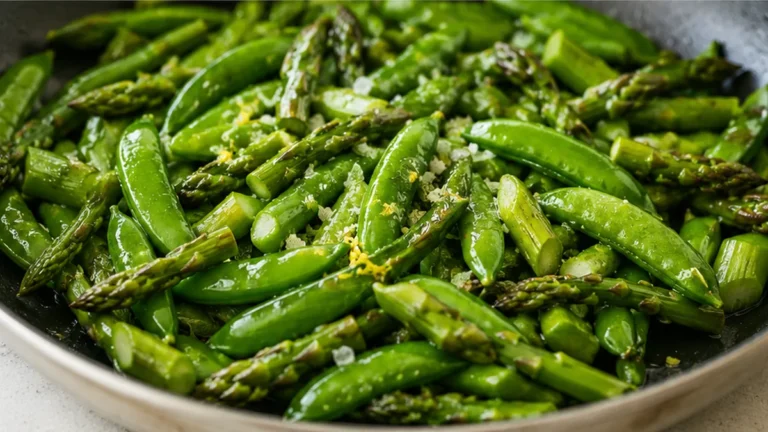
Seasonality affects not only the availability of ingredients but also the flavor profile of your lemon lentil soup. In spring, consider adding fresh peas or asparagus for a pop of color and sweetness. In the fall, root vegetables like sweet potatoes or butternut squash can be incorporated for a heartier version. Additionally, using seasonal herbs such as basil in summer or thyme in winter can add unique flavor dimensions. Adjusting the acidity with lemon juice based on the season’s produce can also enhance the soup’s brightness and overall appeal.
Understanding the Impact of Cooking Time on Lentils
The cooking time for red lentils is crucial in achieving the desired texture for lemon lentil soup. Typically, red lentils cook within 15-20 minutes. If overcooked, they can turn mushy, diminishing the soup’s overall texture. To prevent this, monitor the lentils closely, especially after the 15-minute mark. A good practice is to taste a few lentils to determine if they are tender yet still hold their shape. For a more distinct texture, consider reducing the cooking time by a few minutes and allowing the lentils to absorb residual heat off the stove.
How to Properly Store and Reheat Leftover Soup
Proper storage of lemon lentil soup is essential to maintain its flavor and texture. Allow the soup to cool completely before transferring it to airtight containers. It can be stored in the refrigerator for up to 5 days or frozen for up to 3 months. When reheating, do so gently over low heat to prevent the lentils from breaking down further. If the soup becomes too thick upon reheating, add a splash of vegetable stock or water to achieve the desired consistency. Always taste and adjust seasoning after reheating, as flavors can mellow during storage.
Choosing the Right Accompaniments for Serving
Pairing lemon lentil soup with the right accompaniments can elevate the dining experience. A crusty baguette or whole-grain bread complements the soup’s richness and adds texture. For a refreshing contrast, consider serving it with a simple side salad featuring mixed greens, cherry tomatoes, and a light vinaigrette. Additionally, a dollop of yogurt or a sprinkle of feta cheese can enhance the flavor profile, adding creaminess and tang. When serving, garnish with fresh herbs like cilantro or parsley to brighten the dish visually and flavor-wise.
Understanding the Effect of Cooking Time on Red Lentils
Red lentils are unique in their cooking properties compared to other lentil varieties. They typically cook within 15-20 minutes, becoming soft and mushy. This characteristic is essential for achieving the desired creamy texture in lemon lentil soup. To prevent overcooking, monitor the lentils closely and begin testing them after 15 minutes. If they become too mushy, they can lose their shape and texture, resulting in a less appealing soup. Conversely, undercooked lentils can be hard and grainy, detracting from the overall experience. It’s crucial to balance cooking time with the addition of other ingredients; for example, if you’re adding fresh spinach, consider adding it in the last few minutes of cooking to maintain its vibrant color and nutritional value.
Choosing the Right Equipment for Cooking Lemon Lentil Soup
The choice of cookware can significantly affect the outcome of your lemon lentil soup. A heavy-bottomed pot or Dutch oven is ideal as it provides even heat distribution, preventing hotspots that can lead to uneven cooking or burning. Non-stick pans should be avoided, as they may not allow for the proper caramelization of the onions and garlic, which are foundational for flavor development. A lid is also essential to control evaporation; keeping it partially covered can help maintain moisture while allowing some steam to escape, which is particularly beneficial when adjusting the consistency of the soup. If you have an immersion blender, it can be a great tool for achieving a smooth texture without needing to transfer the soup to a blender, which can be messy and time-consuming.
Understanding the Impact of Fresh Ingredients on Lemon Lentil Soup
The quality of fresh ingredients significantly affects the overall flavor and texture of lemon lentil soup. Fresh vegetables like onions, carrots, and celery provide a natural sweetness and depth that dried or canned alternatives cannot replicate. Using organic produce can enhance the soup’s flavor profile, as it often has a more vibrant taste due to better soil and cultivation practices. Additionally, the freshness of lemons is crucial; using recently harvested lemons ensures maximum zest and juice potency. The zest contains essential oils that infuse the soup with a bright, citrusy aroma, while the juice balances the earthy flavors of the lentils. Aim for vegetables that are firm and without blemishes, as this indicates optimal freshness. When using fresh herbs for garnish, such as cilantro or parsley, choose those that are bright in color and fragrant, as they will elevate the dish’s presentation and taste.
Scaling Your Lemon Lentil Soup for Meal Prep
Scaling your lemon lentil soup recipe for meal prep can be an efficient way to ensure you have nutritious meals ready to go throughout the week. The recipe can easily be doubled or tripled, but it’s essential to maintain the ratio of ingredients for consistent flavor and texture. For every additional cup of lentils, increase the vegetable stock by about 2-3 cups to maintain the soup’s consistency. Cooking times may vary slightly; larger batches may require an extra 10-15 minutes to ensure even cooking. When storing, use airtight containers to keep the soup fresh, and consider portioning it out for easy reheating. The soup can be refrigerated for up to 5 days or frozen for up to 3 months. Just remember to leave some space in the containers when freezing, as liquids expand when frozen. A tip for reheating: add a splash of fresh lemon juice and a handful of spinach to reinvigorate the flavors and nutrients.
Pro tips
- For extra flavor, toast the cumin seeds briefly before grinding them, or use whole cumin seeds in the oil with the vegetables.
- If you prefer a creamier texture without blending, add a tablespoon of tahini when stirring in the lemon juice.
- This soup freezes beautifully for up to 3 months. Thaw overnight in the refrigerator and reheat gently on the stovetop, adding a splash of vegetable stock if needed to adjust consistency. If it was frozen too thick, add extra liquid when reheating.
This Lemon Lentil Soup is a testament to how simple ingredients can create profound flavors. Enjoy this nourishing dish on its own or with a side of crusty bread. Don’t hesitate to experiment with fresh herbs for an added layer of aroma!
Frequently asked questions
Can I use other types of lentils for this soup?
While you can use other lentils, such as green or brown, they will not create the same creamy texture. These lentils take longer to cook and will maintain their shape, resulting in a different consistency.
How can I store leftover lemon lentil soup?
Store leftover soup in an airtight container in the refrigerator for up to 5 days. For longer storage, freeze in portions for up to 3 months. Reheat gently on the stove, adding a splash of water if it thickens too much.
Is it necessary to add spinach to the soup?
Adding spinach is optional but highly recommended for nutritional benefits and color. If you prefer, you can substitute it with other greens like kale or Swiss chard, adjusting the cooking time accordingly.
What can I use as a substitute for vegetable stock?
If you don’t have vegetable stock, you can use water with added herbs and spices for flavor. Alternatively, use chicken stock for a non-vegetarian version, but be aware that it will alter the flavor profile of the soup.
More from Vegan Bowls →