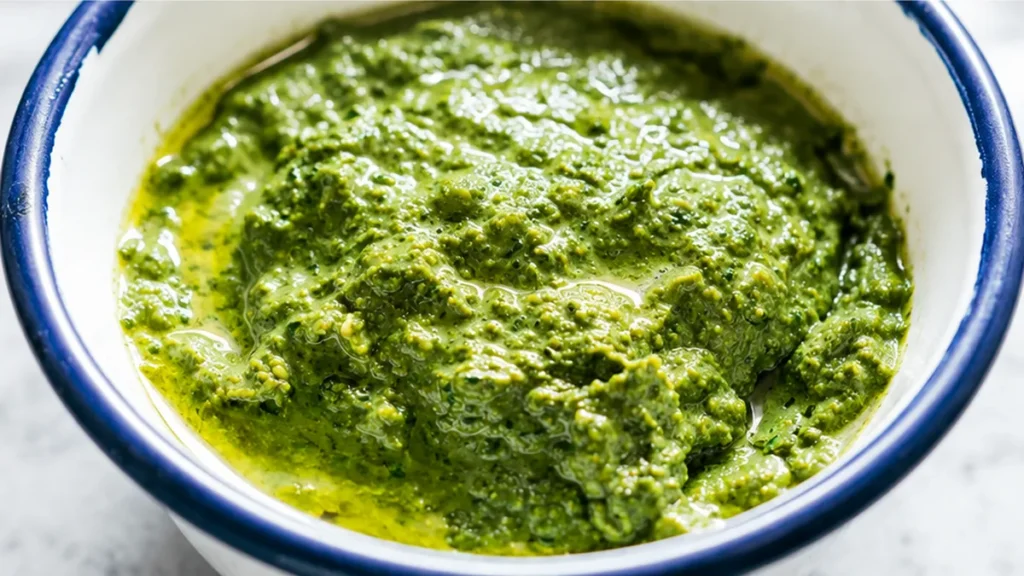
This 5 minute vegan basil walnut pesto is a quick and simple recipe. Made with fresh basil and walnuts, it’s perfect for enhancing your dishes.
Key takeaways
- Use fresh basil and high-quality olive oil for the best flavor.
- Gradually add oil while blending to achieve a smooth emulsion.
- Adjust seasoning with salt and lemon juice to enhance flavor.
- Experiment with ingredient swaps for unique variations.
5-Minute Vegan Basil Walnut Pesto
Ingredients
Instructions
- Place the walnuts, basil, garlic, salt, and pepper in a jar. Use an immersion blender to break everything down into a rough, chunky paste.
- Slowly drizzle in the olive oil and continue to blend until the basil walnut pesto is smooth. Mix in the lime juice if desired for added freshness and color.
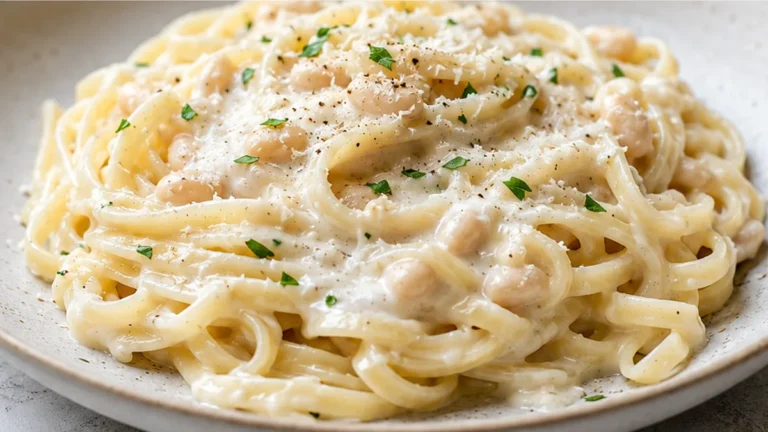
- Use immediately as a spread for sandwiches, on salads, or as a pasta sauce.
- Store any leftover pesto in an airtight container in the refrigerator for up to 5 days.
Understanding the Ingredients for Vegan Basil Walnut Pesto
The key to a successful 5-minute vegan basil walnut pesto lies in the quality and balance of its ingredients. Fresh basil is essential, as it provides the vibrant green color and aromatic flavor that defines this sauce. When selecting basil, look for bright green leaves without any brown spots, as these are indicators of freshness. Walnuts offer a rich, nutty flavor and creamy texture, complementing the basil perfectly. Toasting the walnuts slightly enhances their flavor, but this step is optional if you’re pressed for time.
Garlic adds a pungent kick, while nutritional yeast contributes a cheesy flavor without the dairy, making it a staple in vegan recipes. Olive oil is crucial for creating a smooth emulsion, so use a high-quality extra virgin olive oil for the best results. The right balance of salt and lemon juice adds depth and brightness to the pesto, elevating the overall flavor profile.
The Science Behind the Emulsion
Creating a successful pesto requires understanding the emulsion process. An emulsion is a mixture of two liquids that normally don’t mix, such as oil and water. In this case, the oil from the walnuts and olive oil combines with the water content of the basil and lemon juice. To achieve a smooth and creamy texture, it’s important to add the oil gradually while blending. Start with a small amount of oil and increase as needed to reach your desired consistency. This method helps to prevent separation and ensures a cohesive sauce.
The ideal ratio for a pesto is approximately 1 part nuts to 2 parts basil, with enough oil to achieve a smooth consistency. For instance, if you use 50 grams of walnuts, you should aim for about 100 grams of fresh basil. The addition of lemon juice not only brightens the flavor but also helps to stabilize the emulsion, as the acidity interacts with the fats in the oil.
Common Pitfalls and How to Fix Them
Even simple recipes can have their challenges. Here are common issues you may encounter when making vegan basil walnut pesto, along with solutions:
- Too Thick: If your pesto turns out too thick, gradually add more olive oil or a splash of water while blending until you achieve the desired consistency.
- Bitter Taste: If the pesto tastes bitter, it could be due to over-processing the basil or using old walnuts. Be sure to blend just until combined and use fresh ingredients.
- Separation: If your pesto separates, it may be due to not emulsifying properly. Blend the mixture again while slowly drizzling in more olive oil to bring it back together.
- Not Enough Flavor: If the pesto lacks flavor, taste it and adjust the seasoning with more salt or lemon juice to enhance its brightness.
Ingredient Swaps and Their Effects
While the traditional recipe is delicious, you can experiment with different ingredients to customize your pesto. Here are some swaps to consider:
- Sunflower Seeds instead of Walnuts: This swap is nut-free and adds a similar creamy texture, but it may have a milder flavor.
- Spinach for Basil: Using spinach can provide a different flavor profile and a milder taste, making it a good option for those who find basil too strong.
- Parmesan Cheese for Nutritional Yeast: If you’re not strictly vegan, adding Parmesan will give a richer flavor, but it will no longer be dairy-free.
- Apple Cider Vinegar instead of Lemon Juice: This will add a different acidity and tanginess, but be cautious with the amount as it is more potent than lemon juice.
Uniqueness of This Pesto Recipe
This 5-minute vegan basil walnut pesto stands out not only for its speed but also for its rich flavor profile that balances nuttiness with the freshness of basil. Unlike traditional pesto, which often includes cheese, this version relies on nutritional yeast for a similar umami flavor, making it suitable for those with dietary restrictions. The use of walnuts adds a distinct earthiness that pairs beautifully with the bright notes of lemon and garlic. This pesto can be used in various ways, from a pasta sauce to a spread on sandwiches, showcasing its versatility.
Understanding the Impact of Ingredient Freshness on Flavor
The quality and freshness of the ingredients used in your vegan basil walnut pesto directly affect its flavor profile. Fresh basil, for instance, should be vibrant green and aromatic, as older leaves tend to lose their potency and can introduce bitterness. Similarly, walnuts should be raw and unsalted for the best flavor; stale nuts can impart an off taste. For optimal results, consider sourcing basil from local farmers’ markets or growing your own. This ensures you have the freshest ingredients, which can elevate the overall taste of your pesto.
Scaling Your Pesto Recipe: Adjusting Ratios for Larger Batches
When scaling up your vegan basil walnut pesto recipe, maintaining the right ratios of ingredients is crucial for achieving the desired flavor and texture. A general rule of thumb is to keep the proportion of basil to walnuts at about 2:1. If you decide to double or triple the recipe, ensure that the garlic and salt are adjusted accordingly, as these ingredients can overpower the pesto if not balanced properly. Additionally, consider using a larger food processor or blending in batches to ensure an even consistency throughout the mixture.
Equipment Choices: Blenders vs. Food Processors for Pesto Preparation
The choice of equipment can significantly influence the texture of your vegan basil walnut pesto. A food processor is typically preferred for making pesto, as it can efficiently chop and blend the ingredients without overheating them. However, if using a blender, it’s essential to add the ingredients in stages and use a tamper to push the mixture down towards the blades. Each method yields a different texture; food processors create a chunkier pesto, while blenders can produce a smoother consistency. Experiment with both to find your preferred texture.
Seasonal Variations: Adapting Your Pesto to Seasonal Ingredients
Seasonality plays a vital role in the flavor and quality of your vegan basil walnut pesto. In the summer, when basil is at its peak, the pesto will have a bright and robust flavor. However, in the fall or winter, when fresh basil may be less available, consider substituting with other herbs such as spinach or arugula for a different but still delicious twist. Additionally, incorporating seasonal nuts like pecans in place of walnuts can add unique flavors and textures. This adaptability not only enhances the dish but also allows you to utilize what is available in your local market.
Understanding the Impact of Ingredient Quality on Pesto Flavor
The flavor profile of your 5-minute vegan basil walnut pesto is heavily influenced by the quality of the ingredients used. Fresh basil is essential; it should be vibrant green and aromatic. The aromatic compounds in basil, such as eugenol and linalool, contribute to its characteristic flavor. Aim for basil leaves that are not wilted or discolored, as these can impart a dull taste to your pesto. Similarly, the walnuts should be fresh and not rancid, as stale nuts can significantly alter the flavor and texture of the pesto. When selecting walnuts, look for ones that are firm and have a slightly sweet aroma. The olive oil used also plays a crucial role; extra virgin olive oil is recommended for its rich flavor and health benefits. If the oil is too bitter or lacks freshness, it will affect the overall taste of the pesto. Lastly, consider the salt—using a high-quality sea salt can enhance the flavors of the other ingredients, while table salt may not provide the same depth of flavor.
Make-Ahead Strategies and Storage Tips for Pesto
To enjoy your 5-minute vegan basil walnut pesto at its best, consider make-ahead strategies and proper storage techniques. Pesto can be made in advance and stored in the refrigerator for up to a week. To maximize freshness, transfer the pesto to an airtight container and drizzle a thin layer of olive oil on top before sealing. This helps prevent oxidation, which can cause the vibrant green color to fade and the flavor to deteriorate. For longer storage, consider freezing your pesto. Portion the pesto into ice cube trays and freeze. Once frozen, transfer the cubes to a resealable bag, where they can be stored for up to three months. This method allows you to thaw only the amount you need, ensuring that you always have fresh pesto on hand. When thawing, do so in the refrigerator overnight or briefly in the microwave, avoiding high heat that can alter its flavor and texture. Remember that the consistency may change slightly after freezing, but a quick stir should restore it.
Pro tips
Pro tip: Best served immediately while hot!
Frequently asked questions
Can I use other nuts instead of walnuts?
Yes, you can substitute walnuts with other nuts like pine nuts, almonds, or cashews. Each nut will impart a different flavor and texture, so choose according to your preference.
How do I store leftover pesto?
Store leftover pesto in an airtight container in the refrigerator for up to one week. To prevent browning, drizzle a thin layer of olive oil on top before sealing.
Can I freeze vegan basil walnut pesto?
Yes, you can freeze pesto. Portion it into ice cube trays and freeze. Once frozen, transfer the cubes to a freezer bag for easy use in the future.
What dishes can I use this pesto with?
This vegan basil walnut pesto is versatile and can be used with pasta, as a sandwich spread, or as a dip for vegetables. It can also enhance soups or grain bowls.
More from Vegan Bowls →