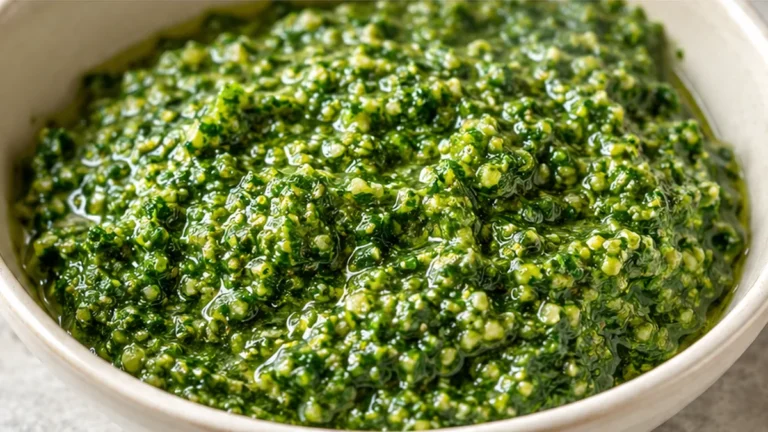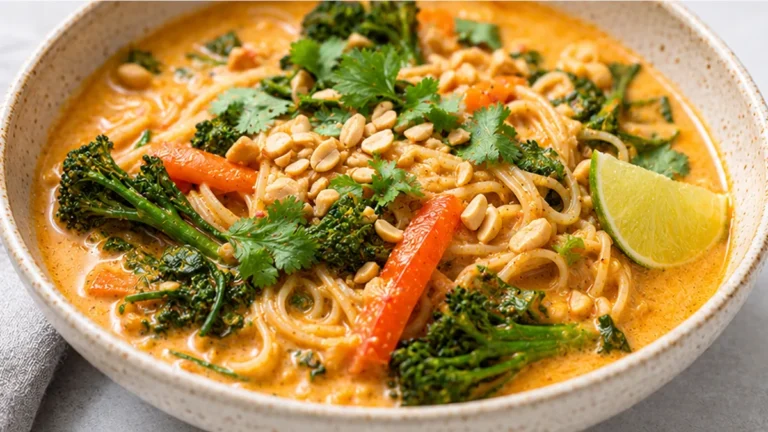
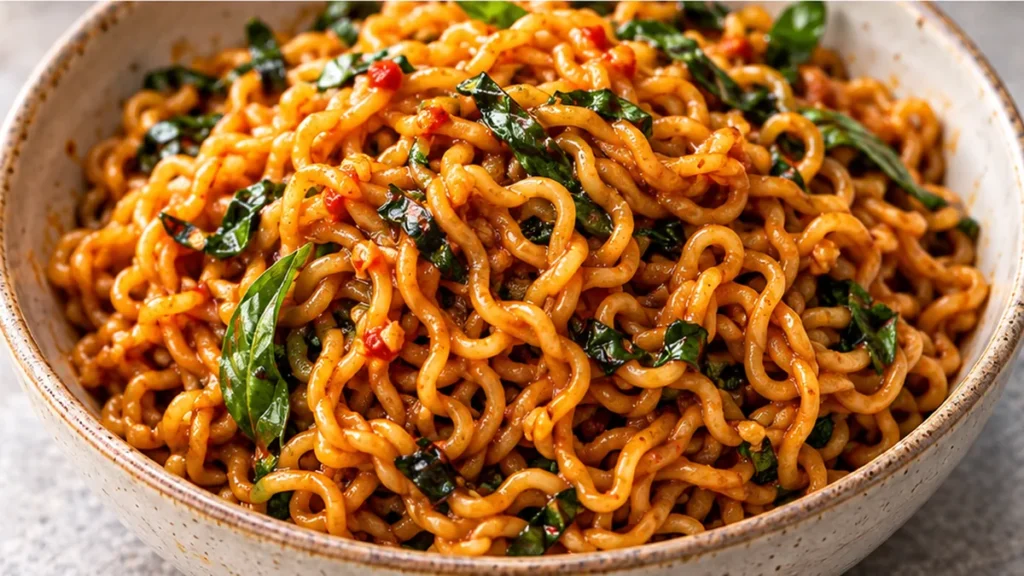
These 20 minute red curry basil garlic noodles are a quick and flavorful dish. With fresh basil and garlic, they make a satisfying meal in no time.
Key takeaways
- Proper heat control ensures noodles are cooked to perfection.
- Adjusting the sauce’s consistency can enhance flavor.
- Ingredient swaps can provide healthier or more authentic alternatives.
- Fresh basil elevates the dish’s aroma and taste.
20-Minute Red Curry Basil Garlic Noodles
Ingredients
Instructions
- In a skillet, cook the sesame oil and green onions over medium heat until very fragrant, 3-5 minutes. Lower the heat, stir in the red curry paste, cook 2 minutes.
- In a large bowl, mix the garlic, ginger, basil, cilantro, and season with chili flakes. Pour the hot oil from the skillet over the herbs.
- Cook the noodles according to package directions, then drain.
- Toss the warm noodles and tamari/soy sauce with the oil mixture in the bowl.
- Serve the noodles immediately with additional green onions for garnish.
The Role of Heat Control in Noodle Dishes
Heat control is crucial when preparing noodles, especially in a dish like 20-minute red curry basil garlic noodles. The ideal cooking temperature for noodles is around 100°C (212°F), where they should be cooked until al dente, usually taking about 6-8 minutes. Overcooking can lead to mushy noodles, while undercooking can result in a chewy texture. Ensuring that the water is at a rolling boil before adding the noodles is essential for even cooking.
Common Issues and Their Solutions
- Problem: Noodles are too sticky.
- Cause: Insufficient water or not stirring the noodles.
- Fix: Use a larger pot with plenty of boiling water and stir occasionally.
- Problem: Sauce is too watery.
- Cause: Incorrect ratio of liquid ingredients.
- Fix: Reduce the coconut milk or add a thickening agent like cornstarch.
- Problem: Lack of flavor.
- Cause: Insufficient seasoning.
- Fix: Taste and adjust seasoning with more soy sauce, lime juice, or salt.
Ingredient Swaps and Their Impact
- Swap: Using rice noodles instead of wheat noodles.
- Result: A gluten-free option, but may require different cooking times.
- Swap: Coconut cream instead of coconut milk.
- Result: A richer, creamier sauce, but higher in calories.
- Swap: Thai basil for regular basil.
- Result: A more authentic flavor profile, as Thai basil has a distinct anise-like taste.
Unique Aspects of Red Curry Noodles
This dish stands out due to its vibrant red curry paste, which is made from a blend of red chilies, garlic, lemongrass, and spices. The use of fresh basil not only adds a burst of flavor but also enhances the aroma, making it a sensory delight. Unlike many noodle dishes, the incorporation of red curry paste creates a harmonious balance of heat and sweetness, giving it a unique character that is hard to replicate.
Understanding the Impact of Ingredient Quality on Flavor
The quality of ingredients plays a crucial role in the success of 20-minute red curry basil garlic noodles. Fresh basil, for instance, brings a vibrant aroma and flavor that dried herbs cannot replicate. Similarly, using high-quality red curry paste can significantly enhance the dish’s overall taste. Opt for brands that use natural ingredients and avoid those with artificial additives. Fresh garlic is also essential; it should be minced just before use to preserve its pungency. When selecting vegetables, choose seasonal produce for the best flavor and texture. For instance, bell peppers and snap peas add crunch and sweetness, while zucchini can soften and absorb the curry flavors. Remember, the fresher the ingredients, the more vibrant and delicious your noodles will be.
Batch Scaling: Adjusting Portions Without Compromising Quality
Scaling recipes can be tricky, especially with dishes like red curry basil garlic noodles where balance is key. When increasing the batch size, maintain the same ratios of ingredients to ensure consistent flavor. For example, if doubling the recipe, use twice the amount of red curry paste, garlic, and basil, as these are the flavor powerhouses. However, be mindful of the cooking time; larger batches may require additional time to heat through. Conversely, when halving the recipe, consider the cooking vessel’s size, as a smaller pot may heat more quickly. Adjusting the heat and cooking time appropriately will help prevent overcooking or undercooking the noodles. This approach ensures that every bowl maintains the intended flavor profile, regardless of the portion size.
Essential Equipment for Perfecting Your Noodles
The right kitchen equipment can make all the difference in preparing 20-minute red curry basil garlic noodles. A large skillet or wok is ideal for stir-frying, allowing for even heat distribution and preventing overcrowding, which can lead to steaming rather than frying. A good quality non-stick pan can help prevent the noodles from sticking together, especially when using gluten-free noodles or fresh rice noodles that are more prone to clumping. Additionally, having a sharp knife for chopping vegetables and a sturdy cutting board will speed up your prep time, ensuring that you can complete the dish within the 20-minute timeframe. Lastly, a timer is invaluable for keeping track of cooking times, particularly when sautéing garlic, which can burn quickly and alter the dish’s flavor.
Pairing Suggestions to Elevate Your Meal
Serving 20-minute red curry basil garlic noodles can be enhanced by thoughtful pairings that complement the dish’s flavors. Consider serving it alongside a light cucumber salad dressed with rice vinegar and sesame oil to provide a refreshing contrast to the rich, spicy noodles. For protein, grilled chicken, shrimp, or tofu can be excellent additions, providing substance without overpowering the dish. If you’re looking for a beverage pairing, a chilled Thai iced tea or a light lager can balance the heat from the curry. Additionally, garnishing the noodles with crushed peanuts or sesame seeds adds a delightful crunch and nutty flavor, rounding out the meal. These pairings not only enhance the dining experience but also offer a well-rounded meal that satisfies both flavor and texture.
Understanding the Balance of Flavors in Red Curry Noodles
The success of 20-minute red curry basil garlic noodles hinges on achieving a harmonious balance of flavors. Red curry paste, which is the backbone of this dish, contains a mix of spices, herbs, and sometimes coconut milk, providing a rich and aromatic profile. The key to mastering this dish is to adjust the amount of curry paste based on your heat tolerance and the freshness of the ingredients. For instance, using 30-50 grams of red curry paste per serving can yield a robust flavor, but if the paste is particularly potent or has been stored for a while, you may want to reduce the quantity slightly. Additionally, the interplay between the sweetness of the basil and the heat from the curry is essential. Fresh basil should be added at the end of cooking to preserve its vibrant flavor, while garlic should be sautéed until fragrant but not burnt, as this can introduce bitterness.
How to Effectively Store and Reheat Your Noodles
Proper storage and reheating of your 20-minute red curry basil garlic noodles can significantly affect their quality. After cooking, allow the noodles to cool to room temperature before transferring them to an airtight container. They can be stored in the refrigerator for up to 3 days. When reheating, add a splash of water or broth to prevent the noodles from drying out. Microwave in short intervals, stirring in between, until heated through. Alternatively, you can reheat them in a skillet over medium heat, adding a bit of oil to restore moisture and flavor. Avoid reheating more than once, as this can compromise the texture of the noodles and the freshness of the basil. If you plan to make a larger batch, consider cooking the noodles al dente to maintain their texture upon reheating.
Choosing the Right Noodles for Optimal Texture
The type of noodles used in your 20-minute red curry basil garlic noodles can greatly influence the dish’s overall texture and enjoyment. Rice noodles, commonly used in Thai cuisine, tend to absorb flavors well and provide a soft, chewy texture. When using dry rice noodles, a soaking time of 15-20 minutes in hot water is recommended before adding them to the stir-fry. Alternatively, fresh rice noodles can be used directly; they should be added towards the end of cooking to prevent overcooking. If you prefer a firmer texture, consider using egg noodles or even whole wheat noodles, which will provide a nuttier flavor and a firmer bite. However, be mindful that different noodles may require slight adjustments in cooking time and method, impacting the overall balance of the dish.
Understanding the Impact of Ingredient Quality on Flavor
The quality of ingredients plays a crucial role in the overall flavor profile of 20-minute red curry basil garlic noodles. Fresh basil, for instance, can significantly enhance the dish’s aroma and taste, while stale or dried basil may lack the vibrant notes necessary for a robust flavor. Similarly, using high-quality red curry paste can elevate the dish, providing a balanced blend of spices and heat. When selecting ingredients, consider their freshness and origin. For instance, organic vegetables can offer a more intense flavor compared to their conventionally grown counterparts. Additionally, the type of noodles used can affect the dish’s final taste and texture. Fresh rice noodles typically yield a softer, more delicate bite, whereas dried noodles may provide a firmer texture. Overall, prioritizing high-quality ingredients will not only enhance the flavor but also contribute to a more satisfying dining experience.
Optimal Serving Techniques for Enhanced Enjoyment
Proper serving techniques can greatly enhance the enjoyment of your 20-minute red curry basil garlic noodles. Presentation matters; serving the noodles in a warm bowl can help maintain their temperature and texture. Consider garnishing with additional fresh basil leaves and a sprinkle of crushed peanuts or sesame seeds to add visual appeal and texture. Pairing the dish with complementary sides, such as a light cucumber salad or steamed vegetables, can balance the meal and provide refreshing contrast. Additionally, serving with lime wedges allows diners to add a splash of acidity, which can brighten the flavors. For a complete experience, consider pairing the noodles with a light beverage, such as iced green tea or a citrus-infused sparkling water, which can cleanse the palate and enhance the overall meal experience.
Pro tips
Pro tip: Best served immediately while hot!
Frequently asked questions
Can I use different types of noodles for this recipe?
Yes, you can use different types of noodles, such as rice noodles or whole wheat noodles. However, be mindful of the cooking times, as they may vary from traditional wheat noodles.
How can I make this dish spicier?
To increase the spiciness, add more red curry paste or include fresh chilies. Adjust according to your heat tolerance to achieve the desired level of spice.
Is it possible to make this dish vegan?
Yes, this dish can be made vegan by ensuring that the red curry paste does not contain shrimp paste and using vegetable broth instead of chicken broth, if applicable.
How can I store leftovers?
Store leftovers in an airtight container in the refrigerator for up to three days. Reheat in a pan over low heat, adding a splash of water if needed to loosen the sauce.
More from Vegan Pasta →