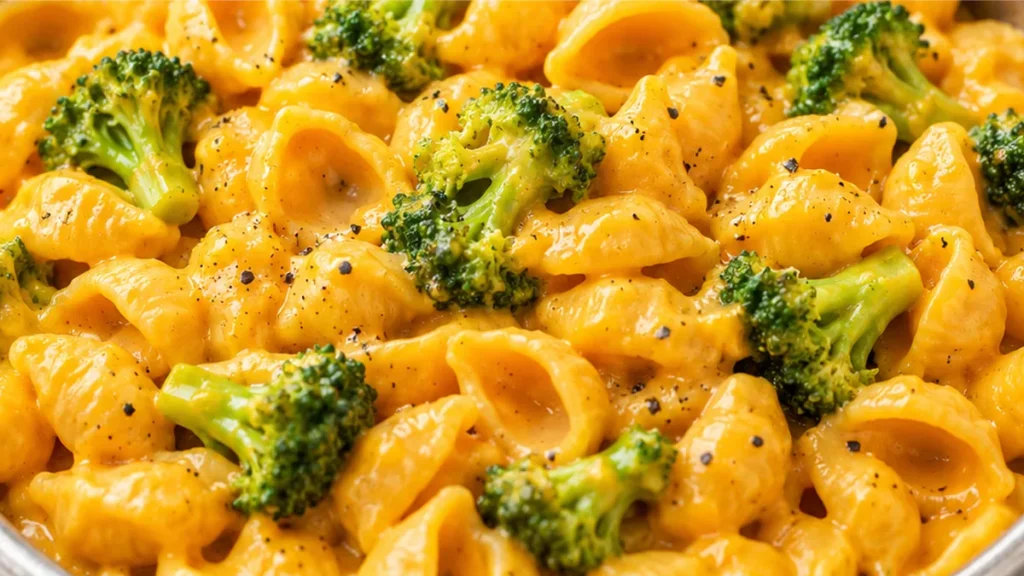
This creamy vegan mac cheese recipe uses a cashew-based cheese sauce for a rich flavor. It’s a straightforward dish that satisfies cravings without dairy.
Key takeaways
- Nutritional yeast is essential for flavor and nutrition.
- Soaking cashews enhances the creaminess of the sauce.
- Adjust the thickness of the sauce with plant-based milk.
- Experiment with ingredient swaps for unique flavors.
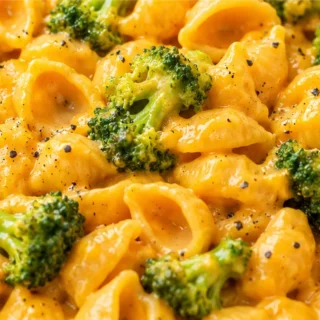
Creamy Vegan Mac & Cheese Recipe
Ingredients
Instructions
- Wash and scrub the potatoes and carrots thoroughly under cold running water. Pat dry with a paper towel.
- Peel the potatoes and carrots, then cut them into large bite-sized chunks.
- Add the chopped potatoes and carrots to a large pot, cover with water by 1 inch, season with salt, and bring to a boil.
- Boil for 15 minutes, or until the potatoes and carrots are easily pierced with a knife. Meanwhile, steam broccoli florets until just tender (3-4 minutes).
- Drain the boiled vegetables, reserving about 1 cup of the cooking water. Let them cool slightly. Cook pasta according to package directions.
- In a small bowl, whisk together minced garlic, apple cider vinegar, lemon juice, Dijon mustard, paprika, salt, and pepper.
- Place the boiled potatoes, carrots, nutritional yeast, and 1/2 cup of the reserved liquid into a blender.
- Blend until completely smooth and creamy, adding more reserved liquid if needed to reach desired consistency. Season with salt and pepper to taste.
- Pour the creamy sauce over the cooked pasta. Add the steamed broccoli florets and toss gently to combine.
- Serve immediately and enjoy this delicious vegan mac and cheese!
The Importance of Nutritional Yeast in Creamy Vegan Mac & Cheese
Nutritional yeast is a key ingredient in this creamy vegan mac & cheese recipe. It not only contributes a cheesy flavor but also provides essential nutrients such as B vitamins and protein. Typically, a serving of nutritional yeast contains about 8 grams of protein and offers a complete amino acid profile. This ingredient is often fortified with B12, making it a valuable addition for those on a vegan diet. The umami flavor it imparts is crucial for mimicking the taste of traditional cheese sauces, which is why using the right amount—usually around 60 grams for a batch—can make or break the dish.
Achieving the Perfect Creamy Texture
The texture of your creamy vegan mac & cheese largely depends on the balance of ingredients. A common challenge is achieving the right creaminess without dairy. The use of soaked cashews or silken tofu blended with plant-based milk creates a rich, velvety base. For optimal blending, soak cashews for at least 4 hours, or use warm water to speed up the process. Blending at high speed for about 1-2 minutes ensures the mixture becomes completely smooth, resulting in a luxurious sauce.
Common Issues and Their Solutions
- Issue: Sauce is too thick.
- Solution: Gradually add more plant-based milk until the desired consistency is reached. Aim for a ratio of 1:1 for cashews to milk for a creamy sauce.
- Issue: Flavor is bland.
- Solution: Increase the amount of nutritional yeast or add a splash of lemon juice to enhance the overall flavor profile.
- Issue: Sauce separates after cooking.
- Solution: Ensure you are using a high-speed blender to fully emulsify the sauce. Additionally, avoid overheating the mixture after blending.
Ingredient Swaps and Their Effects
- Cashews vs. Almonds: Using almonds instead of cashews will yield a nuttier flavor but may result in a grainier texture.
- Silken Tofu vs. Cashew Cream: Silken tofu is lower in fat and can create a lighter sauce, but may require additional seasoning to achieve the same depth of flavor.
- Plant-based Milk Variations: Almond milk will provide a subtle sweetness, while oat milk offers a creamier texture. Choose based on the desired flavor profile.
Unique Characteristics of Vegan Mac & Cheese
This creamy vegan mac & cheese stands out due to its ability to be both indulgent and nutritious. Unlike traditional mac and cheese, which can be heavy and high in saturated fats, this recipe provides a lighter alternative without sacrificing flavor. The incorporation of whole food ingredients like nutritional yeast and nuts not only enhances the taste but also contributes to a balanced meal. This dish can be customized with various vegetables or spices, making it versatile for different dietary needs.
How to Successfully Scale Your Creamy Vegan Mac & Cheese Recipe
Scaling a recipe can be challenging, especially when it comes to maintaining the creamy texture and flavor balance. To double or triple the creamy vegan mac cheese recipe, ensure that you proportionately increase all ingredients, particularly the cashews and nutritional yeast, which are crucial for achieving the desired creaminess. For instance, if the original recipe calls for 100 grams of cashews, use 200 grams for a double batch. Additionally, when increasing the quantity, consider the cooking time; larger batches may require a few extra minutes to cook thoroughly. Be cautious not to overcrowd your cooking pot, as this can lead to uneven cooking. If you’re using a blender, ensure it can handle the larger volume, or blend in batches to maintain smoothness.
Understanding Equipment Differences for Optimal Results
The equipment you use can significantly impact the outcome of your creamy vegan mac cheese. A high-speed blender is ideal for achieving a silky smooth sauce, as it can effectively blend the cashews and other ingredients without leaving any graininess. If you’re using a regular blender, soak the cashews longer to soften them, which can help achieve a smoother consistency. Additionally, the type of pot you use can affect heat distribution; a heavy-bottomed pot can prevent scorching while cooking the pasta and sauce. Consider using a non-stick pot for easier cleanup, especially when dealing with the creamy sauce that can stick to surfaces.
Serving Suggestions and Pairing Ideas
Serving creamy vegan mac cheese can be enhanced with various toppings and side dishes. For a crunchy texture, consider adding toasted breadcrumbs or nutritional yeast on top before serving. Fresh herbs like parsley or chives can also add a burst of flavor and color. Pair the dish with a light salad to balance the richness, or serve alongside roasted vegetables for a wholesome meal. Additionally, for an extra kick, consider incorporating spices like smoked paprika or cayenne pepper into the sauce. These additions not only elevate the flavor but also make the dish visually appealing.
Impact of Seasonal Ingredients on Flavor and Texture
The quality and seasonality of ingredients can greatly influence the final taste of your creamy vegan mac cheese. For instance, fresh, in-season vegetables can add a vibrant flavor profile. If using vegetables like spinach or zucchini, opt for those that are at their peak freshness, as they will enhance the dish’s overall taste. Additionally, the type of nutritional yeast can vary in flavor intensity; some brands may offer a nuttier or cheesier taste. Experimenting with different brands can lead to discovering a flavor that perfectly complements your dish. Finally, using freshly squeezed lemon juice instead of bottled can brighten the flavors significantly, making your creamy vegan mac cheese even more delicious.
Understanding the Role of Nutritional Yeast in Flavor Development
Nutritional yeast is more than just a cheese substitute; it plays a crucial role in the flavor profile of creamy vegan mac cheese. This deactivated yeast is packed with umami, which enhances the overall taste of the dish. Typically, nutritional yeast contains about 50 grams of protein per 100 grams and is rich in B vitamins, contributing to both nutrition and flavor. When used in this recipe, it provides a savory depth that mimics the richness of traditional cheese. To achieve a balanced flavor, consider using around 60 grams of nutritional yeast for every 250 grams of pasta. This ratio can be adjusted based on personal preference, but keep in mind that too much can overshadow the other ingredients. Additionally, the quality of nutritional yeast varies by brand; some may have a stronger flavor than others, so taste-testing is recommended to find the perfect balance.
How to Optimize Your Cooking Equipment for Creamy Vegan Mac Cheese
The equipment used can significantly impact the texture and creaminess of your vegan mac cheese. A high-speed blender is essential for achieving a smooth and creamy sauce. When blending, ensure that your ingredients are at room temperature to facilitate a better emulsion, which is crucial for a velvety texture. Cooking the pasta in a large pot allows for even cooking and prevents sticking. Use a pot that holds at least 4 liters of water for every 500 grams of pasta, maintaining a boil to ensure the pasta cooks evenly. If you have a food processor, it can also be used to blend the sauce, but be prepared for a slightly less creamy texture. Additionally, consider using a non-stick saucepan to prevent the sauce from sticking and burning, which can ruin the dish. The right tools not only streamline the cooking process but also enhance the final product, ensuring that your creamy vegan mac cheese is both delicious and visually appealing.
Understanding the Impact of Ingredient Quality on Creamy Vegan Mac & Cheese
The quality of ingredients plays a crucial role in the flavor and texture of creamy vegan mac cheese. For instance, using fresh vegetables instead of frozen can enhance the overall taste, while high-quality nutritional yeast contributes to a more pronounced cheesy flavor. Additionally, the type of plant-based milk used can influence creaminess; full-fat coconut milk or cashew milk typically yields a richer result compared to almond or oat milk. The age of your spices and herbs can also impact the dish—freshly ground spices provide more vibrant flavors than old ones. For optimal results, aim to use organic ingredients when possible, as they tend to have more robust flavors and fewer additives.
Batch Scaling: Adjusting Ratios for Larger Portions
Scaling your creamy vegan mac cheese recipe requires careful attention to ingredient ratios to maintain the desired texture and flavor. When doubling or tripling the recipe, it’s essential to keep the ratio of pasta to sauce consistent. For instance, if the original recipe calls for 250 grams of pasta and 500 ml of sauce, scaling up to 500 grams of pasta would necessitate 1 liter of sauce. Additionally, consider cooking times; larger batches may require a longer cooking time to ensure even heating throughout. Always taste and adjust seasoning accordingly, as larger quantities may dilute flavors. Keeping a close eye on the consistency of the cheese sauce is vital; you may need to add more liquid or thickeners as you scale up.
Pro tips
Pro tip: Best served immediately while hot!
Frequently asked questions
Can I use other nuts instead of cashews?
Yes, you can use almonds or macadamia nuts, but keep in mind that they will alter the flavor and texture slightly. Almonds may create a nuttier taste, while macadamia nuts can add extra creaminess.
How can I make this recipe gluten-free?
To make creamy vegan mac & cheese gluten-free, simply use gluten-free pasta. There are many options available, such as brown rice or quinoa pasta, that will work well in this recipe.
Can I store leftovers, and how should I reheat them?
Yes, leftovers can be stored in an airtight container in the refrigerator for up to 3 days. To reheat, add a splash of plant-based milk and warm it on the stovetop over low heat, stirring frequently to prevent sticking.
What can I add to enhance the flavor further?
For extra flavor, consider adding sautéed garlic, onion powder, or smoked paprika. You can also mix in cooked vegetables like broccoli or spinach for added nutrition and texture.
More from Vegan Pasta →