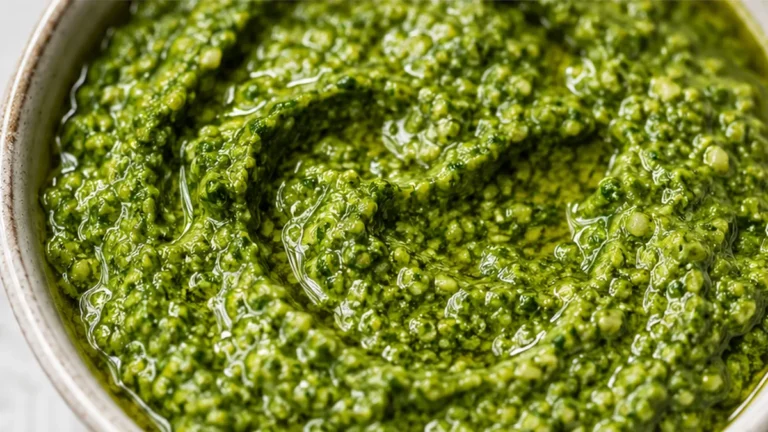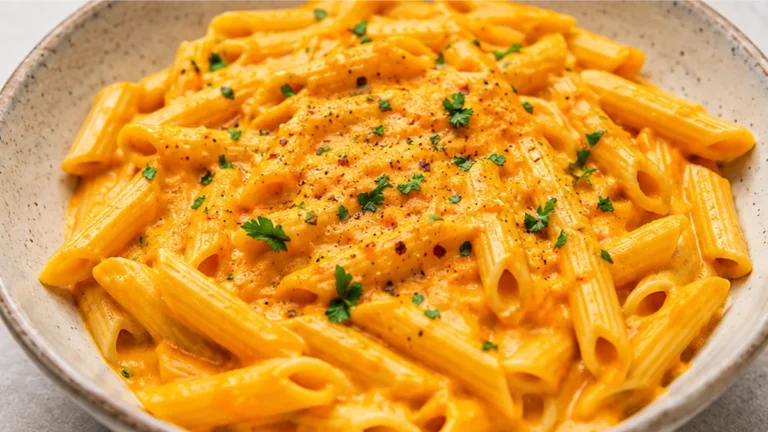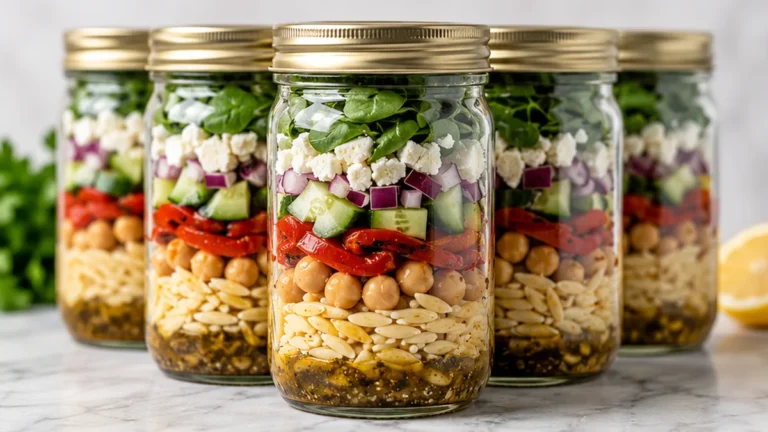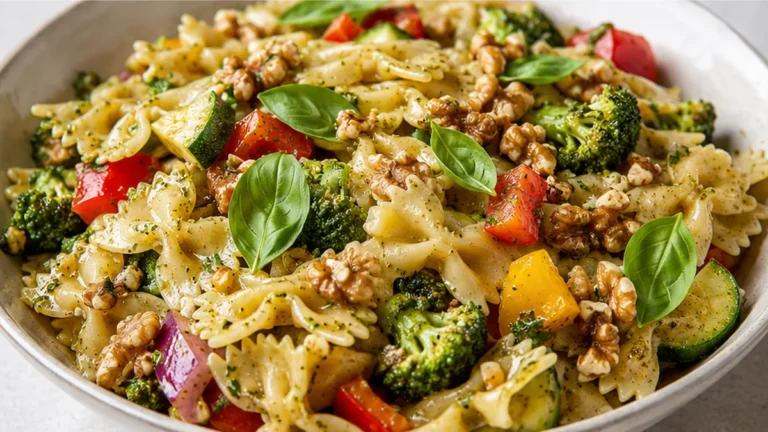
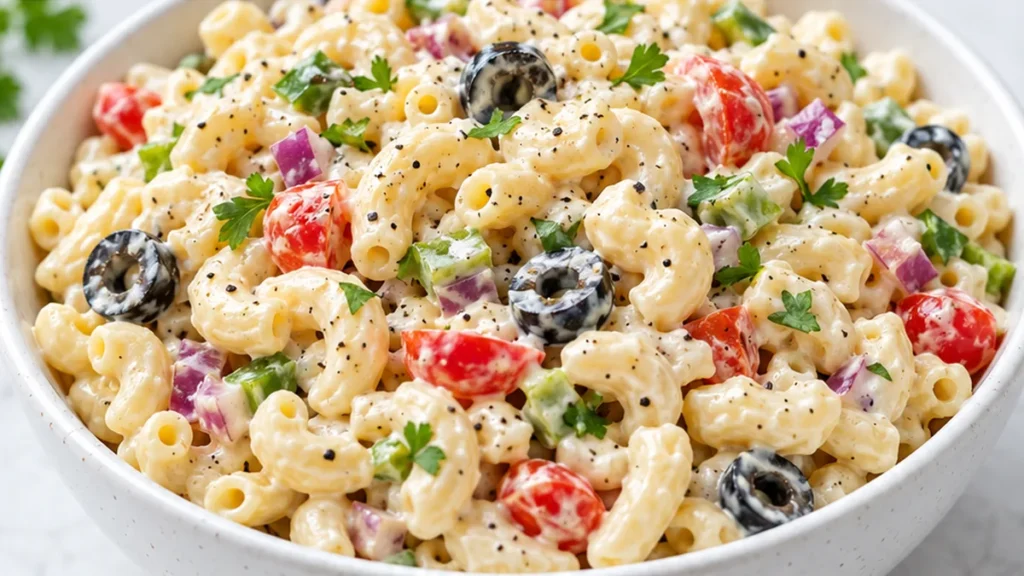
This creamy vegan pasta salad recipe combines pasta with fresh vegetables and a creamy avocado dressing. It’s a simple, nutritious dish that’s easy to prepare.
Key takeaways
- The right emulsion ratio is crucial for creaminess.
- Avoid overcooking pasta to maintain texture.
- Use fresh herbs for enhanced flavor.
- Experiment with ingredient swaps for variety.
Creamy Vegan Pasta Salad Recipe
Ingredients
Instructions
- Cook pasta according to package in lightly salted water until slightly under al dente (I boiled for 6 minutes).
- Drain and place in the fridge until cold (do not rinse).
- To make the dressing, in a large bowl add veganaise, mustard, jalapeños, garlic, black pepper, salt, sugar, and Italian seasoning until combined. (You can blend if you want for a stronger jalapeño taste. Refrigerate dressing overnight for best results).
- When pasta is cool, toss pasta with remaining vegetables and dressing.
- Taste and add more salt and pepper if needed.
- Serve cold and stir before serving.
Understanding the Creamy Emulsion in Vegan Pasta Salad
The creamy texture of a vegan pasta salad primarily relies on creating a stable emulsion. This is achieved by combining fat and water-based ingredients, such as olive oil and lemon juice, with an emulsifier like tahini or cashew cream. The ideal ratio for a creamy dressing is typically 3:1 oil to acid. For instance, using 60ml of olive oil to 20ml of lemon juice ensures a rich, cohesive dressing that clings to the pasta. Achieving the right consistency might require adjusting the liquid based on the pasta’s absorption.
Common Mistakes in Preparing Vegan Pasta Salad
Many home cooks encounter issues when making creamy vegan pasta salad. Here are some common pitfalls and their solutions:
- Overcooked Pasta: This can lead to mushy pasta that doesn’t hold the dressing well. To avoid this, cook pasta until al dente, which typically means boiling for 2-3 minutes less than the package instructions.
- Inadequate Cooling: If the pasta is not cooled properly before adding the dressing, it can become sticky. Rinse the pasta under cold water for 30 seconds to halt cooking and cool it down quickly.
- Too Much Dressing: Excess dressing can make the salad soggy. Start with a smaller amount, around 60ml, and adjust to taste. You can always add more, but it’s hard to remove excess dressing once added.
Ingredient Swaps for a Unique Flavor Profile
Substituting ingredients can enhance the flavor and nutritional profile of your creamy vegan pasta salad. Here are a few swaps to consider:
- Cashew Cream for Tahini: While both create a creamy texture, cashew cream has a milder flavor. This swap is ideal for those who prefer a less nutty taste.
- Chickpea Pasta for Traditional Pasta: This gluten-free option adds more protein and fiber, making the dish heartier.
- Fresh Herbs for Dried: Using fresh basil or parsley instead of dried herbs brightens the dish and adds a fresh flavor.
Unique Characteristics of Creamy Vegan Pasta Salad
What sets this creamy vegan pasta salad apart is its versatility and ability to cater to different dietary preferences. Unlike traditional pasta salads that often rely on dairy, this version utilizes plant-based ingredients to achieve a rich flavor without compromising on texture. The use of nuts, seeds, or avocados not only contributes to the creaminess but also enriches the nutritional value, making it suitable for various dietary needs.
How to Prepare Creamy Vegan Pasta Salad in Advance
Making a creamy vegan pasta salad ahead of time can be a game changer for meal prep. The key is to ensure that the pasta is cooked al dente, which helps prevent it from becoming mushy when stored. After cooking, rinse the pasta in cold water to halt the cooking process and let it cool completely. Combine it with the creamy dressing and other ingredients just before serving to maintain freshness. If you plan to store it for more than a day, consider keeping the dressing separate until ready to serve. This prevents the pasta from absorbing too much moisture and ensures a vibrant texture.
Scaling the Recipe for Larger Gatherings
When scaling your creamy vegan pasta salad recipe for larger gatherings, it’s important to maintain the ratios of ingredients for consistency in flavor and texture. A general rule of thumb is to increase the pasta by 50% and adjust the dressing and vegetables accordingly. For instance, if the original recipe calls for 250 grams of pasta, use 375 grams for a larger batch. Keep in mind that the emulsification of the dressing might need extra attention as the quantity increases. It’s advisable to prepare the dressing in batches to ensure it blends well, maintaining the creamy texture.
Understanding Equipment Variations for Optimal Results
The equipment you use can significantly affect the outcome of your creamy vegan pasta salad. A high-speed blender works wonders for creating a smooth and creamy dressing, while a food processor can yield a chunkier texture if desired. Additionally, using a large pot for boiling the pasta allows for better heat distribution, ensuring even cooking. When mixing the salad, a large mixing bowl provides ample space to toss the ingredients without spilling, which is especially important when working with larger batches.
Seasonal Ingredients and Their Impact on Flavor
Using seasonal ingredients can elevate your creamy vegan pasta salad significantly. For example, fresh summer vegetables like heirloom tomatoes, zucchini, and bell peppers add vibrant flavors and textures that are hard to replicate with out-of-season produce. Additionally, seasonal herbs like basil or parsley can enhance the dressing’s flavor profile. Understanding the quality of ingredients at different times of the year can help you make informed choices that not only improve taste but also nutritional value. Always opt for organic and locally sourced produce when possible for the best results.
How to Achieve the Perfect Creamy Texture in Vegan Pasta Salad
The key to a successful creamy vegan pasta salad lies in achieving the right texture for the dressing. A well-emulsified dressing combines oil and water-based ingredients smoothly, preventing separation. For a creamy result, use a ratio of 1:1 for oil to plant-based yogurt or aquafaba. Blend these ingredients thoroughly until smooth. If the dressing is too thick, add a splash of plant-based milk to achieve your desired consistency. The ideal serving temperature for this dish is around 15-20°C (59-68°F), which allows the flavors to meld while maintaining the salad’s texture.
Understanding the Impact of Ingredient Freshness on Flavor
The freshness of your ingredients can significantly affect the overall flavor profile of your creamy vegan pasta salad. For instance, using fresh herbs like basil or parsley instead of dried can elevate the dish’s taste. Seasonal vegetables such as cherry tomatoes in summer or roasted butternut squash in fall can also enhance flavor and add a vibrant color. Aim to use organic ingredients when possible, as they often have a more robust flavor. Additionally, consider the ripeness of your vegetables; overripe produce can lead to a mushy texture, while under-ripe may lack flavor.
Choosing the Right Equipment for Optimal Results
The equipment you use can influence the outcome of your creamy vegan pasta salad. A high-speed blender or food processor is recommended for creating a smooth dressing, as it ensures a proper emulsion. If you prefer a chunkier texture, a simple whisk can suffice, but it may not achieve the same creamy consistency. For cooking pasta, using a large pot allows for better water circulation, leading to evenly cooked pasta. Lastly, a large mixing bowl is essential for combining all ingredients without making a mess, ensuring that every piece of pasta is coated in the delicious dressing.
Adjusting Serving Sizes for Gatherings
When scaling your creamy vegan pasta salad recipe for larger gatherings, it’s essential to maintain the right ratios of ingredients to ensure consistent flavor and texture. A general guideline is to increase the pasta quantity by about 100 grams for every additional four servings. This means if your original recipe serves four, using 300 grams of pasta will yield approximately 12 servings. However, be cautious with the dressing; it’s often best to prepare it in batches to avoid overwhelming the pasta. For every 100 grams of pasta, consider adding around 60-70 grams of dressing, adjusting based on taste. This ensures that the salad remains creamy without becoming overly saturated.
In addition, consider the ingredient quality, as fresh vegetables will enhance the overall taste. When scaling up, it may be beneficial to use a larger mixing bowl to ensure all ingredients are evenly combined. This also helps in maintaining the texture of the salad, as a crowded bowl can lead to uneven distribution of dressing and ingredients.
Understanding Ingredient Quality and Its Impact on Flavor
The quality of ingredients significantly influences the final taste of your creamy vegan pasta salad. Fresh vegetables, such as bell peppers, cucumbers, and herbs, should be crisp and vibrant. For instance, using organic produce not only enhances flavor but also ensures that you are avoiding pesticides that can alter the taste. When selecting pasta, opt for whole grain or legume-based varieties for added nutrition and a unique flavor profile.
Additionally, the type of vegan mayonnaise or creamy base you choose can vary in taste and texture. Some brands may have a tangy flavor, while others are creamier. Experimenting with different brands or even making your own can elevate the dish. Moreover, seasonal ingredients can provide bursts of flavor; for example, ripe tomatoes in summer can add sweetness that complements the creaminess of the salad. Always taste as you go and adjust seasonings to match the freshness of your ingredients.
Pro tips
Pro tip: Best served immediately while hot!
Frequently asked questions
Can I make the creamy dressing ahead of time?
Yes, you can prepare the creamy dressing ahead of time. Store it in an airtight container in the refrigerator for up to three days. Just give it a good stir before using, as separation may occur.
What type of pasta works best for this recipe?
Any pasta can work, but short shapes like fusilli or penne hold the dressing better than long strands. Gluten-free pasta is also a great option if needed.
How can I add more protein to this salad?
You can add cooked chickpeas, tofu, or tempeh to increase the protein content. These ingredients pair well with the creamy dressing and enhance the overall nutrition of the salad.
Is this pasta salad suitable for meal prep?
Absolutely! This creamy vegan pasta salad is great for meal prep. Just store it in individual portions in the refrigerator for up to five days, making it a convenient option for lunches or quick dinners.
More from Vegan Pasta →