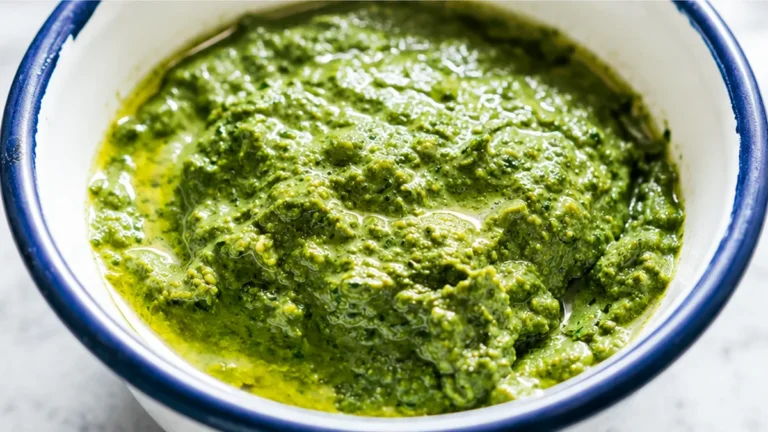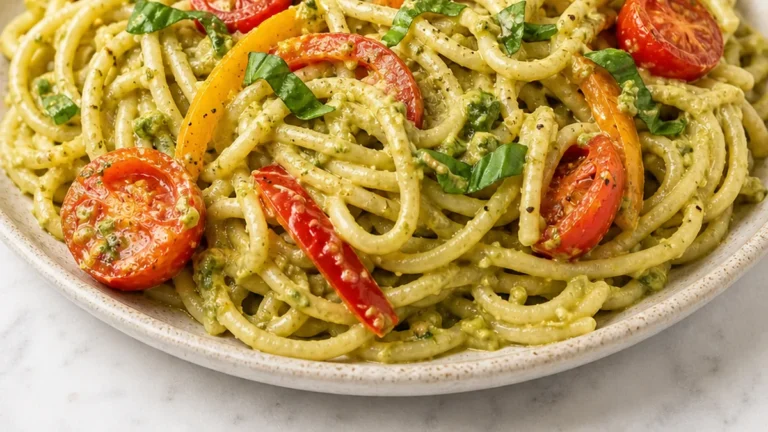

Creamy sweet potato noodles are a nutritious alternative to traditional pasta. This recipe combines sweet potatoes with a creamy sauce for a satisfying dish.
Key takeaways
- Choose high-starch sweet potatoes for creaminess.
- Cook at 200°C (400°F) for optimal texture.
- Ensure noodles are well-drained to prevent wateriness.
- Experiment with swaps for unique flavor profiles.

Creamy Sweet Potato Noodles: Comfort Food!
Ingredients
Instructions
- Cover the cashews with water in a bowl and soak for 2 hours.
- Drain and rinse thoroughly. Place in a food processor or blender and add the 3/4 cup water, salt, and garlic. Puree until very smooth.
- Heat the oil in a large skillet over high heat. Add the sweet potatoes; toss in the pan for 6-7 minutes with tongs until tender-crisp. Remove from heat and toss in the spinach – it should wilt pretty quickly.
- Add half of the herbs and half of the sauce to the pan and toss to combine thoroughly. Add water if the mixture is too sticky. Season generously with salt and pepper, drizzle with olive oil, and top with the remaining fresh herbs.
Understanding the Creaminess of Sweet Potato Noodles
The key to achieving the creamy texture in sweet potato noodles lies in the starch content of the sweet potatoes. When cooked, the starches gelatinize, creating a smooth mouthfeel. For optimal results, choose varieties like the Beauregard or Jewel sweet potatoes, which contain higher sugar and starch levels. Cooking them at a temperature of around 200°C (400°F) for 25-30 minutes will enhance their natural sweetness and creaminess.
Common Issues and Solutions in Making Creamy Sweet Potato Noodles
One common issue when preparing creamy sweet potato noodles is achieving the right texture. If the noodles turn out too watery, it may be due to overcooking or not draining them properly after boiling. To fix this, ensure you cook the noodles just until tender and drain them thoroughly.
Another issue can arise from the sauce not adhering to the noodles. This can happen if the noodles are too dry. To remedy this, add a splash of pasta cooking water or a bit more sauce to ensure the noodles are well-coated.
Ingredient Swaps and Their Impact on Flavor
While sweet potatoes are the star of this dish, there are several ingredient swaps that can enhance or alter the flavor profile:
- Using coconut milk instead of heavy cream: This swap will impart a tropical flavor and a lighter texture, but may not achieve the same level of creaminess.
- Substituting nutritional yeast for Parmesan: This vegan alternative adds a cheesy flavor while keeping the dish dairy-free, but it may lack some of the richness of cheese.
- Adding spinach instead of kale: Spinach wilts down more than kale, providing a different texture and a milder flavor that blends well with sweet potatoes.
Unique Characteristics of Creamy Sweet Potato Noodles
This dish stands out from traditional pasta dishes due to its vibrant orange color and the nutritional benefits of sweet potatoes. Rich in vitamins A and C, fiber, and antioxidants, sweet potato noodles offer a healthier alternative to refined pasta. The natural sweetness of the sweet potatoes pairs beautifully with savory sauces, making them versatile for various flavor profiles.
Understanding the Impact of Ingredient Quality on Creamy Sweet Potato Noodles
The quality of your sweet potatoes can significantly influence the texture and flavor of your creamy sweet potato noodles. Opt for fresh, firm sweet potatoes with smooth skin, as these will yield a creamier consistency when cooked. Older or blemished potatoes may have a drier texture, which can lead to a less satisfying result. Additionally, consider the seasonality of your ingredients; sweet potatoes harvested in the fall tend to be sweeter and have a richer flavor profile. This can enhance the overall dish, making it more enjoyable. When selecting cream or milk for the sauce, choose high-fat varieties for a richer mouthfeel. A higher fat content will contribute to the creaminess, while lower-fat options may result in a thinner sauce.
Batch Scaling and Adjusting Cooking Times
Scaling your recipe for creamy sweet potato noodles can be straightforward, but it requires careful attention to cooking times and ingredient ratios. When doubling or halving the recipe, the cooking time for the noodles may need adjustment. For instance, if you increase the quantity, allow for additional cooking time to ensure even doneness. Conversely, reducing the batch size may require less time, so keep an eye on the noodles as they cook. It’s also essential to maintain the same ratio of sweet potatoes to cream to preserve the dish’s signature creaminess. A good rule of thumb is to keep the ratio of sweet potatoes to liquid at around 2:1 for optimal texture.
Equipment Considerations for Optimal Texture
The equipment you use can significantly affect the final texture of your creamy sweet potato noodles. A high-quality spiralizer or vegetable peeler can create noodles of consistent thickness, which is crucial for even cooking. If you prefer a softer noodle, consider using a food processor to blend the sweet potatoes into a finer consistency before cooking. Additionally, the type of pot or pan can impact heat distribution; a heavy-bottomed pot will provide more even heat, reducing the risk of burning. If using a non-stick pan, you may need less oil, which can help maintain the creamy texture without added greasiness. Always ensure your equipment is clean and dry to prevent any unwanted flavors from affecting the dish.
Pairing Suggestions to Elevate Your Dish
Complementing your creamy sweet potato noodles with the right flavors can elevate the dish to new heights. Consider pairing them with proteins such as grilled chicken, shrimp, or sautéed mushrooms, which add a savory contrast to the sweetness of the potatoes. For a fresh twist, serve with a side of sautéed greens like spinach or kale, which not only adds color but also balances the richness of the noodles. Additionally, incorporating herbs such as thyme or rosemary can enhance the overall flavor profile. A sprinkle of toasted nuts or seeds can provide a delightful crunch, adding texture that contrasts with the creamy noodles. Experimenting with different pairings can lead to unique and satisfying meals.
Understanding the Make-Ahead Strategy for Creamy Sweet Potato Noodles
Preparing creamy sweet potato noodles in advance can save time and enhance meal planning. When made ahead, the noodles can be stored in an airtight container in the refrigerator for up to three days. To retain their creamy texture, it is crucial to store them with a light coating of oil or sauce to prevent them from drying out. Reheat gently on low heat, adding a splash of water or broth to restore creaminess. This method is particularly useful for busy weeknights or meal prep enthusiasts who want to enjoy this comforting dish without starting from scratch each time.
Effects of Ingredient Quality on Flavor and Texture
The quality of your ingredients plays a pivotal role in the final outcome of creamy sweet potato noodles. For instance, using fresh, organic sweet potatoes can significantly enhance the natural sweetness and flavor profile of the dish. Additionally, the type of cream or dairy substitute used can alter the creaminess and mouthfeel. High-fat dairy products like heavy cream will yield a richer texture compared to lighter options like half-and-half or plant-based milks. Always aim for the freshest ingredients available to maximize flavor and nutritional benefits, as this dish thrives on the natural characteristics of its components.
Adjusting for Seasonal Variations in Ingredients
Seasonal changes can impact the flavor and texture of creamy sweet potato noodles. For example, sweet potatoes harvested in the fall are often sweeter and denser compared to those found in spring. When preparing this dish in different seasons, consider adjusting the spices and accompaniments to complement the natural sweetness of the sweet potatoes. In the fall, adding warming spices like cinnamon or nutmeg can enhance the dish, while in spring, lighter herbs like basil or mint can provide a refreshing contrast. Being mindful of seasonal variations allows for a more dynamic and flavorful dish.
Understanding the Storage and Reheating of Creamy Sweet Potato Noodles
Proper storage of creamy sweet potato noodles is essential to maintain their texture and flavor. After cooking, allow the noodles to cool to room temperature before transferring them to an airtight container. They can be stored in the refrigerator for up to 3 days. When reheating, add a splash of water or cream to the noodles to restore their creaminess and prevent them from drying out. Heat them gently on the stovetop over low heat, stirring frequently to ensure even warming. Microwaving is also an option, but be cautious as it can make the noodles rubbery if overheated. For longer storage, consider freezing the noodles. Spread them out on a baking sheet to freeze individually before transferring them to a freezer-safe container. They can be frozen for up to 3 months. Thaw in the refrigerator overnight before reheating.
Batch Scaling for Creamy Sweet Potato Noodles
Scaling the recipe for creamy sweet potato noodles can be straightforward, but it’s essential to adjust cooking times and ingredient ratios accordingly. When increasing the batch size, maintain the same proportions of sweet potatoes to cream to ensure the desired creaminess. For instance, if doubling the recipe, use twice the amount of sweet potatoes and cream, but also consider that cooking times may need to be slightly extended. For larger batches, it might be beneficial to cook the noodles in multiple pots or batches to ensure even cooking. Additionally, taste testing during the cooking process is crucial, as larger quantities can sometimes alter the flavor balance. If you’re making a significant batch for a gathering, consider preparing the sauce separately and combining it with the noodles just before serving to maintain optimal texture and creaminess.
Pro tips
Pro tip: Best served immediately while hot!
Frequently asked questions
Can I use other types of noodles instead of sweet potato noodles?
Yes, you can use zucchini noodles or regular pasta, but the flavor and texture will differ significantly. Sweet potato noodles provide a unique sweetness and creaminess that other noodles may not replicate.
How do I store leftover creamy sweet potato noodles?
Store leftover noodles in an airtight container in the refrigerator for up to three days. Reheat gently on the stove with a splash of water or sauce to revive their creaminess.
What can I add to enhance the flavor of the sweet potato noodles?
Consider adding garlic, ginger, or herbs like basil or cilantro to enhance the flavor. A squeeze of lemon juice can also brighten the dish and complement the sweetness of the sweet potatoes.
Is this dish suitable for meal prep?
Yes, creamy sweet potato noodles are great for meal prep. They hold up well when stored and can be easily reheated, making them a convenient option for busy weeknights.
More from Vegan Pasta →