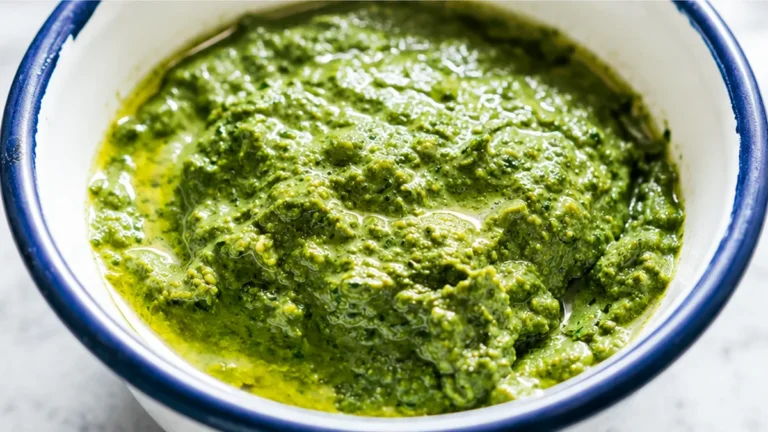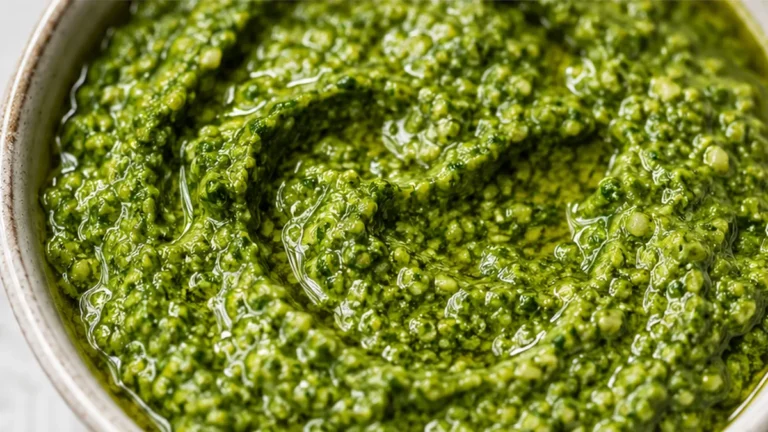
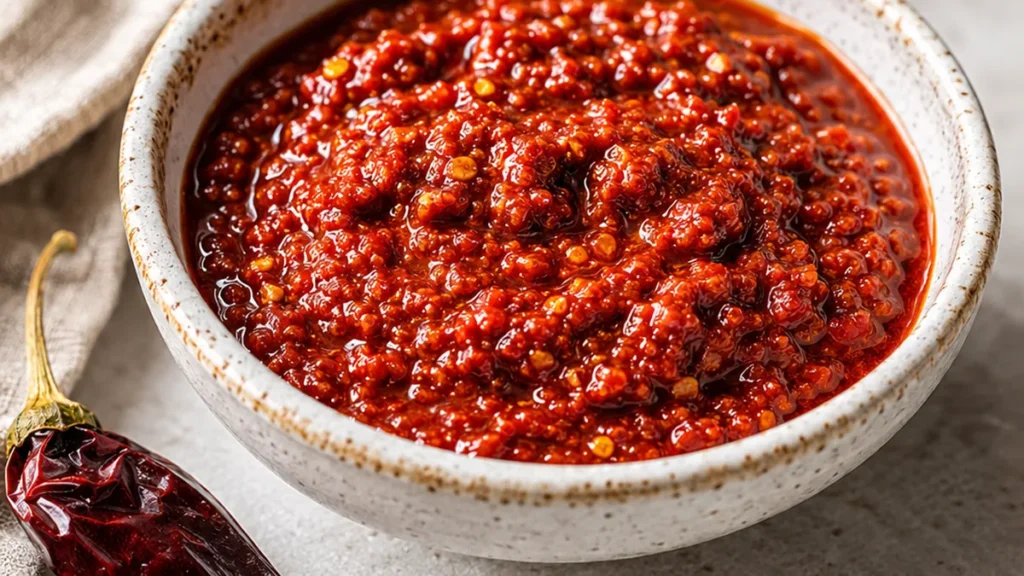
Homemade Harissa sauce is a revelation for any spice lover. This recipe demystifies the process, bringing the authentic, fiery flavor of North African chili paste right to your kitchen. Unlike store-bought versions, this harissa sauce allows you to control the spice level and freshness. This version focuses on a balanced heat and smoky depth, achieved through a careful selection of dried and fresh chilies. Making harissa sauce at home is surprisingly straightforward and incredibly rewarding, promising a bright addition to your culinary repertoire.
Key takeaways
- Rehydrate dried chilies thoroughly for a smooth texture.
- Slowly drizzle olive oil during blending for proper emulsification.
- Adjust heat and salt levels carefully to your preference.
- Use substitutions thoughtfully to maintain flavor balance.
Spicy Homemade Harissa Sauce Recipe
Ingredients
- 2 whole roasted red peppers (seeds removed)
- 2 dried ancho chilies
- 1 dried chile de arbol
- 2 chipotle chiles in adobo sauce
- 1 cup boiling water
- 1 clove garlic (peeled and smashed)
- Juice of half a lemon
- Salt (to taste)
- 2 tablespoons olive oil
Instructions
- Place the dried ancho and chile de arbol chilies in a heatproof bowl. Pour the boiling water over them and let sit for 20 to 30 minutes until softened. Reserve the chile soaking water.
- Once chiles are softened, cut off the tops and remove the seeds. Add the rehydrated chilies, chipotle chiles in adobo, smashed garlic clove, and lemon juice to a food processor or blender.
- Purée the mixture. Slowly drizzle in the olive oil while the processor is running to thicken the sauce. If you prefer a thinner consistency, add 1-2 tablespoons of the reserved chile water.
- Season the Harissa to taste with salt. Add more lemon juice if desired for brightness. Blend again briefly to combine.
- Transfer the homemade Harissa to a clean jar. It will keep refrigerated for up to 2-3 weeks, allowing the flavors to meld beautifully.
- Serve this vibrant, spicy sauce with grilled meats, roasted vegetables, or anywhere you need a fiery kick!
Notes
The technique that makes it
The key to a truly exceptional harissa sauce lies in the rehydration of the dried chilies and the emulsification of the final sauce. Start by toasting the dried ancho and chile de arbol chilies lightly in a dry skillet over medium heat for about 30-60 seconds per side, just until fragrant. This process awakens their complex flavors and aromas. Then, submerge them in the boiling water along with the chipotle chiles in adobo sauce. Allow them to soak for at least 20-30 minutes, or until fully softened. This rehydration is crucial; it allows the chilies to blend smoothly and prevents a gritty texture. The chipotles in adobo contribute not only heat but also a smoky depth and a touch of acidity from the adobo sauce itself. Once rehydrated, all the chilies, along with the roasted red peppers, smashed garlic clove, lemon juice, and a pinch of salt, should be blended. The final emulsification step involves slowly drizzling in the olive oil while the blender is running. This creates a stable, cohesive sauce where the oil is evenly distributed, resulting in a rich mouthfeel and a harmonious blend of flavors. Do not rush this process; a slow drizzle ensures the best texture.
Troubleshooting
- Problem: Harissa sauce is too thin or watery. Fix: While the sauce is still warm, gently simmer it uncovered over low heat for a few minutes to allow some of the liquid to evaporate. Alternatively, blend in a small amount of additional roasted red pepper or a tablespoon of tomato paste for body.
- Problem: Harissa sauce is not spicy enough. Fix: Add more chile de arbol or a spicier chili like cayenne pepper to the blend. For an immediate heat boost, a dash of hot sauce can be incorporated, though this may alter the flavor profile slightly.
- Problem: Harissa sauce has a bitter or acrid taste. Fix: This can sometimes happen if the dried chilies were over-toasted or if seeds were left in the roasted peppers. Try adding a touch more lemon juice or a pinch of sugar to balance the bitterness. Ensure all seeds were removed from the roasted peppers.
- Problem: The sauce is too salty. Fix: Add more roasted red peppers, a bit more lemon juice, or a small amount of unsalted vegetable broth to dilute the saltiness. Blend thoroughly to reintegrate the flavors.
Substitutions
- Roasted Red Peppers: If fresh roasted red peppers are unavailable, you can use jarred roasted red peppers (ensure they are packed in water or oil, not marinated) or even sun-dried tomatoes packed in oil for a different, more intense flavor. The texture might be slightly different.
- Ancho Chilies: Substitute with an equal amount of dried Guajillo chilies for a similar mild heat and fruity undertones, or use an additional chipotle in adobo for more smokiness.
- Chile de Arbol: For a milder heat, use dried New Mexico chilies. For a similar heat level but different flavor, a pinch of cayenne pepper can be used, but it will lack the fruity notes.
- Olive Oil: A neutral oil like avocado oil or grapeseed oil can be used, but it will result in a less rich flavor profile. Extra virgin olive oil is preferred for its characteristic taste.
Pro tips
- For a milder Harissa, remove all seeds and membranes from the dried chilies.
- Adjust the amount of chile de arbol for your preferred heat level.
- Use high-quality olive oil for the best flavor infusion.
- For an extra smoky flavor, briefly toast the dried chilies before soaking.
Enjoy your homemade Harissa sauce! Experiment with it on grilled meats, sandwiches, or as a dip. You’ll find countless ways to add a spicy kick to your favorite dishes.
More from blog →
Frequently asked questions
How long does homemade harissa last in the fridge?
Properly stored in an airtight container in the refrigerator, homemade harissa sauce can last for up to two weeks. Ensure it’s always covered to prevent contamination and maintain its freshness. For longer storage, consider freezing portions in ice cube trays.
Can I make harissa less spicy?
Yes, you can easily adjust the spice level. Reduce the number of hot chili peppers, or remove the seeds and membranes from them before blending. You can also substitute some of the hot peppers with milder varieties like roasted red peppers or bell peppers for a less intense heat.
What can I substitute for roasted red peppers in harissa?
If you don’t have roasted red peppers, you can use jarred roasted red peppers, or roast your own bell peppers until charred and peel them. Another option is to use sun-dried tomatoes (oil-packed, drained) for a different but complementary flavor profile. Ensure they are rehydrated if using dry ones.
How do I use spicy harissa sauce in cooking?
Harissa is incredibly versatile. Use it as a marinade for grilled meats or vegetables, stir it into stews and soups for a spicy kick, spread it on sandwiches or wraps, or mix it with yogurt for a dipping sauce. It pairs wonderfully with roasted vegetables, couscous, and tagines.