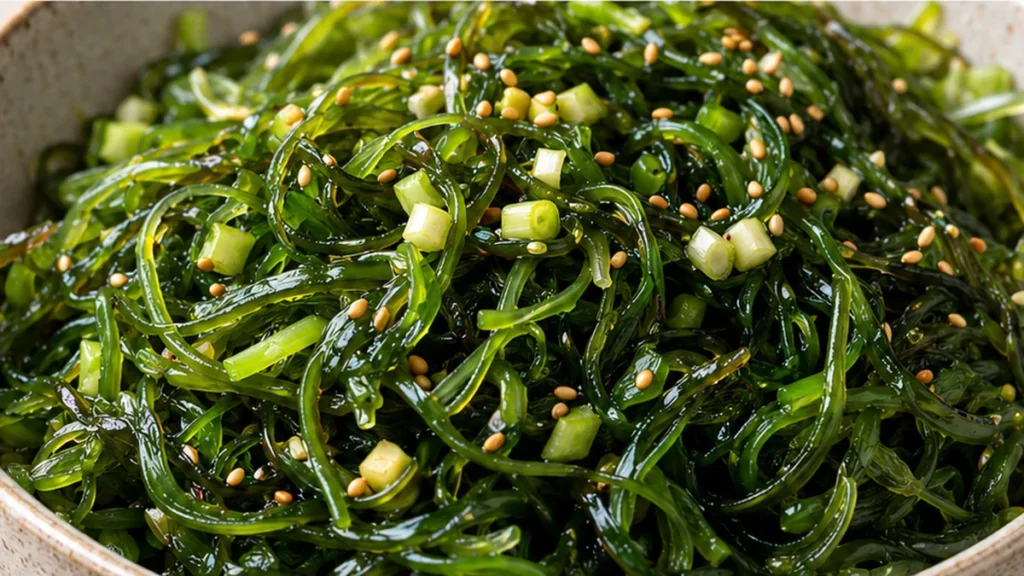
A great seaweed salad is more than just a side; it’s a vibrant, nutrient-packed dish that brings a refreshing crunch to any meal. This particular seaweed salad recipe captures that perfect balance of savory, sweet, and tangy, making it incredibly satisfying. Seaweed salad comes together surprisingly quickly at home. It truly is a simple yet elegant dish, perfect for those looking for a quick, healthy, and flavorful option. This recipe is designed to highlight the natural brininess of the seaweed with a balanced, aromatic dressing.
Key takeaways
- The dressing’s balance of sweet, salty, and tangy is key.
- Properly rehydrated or rinsed seaweed provides the best texture.
- Emulsify the dressing ingredients well for even flavor distribution.
- Fresh scallions and toasted sesame seeds add essential freshness and crunch.
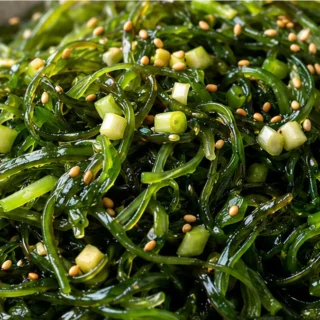
Super Fresh Seaweed Salad: A Zesty & Healthy Crunch!
Ingredients
- 1 (3 ounce) package seaweed salad mix
- 1 tablespoon + 1 teaspoon Rice Vinegar
- 1 tablespoon + 1 teaspoon soy sauce
- 1 teaspoon sesame oil
- 1/2 teaspoon sugar
- 1 scallion, diced
- 1 tablespoon toasted sesame seeds
Instructions
- In a large bowl, soak the seaweed salad mix in cold water for 5 minutes or according to package directions. Drain thoroughly, pressing out excess water.
- In a small bowl, combine the rice vinegar, soy sauce, sesame oil, and sugar. Whisk until the sugar is dissolved.
- Add the diced scallion and toasted sesame seeds to the dressing and stir to combine.
- Pour the dressing over the drained seaweed and toss gently to thoroughly combine, ensuring all strands are coated.
- Serve immediately, or chill for 15-20 minutes for an even more refreshing experience. Garnish with extra sesame seeds if desired.
Notes
The Technique: Achieving the Perfect Zesty Crunch
The success of this simple seaweed salad hinges on the proper preparation and combination of its dressing components and the rehydration of the seaweed. While many seaweed salad mixes are pre-seasoned, this recipe adds a fresh dressing to enhance the flavor and texture. The key is the emulsification of the dressing ingredients: rice vinegar, soy sauce, sesame oil, and sugar. Whisking these together until the sugar is dissolved and the liquids are well combined creates a stable vinaigrette. The slight sweetness from the sugar balances the salty soy sauce and tangy vinegar, while the sesame oil adds a nutty depth. When this dressing is tossed with the rehydrated seaweed, it coats each strand evenly, infusing it with flavor without making it soggy. The rehydration process itself is crucial; if using dried seaweed, follow package directions carefully to achieve a tender but not mushy texture. For pre-packaged salad mixes, a brief rinse might be necessary to remove excess brine, which can make the final dish too salty. The final addition of fresh scallions and toasted sesame seeds provides a textural contrast and a burst of fresh flavor, elevating the salad from simply seasoned to truly vibrant.
Troubleshooting
- Problem: Salad is too salty. Fix: If using a pre-packaged seaweed salad mix that is already seasoned, you may need to rinse it briefly under cold water before dressing. Alternatively, reduce the amount of soy sauce in the dressing by half.
- Problem: Dressing is separating. Fix: Ensure the sugar is fully dissolved in the vinegar and soy sauce before adding the sesame oil. Whisk vigorously to create a temporary emulsion. For a more stable dressing, you can add a tiny pinch of xanthan gum, though this is optional for this simple recipe.
- Problem: Seaweed is mushy or slimy. Fix: This usually indicates over-rehydration if using dried seaweed, or the product itself was of lower quality. For pre-packaged salads, avoid letting them sit in the dressing for too long; toss and serve relatively quickly.
- Problem: Lacks crunch. Fix: Ensure your scallions are freshly diced and not bruised. Toast your sesame seeds until fragrant but not burnt, as burnt seeds lose their nutty flavor. If the seaweed itself feels limp, it might have been over-hydrated or is an older product.
Substitutions
- Rice Vinegar: Substitute with apple cider vinegar or white wine vinegar. The flavor will be slightly different, perhaps a bit fruitier or milder, but will still provide the necessary acidity.
- Soy Sauce: Use tamari for a gluten-free option or coconut aminos for a soy-free, slightly sweeter alternative. The saltiness level might vary, so adjust to taste.
- Sesame Oil: A neutral oil like grapeseed or avocado oil can be used if sesame is not preferred, but it will significantly alter the characteristic nutty flavor profile.
- Sugar: A small amount of honey or maple syrup can replace the sugar. This will add a slightly different flavor nuance and sweetness intensity.
Pro tips
- For extra crispiness, ensure the seaweed is very well-drained after soaking. Press out as much water as possible without tearing it.
- To enhance the nutty flavor, toast your sesame seeds lightly in a dry skillet over medium heat for a few minutes until fragrant, watching closely to prevent burning.
- This salad tastes best when served fresh, but if you need to make it ahead, keep the dressing separate and combine just before serving to maintain the seaweed’s texture. It will last up to 2 days in the fridge, undressed.
Enjoy this simple yet sophisticated seaweed salad as a healthy appetizer or a light meal. It’s a fantastic way to incorporate more sea vegetables into your diet with minimal effort. Share your favorite variations!
Frequently asked questions
What is the best way to rehydrate dried seaweed for this salad?
If using dried seaweed, follow the package instructions precisely. Typically, this involves soaking in cold water for a specific duration until tender but not overly soft. Drain thoroughly to prevent a watery salad. Over-soaking can lead to a mushy texture.
Can I make the dressing ahead of time?
Yes, the dressing can be made a day in advance and stored in an airtight container in the refrigerator. Whisk it again before tossing with the seaweed salad, as the ingredients may separate slightly over time.
My seaweed salad seems bland. How can I add more flavor?
Ensure your dressing ingredients are fresh and well-balanced. You can also add a pinch of salt, a touch more vinegar, or a drop of sriracha for heat. A small amount of grated ginger or garlic can also boost the savory notes.
How long can I store this seaweed salad?
This salad is best enjoyed fresh, ideally within 1-2 days of preparation. Storing it for longer periods can cause the seaweed to become overly soft and the flavors to meld too much, diminishing the fresh crunch.
More from Vegan Bowls →