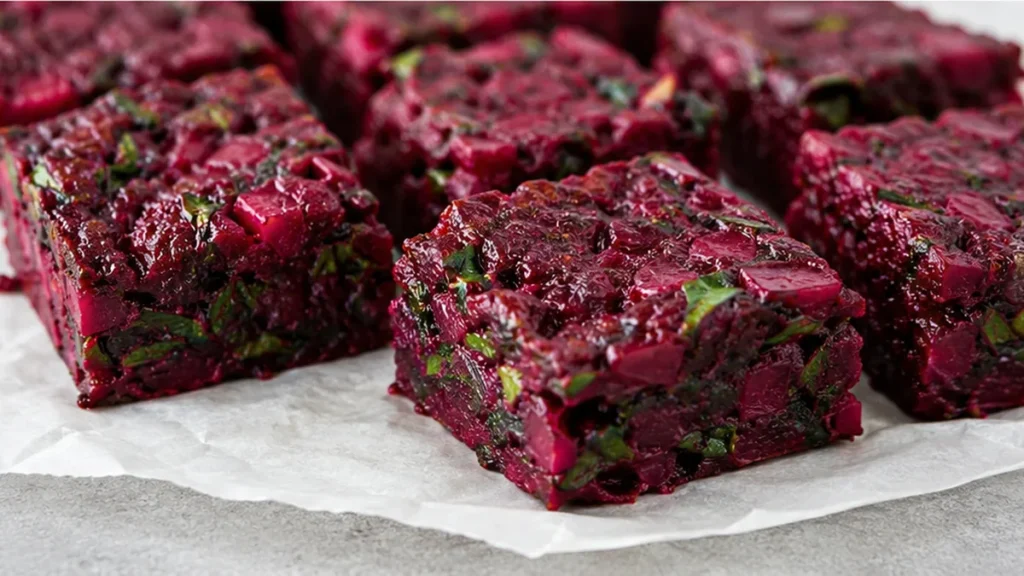
Roast beet squares are an incredibly versatile and delicious addition to any meal, transforming simple root vegetables into a vibrant, flavorful dish. This recipe focuses on a foolproof method to achieve perfectly tender beets with minimal effort, highlighting their natural sweetness and earthy notes. Whether you’re looking for a healthy side, a colorful salad topper, or a nutritious snack, these roasted beets are a fantastic choice. Roasting beets uncovered can yield dry, hard chunks; the secret is creating a steamy environment. By wrapping them tightly in foil, the beets gently steam in their own juices, resulting in a soft, buttery texture. This approach ensures your roast beet squares are consistently delicious.
Key takeaways
- Roast beets whole and unpeeled in a tightly sealed foil packet to concentrate sugars and develop a sweet, tender texture.
- Control cooking time to avoid mushiness or a faded color.
- Ensure your oven temperature is accurate for even cooking.
- Handle cooked beets carefully to prevent staining hands.
Vibrant Roast Beet Squares
Ingredients
- 2 Beets
- Tin foil
- Ziplock bag or gloves
- Beet greens (optional)
- Pot
- Boiling water
Instructions
- Preheat oven to 400 degrees Fahrenheit (200 degrees Celsius).
- Wrap beets in foil to seal the package.
- Bake for 1 hour until tender.
- Let beets cool, then peel using a bag or gloves.
- Cut cooled beets into small cubes and serve.
- Steam beet greens in a pot over boiling water for 4-5 minutes.
- Cool steamed greens and serve as finger food.
Notes
The Science of Roasting Beets
Roasting beets concentrates their natural sugars through caramelization and the Maillard reaction, transforming their earthy flavor into a deep, sweet, and slightly nutty profile. The key to achieving this optimal flavor and tender texture lies in controlled, dry heat. By wrapping the beets tightly in tin foil, we create a steaming environment within the packet. This initial steaming softens the beets, making them easier to pierce and tenderize. As the beets cook, their internal moisture turns to steam, circulating and cooking the beet evenly while preventing moisture loss that would lead to a dry, tough texture. The foil also traps the beet’s natural juices, allowing them to become more concentrated and flavorful. This method ensures the beets cook through without burning, preserving their vibrant color and developing that desirable sweetness.
Troubleshooting
- Beets are tough and undercooked: Ensure your oven temperature was accurate and consistent. Thicker beets may require longer cooking times; try wrapping them more tightly and returning them to the oven. Pierce them with a fork to check for tenderness.
- Beets are mushy and watery: This can happen if the foil packet is not sealed tightly, allowing steam to escape too quickly, or if overcooked. Reduce the cooking time in future attempts and ensure a good seal.
- Beet color has faded significantly: Overcooking can degrade the betalain pigments responsible for the vibrant color. Roast only until tender, and avoid excessive stirring or poking during the cooking process.
- Beets have a burnt taste: The oven temperature might be too high, or the beets were placed too close to the heating element. Lower the temperature slightly and ensure even heat circulation in your oven.
Substitutions
- Beets: While this recipe specifically uses beets, you could experiment with other root vegetables like carrots or parsnips. The flavor profile will change significantly, becoming sweeter and less earthy. Roasting time may also need adjustment.
- Tin foil: Parchment paper can be used, but it may not create as tight a seal, potentially leading to slightly less concentrated flavors and a less steamy environment. It’s a viable alternative if foil is unavailable.
- Ziplock bag or gloves: Any method to avoid staining your hands will work, such as using a spoon to handle the beets or wearing disposable gloves. This is purely for convenience and cleanliness.
- Boiling water: This is not used in the roasting method described but is listed in the ingredients. If you were to pre-boil beets, it would alter the texture and flavor development, resulting in a less intensely roasted taste.
Pro tips
- For quicker cooking, cut larger beets into halves or quarters before wrapping.
- Use a paper towel to help grip and peel the beets if you don’t have a ziplock bag or gloves.
- Always taste a small piece after cooling to ensure they are tender enough before serving or further preparation.
- Leftover roast beet squares can be stored in an airtight container in the refrigerator for up to 5 days. They are delicious cold in salads or gently reheated in the microwave.
These Roast Beet Squares are a testament to how simple techniques can yield extraordinary flavor. Enjoy them as a healthy side, in salads, or even as a vibrant addition to a mezze platter. Bon appétit!
Frequently asked questions
How do I peel the beets after roasting?
Once the beets are tender, carefully open the hot foil packet. Allow them to cool slightly until they are comfortable to handle. The skins should then slip off easily with your fingers or a paper towel. If any bits are stubborn, a paring knife can be used to gently scrape them away.
Can I roast the beets without foil?
Yes, you can roast beets directly on a baking sheet. However, this method will result in a slightly different texture, with more caramelized edges and potentially a drier interior. Wrapping in foil steams the beet first, ensuring tenderness before caramelization occurs.
How do I know when the beets are done roasting?
The beets are done when they are easily pierced with a fork or a sharp knife. The time will vary depending on the size of the beets, but typically ranges from 45 minutes to 1 hour or more in a 400°F (200°C) oven. Check for tenderness after about 45 minutes.
Why are my roasted beets not vibrant in color?
A loss of vibrant color can occur if the beets are overcooked, as the pigments can degrade with prolonged heat exposure. Ensure you are roasting only until tender. Also, avoid cutting into the beets before roasting, as this can cause juices to escape and color to leach out.
More from Vegan Bowls →