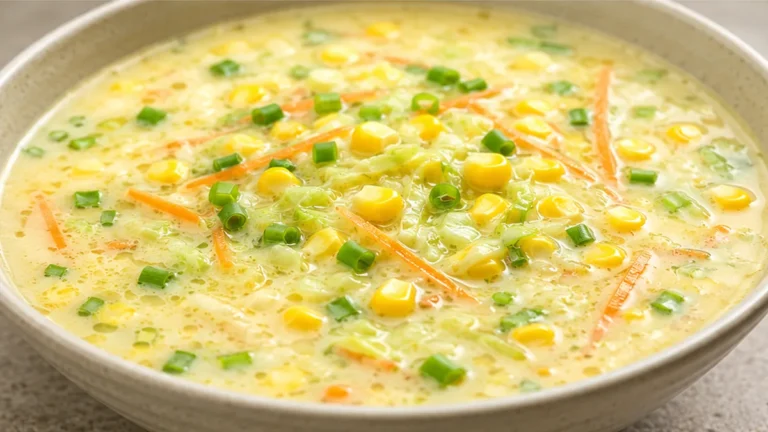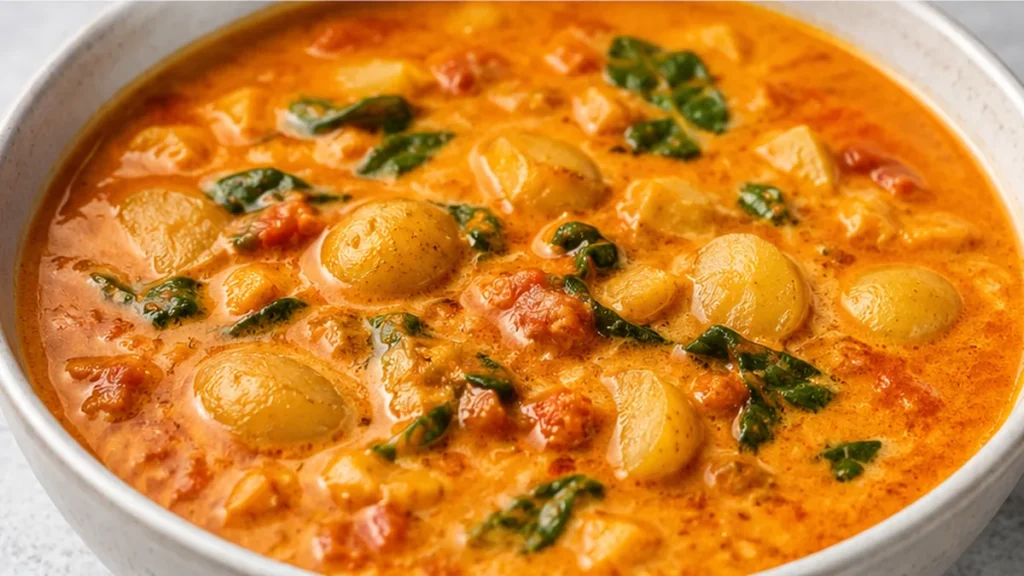
This coconut curry soup is more than just a meal; it’s a vibrant, comforting bowl that adapts to whatever fresh ingredients you have on hand. It’s a testament to how simple staples can transform into something truly spectacular with the right balance of spices and creamy coconut. I remember the first time I perfected this coconut curry soup, the aroma alone filled my kitchen with warmth, promising a rich and satisfying dinner. It’s ideal for busy weeknights when you crave something nourishing yet quick, or for a cozy weekend meal that feels a little special. This recipe focuses on creating a deeply flavorful base that elevates every spoonful, making it a staple in my home.
Key takeaways
- Achieve creaminess by gently simmering coconut milk, avoiding vigorous boiling to maintain the emulsion.
- Toast curry paste and aromatics to deepen flavor without scorching.
- Cook potatoes at a gentle simmer for even tenderness and to prevent milk separation.
- Adjust seasoning and add acidity (like lime) for balanced flavor.

Creamy Coconut Curry Soup
Ingredients
- 1 tablespoon oil
- 1 onion, chopped
- 3 cloves garlic, smashed
- 1 knob of ginger, peeled and grated
- 1-2 tablespoons red curry paste
- 1-2 tablespoons turmeric
- 1 teaspoon salt
- 2 tablespoons sugar
- 12 baby yukon potatoes
- 2 14-ounce cans coconut milk
Instructions
- Heat the oil in a large pot over medium heat. Add the onion, garlic, and ginger, and stir-fry for a few minutes until fragrant.
- Stir in the red curry paste, turmeric, salt, and sugar. Continue to stir-fry for another few minutes, allowing the spices to bloom.
- Add the baby Yukon potatoes and coconut milk to the pot. Bring to a simmer and cook until the potatoes are tender when pierced with a fork.
- Allow the soup to cool slightly, then carefully transfer it to a blender. Puree until the soup is smooth and silky, thick enough to coat the back of a spoon.
Notes
– For a deeper flavor, toast the curry paste and turmeric in the oil for a minute before adding liquids. This helps release their aromatic compounds.
– Storage: Leftover soup can be stored in an airtight container in the refrigerator for up to 3-4 days. It also freezes well for up to 2 months; thaw overnight and reheat gently on the stove.
– Don’t skip pressing the tofu! This crucial step ensures the tofu becomes wonderfully crispy when fried, absorbing the soup’s flavors without becoming soggy. If the tofu isn’t firm enough after pressing, it will break apart during frying. Nutrition information is an estimate, calculated automatically. Values vary with brands, substitutions and portion sizes.
The Technique That Makes It: Emulsification and Gentle Simmering
The success of this creamy coconut curry soup hinges on two key techniques: achieving a smooth, well-emulsified base and maintaining a gentle simmer to cook the potatoes without breaking the coconut milk.
Building the Flavor Base
Start by sautéing the aromatics – onion, garlic, and ginger – in oil until softened and fragrant. This process, known as allium softening, releases their volatile flavor compounds and sweetens them. Crucially, this step should be done over medium heat to avoid burning the garlic, which would impart a bitter taste. Next, incorporate the red curry paste and turmeric. Toasting these spices briefly in the residual oil helps to bloom their flavors and deepen their color. Be mindful of the heat here; too high, and the spices can scorch, leading to bitterness.
Achieving Creamy Emulsion
The magic of the creamy texture comes from the coconut milk. Coconut milk is an emulsion of coconut fat and water. When heated too rapidly or boiled vigorously, this emulsion can break, causing the fat to separate and the soup to appear greasy and curdled. To prevent this, add the coconut milk after the spices have been toasted and bring the mixture to a gentle simmer. Avoid a rolling boil. The sugar and salt also play roles in flavor balance and subtly affect the texture, enhancing the perceived creaminess.
Gentle Potato Cooking
The Yukon potatoes are added to the simmering liquid. Their starch content will slightly thicken the soup as they cook. It’s essential to maintain a gentle simmer throughout the potato cooking time. This ensures they cook through evenly without becoming mushy and, more importantly, prevents the coconut milk from breaking due to excessive heat. The potatoes absorb the curry flavors, becoming tender morsels within the rich broth.
Troubleshooting
- Problem: Soup is greasy or separated.
Fix: This indicates the coconut milk has boiled too vigorously. Reduce heat immediately to the lowest setting and whisk vigorously. If separation is severe, you can try blending a portion of the soup to re-emulsify, or stir in a tablespoon of cornstarch slurry (cornstarch mixed with a little cold water) and gently heat until thickened. - Problem: Curry flavor is too mild.
Fix: Add more red curry paste, a teaspoon at a time, stirring well and simmering for a few minutes to allow the flavor to meld. You can also add a pinch of cayenne pepper or a dash of hot sauce for extra heat and complexity. - Problem: Potatoes are undercooked or mushy.
Fix: If undercooked, continue simmering gently, covered, until tender. If mushy, they may have been over-simmered. This is difficult to fix, but you can try adding some cubed firm tofu or pre-cooked noodles to provide textural contrast. - Problem: Soup tastes flat or lacks depth.
Fix: Adjust seasoning with salt and sugar. A squeeze of lime juice or a splash of fish sauce (if not vegan) can add brightness and umami, significantly enhancing the overall flavor profile.
Substitutions
- Coconut Milk: Full-fat canned coconut milk is ideal for richness. For a lighter soup, you can use light coconut milk, but the texture will be less creamy. Alternatively, a blend of unsweetened almond milk and a tablespoon of cashew butter can provide creaminess, though the flavor will be altered.
- Potatoes: Sweet potatoes or butternut squash can be used instead of Yukon potatoes. They will add a different sweetness and a softer texture when cooked. Ensure they are cut into similar-sized cubes for even cooking.
- Red Curry Paste: Green or yellow curry paste can be substituted, but they will yield different flavor profiles and heat levels. Adjust quantity based on spice preference.
- Ginger: If fresh ginger is unavailable, use 1 teaspoon of ground ginger. Add it with the turmeric and curry paste to allow its flavor to bloom. The flavor will be less pungent than fresh.
Pro tips
- Use full-fat coconut milk for the creamiest, most luxurious texture in your coconut curry soup. Light coconut milk will result in a thinner soup.
- For a deeper flavor, toast the curry paste and turmeric in the oil for a minute before adding liquids. This helps release their aromatic compounds.
- Storage: Leftover soup can be stored in an airtight container in the refrigerator for up to 3-4 days. It also freezes well for up to 2 months; thaw overnight and reheat gently on the stove.
- Don’t skip pressing the tofu! This crucial step ensures the tofu becomes wonderfully crispy when fried, absorbing the soup’s flavors without becoming soggy. If the tofu isn’t firm enough after pressing, it will break apart during frying.
This coconut curry soup is incredibly versatile and forgiving. Don’t hesitate to experiment with different vegetables or proteins to make it truly your own. Enjoy this comforting bowl!
Frequently asked questions
Why is my coconut curry soup separating?
Coconut milk’s emulsion can break if boiled too hard. Reduce the heat immediately to a very low simmer and whisk vigorously. Adding a cornstarch slurry can help re-emulsify the soup if the separation is significant.
Can I make this soup spicier?
Yes, you can increase the amount of red curry paste, starting with an extra teaspoon and simmering to meld the flavors. Adding a pinch of cayenne pepper or a dash of your favorite hot sauce will also boost the heat.
What can I use if I don’t have Yukon potatoes?
Yukon potatoes can be replaced with sweet potatoes or butternut squash, cut into similar-sized cubes. These alternatives will add a natural sweetness and a slightly softer texture to the soup.
How can I make the soup thicker?
The potatoes naturally thicken the soup as they cook. For a thicker consistency, you can simmer uncovered for the last 10 minutes to allow some liquid to evaporate, or mash some of the cooked potatoes against the side of the pot.
More from Vegan Bowls →