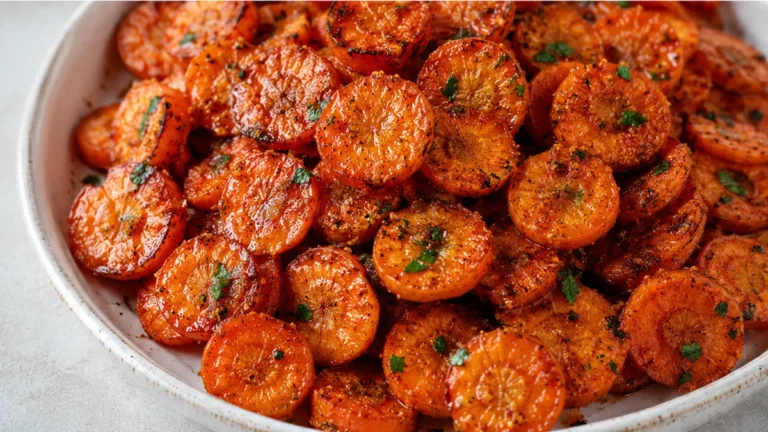
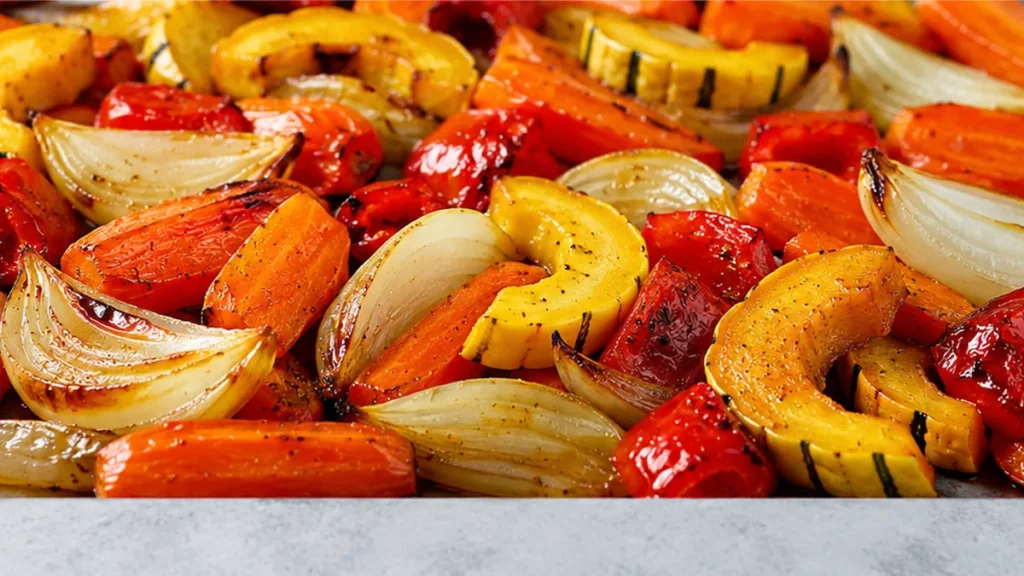
Maple roast vegetables are a surprisingly simple yet incredibly flavorful side dish that can elevate any meal. This recipe for maple roast vegetables combines the natural sweetness of root vegetables and squash with a hint of savory seasoning, creating a harmonious blend that’s both comforting and exciting. Adding maple syrup late in the roasting process creates an unparalleled glossy, caramelized exterior that truly transforms basic vegetables. This dish is perfect for weeknight dinners, holiday feasts, or meal prepping, offering a nutritious and delicious way to enjoy your veggies. Its ease of preparation makes it a go-to for busy cooks.
Key takeaways
- Roast vegetables at a consistent temperature to ensure even cooking and proper caramelization.
- Ensure vegetables are dry before roasting to promote crispiness and prevent sogginess.
- Do not overcrowd the baking sheet; allow space for air circulation.
- Add maple syrup towards the end of roasting to prevent burning and bitterness.
Sweet & Savory Maple Roast Vegetables! So Easy!
Ingredients
- 7 carrots, peeled, sliced in half lengthwise, then cut into 2-inch pieces
- 2 red bell peppers, cut into large chunks
- 1 delicata squash, unpeeled, split lengthwise, seeds removed and cut into half moons
- 1 yellow onion, cut into wedges
- 2 tablespoons oil
- 1 tablespoon kosher or sea salt
- 2 tablespoons maple syrup
Instructions
- Preheat oven to 425°F.
- Place all the vegetables on a large baking sheet. Drizzle with oil and toss to coat all the vegetables and sprinkle with salt. Alternatively at this point you can place the vegetables in a large zipper bag and refrigerate overnight.
- Roast for 45-50 minutes, stirring halfway through, or until tender and golden.
- Remove the vegetables from the oven, drizzle with maple syrup and roast an additional 5 minutes or until caramelized and golden.
- Serve with additional salt to taste.
Notes
The Science of Perfect Maple Roast Vegetables
The magic behind these maple roast vegetables lies in achieving a balance between tender interiors and caramelized, slightly crisp exteriors. This is primarily driven by two factors: consistent heat and the Maillard reaction. Roasting at a moderate temperature, around 400°F (200°C), allows the vegetables to cook through evenly without burning. The Maillard reaction, a complex browning process that occurs between amino acids and reducing sugars when heated, is responsible for the rich, savory flavors and appealing brown color. The maple syrup, a source of sugars, enhances this reaction, contributing sweetness and aiding caramelization. The oil acts as a heat conductor, ensuring even cooking and crisping, and helps the maple syrup coat the vegetables without burning too quickly. Cutting vegetables into uniform sizes is crucial for even cooking; larger pieces will remain undercooked while smaller ones turn to mush.
Troubleshooting
- Problem: Vegetables are soggy and not browned.
Fix: Ensure vegetables are dry before tossing with oil and maple syrup. Do not overcrowd the baking sheet; use two if necessary to allow hot air to circulate. Increase oven temperature slightly for the last 5-10 minutes if needed. - Problem: Maple syrup is burnt and bitter.
Fix: The maple syrup may have been added too early or the oven temperature was too high. Try adding the maple syrup during the last 10-15 minutes of roasting, or reduce the oven temperature by 25°F (15°C) and monitor closely. - Problem: Some vegetables are burnt while others are undercooked.
Fix: This usually indicates uneven sizing. Cut vegetables into more uniform pieces next time. For this batch, remove the smaller, more cooked pieces first and allow the larger ones to continue roasting. - Problem: Vegetables are sticking to the pan.
Fix: Ensure adequate oil was used to coat the vegetables and the baking sheet. Using parchment paper or a silicone baking mat can also prevent sticking and make cleanup easier.
Substitutions
- Maple Syrup: Honey or agave nectar can be used for sweetness and caramelization, though they may impart a slightly different flavor profile.
- Delicata Squash: Butternut squash or acorn squash can be substituted, but they will require peeling and may need a slightly longer roasting time due to their density.
- Red Bell Peppers: Other sweet peppers like yellow or orange bell peppers work well. For a different flavor, consider using chunks of sweet potato or parsnips.
- Oil: Olive oil or avocado oil are good substitutes for a neutral vegetable oil, offering similar heat tolerance and coating properties.
Pro tips
– For extra crispiness, ensure the vegetables are spread in a single layer on the baking sheet without overcrowding. Use two baking sheets if necessary. This allows them to roast rather than steam. – If making ahead, prepare the vegetables and toss with oil and salt, then refrigerate overnight in a sealed bag. Add them to the hot oven just before you’re ready to cook. – When roasting, listen for a gentle sizzle from the vegetables, indicating they are caramelizing and not just steaming. If they sound too quiet, increase the oven temperature slightly or reduce liquid content. – Storage: Leftovers can be stored in an airtight container in the refrigerator for up to 3-4 days. Reheat gently in the oven at 300°F (150°C) for 10-15 minutes or in a microwave until warmed through.
These maple roast vegetables are a testament to how simple ingredients can create truly memorable dishes. Give this recipe a try and enjoy the delightful combination of sweet and savory flavors that will surely become a family favorite!
Frequently asked questions
Why are my roasted vegetables not getting crispy?
Crispiness comes from proper heat circulation and minimizing moisture. Ensure your vegetables are dry before tossing with oil and syrup, and don’t overcrowd the baking sheet. Roasting at a high enough temperature, around 400°F, also helps achieve browning and crisp edges.
Can I use a different type of squash?
Yes, you can substitute butternut or acorn squash. However, these varieties are denser and require peeling. They may also need a slightly longer cooking time than delicata squash, so check for tenderness.
What happens if I add the maple syrup too early?
Adding maple syrup too early, especially at high oven temperatures, can cause it to burn. Burnt syrup results in a bitter flavor and can make the vegetables stick to the pan. It’s best to add it during the last 10-15 minutes of cooking.
How can I make sure all the vegetables cook evenly?
Uniformity in size is key. Cut your vegetables into similar-sized pieces. This ensures that they all reach tenderness at roughly the same time. If you have significantly different sizes, some may overcook while others remain undercooked.
More from Vegan Air Fryer →