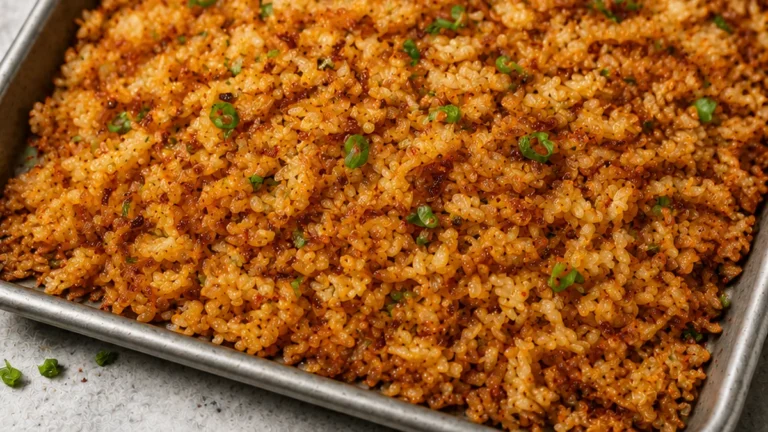

The secret to truly exceptional cranberry mincemeat lies in balancing the tartness of cranberries with the sweetness of pears and a mix of warming spices. This recipe guides you through creating a rich, flavorful filling that transcends typical holiday fare. It’s a versatile preparation that will improve your seasonal baking. Crafting homemade cranberry mincemeat ensures a depth of flavor and freshness unmatched by store-bought versions. This particular blend, featuring tender pears and zesty lemon, offers a bright counterpoint to the traditional dark fruits, making it a standout addition to your holiday pantry.
Key takeaways
- Use a balance of acidity and sweetness for flavor depth.
- Cook slowly to allow flavors to meld properly.
- Adjust spices and sweetness to personal preference.
- Ensure proper simmering for desired consistency.

Greek Pitas: Crispy Zucchini & Magic Feta!
Ingredients
- 4-6 ounces block feta (cut into 1/2 inch cubes)
- 2 sprigs fresh thyme
- 2 tablespoons fresh basil (chopped)
- 1 bay leaf
- 2 teaspoons black peppercorns
- pinch crushed red pepper flakes
- olive oil (enough to cover the cheese)
- 1/2 cup greek olives
- 1/2 cup grated parmesan cheese
- 1/4 cup fresh basil
Instructions
- Marinated Feta: Add the cubed feta, thyme sprigs, basil, bay leaf, black peppercorns and crushed red pepper to an 8 ounce or larger glass jar. Pour enough olive oil over top so that the oil completely covers the feta. Screw the lid on the jar and place in the fridge for at least one hour or up to two weeks. Just crumble the feta onto whatever you wish.
- Greek Olive Pesto: In a food processor, combine olives, parmesan cheese, fresh basil (1/4 cup), garlic and pepperoncini and blend 1 minute. With motor running, slowly pour in olive oil until a thick, smooth paste is formed. Store in the fridge in a glass jar or bowl until ready to use.
- Fried Zucchini: In a bowl, whisk together the egg. In another bowl, whisk together the Panko, flour, parmesan, salt and pepper. Heat a large skillet over medium heat and add olive oil. Dip each zucchini slice in the egg mixture to coat, then dredge through the breadcrumbs, pressing gently to adhere. Place in the skillet and cook until golden. This takes about 3 to 4 minutes per side. When finished, remove the slices and let drain on a paper towel.
- To assemble the pitas: Place a medium skillet over medium heat on the stove. Add a drizzle of the oil from the marinated feta or sun-dried tomatoes. Add the chickpeas and toss well. Cook until the chickpeas are warmed through.
Notes
– Ensure your oil is hot enough before frying the zucchini to achieve a crispy coating without sogginess.
– Adjust the spice level in the pesto by adding more or less crushed red pepper flakes to your preference.
– Use a good quality olive oil for both marinating the feta and in the pesto; it significantly impacts the flavor. Allergens: Wheat, Milk, Soybeans. Nutrition information is an estimate, calculated automatically. Values vary with brands, substitutions and portion sizes.
The Technique That Makes It
The key to a successful cranberry mincemeat lies in the proper balance of acidity, sweetness, and spice, which enhances the natural flavors of the pears and cranberries. The use of lemon juice not only adds acidity but also helps to preserve the color and freshness of the fruit. The combination of dried cranberries and sugar creates a rich, sweet-tart base that complements the pears. Cooking the mixture slowly allows the flavors to meld together, while the spices—cloves, cinnamon, nutmeg, allspice, and ginger—infuse the mincemeat with warmth and depth. Ensuring that the mixture reaches a proper simmer allows for the thickening process, which is crucial for achieving the desired consistency.
Troubleshooting
- Too Sweet: If the mincemeat is overly sweet, add a bit more lemon juice or vinegar to balance the flavors.
- Too Tart: If the mincemeat is too tart, increase the sugar incrementally, tasting as you go, until the desired sweetness is achieved.
- Runny Consistency: If the mincemeat is too runny, continue to simmer it on low heat, stirring frequently, until it thickens to the desired consistency.
- Spice Overload: If the spices are too strong, consider adding more pears to dilute the flavor and balance the spices.
Substitutions
- Pears: Substitute with apples for a different texture and flavor profile, resulting in a slightly firmer mincemeat.
- Dried Cranberries: Use dried cherries for a sweeter and more tart flavor, which complements the spices well.
- White Distilled Vinegar: Apple cider vinegar can be used for a milder acidity and a hint of apple flavor.
- Ground Spices: Freshly grated spices can be substituted for ground spices to enhance the flavor profile, providing a more vibrant taste.
Pro tips
- For the best flavor, allow your cranberry mincemeat to rest for at least a week after canning before using. This lets the flavors meld and deepen.
- To ensure proper sealing of your jars, check the lids after 12-24 hours. If any jar did not seal (the lid will not be concave), refrigerate and use within 2 weeks.
- Keeping the heat at a consistent medium-low during the simmer prevents scorching the bottom of the pot, especially with the high sugar content.
This Cranberry Pear Mincemeat offers a delightful twist on a holiday classic, perfect for gifting or enhancing your own festive bakes. Enjoy the rich aromas and flavors it brings to your kitchen!
Frequently asked questions
Can I use fresh cranberries instead of dried?
While fresh cranberries can be used, they will require additional cooking time and sugar to achieve the right sweetness and consistency. Dried cranberries are preferred for their concentrated flavor and natural sweetness.
How long can I store cranberry mincemeat?
Cranberry mincemeat can be stored in sterilized jars in a cool, dark place for up to one year. Once opened, it should be refrigerated and consumed within a few weeks.
Can I make this recipe vegan?
This recipe is already vegan-friendly as it does not contain any animal products. The use of vinegar and plant-based ingredients makes it suitable for vegan diets.
What can I serve cranberry mincemeat with?
Cranberry mincemeat pairs well with pastries, such as pies or tarts, and can also be used as a filling for cakes or served alongside roasted meats for a sweet-tart contrast.