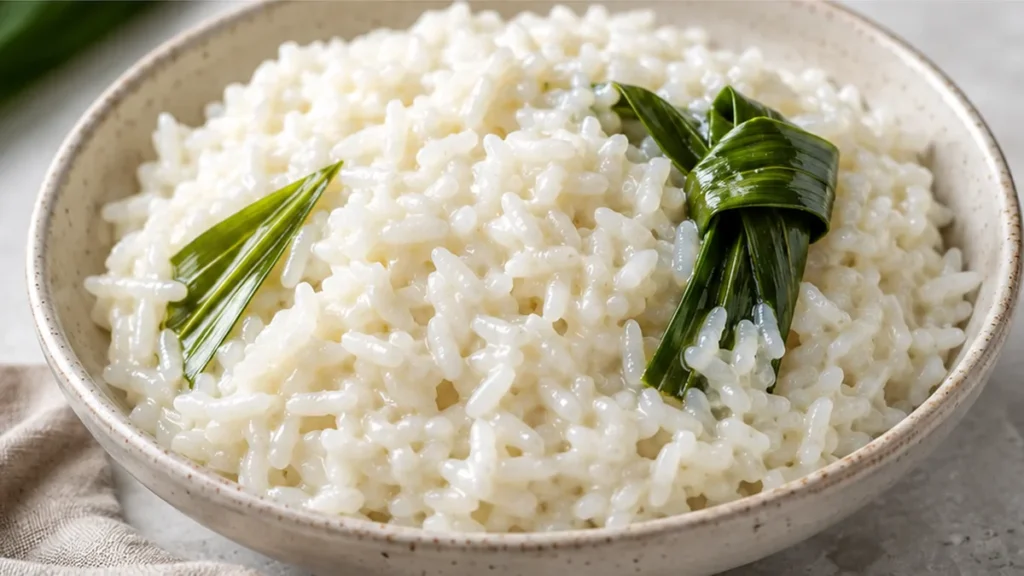
Coconut rice is a wonderfully aromatic and flavorful side dish that can elevate any meal. This simple recipe for coconut rice delivers perfectly fluffy grains infused with a rich, creamy coconut essence. It’s an ideal accompaniment to a variety of cuisines, from Asian-inspired dishes to grilled meats, offering a delicate balance of sweetness and savory notes. It’s a fantastic way to add an exotic touch without any complex techniques. This coconut rice recipe is designed for both novice and experienced cooks looking for a reliable and delicious result.
Key takeaways
- Use full-fat coconut milk for maximum creaminess.
- Simmer gently over low heat to prevent separation and ensure even cooking.
- Maintain the correct liquid-to-rice ratio for the desired texture.
- Don’t over-stir the rice once it begins to cook to avoid a gummy consistency.
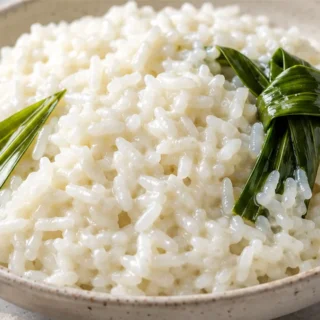
Creamy Coconut Rice: Easy Side Dish!
Ingredients
- 1 14 oz Can Coconut Milk, unsweetened (low fat or regular)
- 1/4 cup water
- 1/4 tsp kosher salt
- 1 cup Brown Jasmine Rice
- 2 tablespoons sugar
- 1 pandan leaf, knotted (optional)
Instructions
- Place the coconut milk, water, and salt in a medium size pot and bring to a boil.
- Add the brown jasmine rice, stir until combined, bring back to a boil, cover, and reduce to a simmer.
- Cook for 30 minutes, turn heat off, and let sit covered for 10 minutes.
- Fluff with a fork and serve immediately.
Notes
The Science of Creamy Coconut Rice
The magic of this creamy coconut rice lies in the careful balance of fat, liquid, and starch, along with precise heat control. Coconut milk, being an emulsion of coconut cream and water, provides the richness and creamy texture. When heated, the fat in the coconut milk helps to tenderize the rice grains, preventing them from becoming dry or chalky. The starch released from the brown jasmine rice during cooking thickens the liquid, further contributing to the creamy consistency. Using brown jasmine rice adds a slightly nutty flavor and a chewier texture compared to white rice. The key to success is gentle simmering. Boiling can cause the coconut milk to separate, resulting in an oily, less appealing dish. Simmering allows the rice to absorb the liquid evenly and the starches to release gradually, creating a smooth, cohesive texture. The optional pandan leaf infuses a subtle, aromatic fragrance that complements the coconut flavor beautifully. Ensuring the correct liquid-to-rice ratio is crucial; too little liquid will result in dry rice, while too much will make it mushy.
Troubleshooting
- Problem: Rice is too dry or hard.
Fix: You may have used too little liquid or cooked it too quickly without enough simmering time. For a quick fix, add a few tablespoons of hot water or more coconut milk, cover, and let it steam on low heat for another 5-10 minutes. Ensure you measure liquids accurately next time.
- Problem: Coconut milk separated and looks oily.
Fix: This often happens with high heat or vigorous boiling. Reduce the heat immediately to the lowest setting and stir gently. If separation is minor, it might re-emulsify as it cools slightly. Using full-fat coconut milk can also help prevent separation due to its higher fat content.
- Problem: Rice is mushy or gummy.
Fix: This usually indicates too much liquid or overcooking. Avoid stirring the rice too much once it starts simmering, as this can break down the grains. If it’s already mushy, gently spread it out on a baking sheet to steam off excess moisture, or serve it as is if the texture is still acceptable.
- Problem: Rice is not creamy enough.
Fix: Ensure you are using full-fat coconut milk for the best richness. The starch from the rice is what thickens the liquid; if the rice is undercooked or the liquid ratio is off, it won’t achieve maximum creaminess. Simmering gently allows starches to release and thicken the sauce effectively.
Substitutions
- Coconut Milk: You can substitute with a mixture of 1 cup full-fat canned coconut milk and 3/4 cup water if you only have a smaller can, or use a good quality unsweetened coconut milk beverage (though the creaminess will be reduced).
- Brown Jasmine Rice: White jasmine rice can be used for a quicker cooking time and a softer texture. Basmati rice is also a suitable alternative, offering a similar fragrance and long grain.
- Sugar: Granulated sugar can be replaced with brown sugar for a deeper, caramel-like flavor, or with honey or maple syrup for a different sweetness profile (adjust quantity to taste, as these are sweeter).
- Pandan Leaf: If unavailable, a strip of lime zest or a few drops of vanilla extract can add subtle aromatic notes, though the flavor will be different.
Pro tips
- For extra fragrance, add a knotted pandan leaf or a few lime zest strips to the pot with the coconut milk. Remove before serving.
- Do not stir the rice excessively once it’s simmering; this can break the grains and make it mushy. Let it cook undisturbed.
- Storage: Leftover coconut rice can be stored in an airtight container in the refrigerator for up to 3 days. Reheat gently in the microwave or on the stovetop with a splash of water to prevent it from drying out.
This coconut rice recipe is a testament to how simple ingredients can create something truly special. Give it a try and transform your next meal into a flavorful experience. Enjoy!
Frequently asked questions
Can I use light coconut milk?
Using light coconut milk is possible, but it will result in a less creamy and rich final dish. Full-fat coconut milk contains more fat, which contributes significantly to the desired creamy texture and mouthfeel of this rice preparation.
How do I prevent the coconut milk from separating?
To prevent separation, use gentle heat and avoid boiling the mixture vigorously. Stir occasionally, but don’t over-stir. Using full-fat coconut milk also helps stabilize the emulsion. If separation occurs, try reducing the heat immediately and stirring gently.
What if I don’t have brown jasmine rice?
You can substitute with white jasmine rice, but reduce the cooking time accordingly, as it cooks faster. Other long-grain rice varieties like basmati can also be used, though the texture and flavor profile might vary slightly.
Can I make this ahead of time?
Yes, this coconut rice can be made ahead and reheated. Gently warm it on the stovetop with a splash of water or coconut milk to restore moisture and creaminess. Avoid microwaving, as it can sometimes lead to uneven heating and a less desirable texture.
More from Vegan Bowls →