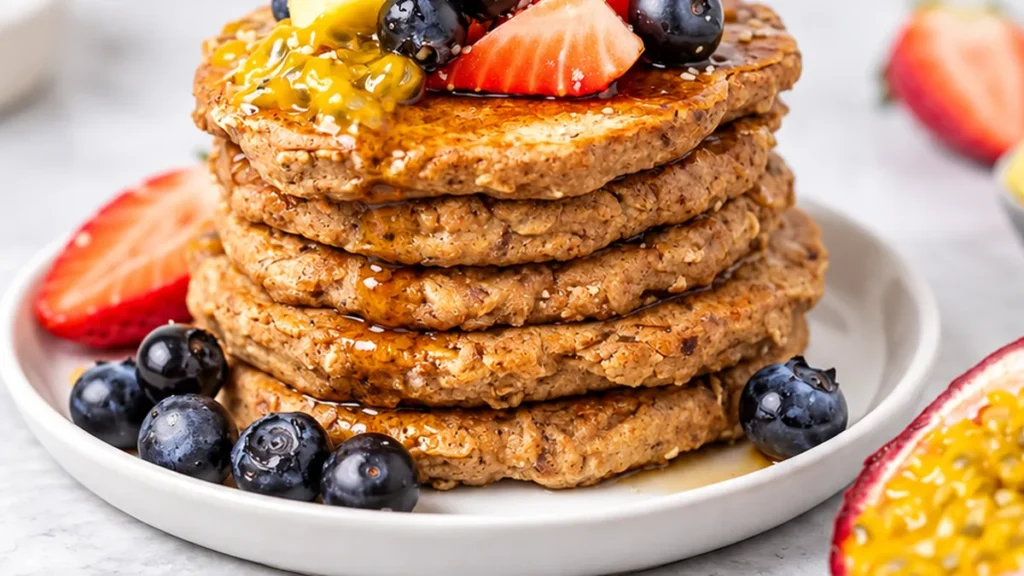
Craving a stack of delicious pancakes that are also vegan? Look no further! This vegan pancakes recipe uses simple pantry staples like whole wheat flour and oats to create incredibly fluffy and satisfying results. Perfect for a weekend brunch or a quick weekday treat, these pancakes prove that you don’t need eggs or dairy for a truly amazing breakfast experience. Making vegan pancakes from scratch is surprisingly simple. The key is the right combination of leavening agents and a good binder, like our flax egg. Forget dense, heavy vegan options; these are light, airy, and golden brown, just like you’d expect from a classic pancake.
Key takeaways
- Use fresh leavening agents for fluffiness
- Let the flax meal mixture thicken before adding to the batter
- Avoid overmixing to keep pancakes light and airy
- Experiment with ingredient swaps for different textures and flavors
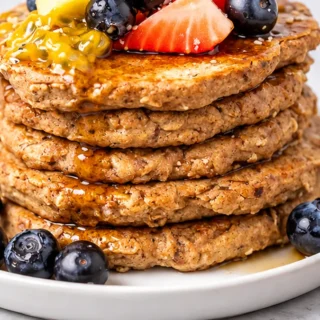
Fluffy Vegan Pancakes
Ingredients
- 1 tablespoon flax meal
- 3 tablespoons coconut water
- 1 cup whole wheat flour
- 1/2 cup old-fashioned oats
- 1 1/2 teaspoon baking powder
- 1/2 teaspoon baking soda
- 1/4 teaspoon fine salt
- 2 cups coconut yogurt
- 1 teaspoon vanilla extract
- Coconut oil spray
Instructions
- Mix the flax meal with 3 tablespoons of coconut water to create a flax egg. Let it sit for 5 minutes to thicken.
- In a large bowl, whisk together the whole wheat flour, old-fashioned oats, baking powder, baking soda, and fine salt.
- Add the coconut yogurt, vanilla extract, and the thickened flax egg to the dry ingredients. Stir until just combined; do not overmix.
- Preheat a non-stick pan or griddle over medium heat. Lightly spray with coconut oil spray.
- Scoop about 1/4 cup of batter per pancake onto the hot pan. Cook for 2-3 minutes, until golden brown and bubbles appear on the surface.
- Flip the pancakes and cook for another minute until golden brown on the other side. Serve immediately with your favorite toppings.
Notes
Understanding the Role of Ingredients in Vegan Pancakes
The unique combination of ingredients in these vegan pancakes plays a crucial role in achieving the desired texture and flavor. Whole wheat flour contributes to the structure and provides a nutty flavor, while old-fashioned oats add heartiness and a chewy texture. The flax meal, when combined with coconut water, acts as a binding agent, mimicking the properties of eggs in traditional pancakes. This mixture creates an emulsion that helps hold the pancakes together, ensuring they don’t fall apart during cooking.
Coconut yogurt adds moisture and richness, enhancing the overall flavor profile. The baking powder and baking soda work together to create lift, resulting in fluffy pancakes. The balance of these ingredients is essential; for example, too much baking powder can lead to a bitter taste, while too little will result in dense pancakes.
Common Issues and Their Solutions
Even with the right ingredients, issues can arise when making vegan pancakes. Here are some common problems and how to fix them:
- Pancakes are too dense: This can happen if the batter is overmixed or if too much flour is used. To fix this, gently mix the batter until just combined and measure flour accurately.
- Pancakes are falling apart: This often results from insufficient binding. Ensure that the flax meal and coconut water mixture is allowed to sit for a few minutes to thicken before adding it to the dry ingredients.
- Pancakes are not rising: If your pancakes are flat, check the freshness of your baking powder and baking soda. Old leavening agents lose their potency and won’t provide the necessary lift.
- Pancakes are sticking to the pan: If you experience sticking, make sure to use a non-stick pan and spray it with coconut oil before pouring the batter.
Ingredient Swaps and Their Effects
Making substitutions in the recipe can yield different results. Here are some swaps and their expected outcomes:
- Substituting almond flour for whole wheat flour: This will create a gluten-free pancake but may result in a denser texture.
- Using almond milk instead of coconut yogurt: This will make the pancakes less rich and may require additional thickening agents to achieve the same consistency.
- Replacing coconut water with regular water: This swap will reduce the flavor complexity, as coconut water adds a subtle sweetness and unique taste.
- Using apple cider vinegar instead of coconut yogurt: This can help with leavening but will alter the flavor profile significantly, making it tangier.
Unique Characteristics of Vegan Pancakes
These vegan pancakes stand out due to their use of coconut yogurt, which not only provides moisture but also introduces beneficial probiotics, enhancing gut health. This ingredient is relatively uncommon in traditional pancake recipes, making these pancakes not only a delicious alternative but also a nutritious one. The combination of whole grains and probiotics makes them a wholesome breakfast option, setting them apart from typical pancakes.
How to Scale the Recipe for Different Serving Sizes
Scaling a recipe for vegan pancakes can be straightforward, but it requires careful adjustments to maintain texture and flavor. If you want to double the recipe, simply double all the ingredients. However, when scaling down, consider that the cooking time may vary. For instance, a smaller batch might cook faster, so monitor the pancakes closely to prevent burning. Additionally, using a kitchen scale can ensure precise measurements, especially for flour and oats, which can affect the final consistency. For instance, 1 cup of flour typically weighs around 120 grams, while 1/2 cup of oats weighs about 50 grams. Adjusting the liquid ingredients proportionally is crucial to maintain the right batter consistency.
Understanding Equipment Variations and Their Impact
The type of equipment you use can significantly affect the outcome of your vegan pancakes. Non-stick pans are ideal for cooking pancakes, as they require less oil and reduce the risk of sticking. If using a cast-iron skillet, ensure it is well-seasoned to prevent sticking. The heat source also matters; gas stoves provide immediate heat adjustments, while electric stoves may take longer to respond. For best results, preheat your pan on medium heat and perform a water droplet test—droplets should sizzle and evaporate quickly if the pan is adequately heated. This ensures even cooking and helps achieve that fluffy texture.
Storing Leftovers and Reheating Tips
Proper storage of leftover vegan pancakes is essential to maintain their texture and flavor. Allow the pancakes to cool completely before stacking them in an airtight container. They can be stored in the refrigerator for up to 3 days or frozen for up to a month. To reheat, use a toaster or an oven set to 180°C (350°F) for about 5-10 minutes. Microwaving is also an option, but it may result in a chewier texture. For best results, reheat pancakes in a single layer to ensure even warming. Consider adding a splash of coconut yogurt or a drizzle of maple syrup when serving to enhance moisture and flavor.
Seasonal Ingredient Quality and Its Effects on Pancakes
The quality of ingredients can vary with the seasons, impacting the final product. For example, fresh coconut yogurt may have a creamier texture during warmer months when coconuts are in season, while older yogurt might be more tangy and less creamy. Similarly, the quality of whole wheat flour can fluctuate, affecting the pancakes’ fluffiness. When possible, opt for freshly milled flour for a better rise. If using oats, check for freshness as older oats may result in a denser pancake. Additionally, consider incorporating seasonal fruits like berries or bananas into the batter, which can enhance flavor and provide natural sweetness without added sugars.
Understanding the Importance of Resting the Batter for Fluffy Vegan Pancakes
Resting the batter is a crucial step in achieving the perfect fluffy texture in vegan pancakes. Allowing the batter to sit for about 10-15 minutes after mixing gives the flour time to hydrate fully. This hydration process helps to develop gluten, which provides structure and lift. Additionally, resting allows the baking powder and baking soda to activate, producing carbon dioxide bubbles that contribute to fluffiness. For optimal results, consider covering the bowl with a clean cloth or plastic wrap to prevent the surface from drying out. This resting phase is particularly beneficial if you are using whole wheat flour, as it tends to absorb more moisture than all-purpose flour.
Adapting Cooking Techniques for Different Equipment
The equipment used can significantly impact the cooking process and final texture of your vegan pancakes. If using a non-stick skillet, ensure it is preheated adequately before pouring in the batter; this helps achieve a golden-brown exterior while keeping the inside fluffy. On the other hand, if you’re using a cast iron skillet, be aware that it retains heat longer, so you may need to lower the heat slightly to prevent burning. Additionally, griddles can provide a larger cooking surface, allowing you to cook multiple pancakes at once, but they may require a bit more oil to prevent sticking. Regardless of the equipment, always monitor the cooking time closely, as it can vary based on the surface temperature and thickness of the pancakes.
Understanding the Impact of Ingredient Quality on Fluffy Vegan Pancakes
The quality of ingredients significantly affects the texture and flavor of vegan pancakes. Whole wheat flour, for instance, should be fresh and finely milled to ensure a light, fluffy texture. Older flour may absorb moisture differently, leading to denser pancakes. Similarly, the freshness of the baking powder and baking soda is crucial; expired leavening agents will not provide the necessary lift. Coconut yogurt should be creamy and tangy, as its consistency contributes to the batter’s moisture and fluffiness. When using oats, ensure they are old-fashioned rather than quick oats, as the latter may break down too much during mixing, resulting in a gummy texture. Additionally, the coconut water used should be pure and unsweetened to avoid altering the pancake’s flavor profile. By selecting high-quality ingredients, you can achieve the desired fluffiness and taste in your pancakes.
Scaling the Recipe for Larger Gatherings
When preparing fluffy vegan pancakes for a larger group, scaling the recipe requires careful consideration to maintain texture and flavor. Doubling or tripling the ingredients is straightforward, but the cooking method may need adjustment. For instance, larger batches may necessitate cooking pancakes in batches to avoid overcrowding the pan, which can lower the temperature and lead to uneven cooking. It’s advisable to preheat the griddle or skillet before adding the batter to ensure a consistent cooking temperature. Additionally, consider holding cooked pancakes in a warm oven (about 90°C or 200°F) while you finish the remaining batches. This will keep them warm without compromising their fluffiness. Finally, be mindful of the mixing; overmixing can lead to gluten development, resulting in tougher pancakes. Mix just until combined, even in larger batches, to ensure each pancake remains light and airy.
Pro tips
- For extra fluffy pancakes, ensure your baking powder is fresh.
- Don’t overmix the batter; a few small lumps are okay!
- Adjust heat as needed; medium is ideal for even cooking without burning.
- Serve immediately with fresh fruit, maple syrup, or your favorite vegan toppings.
Enjoy these delightful vegan pancakes guilt-free! They’re a wholesome and delicious way to start your day.
Frequently asked questions
Can I use other types of flour for this recipe?
Yes, you can experiment with other flours like almond flour or gluten-free blends. However, this may affect the texture and moisture, so adjustments might be needed.
How can I make these pancakes sweeter?
If you prefer sweeter pancakes, consider adding a tablespoon of maple syrup or agave nectar to the batter. Adjust the sweetness to your liking.
Can I prepare the batter in advance?
You can prepare the batter ahead of time and store it in the refrigerator for a few hours. However, it’s best to cook them fresh for the best texture.
What can I serve with these pancakes?
These pancakes pair well with fresh fruit, maple syrup, or nut butter. You can also top them with coconut flakes or vegan chocolate chips for added flavor.
More from Vegan Breakfast →