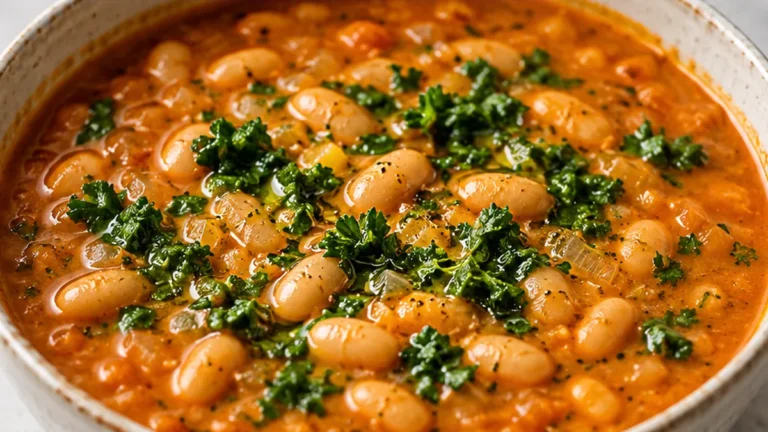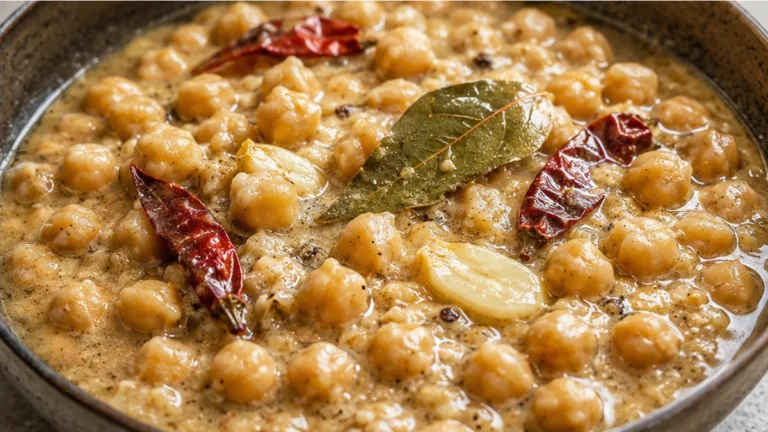
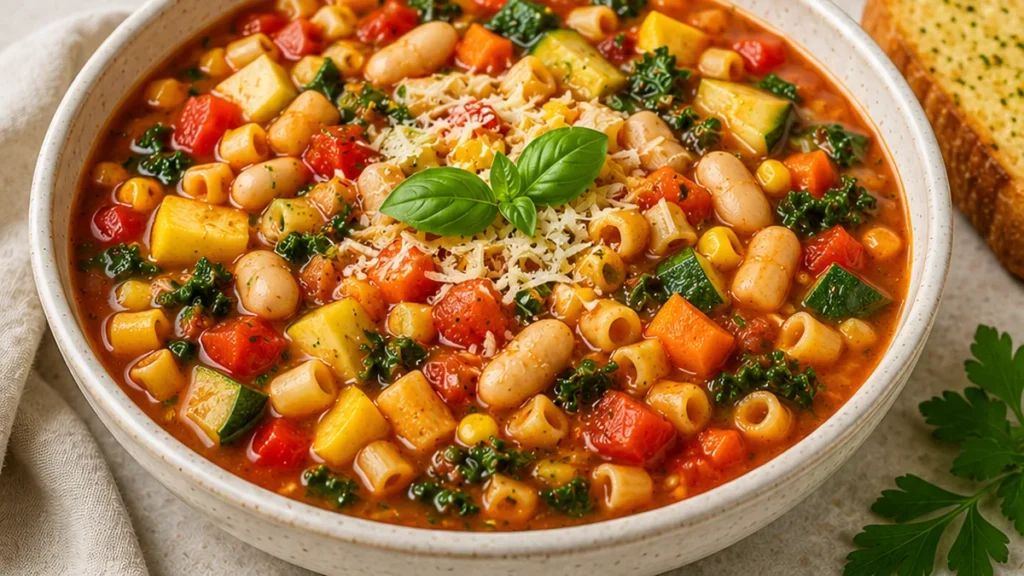
This Tuscan Minestrone is the ultimate taste of summer in a bowl, blending fresh seasonal vegetables with a bright sun-dried tomato pesto for an unforgettable flavor. It’s a hearty yet refreshing soup perfect for any warm evening. Crafted with readily available ingredients, this Tuscan minestrone recipe is designed for home cooks of all levels. It captures the essence of Italian summer cooking, bringing a rustic charm to your dinner table.
Key takeaways
- Build flavor by slowly sautéing aromatic vegetables (soffritto).
- Reserve corn cobs to infuse the broth with natural sweetness.
- Add tender vegetables like zucchini towards the end to prevent mushiness.
- Season gradually throughout the cooking process for balanced taste.

Tuscan Minestrone: Taste of Summer
Ingredients
- 1/4 cup olive oil
- 1 sweet onion (chopped)
- 2 carrots (chopped)
- 2 ribs celery (chopped)
- 1 red pepper (chopped)
- 2 zucchini’s and or yellow summer squashes (chopped (I used one of each))
- 1 ear corn (kernels remove, but cobs reserved)
- 2 cloves garlic, minced or grated
- 6-8 cups chicken or vegetable broth
- 1 sprig fresh rosemary
- 1/2 cup sun-dried tomato pesto
Instructions
- Heat the olive oil in a large soup pot over medium heat. Add the chopped sweet onion, carrots, celery, and red pepper. Season with salt and pepper. Cook, stirring occasionally, for about 10 minutes, or until the onion is translucent and the vegetables are slightly softened.
- Add the chopped zucchini (and/or yellow squash), corn kernels, and minced garlic. Cook, stirring occasionally, for another 10 minutes, or until the zucchini is slightly softened.
- Pour in the chicken or vegetable broth. Add the reserved corn cobs and a parmesan rind (if using). Bring the soup to a boil.
- Add the fresh rosemary sprig and kale. Reduce the heat to low, cover, and simmer for about 10 minutes.
- Bring the soup back to a boil and add the pasta. Cook according to package directions until al dente. If needed, add more broth to reach your desired soup consistency. Stir in the cannellini beans, chopped fresh parsley, basil, and about 1/2 cup of sun-dried tomato pesto.
- Taste and season with salt and pepper as needed. Remove the parmesan rind and rosemary sprig before serving. Ladle the soup into bowls and serve with additional grated Parmesan cheese.
Notes
The technique that makes it
The soul of a great Tuscan Minestrone lies in building layers of flavor from the very beginning. This recipe emphasizes the importance of a slow sauté of the aromatic vegetables – the onion, carrots, and celery, often referred to as a ‘soffritto’ in Italian cooking. By cooking these vegetables gently in olive oil over medium-low heat until they are softened and translucent, you are not just softening them; you are coaxing out their natural sweetness and developing a deep, foundational flavor profile. Rushing this step will result in a minestrone that tastes raw and lacks depth. The addition of the red pepper and zucchini later allows them to cook through without becoming mushy, retaining some of their bright texture and fresh taste. Crucially, reserving the corn cobs and simmering them in the broth infuses the liquid with a subtle, natural sweetness and a hint of corn flavor that a simple broth alone cannot replicate. This technique improves the broth from a mere liquid base to an integral component of the soup’s overall deliciousness.
Troubleshooting
- Failure: Minestrone tastes bland. Fix: Ensure the soffritto was cooked slowly until softened and sweet. Also, check that you used enough broth and that it was a good quality, flavorful broth. Seasoning with salt and pepper throughout the cooking process, not just at the end, is also key.
- Failure: Vegetables are mushy. Fix: The vegetables were likely overcooked. Add softer vegetables like zucchini and corn kernels towards the end of the cooking time. Ensure the broth is at a simmer, not a rolling boil, when adding vegetables to maintain better control over their texture.
- Failure: Soup is too thin. Fix: Minestrone is traditionally a hearty soup, but if it’s too thin for your liking, you can thicken it slightly. Mash some of the cooked beans (if using) against the side of the pot, or stir in a tablespoon of tomato paste or a small amount of cooked pasta or rice towards the end of cooking.
- Failure: Sun-dried tomato pesto is overpowering. Fix: Sun-dried tomato pesto can be quite intense. Start with the recommended amount and taste. If it’s too strong, you can dilute its flavor by adding a little more broth or a touch of cream or mascarpone cheese at the very end, stirring until incorporated.
Substitutions
- Broth: If chicken or vegetable broth is unavailable, a good quality beef broth can be used, though it will impart a richer, meatier flavor that shifts the profile away from a traditional Tuscan profile. For a vegetarian option, ensure you use a robust vegetable broth, perhaps one made with roasted vegetables for added depth.
- Sun-dried Tomato Pesto: If sun-dried tomato pesto is not on hand, you can substitute with a tablespoon or two of finely chopped sun-dried tomatoes packed in oil (drained) plus a teaspoon of tomato paste. This will provide a similar concentrated tomato flavor, though it may lack some of the herbaceous notes of pesto.
- Fresh Rosemary: Dried rosemary can be used, but use it sparingly as it is more potent than fresh. Start with about 1/2 teaspoon of dried rosemary, crumbled, and add more to taste. Fresh herbs generally offer a brighter, more nuanced flavor.
- Corn: If fresh corn on the cob is out of season, frozen corn kernels can be used. Add them during the last 5-10 minutes of simmering. While you lose the subtle sweetness from the cobs, the kernels themselves will still add texture and flavor.
Pro tips
- Use a mix of zucchini and yellow squash for variety.
- Reserve corn cobs for extra flavor in the broth.
- Don’t overcook the pasta; it should be al dente.
- Adjust pesto amount to your taste preference.
Enjoy this delightful Tuscan Summer Minestrone, a perfect way to celebrate the season’s bounty. It’s a simple yet elegant dish that’s worth making.
More from Vegan Bowls →
Frequently asked questions
What is a soffritto and why is it important?
A soffritto is the foundational base of finely chopped aromatic vegetables, typically onion, carrot, and celery, slowly sautéed in fat. For Tuscan Minestrone, it’s crucial because slow cooking develops their natural sweetness and creates a deep, complex flavor base that defines the soup’s character.
Can I make this minestrone vegetarian or vegan?
Yes, simply use vegetable broth instead of chicken broth. Ensure your sun-dried tomato pesto is also vegan if needed. This substitution maintains the hearty vegetable profile and rich flavors of the soup.
How can I make the minestrone heartier?
To make the minestrone more substantial, consider adding cooked beans like cannellini or borlotti, or some small pasta shapes like ditalini or acini di pepe during the last 10-15 minutes of cooking. This adds texture and makes it a more filling meal.
What is the best way to store leftover minestrone?
Allow the minestrone to cool completely before storing it in an airtight container in the refrigerator. It will keep well for 3-4 days and often tastes even better the next day as the flavors meld together.