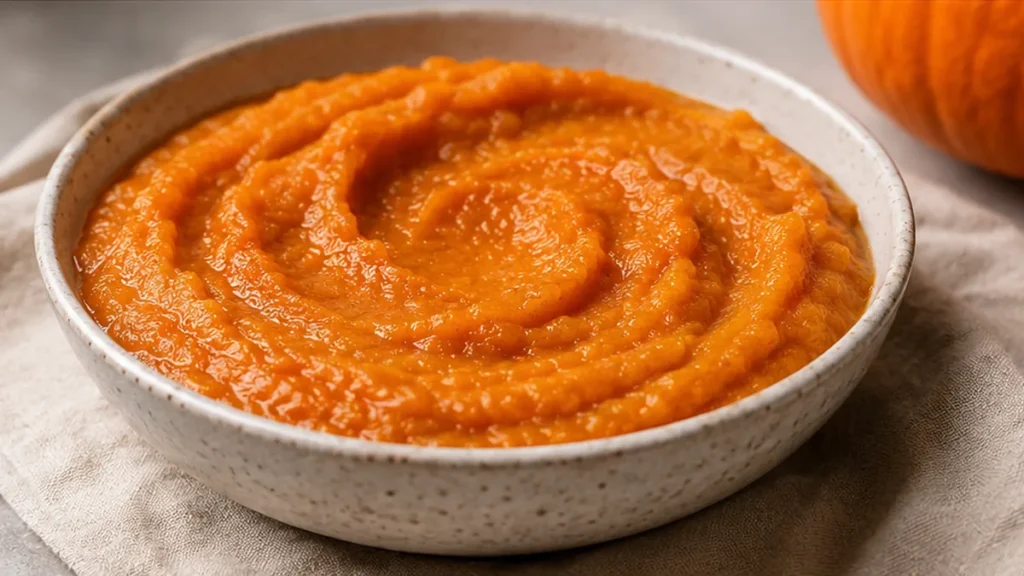
Roasting a whole pumpkin is the secret to unlocking its deepest, most concentrated flavor, far surpassing canned varieties for richness and sweetness. This simple method for roast pumpkin ensures a silky-smooth puree perfect for pies, soups, or even baby food. Roasting a whole pumpkin fills the kitchen with an incredible aroma, and the resulting puree is much more vibrant than anything from a can. It’s a game-changer for anyone looking to elevate their fall cooking. This recipe is designed to be straightforward, making the process accessible even for beginners, ensuring you get the best out of your seasonal produce.
Key takeaways
- Roasting concentrates natural sugars for enhanced sweetness and flavor.
- Roast pumpkin cut-side down to allow moisture to evaporate and sugars to caramelize.
- Ensure pumpkin is fork-tender before pureeing for a smooth texture.
- Remove all seeds and stringy bits thoroughly to avoid a fibrous puree.
Roasted Pumpkin Puree: The EASIEST Way to Fall Flavors!
Ingredients
- 1 4-6 pound pumpkin
- 2 tablespoons maple syrup
- 1 teaspoon cinnamon
- Water (if needed)
- Pumpkin seeds (from the pumpkin)
Instructions
- Preheat oven to 400°F.
- Carefully cut a hole in the top of the pumpkin using a knife, about 2 inches in diameter. Remove the “top”.
- Using your hands or a spoon, remove the seeds and rinse with water in a colander. Remove any of the stringy pulp pieces that stick to the seeds. Follow Toasted Pumpkin Seeds instructions for a delicious, healthy snack!
- Pour the maple syrup into the pumpkin and swirl it around coating the flesh. Sprinkle cinnamon inside.
- Place pumpkin on a cookie sheet without top and bake for 40 minutes.
- Place the top back on the pumpkin and continue to cook for additional 20 minutes or until tender. Uncover the pumpkin and cool.
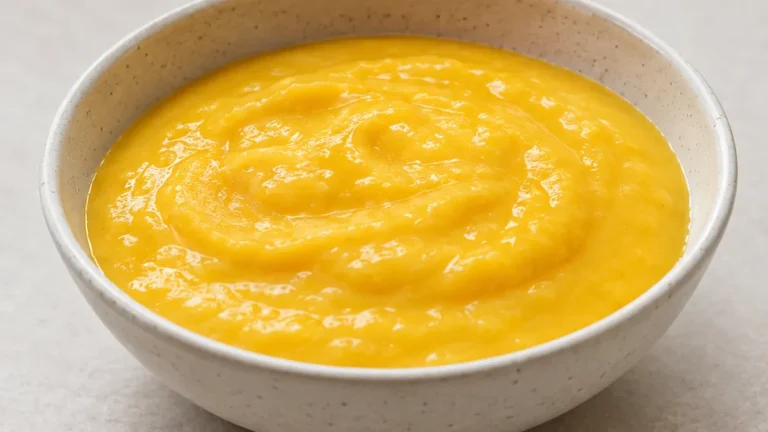
- To make pumpkin puree, once the pumpkin is cool enough to handle, scoop the flesh into food processor and puree until smooth. Add water a tablespoon at a time (only if needed) to reach desired consistency.
Notes
The Science of Roasting Pumpkin for Puree
Roasting pumpkin is a superior method for creating puree because it concentrates the natural sugars within the squash through caramelization. Unlike boiling, which can lead to a watery, less flavorful result, roasting allows moisture to evaporate from the pumpkin’s flesh. This process intensifies the pumpkin’s inherent sweetness and develops a deeper, nuttier flavor profile. The heat of the oven breaks down complex carbohydrates into simpler sugars, contributing to that characteristic fall flavor. Cutting the pumpkin in half and roasting cut-side down further aids this process by allowing the flesh to steam slightly in its own juices while the cut surface directly contacts the hot pan, promoting browning and flavor development. For smaller pumpkins or when a finer puree is desired, roasting them whole or in larger chunks before scooping out the flesh achieves a similar concentration of flavor and reduction of moisture.
Troubleshooting Common Issues
- Problem: Pumpkin is too watery after roasting. Fix: Ensure the pumpkin halves were roasted cut-side down on a baking sheet. If it still seems wet, scoop out the seeds and any loose fibers, then return the halves to the oven, cut-side down, for an additional 15-20 minutes to allow more moisture to evaporate.
- Problem: Puree is not sweet enough. Fix: The natural sweetness varies by pumpkin variety. For a sweeter puree, you can add the maple syrup during the roasting phase, brushing it onto the cut flesh before baking. Alternatively, stir the maple syrup into the finished puree.
- Problem: Puree has a stringy texture. Fix: This usually indicates under-roasting or a particularly fibrous variety of pumpkin. Roast the pumpkin until fork-tender. For a smoother texture, ensure all seeds and stringy bits are thoroughly removed before pureeing. A high-powered blender or food processor is key.
- Problem: Pumpkin skin is burnt before the flesh is soft. Fix: Lower the oven temperature slightly (to around 375°F or 190°C) and continue roasting. You can also loosely tent the pumpkin halves with foil if the skin is browning too quickly, ensuring the foil doesn’t cover the cut flesh.
Smart Substitutions
- For Pumpkin: Butternut squash or acorn squash can be roasted using the same method. The resulting puree will have a slightly different flavor profile – butternut squash is often sweeter and smoother, while acorn squash has a milder, nuttier taste. The texture may also vary slightly.
- For Maple Syrup: Honey or brown sugar can be used as sweeteners. Honey will impart a distinct floral note, while brown sugar will add a deeper molasses flavor. Adjust the quantity to taste, as their sweetness levels differ from maple syrup.
- For Cinnamon: A blend of pumpkin pie spice (containing cinnamon, ginger, nutmeg, and cloves) can be substituted for a more complex spice profile. Use approximately 1.5 teaspoons of pumpkin pie spice to replace the single teaspoon of cinnamon.
- For Roasting: While roasting is optimal, you can achieve a puree by steaming or boiling pumpkin chunks until very tender. However, this method will result in a less concentrated flavor and a higher moisture content, potentially requiring longer cooking to thicken.
Pro tips
- For best flavor, choose a sugar pumpkin or pie pumpkin, not a carving pumpkin. Their flesh is sweeter and less stringy.
- If your pumpkin is very large, you can cut it in half before roasting to reduce cooking time, but you might lose some internal steaming effect.
- The pumpkin is perfectly tender when a knife easily pierces through the flesh. Avoid overcooking, as it can become watery.
- Storage: Store the cooled pumpkin puree in an airtight container in the refrigerator for up to 5 days, or freeze for up to 3 months. Portion into freezer-safe bags or containers for easy use.
Embrace the flavors of autumn by making your own homemade pumpkin puree. This simple roasting technique guarantees a delicious and versatile ingredient for countless recipes. Enjoy the rich, authentic taste!
Frequently asked questions
What kind of pumpkin should I use?
For the best flavor and texture, choose a sugar pumpkin or pie pumpkin (typically 4-6 pounds). These varieties have denser flesh, fewer strings, and a sweeter taste compared to larger carving pumpkins, which are often watery and less flavorful.
How do I know when the pumpkin is roasted enough?
The pumpkin is ready when the flesh is easily pierced with a fork, similar to a baked potato. The cut edges should show some browning or caramelization, indicating that the sugars have developed.
Can I freeze the pumpkin puree?
Yes, roasted pumpkin puree freezes exceptionally well. Allow the puree to cool completely, then store it in airtight containers or freezer bags. It can be frozen for up to 6 months, retaining its flavor and texture.
How thick should the puree be?
The puree should be thick and spoonable, similar to applesauce. If it’s too thin, it likely contains excess moisture. You can thicken it further by simmering it gently in a saucepan over low heat, stirring occasionally, until the desired consistency is reached.
More from Vegan Desserts →