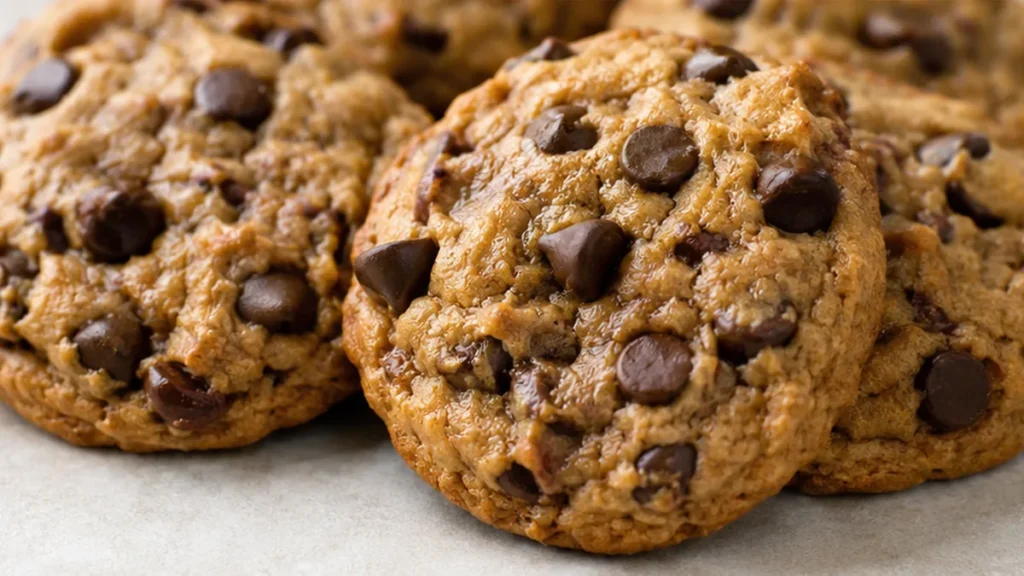
These miso chocolate chip cookies offer a truly unique and irresistible flavor profile that elevates the classic cookie. The subtle umami from the miso paste complements the sweetness of the chocolate, creating a depth of flavor that’s both surprising and addictive. This recipe is also completely gluten-free and vegan, making it accessible for many dietary needs without sacrificing taste or texture. Crafting these miso chocolate chip cookies is a rewarding experience, yielding perfectly chewy cookies with slightly crisp edges. It’s an ideal recipe for those looking to experiment with new flavors or simply enjoy a delicious, inclusive treat.
Key takeaways
- The combination of brown sugar and softened coconut oil creates a crucial emulsion for texture.
- Miso paste adds a complex savory depth and balances the sweetness.
- Chilling the dough helps prevent excessive spreading and ensures a chewier cookie.
- Accurate measurement of gluten-free flour and baking soda is key to avoiding cakey or dry results.

Chewy Miso Chocolate Chip Cookies: Flavor Bomb!
Ingredients
- 1 cup light brown sugar
- 1/2 cup refined coconut oil
- 1/4 cup plant based milk (almond, soy, oat, or coconut)
- 1/4 cup white miso paste
- 1 teaspoon vanilla extract
- 2 cups gluten free flour (I use Cup4Cup)
- 1 teaspoon baking soda
- 10 ounces vegan chocolate chips
Instructions
- Place the brown sugar and coconut oil in the bowl and beat for 1 minute or until thoroughly combined.
- Add plant milk, miso paste, and vanilla extract and beat another minute.
- In a separate bowl whisk the gluten free flour and baking soda.
- Slowly add the flour mixture to the miso mixture and beat until just combined.
- Add the chocolate chips and beat until combined.
- Place the dough covered in the refrigerator for 1 hour.
- Preheat oven to 350 degrees F.
- Using a 1-inch ice cream scoop or spoon place cookie balls on a parchment or silicone mat lined baking sheet and bake for 10-12 minutes.
Notes
The Science Behind the Miso Magic
The secret to these intensely flavorful miso chocolate chip cookies lies in the emulsification of the wet ingredients and the role of miso paste in both flavor and texture. The combination of light brown sugar and coconut oil creates a rich base. When creamed together, they form an emulsion that traps air, contributing to the cookie’s structure. The plant-based milk and white miso paste are then incorporated. Miso paste, a fermented soybean product, contains salt and glutamates (umami). The salt enhances the sweetness and balances the richness of the chocolate and cookie dough. The glutamates add a savory depth that elevates the chocolate flavor, creating a more complex taste profile than a standard chocolate chip cookie. During baking, the sugars in the brown sugar caramelize, contributing to chewiness and a golden-brown color. The baking soda acts as a leavening agent, causing the cookies to spread and become slightly puffy. The coconut oil, being solid at room temperature but melting at a lower temperature than butter, contributes to a chewier texture and a slightly crisp edge. It’s crucial to ensure the coconut oil is softened but not melted when creaming with the sugar to achieve the best emulsion and texture.
Troubleshooting
- Cookies spread too much: Ensure your coconut oil is softened (not melted) when creaming with the sugar. If the dough is too warm, chill it for at least 30 minutes before baking.
- Cookies are too cakey/puffy: This can happen if too much air is incorporated or if the baking soda is too old. Measure baking soda accurately and avoid over-creaming the wet ingredients.
- Miso flavor is too strong or too weak: White miso paste is recommended for its milder, slightly sweet flavor. Red miso is much stronger and saltier and may overpower the cookie. Ensure you are using the correct amount specified.
- Cookies are dry: This could be due to over-baking or using too much flour. Measure flour by weight if possible, or spoon it into the cup and level off. Avoid baking longer than necessary for golden edges.
Substitutions
- Coconut Oil: Refined coconut oil has a neutral flavor. Unrefined coconut oil will impart a coconut flavor. For a non-coconut fat, softened vegan butter can be used, which will result in a slightly different texture, likely a bit more tender.
- Plant-Based Milk: Any unsweetened plant-based milk will work. Dairy milk can also be substituted, though the cookies may not be strictly vegan. The liquid content is essential for hydration.
- Gluten-Free Flour: A good quality all-purpose gluten-free flour blend like Cup4Cup is recommended for its balanced properties. Substituting with a single type of gluten-free flour (e.g., almond or oat flour) will significantly alter the texture and structure.
- Vegan Chocolate Chips: Regular semi-sweet or dark chocolate chips can be used if vegan is not a requirement. The type and quality of chocolate will impact the final flavor profile.
Pro tips
- Use white miso paste for a milder, sweeter flavor that blends well with chocolate. Red miso can be too strong.
- Do not overmix the dough after adding the flour, as this can lead to tough cookies.
- Chilling the dough for at least an hour is crucial for flavor development and prevents the cookies from spreading too much.
- Store leftover cookies in an airtight container at room temperature for up to 5 days, or freeze the dough balls for up to 3 months.
These gluten-free vegan miso chocolate chip cookies are a testament to how exciting plant-based baking can be. Try this recipe and discover your new favorite cookie!
Frequently asked questions
Why is my cookie dough spreading too much?
Ensure your coconut oil is softened, not melted, when mixing with the sugar. Over-creaming can also incorporate too much air. Chilling the dough for at least 30 minutes before baking is essential to control spread and achieve a chewier texture.
Can I use red miso paste instead of white?
While possible, red miso paste is significantly saltier and has a more robust, fermented flavor. It can overpower the cookie and make it too salty. White miso paste offers a milder, slightly sweet umami that complements the chocolate better.
My cookies came out cakey, what went wrong?
Cakey cookies often result from too much leavening or over-mixing. Ensure your baking soda is fresh and measured accurately. Avoid over-creaming the wet ingredients, and try not to over-mix the dough once the flour is added.
How can I make these cookies even chewier?
For maximum chewiness, ensure you are using light brown sugar, as it contains more molasses than granulated sugar. Also, avoid over-baking; the cookies should look slightly underdone in the center when you remove them from the oven, as they will continue to set as they cool.
More from Vegan Desserts →