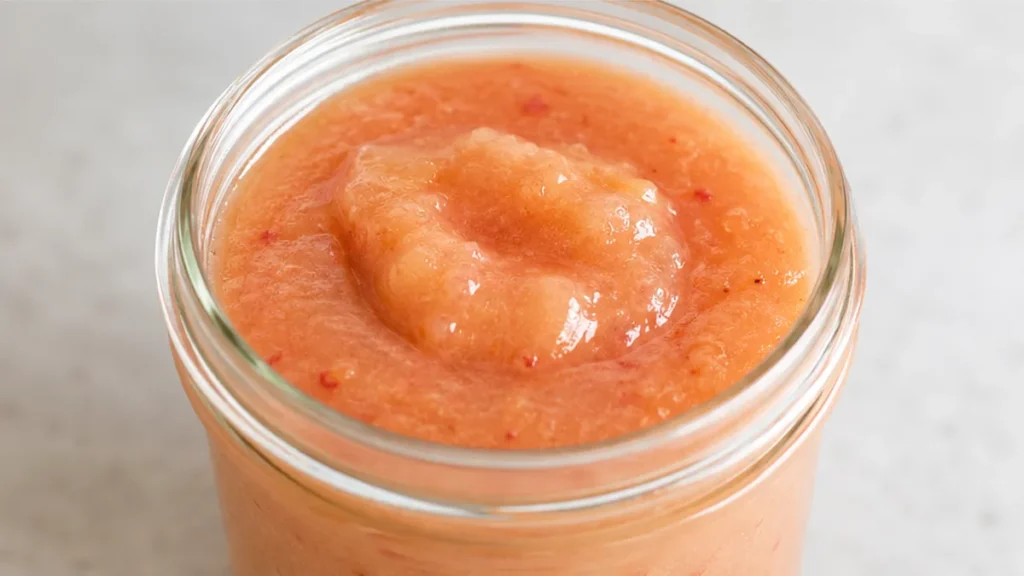
White peach puree is a delightful and naturally sweet treat, perfect for babies transitioning to solids or anyone seeking a light, refreshing snack. This recipe elevates the classic by incorporating pluots, adding a subtle tartness and beautiful color that complements the sweet white peaches beautifully. Making your own peach puree ensures you’re providing the freshest ingredients without any added sugars or preservatives. It’s a simple process that yields incredibly rewarding results, making this white peach puree a staple in our home. This peach puree is not only easy to prepare but also a fantastic way to introduce new flavors and textures, proving that homemade is always best.
Key takeaways
- Gentle steaming preserves fruit flavor and nutrients.
- Cook fruit until very tender for a smooth puree.
- Lemon juice brightens the natural sweetness.
- Adjust consistency by simmering or straining excess liquid.
Sweet White Peach & Pluot Puree
Ingredients
- 2 White Peaches
- 2 pluots
- Water for steaming
- Ice for cooling (optional)
- Baby food cubes
- 1/4 teaspoon fresh lemon juice
Instructions
- Using a knife, make an X at the bottom of the peaches and pluots, just cutting through the flesh.
- Place the fruit in a steamer pot over boiling water for 2-3 minutes or until the skin starts to peel back from the fruit.
- Let the fruit cool for a minute or two. Peel all of the skin off the fruit.
- Cut the fruit into large chunks, discarding the pit and place in a food processor.
- Puree until smooth.
- Cool and serve immediately or store in an airtight container.
Notes
The Technique: Gentle Steaming for Optimal Flavor and Texture
The key to a superior peach and pluot puree lies in the preparation method: gentle steaming. Unlike boiling, which can leach flavor and nutrients into the water, steaming cooks the fruit with moist heat, preserving its natural sweetness and vibrant color. This method ensures that the delicate sugars and aromatic compounds within the white peaches and pluots are concentrated rather than dissipated. Furthermore, steaming softens the fruit fibers efficiently, making them easy to break down into a smooth puree without requiring excessive blending, which can sometimes introduce air and alter the texture undesirably. The goal is to achieve a silken consistency that is perfect for baby food or as a delicate sauce.
Troubleshooting
- Problem: Puree is too watery. Fix: If the fruit releases too much liquid during steaming, you can strain the puree through a fine-mesh sieve to remove excess liquid. Alternatively, reduce the liquid by simmering the puree gently over low heat for a few minutes, stirring constantly, until it reaches the desired consistency.
- Problem: Puree is not smooth enough. Fix: Ensure the fruit is cooked until very tender. If it’s still fibrous, a high-powered blender or food processor will yield the smoothest results. For an ultra-smooth texture, pass the blended puree through a fine-mesh sieve.
- Problem: Puree has a dull flavor. Fix: This can happen if the fruit isn’t ripe or if too much liquid was lost during cooking. Ensure you use ripe, sweet fruit. The addition of lemon juice helps to brighten the natural fruit flavors. If the flavor is still lacking, consider adding a tiny pinch of salt to enhance the sweetness.
- Problem: Puree has a slightly bitter or metallic taste. Fix: This might occur if the fruit was exposed to reactive metals during cooking or storage, or if the pluots are slightly underripe and have a tart skin. Ensure you use non-reactive cookware (like stainless steel or glass) and store the puree in glass containers. Using only the flesh of the pluots and discarding the skin can also help mitigate bitterness.
Substitutions
- Yellow Peaches: If white peaches are unavailable, yellow peaches can be used. The resulting puree will have a slightly different flavor profile, often a bit tarter, and a more golden hue.
- Other Stone Fruits: Nectarines or apricots can be substituted for pluots, offering variations in sweetness and tartness. Nectarines will provide a similar texture, while apricots will lend a more pronounced tang.
- Sweetener: A small amount of honey or maple syrup can be added if the fruit is not sweet enough, but this is best avoided for very young babies. The natural sweetness of ripe fruit should be sufficient.
- Acidity: A tiny splash of orange juice can replace lemon juice for a different citrus note, though it will slightly alter the flavor profile and potentially add more sugar.
Pro tips
- For the smoothest puree, ensure your fruit is very ripe. This also makes peeling much easier.
- If your fruit isn’t peeling easily after steaming, submerge it in an ice bath for 30 seconds before trying again.
- Freeze leftover puree in ice cube trays for convenient single servings. Once frozen, transfer cubes to a freezer-safe bag for up to 3 months. Thaw in the refrigerator or microwave as needed.
This White Peach and Pluot Puree is a testament to simple, wholesome goodness. Enjoy making this vibrant, nutritious blend for your family!
Frequently asked questions
Can I use frozen peaches or pluots?
Yes, frozen fruit can be used. Thaw them completely before steaming. Note that frozen fruit may release more water during cooking, so you might need to adjust the consistency by simmering longer or straining the puree.
How long will this puree last?
Freshly made puree can be stored in an airtight container in the refrigerator for up to 3 days. For longer storage, freeze the puree in ice cube trays and transfer the frozen cubes to a freezer bag for up to 2 months.
Do I need to peel the peaches and pluots?
It is recommended to peel the peaches to ensure a smoother texture, as the skins can be fibrous. Pluot skins are generally thinner and softer, but peeling them will also contribute to a silkier puree, especially for baby food.
What is the best way to cool the puree?
For immediate use, you can spread the puree thinly on a plate or in a shallow bowl to cool quickly. Alternatively, placing the bowl of puree into an ice bath (a larger bowl filled with ice and water) will rapidly bring down its temperature before serving or storing.
More from Vegan Desserts →