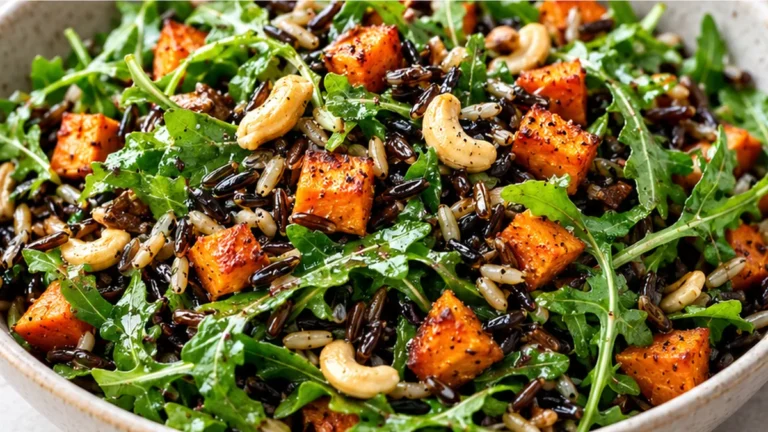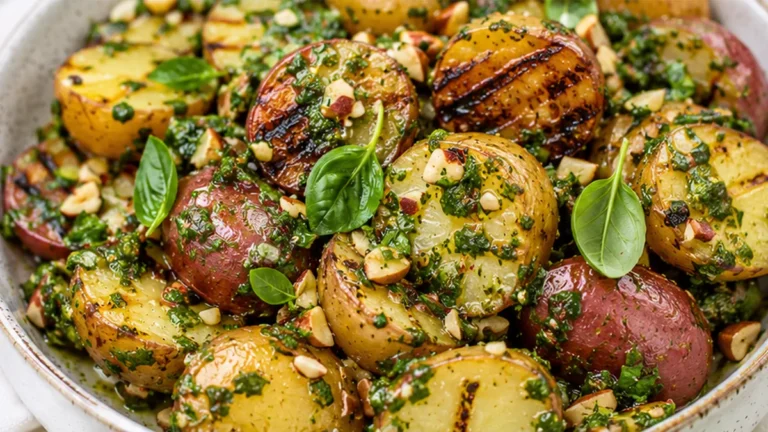
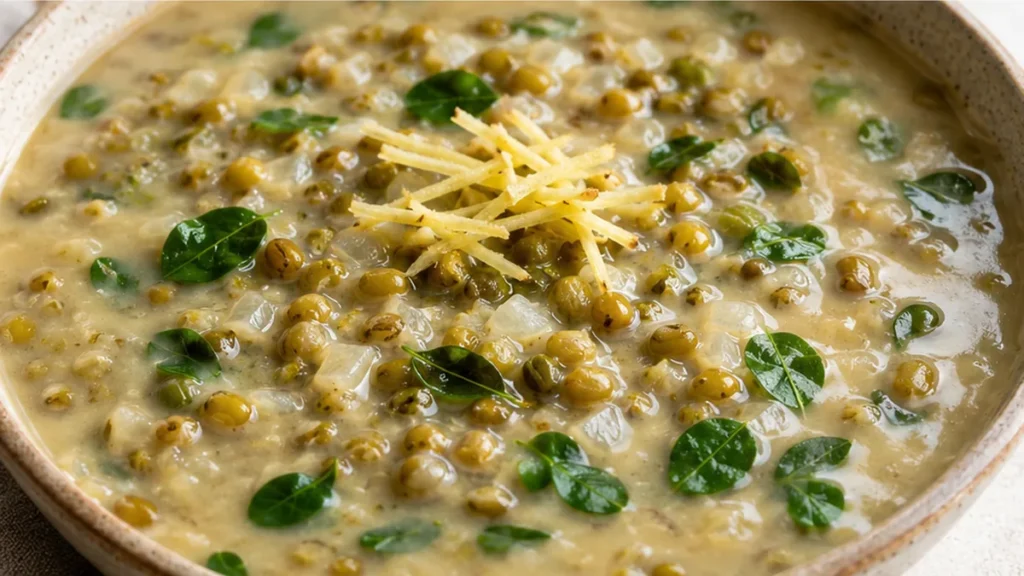
The secret to truly comforting monggo beans lies in achieving that perfect thick, creamy consistency where the beans are tender but still hold their shape. This recipe delivers a wholesome mung bean soup, enriched with aromatic ginger and the fresh, slightly peppery notes of malunggay. Crafted for both flavor and ease, this monggo beans soup is a staple in Filipino cuisine, offering a deeply satisfying and nutritious meal. It’s perfect for those seeking a plant-based, hearty dish that requires minimal fuss.
Key takeaways
- Soaking monggo beans enhances texture and reduces cooking time.
- Incorporating coconut milk at the end maintains creaminess.
- Proper seasoning is crucial for depth of flavor.
- Gentle simmering prevents beans from breaking apart too early.
Ingredients for monggo beans
- 2 cups dry monggo beans, mung beans, or green lentils
- 6 cups vegetable broth
- 1 tablespoon oil
- 1 onion, minced
- 2 cloves garlic, minced
- 1 tablespoon freshly grated ginger
- 1 cup coconut milk (canned)
- 1 bunch chopped or pulled malunggay leaves (or spinach)
- salt to taste
How to make monggo beans
- Bring the broth to a boil in a large pot. Add the rinsed monggo beans and cook, uncovered, for about 40 minutes. Check every 10 minutes and add more water as needed to maintain a very thick soup consistency.
- Heat the oil in a large skillet over medium heat. Sauté the onion, garlic, and ginger until soft and fragrant, about 3 minutes.
- Add the sautéed mixture to the monggo pot and allow it to simmer together for a few minutes.
- Stir in the coconut milk and malunggay leaves. Remove the pot from the heat; the residual heat will slightly wilt the leaves.
- Season with salt to taste.
- Serve the monggo beans hot, over rice or as a standalone soup.
The technique that makes it
The key to a successful creamy monggo bean soup lies in the proper hydration and cooking of the monggo beans. Soaking the beans for several hours or overnight can significantly reduce cooking time and ensure even cooking. This step allows the beans to absorb moisture, leading to a creamy texture when blended. Additionally, using vegetable broth instead of water enhances the flavor profile, providing a rich base that complements the beans.
Another important technique is the incorporation of coconut milk. Adding it towards the end of cooking allows the soup to maintain its creamy consistency without curdling. The emulsion created between the coconut milk and the broth results in a luxurious mouthfeel, while the ginger and garlic contribute aromatic depth. Maintaining a gentle simmer during cooking prevents the beans from breaking apart too early, ensuring a hearty soup.
Troubleshooting
- Problem: Soup is too thick.
Solution: Add more vegetable broth or water gradually until the desired consistency is reached. - Problem: Beans are undercooked and hard.
Solution: Ensure beans are soaked properly; if they are still hard, continue simmering and add more liquid as needed. - Problem: Soup lacks flavor.
Solution: Adjust seasoning with salt or add a splash of soy sauce or lime juice for extra depth. - Problem: Coconut milk separates.
Solution: Stir well before serving; ensure to add coconut milk at the end of cooking to maintain its creamy texture.
Substitutions
- Monggo beans: Use split peas or lentils for a similar texture and flavor, though cooking times may vary.
- Coconut milk: Substitute with almond milk or cashew cream for a dairy-free alternative, but the flavor will be less rich.
- Malunggay leaves: Spinach or kale can be used instead, providing similar nutritional benefits and a green color.
- Vegetable broth: Chicken broth can be used for a non-vegetarian option, adding a different flavor dimension.
Pro tips
- For the creamiest texture, ensure the mung beans are fully tender and slightly broken down before adding the other ingredients. Rushing this step leaves the soup too thin; patience here makes a big difference.
- If using spinach instead of malunggay, add it in the final minute of cooking, as spinach wilts much faster.
- To achieve an even thicker soup, you can mash a portion of the cooked beans against the side of the pot before adding the coconut milk.
- Make-ahead: This soup tastes even better the next day. Store refrigerated in an airtight container for up to 3 days. Reheat gently on the stovetop, adding a splash of water or broth if it has thickened too much.
This Monggo Bean Soup is more than just a meal; it’s a taste of home and comfort. Experiment with adding other vegetables or spices to make it your own. Enjoy this nourishing and flavorful dish!
Frequently asked questions
Can I use canned monggo beans for this recipe?
Yes, you can use canned monggo beans to save time. Rinse and drain them before adding to the soup, but reduce the cooking time to prevent them from becoming mushy.
How can I store leftovers of the soup?
Store leftovers in an airtight container in the refrigerator for up to 3 days. Reheat gently on the stove, adding a splash of broth if the soup thickens too much.
Is this soup suitable for meal prep?
Yes, this soup is excellent for meal prep. It keeps well in the refrigerator and can be frozen for up to 3 months. Just ensure to leave some space in the container for expansion when freezing.
Can I add meat to this soup?
Absolutely! You can add cooked chicken, shrimp, or any protein of your choice. Just ensure to adjust the cooking time accordingly to ensure everything is heated through.