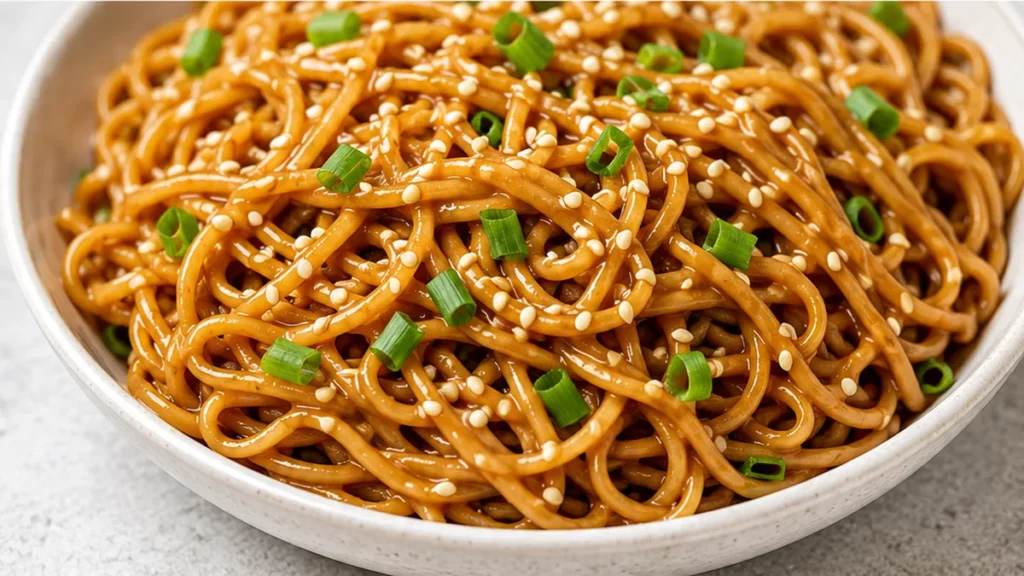
These ginger sesame noodles are a flavor revelation, perfect for anyone seeking a quick and deeply satisfying meal. Ready in just 30 minutes, this recipe combines the zing of fresh ginger with the richness of sesame, complemented by unbelievably caramelized mushrooms. Ideal for busy weeknights, this ginger sesame noodle dish transforms simple ingredients into an extraordinary culinary experience. It’s designed for maximum taste with minimum fuss, ensuring you get a restaurant-quality meal at home.
Key takeaways
- The sauce emulsifies best when gently heated with broth, allowing flavors to meld without boiling.
- Cook noodles al dente and toss directly into the sauce for optimal coating.
- Adjust sauce consistency by adding broth for thinning or simmering for thickening.
- Substitutions for noodles, nut butters, sweeteners, and soy sauce are possible with slight flavor variations.
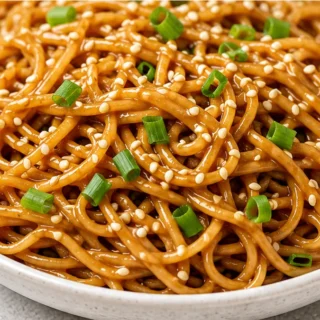
30-Min Ginger Sesame Noodles: Mind-Blowing Flavor!
Ingredients
- 1/2 cup plus 2 tablespoons low sodium soy sauce or tamari
- 1/4 cup honey
- 2 tablespoons balsamic vinegar
- 2 tablespoons rice vinegar
- 3 tablespoons creamy peanut butter or tahini
- 1 tablespoon molasses or pomegranate molasses (optional)
- 2 tablespoons fresh grated ginger
- 3 cloves garlic, grated
- 8 ounces Chinese style egg noodles or rice noodles
- 2 1/2 cups low sodium vegetable or chicken broth
- 1 tablespoon sesame oil
- 1 shallot, thinly sliced
- 1/4 cup sesame seeds, toasted
- 2 green onions, sliced
- Chili oil, to taste
Instructions
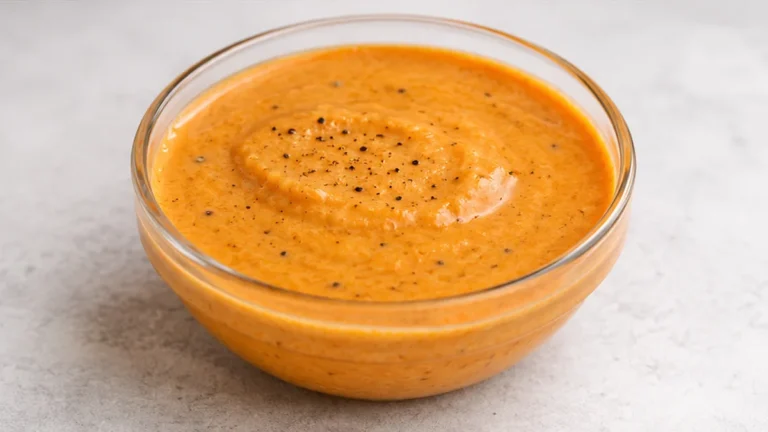
- Combine 1/2 cup soy sauce, honey, balsamic vinegar, rice vinegar, peanut butter, molasses (if using), 1 tablespoon ginger, 1 clove garlic, and 1/3 cup water in a bowl. Whisk until smooth.
- Cook noodles according to package directions. Drain. Meanwhile, in the pot used to cook noodles, combine broth and 1/2 of the soy sauce mixture. Bring to a simmer over medium heat, stir in spinach (if using). Keep warm.
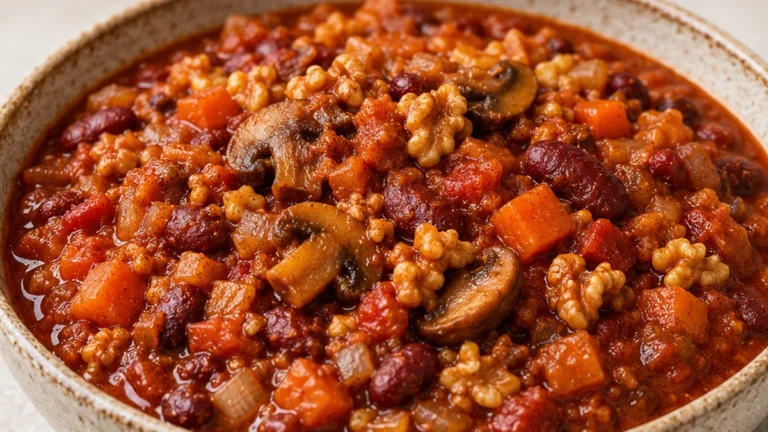
- Heat 1 tablespoon sesame oil in a large skillet over medium-high heat. When the oil shimmers, add mushrooms. Cook undisturbed for 5 minutes or until golden. Add 1 sliced shallot, 1 tablespoon ginger, and 2 cloves garlic. Cook 4-5 minutes, until fragrant. Add 2 tablespoons soy sauce and a pinch of black pepper. Cook another 2-3 minutes, until mushrooms are caramelized. Add 1/4 cup toasted sesame seeds, cook 2 minutes. Spoon mushrooms out onto a plate.
- To the skillet, add the remaining soy sauce mixture and bring to a simmer over medium heat. Add the cooked noodles, toss to combine, and cook until the sauce just coats the noodles, 2-3 minutes. Remove from heat.
- Ladle the warm broth into bowls. Add the saucy noodles and toss to combine. Spoon the caramelized mushrooms over the noodles. Top with 2 sliced green onions and chili oil to taste. Enjoy!
Notes
The technique that makes it
What makes these 30-Minute Ginger Sesame Noodles work is the emulsification of the sauce and the precise cooking of the noodles. The sauce base combines soy sauce, honey, vinegars, peanut butter (or tahini), molasses (if using), ginger, and garlic. When heated gently with the broth, these ingredients meld together. The key is to create a smooth, cohesive sauce that coats the noodles beautifully. Peanut butter or tahini acts as an emulsifier, binding the oil and water-based ingredients. Warming the sauce allows the flavors to deepen and meld, and also helps the peanut butter/tahini to incorporate smoothly. Avoid boiling the sauce vigorously, as this can cause the peanut butter to seize or the sauce to break. The noodles should be cooked according to package directions until al dente. Overcooked noodles will become mushy and absorb too much sauce, leading to a cloying consistency. Rinsing the noodles after cooking is generally not recommended for this dish, as the starch helps the sauce adhere better. The final step of tossing the hot, drained noodles directly into the warm sauce ensures they are evenly coated and absorb the incredible ginger-sesame flavor.
Troubleshooting
- Sauce is too thick: Whisk in a little more vegetable broth or warm water, a tablespoon at a time, until the desired consistency is reached.
- Sauce is too thin: Simmer the sauce gently for a few extra minutes, stirring occasionally, to allow some of the liquid to evaporate. Be careful not to over-reduce.
- Noodles are sticking together: Ensure you’ve used enough liquid in the sauce and toss them thoroughly immediately after draining. A tiny bit of sesame oil tossed with the noodles before saucing can also help prevent sticking.
- Flavor is too sharp or unbalanced: Adjust the sweetness with a touch more honey, or the acidity with a splash more rice vinegar. A pinch of salt can also help round out the flavors.
Substitutions
- Noodles: If Chinese egg noodles or rice noodles are unavailable, spaghetti or linguine can be used. Cook them al dente. The texture will be slightly different but still delicious.
- Peanut Butter/Tahini: Almond butter or cashew butter can be substituted for peanut butter or tahini. The flavor profile will change subtly, but the emulsifying properties remain.
- Honey: Maple syrup or agave nectar can replace honey. The sweetness will be similar, but the molasses notes will be absent.
- Soy Sauce/Tamari: Coconut aminos can be used as a gluten-free and soy-free alternative to soy sauce or tamari. The flavor will be slightly sweeter and less salty.
Pro tips
- Use good quality soy sauce or tamari for the best umami flavor.
- Don’t overcrowd the pan when caramelizing the mushrooms for maximum crispiness.
- Adjust the ginger and garlic to your personal preference for spice.
Enjoy this delightful ginger sesame noodle recipe and explore variations with different vegetables or proteins. Bon appétit!
More from Vegan Bowls →
Frequently asked questions
Can I make ginger sesame noodles ahead of time?
Yes, you can prepare the sauce and cook the noodles separately up to 2 days in advance. Store the sauce in an airtight container in the refrigerator. Cooked noodles should be cooled and lightly tossed with a little oil to prevent sticking. Reheat the noodles gently and toss with the sauce just before serving.
What can I substitute for sesame oil in this recipe?
While sesame oil provides a distinct flavor, you can substitute it with peanut oil or a neutral oil like grapeseed or canola oil. For a touch of nuttiness, you could also try toasted walnut oil. Adjust the amount to your preference, as the flavor profile will change.
How do I store leftover ginger sesame noodles?
Store any leftover noodles in an airtight container in the refrigerator for up to 3 days. It’s best to store the noodles and sauce separately if possible, or toss them together just before refrigerating. Reheat gently on the stovetop or in the microwave until warmed through.
What vegetables go well with ginger sesame noodles?
This dish is excellent with a variety of vegetables. Try adding steamed broccoli florets, crisp snow peas, shredded carrots, bell peppers, or edamame. Sautéed mushrooms or baby bok choy also complement the flavors beautifully. Add them in during the last few minutes of cooking.