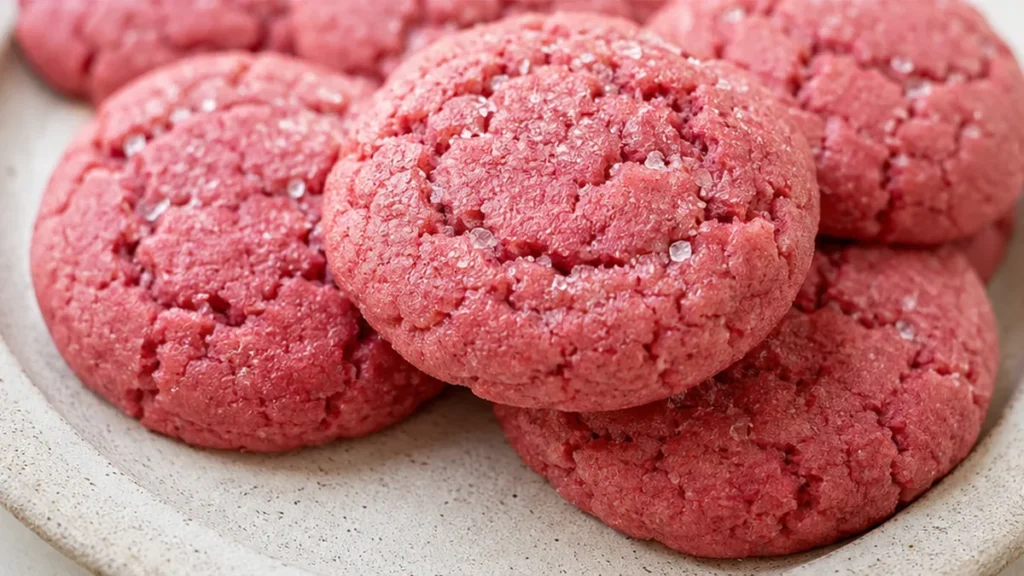
Sweet beet cookies are a delightful and visually striking treat that brings a touch of natural color to your dessert table. This recipe offers a simple way to create soft, chewy cookies with a beautiful pink hue, thanks to the humble beet. These beet cookies are perfect for those looking for a unique snack, a healthier dessert option, or simply a fun baking project. The subtle sweetness of the beets complements the cookie dough, creating a balanced flavor that’s not overly earthy.
Key takeaways
- Finely shredding raw beets is key for color and texture.
- Oil inhibits gluten, leading to tender cookies.
- Baking temperature controls pigment integrity and prevents burning.
- Adjust beet quantity or fineness to control flavor intensity.
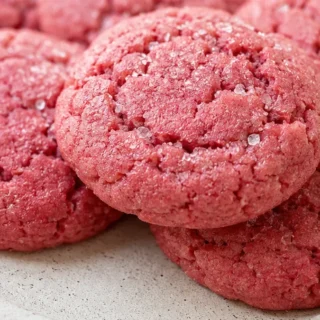
Sweet Beet Cookies: A Naturally Pink Treat!
Ingredients
- 1 cup all purpose flour
- 1/2 teaspoon baking powder
- 2 tablespoons sugar
- 1/4 teaspoon kosher salt
- 1/2 cup raw beets, shredded fine
- 2 tablespoons oil
Instructions
- Preheat oven to 400F degrees.
- In a mixing bowl, whisk together the flour, baking powder, sugar, and salt.
- Using your hands, add the shredded beets to the flour mixture and toss to coat.
- Add the oil and work with your hands to bring the dough together (the salt and sugar will fall to the bottom of the bowl so make sure you knead the dough well to combine everything — the outcome will be a smooth dough).
- Form the smooth, sweet beet dough into a flat disk and roll it out to 1/2 inch thick on parchment paper or a dry clean surface.
- Using a knife, cut the dough into squares or use small cookie cutters to cut out shapes.
- Bake on a Silpat or parchment-lined cookie sheet for 15-17 minutes.
Notes
The Science Behind the Pink Hue and Texture
The vibrant pink color in these beet cookies comes directly from the raw beets. Beets contain betalains, which are water-soluble pigments. When incorporated into the dough, these pigments distribute throughout, giving the cookies their characteristic natural color. The fine shredding of the beets is crucial for several reasons. Firstly, it ensures the beet flavor is subtle rather than overpowering, integrating smoothly into the cookie. Secondly, it allows the beet’s moisture to hydrate the flour evenly, contributing to the cookie’s final texture. Unlike cooked beets, raw beets retain more of their moisture and pigment integrity. The oil acts as the fat in this recipe, coating the flour particles and inhibiting gluten development. This results in a more tender, less chewy cookie. Baking at the correct temperature ensures the cookies cook through without burning the delicate beet pigments, which can degrade with excessive heat.
Troubleshooting
- Problem: Cookies are too dry and crumbly.
Fix: Ensure the beets were shredded very finely and that their moisture content was adequate. If the dough still seems dry, add a teaspoon of water or milk at a time until it just comes together. Overmixing can also contribute to dryness.
- Problem: Cookies have a strong beet flavor.
Fix: This usually means the beets were not shredded finely enough, or too much beet was used relative to the other ingredients. For future batches, shred the beets even finer, almost to a pulp, and ensure accurate measurement.
- Problem: Cookies are pale pink or not pink enough.
Fix: The pigment in beets can vary. Ensure you are using fresh, vibrant red beets. For a more intense color, you could try adding a tiny bit more finely shredded beet, but be mindful of the texture and flavor impact.
- Problem: Cookies spread too much during baking.
Fix: This can happen if the dough is too warm or if the oil content is slightly high for the amount of flour. Ensure your dough is well-chilled before baking, and double-check the ingredient measurements.
Substitutions
- Flour: You can substitute half of the all-purpose flour with whole wheat flour for a nuttier flavor and denser texture. The cookies will be less tender.
- Oil: Melted coconut oil or a neutral-flavored vegetable oil like canola or sunflower can be used instead of the unspecified oil. The flavor profile might change slightly depending on the oil chosen.
- Sugar: Coconut sugar or brown sugar can be used in place of granulated sugar. This will add a slight caramel note and a darker hue to the cookies, potentially masking some of the beet’s pink color.
- Baking Powder: A gluten-free baking powder blend can be used if you need to make the recipe gluten-free. Ensure it is a 1:1 substitute for regular baking powder.
Pro tips
- For an even richer color, you can slightly increase the amount of shredded beets, though this might slightly alter the dough’s texture.
- Store leftover sweet beet cookies in an airtight container at room temperature for up to 3 days, or freeze for up to 1 month. Thaw at room temperature.
- When kneading the dough, if it feels too sticky, add a tiny bit more flour, a teaspoon at a time, until it’s smooth and manageable. Too much flour makes the cookies dry, so a little goes a long way.
These sweet beet cookies are a fantastic way to enjoy a wholesome, colorful, and delicious treat. Experiment with different cookie cutter shapes for various occasions. Enjoy!
Frequently asked questions
Why are my beet cookies not pink?
The pink color comes from betalain pigments in raw beets. Ensure you are using fresh, vibrant red beets and shredding them very finely. Insufficient beet quantity or using cooked beets can also result in a pale color. The baking process itself can also slightly dull the color.
Can I use cooked beets instead of raw?
While you can technically use cooked beets, it’s not recommended for this recipe. Cooked beets have a different moisture content and their pigments may be less vibrant. Raw, finely shredded beets are essential for achieving the desired natural pink color and subtle flavor in these cookies.
How do I prevent a strong beet flavor?
The key is to shred the beets as finely as possible, almost to a paste. This helps distribute the beet evenly and mellows its flavor. Also, ensure you are using the exact amount of beets called for; adding too much can make the flavor overpowering.
What is the best way to store these beet cookies?
Store the cooled beet cookies in an airtight container at room temperature for up to 3-4 days. If they seem to be losing moisture, you can place a small piece of bread in the container to help maintain softness, though this is rarely necessary.
More from Vegan Desserts →