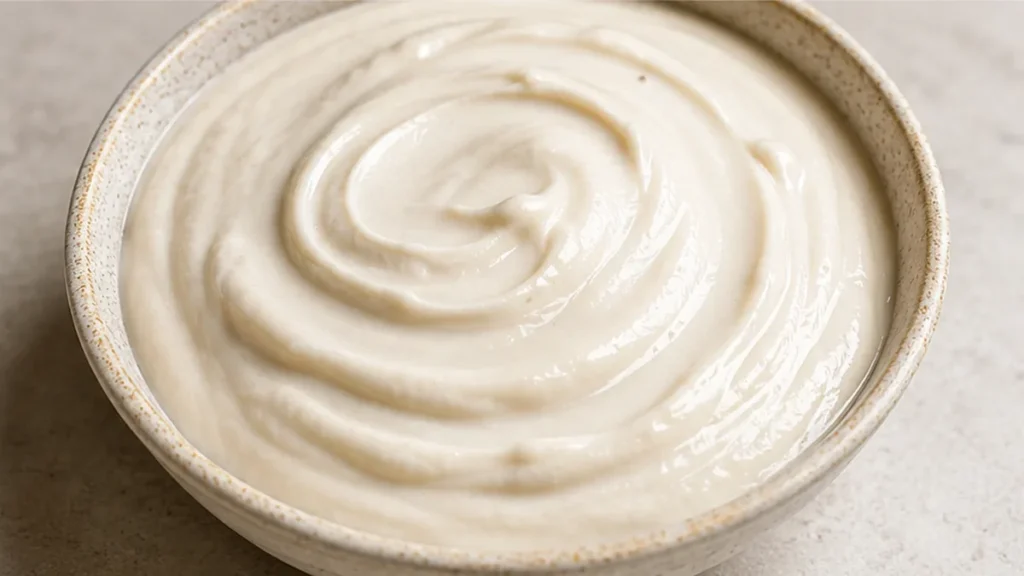
Cashew cream serves as a rich and versatile base in plant-based cooking. This cashew cream recipe, requiring just three core ingredients, transforms humble nuts into a silky, dairy-free alternative that can improve countless dishes, from savory sauces to decadent desserts. A good cashew cream is about more than just blending; proper soaking is what gives it an ultra-smooth texture without any graininess. This recipe focuses on achieving that perfect consistency, making it a foundational element for any vegan kitchen or for those looking to reduce dairy.
Key takeaways
- Soaking cashews in hot water is crucial for creaminess.
- Blend thoroughly to avoid graininess and achieve a smooth texture.
- Customize flavor with optional ingredients like vanilla or nutritional yeast.
- Cashew cream is uniquely versatile, suitable for both sweet and savory dishes.
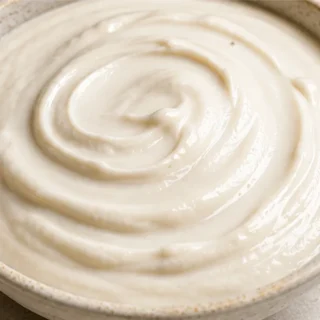
Creamy Cashew Dream: Vegan Magic
Ingredients
- ½ cup raw cashews
- 1 cup hot water (for soaking)
- ½ cup fresh water (for blending)
- pinch salt (optional)
- 1 tsp vanilla extract (optional, for sweet cream)
- 1 tbsp nutritional yeast (optional, for savory cream)
Instructions
- Soak cashews in hot water for 20 minutes. Ensure they are fully submerged.
- Drain all the water from the cashews and rinse them thoroughly under cold water.
- Add the drained and rinsed cashews to a high-speed blender jar along with “fresh water” (not provided in ingredients, assuming it’s for blending). Blend for 1 to 2 minutes or until the mixture is completely smooth and creamy. Scrape down the sides if needed to ensure even blending.
- For a savory cream, add 1 tbsp nutritional yeast and a pinch of salt. Blend again until fully incorporated.
- For a sweet cream, add 1 tsp vanilla extract and a pinch of salt. Blend again until fully incorporated.
- Use immediately for your favorite recipes or transfer to a clean glass jar. Refrigerate for up to 4 to 5 days or freeze for up to two months.
Notes
Why Soaking Cashews is Essential for Creaminess
Soaking raw cashews in hot water for at least 15-20 minutes is crucial for achieving a smooth and creamy texture. The heat from the water softens the cashews, allowing them to blend easily into a velvety cream. This process hydrates the nuts, which is essential for creating an emulsion that binds the fat and water together, resulting in a rich, creamy consistency.
Common Issues with Texture and How to Fix Them
If your cashew cream turns out grainy or lumpy, it’s likely due to inadequate soaking or blending. Here are some common issues and their fixes:
- Issue: Grainy texture.
Fix: Soak cashews longer (up to 4 hours) or blend more thoroughly until smooth. - Issue: Too thick consistency.
Fix: Add more water gradually, blending until desired creaminess is achieved. - Issue: Bitter taste.
Fix: Ensure cashews are fresh and not rancid. Adding a pinch of salt can enhance flavor.
Flavor Enhancements and Their Trade-offs
To customize your cashew cream, consider these optional ingredients and their effects:
- Vanilla extract: Adds sweetness and aroma, making it ideal for desserts. Trade-off: It may not suit savory dishes.
- Nutritional yeast: Introduces a cheesy, savory flavor, perfect for dips or sauces. Trade-off: It alters the cream’s sweetness, making it less versatile.
- Salt: Enhances overall flavor. Trade-off: Too much can overpower the natural taste of the cashews.
Unique Qualities of Cashew Cream Compared to Other Nut Creams
Cashew cream stands out due to its naturally sweet flavor and creamy texture, which is achieved without needing additional thickeners. Unlike almond or coconut cream, cashew cream blends into a completely smooth consistency, making it an excellent base for both sweet and savory dishes. Its neutral taste allows it to absorb flavors well, making it adaptable for various culinary uses.
Understanding the Best Equipment for Cashew Cream Preparation
The quality of your cashew cream can be significantly affected by the equipment you use. A high-speed blender is ideal for achieving a smooth consistency, as it can effectively break down the cashews into a fine cream. If using a standard blender, you may need to blend for a longer duration and possibly add more liquid to aid in the blending process. A food processor can also work, but it may not reach the same level of creaminess. Ensure that your equipment is clean and dry to avoid any contamination that could affect the flavor.
Scaling the Recipe for Different Needs
This recipe for creamy cashew dream can easily be scaled up or down depending on your needs. If you want to make a larger batch, simply multiply the ingredients accordingly while maintaining the same ratios. For instance, doubling the recipe means using 1 cup of raw cashews and 2 cups of hot water for soaking. However, keep in mind that blending larger quantities may require a more powerful blender or multiple blending sessions to achieve the desired creaminess. Conversely, if you’re making a smaller batch, consider using a smaller container to help with blending efficiency.
How Seasonal Ingredients Affect Cashew Cream Flavor
The flavor profile of your cashew cream can vary depending on the quality and freshness of your ingredients. For instance, using freshly harvested cashews can enhance the cream’s nuttiness, while older cashews may impart a stale taste. Additionally, if you choose to add flavoring agents like vanilla extract or nutritional yeast, the potency of these ingredients can change with the season. Fresh vanilla extract tends to have a brighter flavor, while older extracts may taste muted. Always opt for the freshest ingredients available to ensure the best flavor in your cashew cream.
Serving Suggestions and Pairing Options for Cashew Cream
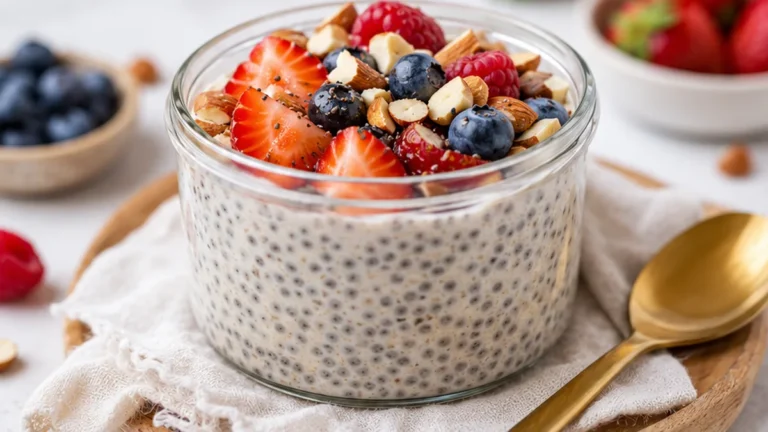
Cashew cream is incredibly versatile and can be used in various dishes. It works beautifully as a base for vegan sauces, salad dressings, or as a topping for desserts. When serving, consider pairing it with fresh fruits, granola, or drizzling it over roasted vegetables for a creamy finish. If you’re making a savory version with nutritional yeast, it pairs well with pasta dishes, grain bowls, or as a dip for raw vegetables. Experiment with different combinations to find your favorite pairings, enhancing both the texture and flavor of your dishes.
How to Store Cashew Cream for Maximum Freshness
Cashew cream can be stored in an airtight container in the refrigerator for up to one week. To maintain its creamy texture, avoid exposing it to air, which can lead to oxidation and spoilage. If you wish to store it for longer, consider freezing it in small portions. When frozen, cashew cream can last for up to three months. To thaw, place it in the refrigerator overnight or use a microwave on a low setting. Keep in mind that freezing may slightly alter its texture, so re-blending after thawing can help restore its creaminess.
Adjusting the Recipe for Larger Batches
Scaling the recipe for larger batches is straightforward, but attention to detail is crucial for maintaining the desired texture and flavor. When doubling the recipe, use a 1:2 ratio of cashews to water for soaking, ensuring that the cashews are fully submerged. For blending, you may need to blend in batches if your blender capacity is limited, as overfilling can lead to uneven blending. Keep the blending duration consistent; typically, 1-2 minutes should suffice for a smooth consistency. Additionally, consider adjusting the salt and flavorings proportionally to prevent overpowering the cream.
Understanding Equipment Impact on Texture
The type of blender you use significantly impacts the final texture of your cashew cream. High-powered blenders, like Vitamix or Blendtec, can create a smoother, creamier texture in less time, often requiring only 1-2 minutes of blending. In contrast, standard blenders may require longer blending times and may not achieve the same level of creaminess. If using a standard blender, consider soaking the cashews longer, up to 4-6 hours, to ensure they soften adequately. A food processor can also be used, but results may vary; it may produce a grainier texture, so additional water may be needed to achieve creaminess.
How Seasonal Ingredients Influence Cashew Cream
Seasonal ingredients can enhance the flavor profile of your cashew cream. For instance, using fresh vanilla beans in the summer can impart a vibrant flavor compared to vanilla extract. Similarly, incorporating seasonal fruits like ripe berries or peaches can create a delightful twist, making the cream suitable for various dishes. The quality of cashews also varies by season; fresher nuts, typically harvested in late summer, will yield a richer taste. Pay attention to the origin of your cashews; those sourced from regions with optimal growing conditions will have a better flavor and creaminess.
How to Achieve the Perfect Consistency for Cashew Cream
The key to a velvety cashew cream lies in the soaking and blending process. Soaking the cashews in hot water for at least 30 minutes allows them to absorb moisture, making them softer and easier to blend. If you find your cashew cream too thick, adding more water gradually during blending can help reach your desired consistency. Aim for a ratio of 1 part cashews to 1 part water for a thicker cream and 1.5 parts water for a thinner consistency. Blending should be done on high speed for about 1-2 minutes or until the mixture is completely smooth and creamy. If you notice graininess, it may be due to insufficient soaking or blending time.
Understanding the Impact of Equipment on Cashew Cream Quality
The type of blender used can significantly affect the texture of your cashew cream. High-speed blenders, such as Vitamix or Blendtec, create a smoother cream due to their powerful motors and sharp blades. If using a standard blender, you may need to blend longer and scrape down the sides more frequently to ensure even blending. Additionally, using a food processor can yield a coarser texture, which may be desirable for certain savory applications. When using a food processor, consider adding a bit more water to facilitate blending. Always ensure your equipment is clean and dry before use to avoid any unwanted flavors.
Pro tips
- For the silkiest cashew cream, use a high-speed blender. If you have a regular blender, you might need to blend for a few extra minutes, stopping and scraping down the sides frequently.
- Don’t skip the hot water soak: this softens the cashews significantly, making them easier to blend into a smooth consistency.
- To make a savory cashew cream, add a pinch of salt, a clove of garlic, or a tablespoon of nutritional yeast during blending. For a sweet version, add vanilla extract and a touch of maple syrup or agave.
This cashew cream is a real upgrade for plant-based cooking, offering a creamy texture and rich flavor without dairy. Experiment with flavorings to suit your needs, and enjoy its versatility in countless dishes.
Frequently asked questions
How long should I soak the cashews?
Soak the cashews in hot water for at least 15-20 minutes. For an even creamier texture, you can soak them for up to 4 hours.
Can I use roasted cashews instead of raw?
While you can use roasted cashews, they may alter the flavor and texture of the cream. Raw cashews yield a smoother and creamier result.
What can I use cashew cream for?
Cashew cream is incredibly versatile. Use it as a base for sauces, dressings, desserts, or even as a dairy substitute in recipes like soups and dips.
How do I store leftover cashew cream?
Store leftover cashew cream in an airtight container in the refrigerator for up to 5 days. You can also freeze it for longer storage, but it may require re-blending after thawing.
More from Vegan Air Fryer →