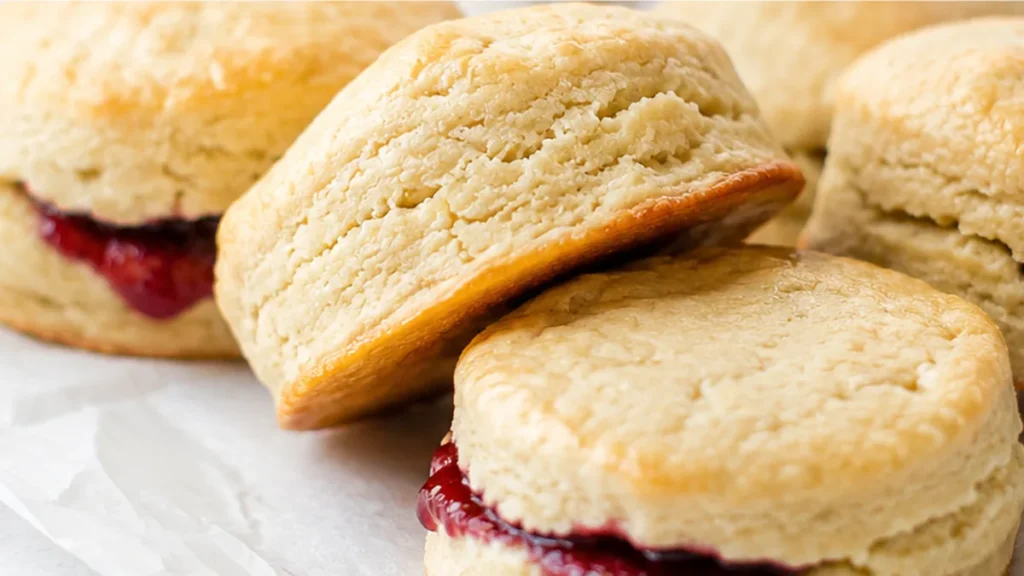
Vegan biscuits achieve their flaky texture through the use of cold ingredients and careful handling. Very cold vegan butter and homemade vegan buttermilk create steam pockets that result in a layered structure. This recipe transforms simple ingredients into a breakfast staple that rivals traditional versions.
Key takeaways
- Using cold vegan butter is essential for flaky texture.
- Avoid overmixing to keep biscuits tender.
- Homemade vegan buttermilk enhances flavor and texture.
- Chill the dough to prevent spreading during baking.
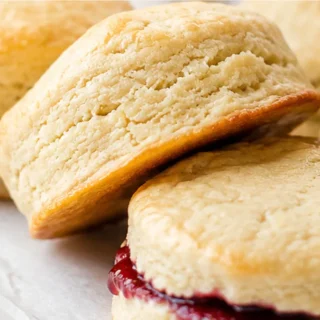
Fluffy Vegan Biscuits that MELT in Your Mouth!
Ingredients
- 5 1/2 cups 1:1 gluten free baking flour
- 3 1/2 teaspoons baking powder
- 1/2 teaspoon baking soda
- 3 teaspoons kosher salt
- 1 1/2 teaspoons granulated sugar
- 1 1/2 cups (1 1/2 sticks) very cold vegan butter
- 2 cups homemade vegan buttermilk (2 tbsp apple cider vinegar then enough milk to fill 2 cups)
- 1/4 cup full fat coconut milk
- 1 tablespoon maple syrup
- 1/4 cup vegan butter, melted
Instructions
- In a large bowl, whisk together the gluten-free baking flour, baking powder, baking soda, kosher salt, and granulated sugar.
- Cut the very cold vegan butter into small cubes. Add to the dry ingredients and cut in with a pastry blender or your fingers until the mixture resembles coarse crumbs with some pea-sized pieces of butter remaining.
- In a separate bowl, whisk together the homemade vegan buttermilk, full fat coconut milk, and maple syrup.
- Pour the wet ingredients into the dry ingredients. Mix gently with a spatula until just combined. Be careful not to overmix; the dough will be shaggy.
- Turn the dough out onto a lightly floured surface. Gently knead 3-4 times, then pat into a 1-inch thick rectangle. Fold the dough in thirds (like a letter), then pat down again. Repeat this folding and patting 2-3 more times to create layers. Cut into desired biscuit shapes using a biscuit cutter or knife.
- Place the biscuits on a parchment-lined baking sheet. Bake in a preheated oven at 425°F (220°C) for 15-18 minutes, or until golden brown on top and cooked through. Brush with melted vegan butter immediately after removing from the oven.
- Serve warm and enjoy immediately.
Notes
Understanding the Role of Cold Ingredients in Vegan Biscuits
Using very cold vegan butter is crucial for achieving that melt-in-your-mouth texture. The cold temperature helps create steam during baking, which leads to a flaky structure. Aim for a temperature around 32°F (0°C) for the butter. When the fat is cold, it remains solid longer, allowing for pockets of air to form as it melts, which contributes to the biscuit’s rise and texture.
Why Overmixing Can Ruin Your Biscuits
Overmixing the dough leads to the development of gluten, which makes biscuits tough instead of tender. To avoid this, mix the ingredients just until combined. You should see some dry flour remaining. The ideal mixing time is about 30-60 seconds. This ensures the fat remains distributed without fully incorporating into the flour, maintaining a light texture.
How to Achieve the Perfect Vegan Buttermilk
Homemade vegan buttermilk is created by adding 2 tablespoons of apple cider vinegar to plant-based milk. Let it sit for about 5-10 minutes to thicken slightly. This acidity not only helps with flavor but also reacts with the baking soda, creating carbon dioxide that aids in leavening. The ratio of 1 tablespoon of vinegar to 1 cup of milk is effective for achieving the desired tanginess and texture.
Common Mistakes and How to Fix Them
- Mistake: Biscuits are too dense.
- Fix: Ensure your baking powder is fresh and accurately measured; too little will prevent proper rising.
- Mistake: Biscuits spread too much during baking.
- Fix: Chill the dough for at least 30 minutes before baking to stabilize the fat.
- Mistake: Biscuits are dry.
- Fix: Adjust the amount of liquid; start with 1 3/4 cups of buttermilk and add more if needed.
Ingredient Swaps and Their Effects
- Gluten-Free Flour: Using a different gluten-free blend may alter the texture; ensure it contains xanthan gum for binding.
- Vegan Butter: Substituting with coconut oil may result in a denser biscuit due to its higher fat content.
- Maple Syrup: Using agave syrup will provide a similar sweetness but may slightly alter the flavor profile.
- Coconut Milk: Replacing with almond milk will yield a lighter biscuit but may lose some richness.
How to Properly Store Leftover Vegan Biscuits
To maintain the fluffy texture of your vegan biscuits, store them in an airtight container at room temperature for up to 2 days. For longer storage, wrap each biscuit in plastic wrap and place them in a freezer-safe bag. They can be frozen for up to 3 months. When ready to enjoy, thaw at room temperature and reheat in the oven at 350°F (175°C) for about 10 minutes to restore their original fluffiness.
Scaling the Recipe for Large Gatherings
This biscuit recipe can be easily scaled to accommodate larger groups. For each additional batch, simply multiply the ingredients by the number of batches desired. Keep in mind that baking time may need adjustment; larger quantities may require an extra 5-10 minutes in the oven. Ensure you have sufficient baking sheets and space in your oven to accommodate larger batches without overcrowding.
Choosing the Right Equipment for Perfect Vegan Biscuits
The type of equipment used can significantly affect the outcome of your vegan biscuits. A heavy-duty baking sheet promotes even heat distribution, while parchment paper prevents sticking. Using a pastry cutter or your hands to incorporate the cold vegan butter into the dry ingredients ensures a flaky texture. Additionally, a biscuit cutter is essential for achieving uniform shapes, which helps in even baking.
Seasonal Variations and Ingredient Quality Impact
The quality of your ingredients can vary with the seasons, affecting your biscuits’ final taste and texture. Fresh, high-quality vegan butter contributes to a richer flavor. In the summer, consider adding fresh herbs like rosemary or thyme for a seasonal twist. In the fall, spices such as cinnamon or nutmeg can be incorporated for a warm flavor profile. Always adjust the liquid content if using fresh produce to maintain the right dough consistency.
How to Make Vegan Biscuits Ahead of Time
Preparing vegan biscuits in advance can save time and ensure you have fresh, warm biscuits ready for any occasion. To make them ahead, prepare the dough and shape it into biscuits. Instead of baking them immediately, place the shaped biscuits on a baking sheet lined with parchment paper and freeze them for about 30 minutes. Once frozen, transfer them to an airtight container or freezer bag. When ready to bake, simply preheat your oven to 425°F (220°C) and bake the frozen biscuits for an additional 5-10 minutes. This method ensures you retain the light, fluffy texture while allowing for quick baking when needed.
Understanding Equipment Variations for Perfect Vegan Biscuits
The equipment you use can significantly impact the outcome of your vegan biscuits. For instance, using a food processor can help achieve a finer texture by evenly cutting the cold vegan butter into the flour mixture. However, if you prefer a more hands-on approach, a pastry cutter or even your fingers can work well, ensuring you don’t overwork the dough. Additionally, the type of baking sheet can affect browning; a dark non-stick pan may yield a quicker browning compared to a light-colored aluminum sheet. Always line your baking sheets with parchment paper to prevent sticking and ensure even baking.
Pairing Suggestions for Serving Fluffy Vegan Biscuits
Vegan biscuits are versatile and can be enjoyed in various ways. They serve as an excellent base for savory dishes such as vegan gravy or as a side to hearty soups and stews. For a sweet touch, serve them warm with a spread of fruit preserves or a drizzle of maple syrup. Consider pairing them with a vegan butter alternative for a rich, creamy experience. Complementing your biscuits with a fresh salad or roasted vegetables can create a balanced meal. The lightness of the biscuits makes them a perfect companion to heavier dishes, enhancing the overall dining experience.
How Seasonal Ingredients Affect Vegan Biscuit Quality
Seasonal ingredients can greatly influence the quality of your vegan biscuits. For example, in spring and summer, fresh herbs like chives or dill can be added to the dough, enhancing flavor and freshness. Conversely, during the fall and winter months, spices such as cinnamon or nutmeg can give a warm, comforting taste. Additionally, the quality of the coconut milk and vegan butter can vary with seasons, affecting the final texture. Always opt for high-quality, fresh ingredients to ensure the best results. Keeping an eye on ingredient freshness can help you achieve that melt-in-your-mouth quality that defines perfect vegan biscuits.
Why the size of your biscuit dough matters
The size of your biscuit dough pieces directly affects the texture and rise of your vegan biscuits. Ideally, you should aim for biscuit rounds that are about 2 inches in diameter. This size ensures that the biscuits cook evenly, allowing for a golden crust while maintaining a soft, fluffy interior. If you cut the dough too small, the biscuits may dry out; if too large, they may not cook through properly. For best results, use a sharp cutter to avoid compressing the edges, which can inhibit rising.
How to adjust baking time for different oven types
The type of oven you use can significantly influence the outcome of your vegan biscuits. Conventional ovens typically require a baking time of 12-15 minutes at 425°F (220°C). However, if you are using a convection oven, you may need to reduce the temperature by about 25°F (15°C) and check for doneness around 10-12 minutes. This adjustment is necessary because convection ovens circulate hot air, leading to quicker cooking. Always keep an eye on your biscuits as they bake, looking for a golden-brown top and a firm texture.
How to Achieve the Ideal Texture When Scaling Your Vegan Biscuit Recipe
When scaling your vegan biscuit recipe, maintaining the ideal texture is crucial. If you double or triple the recipe, ensure that you adjust the baking powder and baking soda proportionally. For every additional cup of flour, add an extra teaspoon of baking powder and a pinch of baking soda. This helps maintain the rise and fluffiness. Additionally, consider the mixing time; larger batches may require a bit more time to achieve a uniform dough without overmixing. Monitor the dough’s consistency closely—aim for a moist yet not sticky texture. If the dough becomes too wet, add a little more gluten-free flour, one tablespoon at a time, until you reach the desired consistency. Lastly, baking times may vary; larger batches may need an extra 5-10 minutes in the oven.
Understanding the Impact of Ingredient Quality on Vegan Biscuit Success
The quality of your ingredients significantly influences the outcome of your vegan biscuits. Using fresh, high-quality gluten-free flour can enhance the biscuits’ texture and flavor. Stale flour can lead to a dense and unappetizing result. Similarly, the type of vegan butter affects both taste and texture; brands with higher fat content yield flakier biscuits. When it comes to vegan buttermilk, using fresh, high-quality plant-based milk ensures better acidity and flavor balance. If you’re using coconut milk, opt for full-fat versions for a richer taste. Seasonal variations in ingredients, such as the freshness of your baking powder or the ripeness of your coconut milk, can also affect texture. Always check expiration dates and the quality of your ingredients before starting.
Pro tips
- Do not overmix the dough. Overmixing develops gluten, which leads to tough biscuits. Mix just until the ingredients are combined and the dough is shaggy.
- For extra flaky layers, chill the cut biscuits for 15-20 minutes before baking. This helps the butter stay cold and creates more steam, resulting in higher rise and distinct layers.
- If your biscuits don’t rise enough, it might be due to old baking powder or soda. Always check their freshness before baking. If a batch falls flat, check whether the baking powder has expired.
These vegan biscuits prove that plant-based baking can be just as delicious and satisfying. Share these with friends and family, and watch them disappear! Enjoy this wholesome, flaky treat.
Frequently asked questions
Can I use regular flour instead of gluten-free flour?
No, this recipe is specifically formulated for gluten-free flour. Regular flour contains gluten, which would change the texture and structure of the biscuits.
How can I store leftover biscuits?
Store leftover biscuits in an airtight container at room temperature for up to 2 days. For longer storage, freeze them in a single layer, then transfer to a freezer-safe bag for up to 3 months.
What can I serve with these vegan biscuits?
These biscuits pair well with vegan gravy, fruit preserves, or even as a base for a breakfast sandwich. Their fluffy texture complements both sweet and savory toppings.
Can I make the dough ahead of time?
Yes, you can prepare the dough ahead of time and refrigerate it for up to 24 hours. Just remember to let it sit at room temperature for about 15 minutes before baking to ensure even cooking.
More from Vegan Breakfast →