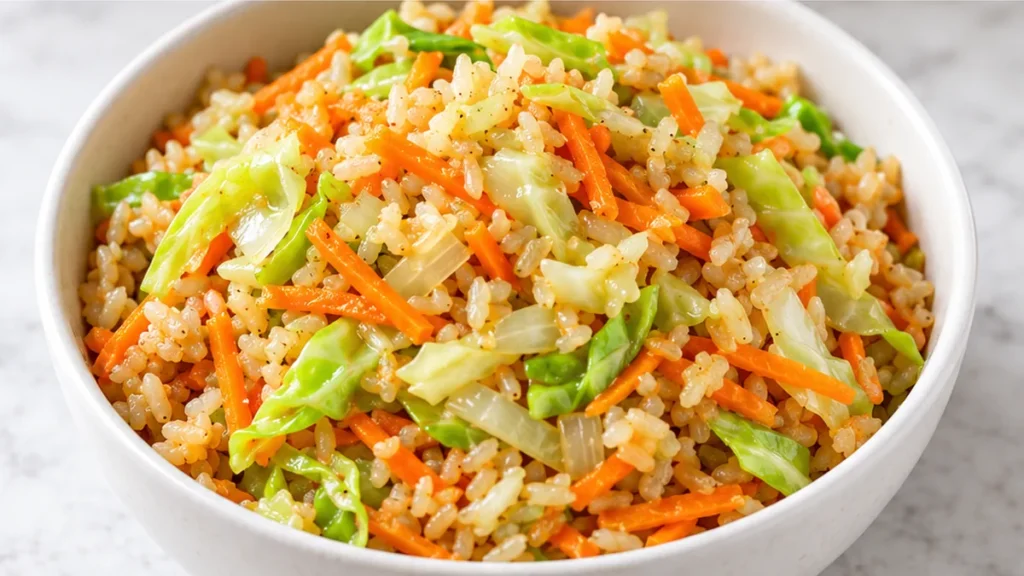
Garlic fried rice can be truly satisfying, especially in a ‘skinny’ version, when you use cold, day-old brown rice – it prevents sticking and encourages those crispy edges. This recipe highlights how simple ingredients can create a deeply flavorful and wholesome dish. I’ve found that many recipes for garlic fried rice can be a bit heavy, but by focusing on fresh vegetables and brown rice, we achieve a lighter profile without sacrificing taste. This approach makes garlic fried rice a fantastic option for a quick, nutritious, and incredibly tasty meal.
Key takeaways
- Sauté garlic at medium heat to avoid bitterness.
- Use day-old rice for better texture and to prevent mushiness.
- Incorporate fresh, high-quality ingredients for enhanced flavor.
- Customize with seasonal vegetables for added nutrition and variety.
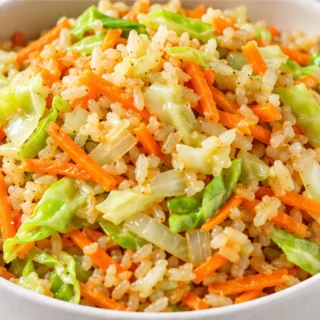
Skinny Garlic Fried Rice Recipe
Ingredients
- 1 yellow onion, diced
- 4 cloves garlic, grated or minced
- 1 1-inch piece ginger, grated or minced
- 1/2 head green cabbage, shredded
- 1 large carrot, shredded
- 2 cups cooked, cold brown rice
- 3 tablespoons oil, divided
Instructions
- Heat 1 tablespoon of oil in a large nonstick skillet over medium heat. Sauté the diced onion, minced garlic, and grated ginger for 3-5 minutes until soft and fragrant.
- Add another 1 tablespoon of oil to the pan and add the shredded cabbage and carrot. Sauté for 5-7 minutes until the vegetables are tender-crisp. Season generously with salt and pepper.
- Add the cooked brown rice and the remaining 1 tablespoon of oil (if needed) to the skillet. Stir fry for 3-5 minutes until the rice is heated through and lightly browned.
- Season the fried rice with additional salt and pepper to taste. Serve immediately with lime wedges and soy sauce on the side.
Video
Notes
Mastering the Balance of Flavors in Garlic Fried Rice
The key to a successful garlic fried rice lies in the balance of flavors. The caramelization of the garlic and onion provides a sweet and savory base, while the ginger adds a hint of spice. To achieve this, it’s crucial to sauté the garlic at the right temperature; too high, and it will burn, becoming bitter. Aim for a medium heat, around 160-180°C (320-356°F), and sauté until the garlic is golden but not browned, typically around 2-3 minutes. This method enhances the umami flavor that makes garlic fried rice so addictive.
Addressing Common Issues with Texture and Consistency
Texture is a critical component of garlic fried rice. If the rice is mushy, it can detract from the dish’s overall appeal. This often occurs when using freshly cooked rice; instead, opt for rice that has been cooked and cooled, preferably overnight in the refrigerator. The cooling process allows the grains to firm up, reducing moisture content. When frying, use a high-smoke point oil, such as vegetable or canola oil, to achieve a crispy texture without the rice sticking together. Ensure to stir-fry the rice for about 5-7 minutes until heated through and slightly crispy.
Ingredient Quality: The Role of Freshness in Flavor
Using fresh ingredients significantly enhances the flavor profile of garlic fried rice. Fresh garlic, onions, and vegetables create a vibrant taste that dried or older ingredients cannot replicate. When selecting garlic, look for firm, unblemished bulbs. The same goes for the cabbage and carrots; fresh produce not only improves flavor but also adds nutritional value. Additionally, consider the quality of your rice; organic brown rice can provide a nuttier flavor compared to conventional options. Fresh ingredients can elevate a simple dish into a culinary delight.
How to Customize Garlic Fried Rice with Seasonal Ingredients
Customization is what makes garlic fried rice versatile. Adding seasonal vegetables can enhance both flavor and nutrition. For instance, in the spring, consider incorporating asparagus or peas for a fresh taste. In the fall, pumpkin or squash can add a sweet, earthy flavor. Each vegetable has its own cooking time; add quicker-cooking ones like peas later in the frying process to prevent overcooking. The balance of colors from different vegetables also makes the dish visually appealing, inviting more enjoyment at the table.
Understanding the Impact of Ingredient Quality in Garlic Fried Rice
The quality of ingredients plays a crucial role in the overall flavor profile of garlic fried rice. Fresh garlic, for example, has a more potent flavor compared to older cloves that may have started to sprout. When selecting your vegetables, opt for crisp, vibrant produce. The cabbage and carrots should be fresh and firm, as this will enhance the texture and taste of the dish. Additionally, using high-quality brown rice that has been cooked and cooled properly will prevent it from becoming mushy. The ideal rice should have a slightly firm texture to withstand the frying process. Aged rice, which has been stored for longer periods, often yields better results due to its lower moisture content, which helps in achieving the desired fry.
Batch Scaling for Garlic Fried Rice: Tips for Larger Portions
When preparing garlic fried rice for a crowd, scaling the recipe requires careful consideration of cooking times and equipment. For larger batches, it’s essential to use a wok or a large skillet to ensure even cooking. If you’re doubling or tripling the recipe, increase the cooking oil proportionately to maintain the flavor balance. However, avoid overcrowding the pan, as this can lead to steaming rather than frying. Cook in smaller batches if necessary, allowing each portion enough space to fry properly. This ensures that the rice gets that desirable crispy texture. Additionally, when scaling up, consider adjusting the garlic and ginger to prevent overpowering the dish, maintaining a harmonious flavor balance.
Optimal Serving Suggestions and Pairings for Garlic Fried Rice
Garlic fried rice is versatile and can be paired with various dishes to create a balanced meal. It complements protein-rich dishes such as grilled chicken, shrimp, or tofu, providing a satisfying contrast. For a lighter option, serve it alongside steamed vegetables or a fresh salad. The rich, savory flavor of garlic fried rice also pairs well with tangy sauces, such as a soy or vinegar-based dressing. When serving, consider garnishing with fresh herbs like cilantro or green onions to add a pop of color and freshness. Moreover, for a more elaborate meal, accompany it with a side of miso soup or a light broth to enhance the dining experience.
Make-Ahead Strategies for Garlic Fried Rice
Preparing garlic fried rice in advance can save time and make meal planning more manageable. The key is to cook the rice ahead of time and store it correctly. Once cooked, spread the rice on a baking sheet to cool quickly, then transfer it to an airtight container and refrigerate. This method prevents the rice from clumping together. When ready to use, simply reheat the rice in a pan with a little oil before adding it to your sautéed vegetables and aromatics. If you plan to freeze the rice, ensure it is cooled completely before placing it in freezer-safe bags. Frozen rice can be stored for up to three months and can be reheated directly from the freezer, making it a convenient option for busy days.
Understanding the Role of Temperature in Garlic Fried Rice Preparation
The temperature at which you cook garlic fried rice is crucial for achieving the perfect texture and flavor. Cooking at too low a temperature can lead to soggy rice, while too high can burn the garlic and create a bitter taste. Ideally, you should preheat your pan over medium-high heat before adding oil. The oil should shimmer but not smoke, typically around 190°C (375°F). Once the oil is hot, add the garlic and onion, sautéing them until fragrant, which usually takes about 30 seconds to 1 minute. This initial high heat helps to develop the Maillard reaction, which enhances the dish’s flavor profile.
Ingredient Substitutions and Their Impact on Flavor
When making garlic fried rice, certain substitutions can significantly alter the dish’s overall flavor and texture. For instance, using white rice instead of brown rice will yield a fluffier texture and a milder flavor. However, brown rice offers a nuttier taste and additional fiber. If you want to incorporate a different type of oil, consider sesame oil for a richer flavor, but note that it has a lower smoke point than vegetable oil, so adjust your cooking temperature accordingly. Additionally, swapping fresh garlic for garlic powder will provide a different depth of flavor, as fresh garlic brings a pungent aroma that powder lacks.
Maximizing Flavor with Proper Garlic Handling Techniques
The way you handle garlic can greatly influence its flavor in garlic fried rice. Grating or mincing garlic releases more of its essential oils and juices, intensifying its flavor compared to whole cloves. It’s important to add garlic to the pan after the onions have softened, as this prevents it from burning. Cooking garlic too long can result in a bitter taste, so aim for a golden color instead of a dark brown. For an extra layer of flavor, consider adding garlic towards the end of cooking, allowing it to retain its pungency while still melding with the other ingredients.
Understanding the Ideal Rice for Garlic Fried Rice
The choice of rice significantly impacts the texture and flavor of garlic fried rice. Brown rice, being less processed than white rice, retains more nutrients and has a nuttier flavor, which complements the garlic and vegetables well. However, it requires a longer cooking time and more water absorption. For optimal results, it’s crucial to use rice that has been cooked and cooled properly. This allows the grains to firm up, reducing the likelihood of mushiness during frying. A good ratio is about 1 cup of uncooked brown rice to 2.5 cups of water, cooked until tender, and then cooled in the refrigerator for at least a few hours or overnight. This cooling process helps the rice grains firm up, making them less likely to clump together when stir-fried.
Equipment Considerations for Perfect Garlic Fried Rice
The equipment used in preparing garlic fried rice can greatly influence the final outcome. A heavy-bottomed skillet or a wok is ideal for even heat distribution, which is essential for achieving that desired fried texture. Non-stick pans can also be used but may not provide the same level of browning. Preheating the pan is crucial—aim for a temperature of around 200°C (392°F) before adding oil. This ensures that the garlic fries quickly without burning, releasing its flavor into the oil. Additionally, using a spatula with a broad surface area allows for better flipping and stirring, ensuring all ingredients are evenly coated and heated. For those looking to scale the recipe, a larger pan or wok is recommended to maintain even cooking and prevent overcrowding, which can lead to steaming rather than frying.
Pro tips
- For extra crispy rice, ensure your skillet is very hot before adding the cooked brown rice. I once tried to rush it and ended up with soggy rice, so patience with heat is key!
- Don’t overcrowd the pan; cook vegetables in batches if necessary to ensure they sauté rather than steam.
- To achieve perfectly tender-crisp vegetables, keep them moving in the hot skillet but don’t overcook, aim for bright color and a slight bite.
- Leftovers can be stored in an airtight container in the refrigerator for up to 3 days. Reheat gently in a skillet with a splash of water to maintain moisture.
This skinny garlic fried rice is a testament to how healthy eating can be incredibly delicious and satisfying. Give this recipe a try for a fresh and flavorful meal that’s sure to become a favorite!
Frequently asked questions
Can I use white rice instead of brown rice for garlic fried rice?
Yes, you can use white rice, but the texture and flavor will differ. White rice tends to be softer and may become mushy if not cooled properly. Day-old white rice is preferable for better results.
What can I do if my garlic fried rice tastes bland?
If your garlic fried rice tastes bland, consider adding soy sauce or oyster sauce for umami depth. Additionally, seasoning with salt and pepper can enhance overall flavor. Fresh herbs like cilantro can also brighten the dish.
How do I prevent my garlic from burning while cooking?
To prevent garlic from burning, cook it over medium heat and add it to the pan before the oil is too hot. Stir frequently and remove it from the heat as soon as it turns golden brown to avoid bitterness.
Can I make garlic fried rice ahead of time?
Yes, you can prepare garlic fried rice ahead of time. Store it in an airtight container in the refrigerator for up to three days. Reheat it in a pan, adding a little oil to restore moisture and texture.
More from Vegan Bowls →