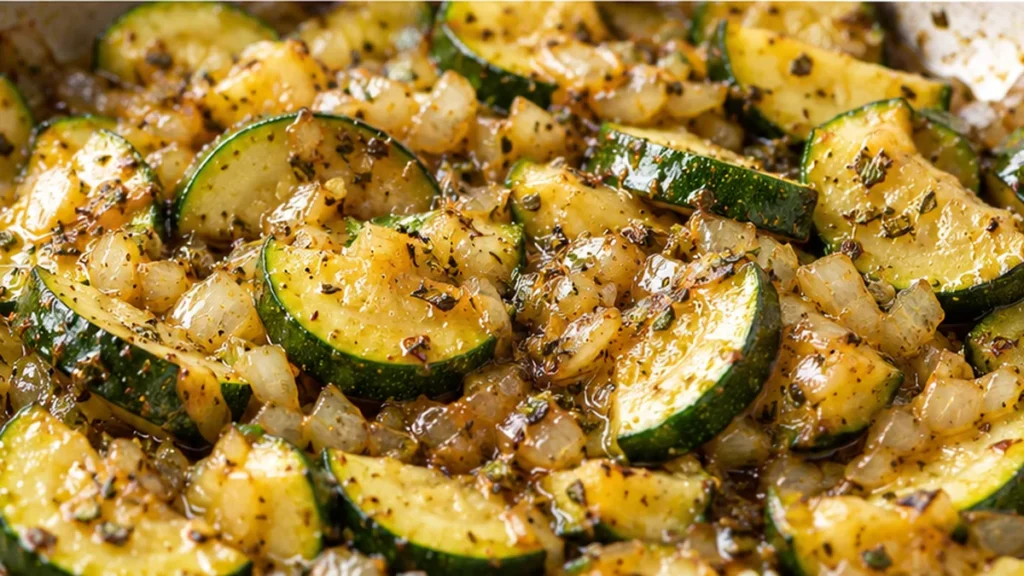
This epic veggie sauté combines fresh seasonal vegetables with garlic for a quick and healthy dish. It’s perfect for busy weeknights or meal prep.
Key takeaways
- Balance flavors by combining different vegetables in equal ratios.
- Control the cooking temperature to achieve caramelization without burning.
- Choose the right fats to enhance the flavor and texture of the sauté.
- Avoid overcrowding the pan to ensure proper sautéing instead of steaming.
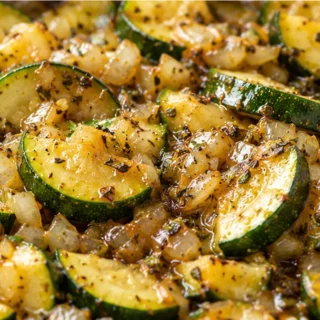
Epic Veggie Sauté
Ingredients
Instructions
- Melt the olive oil in a large skillet over medium heat.
- Add oregano, cumin, garlic powder, onion salt, and sea salt; stir to combine.
- Add the chopped onion and pressed garlic, ensuring they are evenly coated.
- Stir in the sliced zucchinis and green peppers; cook for 5-7 minutes until tender.
- Add in the tomatoes and cook until veggies reach desired consistency.
Understanding the Balance of Flavors in Your Veggie Sauté
The success of an epic veggie sauté lies in the balance of flavors and textures. Each vegetable contributes its unique taste, and the combination can create a harmonious dish. For instance, pairing sweet bell peppers with the earthy tones of mushrooms can enhance the overall flavor profile. Aim for a ratio of 1:1:1 for three different vegetables to ensure a well-rounded taste. Additionally, consider the cooking times of each vegetable; for example, carrots take longer to soften than zucchini. Incorporating vegetables that cook at similar rates will yield a more uniformly cooked dish.
Temperature Control: The Key to Perfectly Cooked Vegetables
Temperature plays a critical role in achieving the desired texture in your veggie sauté. Cooking at too low a temperature can result in soggy vegetables, while too high can lead to burnt edges. A medium-high heat is ideal for sautéing, generally around 190°C (375°F). This allows for the Maillard reaction, which gives vegetables a beautiful caramelization and depth of flavor. Aim to sauté for about 5-7 minutes, stirring frequently to ensure even cooking. If you notice sticking, a splash of vegetable broth or water can help deglaze the pan and enhance flavor without adding fat.
Choosing the Right Fats for Flavor Enhancement
The type of fat used for sautéing can significantly influence the flavor of your dish. Olive oil is a popular choice for its health benefits and flavor, but it has a lower smoke point (around 190°C or 375°F) compared to oils like canola or avocado oil, which can withstand higher temperatures. For a richer taste, consider adding a small amount of butter towards the end of cooking. This not only enhances flavor but also gives your sauté a glossy finish. Experiment with different fats to find the perfect match for your vegetable combination.
Common Pitfalls and How to Achieve the Perfect Sauté
One common issue when sautéing vegetables is overcrowding the pan, which can lead to steaming rather than sautéing. To avoid this, work in batches if necessary, allowing each piece of vegetable to have direct contact with the heat. Another mistake is not seasoning at the right time; adding salt too early can draw out moisture and lead to a less vibrant dish. Instead, season towards the end of cooking to enhance the flavors without compromising texture. Finally, be mindful of the cutting technique; uniform sizes ensure even cooking and a visually appealing presentation.
How to Adapt the Epic Veggie Sauté for Seasonal Ingredients
Using seasonal vegetables not only enhances the freshness of your epic veggie sauté but also significantly impacts flavor and texture. For instance, spring brings tender asparagus and peas, while summer offers vibrant bell peppers and zucchini. In fall, root vegetables like carrots and sweet potatoes shine, and winter allows for hearty greens like kale. When adapting your sauté, consider the cooking times: softer vegetables need less time, while denser ones may require a longer sauté to achieve tenderness. A good rule of thumb is to add denser vegetables first, followed by softer ones, ensuring even cooking and optimal flavor extraction.
Understanding the Impact of Batch Size on Cooking Time and Texture
Scaling your epic veggie sauté can affect both cooking time and the final texture of the vegetables. When cooking in larger batches, the heat distribution may be less efficient, leading to uneven cooking. A general guideline is to maintain a single layer of vegetables in your pan to ensure proper sautéing. If you find yourself cooking a large batch, consider using multiple pans or sautéing in batches to maintain even heat. Additionally, larger quantities may require slightly longer cooking times, so keep an eye on your vegetables to prevent overcooking.
Choosing the Right Equipment for Optimal Results
The equipment you use can greatly influence the outcome of your epic veggie sauté. A heavy-bottomed skillet or a well-seasoned cast-iron pan is ideal as it provides even heat distribution and excellent heat retention. Non-stick pans can work well, but they may not achieve the same level of browning due to lower heat tolerance. If using a wok, be mindful of the high heat and quick cooking time associated with stir-frying, which can yield a different texture. Always preheat your pan adequately before adding oil and vegetables to achieve that perfect sauté.
Pairing Suggestions to Elevate Your Epic Veggie Sauté
To enhance your epic veggie sauté, consider pairing it with complementary flavors and dishes. Serving it over a bed of grains like quinoa or brown rice can add heartiness and nutrition. A drizzle of balsamic reduction or a sprinkle of feta cheese can elevate the dish’s flavor profile. For protein, grilled tofu or chickpeas can provide a satisfying addition. Additionally, consider garnishing with fresh herbs like basil or cilantro to add brightness and freshness to the dish. These pairings not only enhance flavor but also contribute to a well-rounded meal.
Understanding the Impact of Ingredient Freshness on Flavor
The quality and freshness of the vegetables used in your epic veggie sauté can significantly influence the overall flavor and texture of the dish. Fresh vegetables tend to have higher water content, which can lead to a more vibrant and juicy sauté. For example, using freshly harvested bell peppers can enhance the sweetness and crunch compared to older, stored ones. Aim to select vegetables that are in-season as they not only taste better but also have better nutritional profiles. When sautéing, the water released from fresh vegetables helps create steam, which can lead to a more tender texture. In contrast, older vegetables may lack this moisture, resulting in a drier sauté. Additionally, consider the visual appeal; fresh vegetables maintain their colors better, contributing to an appetizing presentation.
Scaling Your Recipe: Batch Size Considerations
When preparing your epic veggie sauté, scaling the recipe can impact both cooking times and flavor distribution. A larger batch may require adjustments in cooking time, as the heat may not penetrate through the vegetables as efficiently. For instance, if you double the recipe, you might need to increase the cooking time by a few minutes and stir more frequently to ensure even cooking. Conversely, if you’re making a smaller batch, the sauté may cook faster, so keep an eye on it to avoid overcooking. Additionally, the type of pan used can affect how well the vegetables sauté; a larger pan allows for better heat distribution and prevents overcrowding, which can lead to steaming rather than sautéing. Always taste and adjust seasoning as you scale, as larger batches may require more spices to achieve the desired flavor balance.
Make-Ahead Strategies for Your Epic Veggie Sauté
Preparing your epic veggie sauté in advance can save time and enhance flavor development. For optimal results, consider chopping your vegetables the day before, storing them in an airtight container in the refrigerator. This not only allows for easy assembly but also gives the flavors a chance to meld. However, be cautious with certain vegetables; those that oxidize quickly, like avocados or apples, should be added just before cooking. When reheating, use a skillet over medium heat to revive the sauté, adding a splash of water or broth to prevent drying out. This method ensures that your sauté retains its vibrant colors and textures. Remember that some vegetables, such as zucchini or mushrooms, can release excess moisture when stored, so adjust your sautéing technique accordingly to achieve the desired texture.
Understanding the Role of Ingredient Quality in Your Epic Veggie Sauté
The success of your epic veggie sauté heavily relies on the quality of the ingredients used. Fresh vegetables not only enhance flavor but also affect texture and nutritional value. For instance, using seasonal produce can yield more vibrant flavors and better texture. Vegetables that are in season are often harvested at their peak ripeness, which means they are more flavorful and nutrient-dense. For example, spring vegetables like asparagus and peas offer a sweetness that complements the sauté process beautifully. Conversely, off-season vegetables may lack flavor and can lead to a less satisfying dish.
Moreover, the method of sourcing your vegetables can also play a crucial role. Locally sourced, organic vegetables tend to have a shorter time from farm to table, preserving their freshness. This freshness can impact the cooking time as well; fresher vegetables may require less cooking time to achieve the desired tenderness and flavor. Aim for a mix of textures and colors—this not only makes for a visually appealing dish but also provides a variety of nutrients. Remember, the more vibrant the vegetable, the more nutrients it typically contains, which can enhance the overall health benefits of your sauté.
Batch Scaling: Adjusting Your Epic Veggie Sauté for Larger Portions
When scaling your epic veggie sauté for larger portions, understanding the dynamics of cooking time and ingredient ratios is crucial. Cooking in larger batches can affect heat distribution and cooking times, potentially leading to unevenly cooked vegetables. For instance, if you double the recipe, it may not be sufficient to simply double the cooking time; you might need to increase it by about 25% to 50%, depending on the size of your pan and the amount of ingredients.
Using a larger skillet or sauté pan can help ensure that the heat is distributed evenly. A wider surface area allows for better evaporation of moisture, which is essential for achieving that perfect sautéed texture. Additionally, consider the order in which you add vegetables; denser vegetables like carrots and bell peppers should go in first, followed by quicker-cooking items like zucchini and leafy greens. This technique ensures that all ingredients reach the desired doneness simultaneously. Lastly, always taste as you go, making adjustments to seasoning and cooking time based on the batch size.
Pro tips
Pro tip: Best served immediately while hot!
Frequently asked questions
What vegetables work best for an epic veggie sauté?
Ideal vegetables for sautéing include bell peppers, zucchini, mushrooms, and onions. These options provide a great balance of flavors and textures. Additionally, consider seasonal vegetables to enhance freshness and taste.
How can I ensure my sautéed vegetables are not soggy?
To prevent sogginess, make sure to use medium-high heat and avoid overcrowding the pan. Stirring frequently will also help achieve even cooking and prevent moisture buildup.
Can I add protein to my veggie sauté?
Yes, adding protein such as tofu, tempeh, or chickpeas can elevate your veggie sauté. Cook the protein separately and add it to the vegetables towards the end of cooking for the best texture.
What can I do if my sauté tastes bland?
If your sauté lacks flavor, try adding more seasoning such as salt, pepper, or herbs. A splash of soy sauce or a squeeze of lemon juice can also enhance the overall taste significantly.
More from Vegan Bowls →