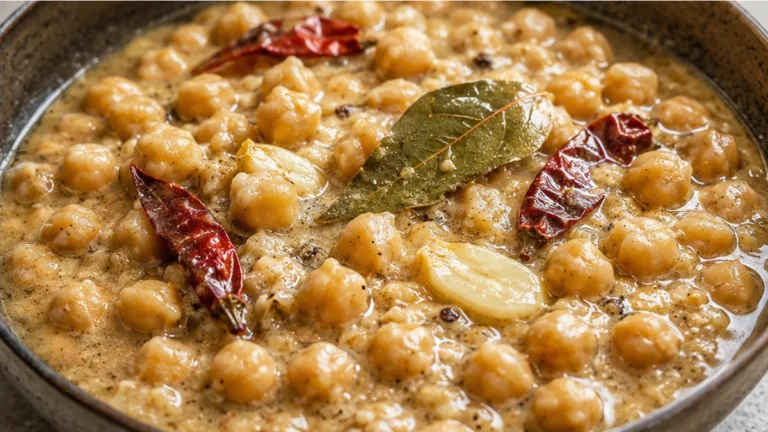

This cozy coconut sweet potato stew features sweet potatoes and chickpeas simmered in coconut milk. It’s a hearty dish that warms you from the inside out.
Key takeaways
- Use uniform pieces of sweet potato for even cooking.
- Toast spices in oil to enhance their flavor.
- Maintain a gentle simmer after adding coconut milk to prevent curdling.
- Experiment with substitutions for unique flavor profiles.

Cozy Coconut Sweet Potato Stew
Ingredients
Instructions
- Heat 3 tablespoons of olive oil in a large pot over medium heat until shimmering.
- Add the chopped yellow onion and cook for 5 minutes until softened.
- Stir in the grated ginger, minced garlic, and cubed sweet potatoes, cooking for about 2 minutes until fragrant.
- Add the garam masala, turmeric, and cayenne pepper, cooking for another minute.
- Pour in 3 cups of water and season generously with kosher salt. Bring to a boil, then reduce heat to low, cover, and simmer for 15-20 minutes until sweet potatoes are tender.
- Stir in the coconut milk and chopped kale, cooking for 5 minutes. Remove from heat and stir in the fresh cilantro.
- Meanwhile, for the chili oil, heat 1/4 cup olive oil and 2 minced garlic cloves in a small saucepan over medium-low heat. Cook, stirring occasionally, for 5 minutes until the garlic is fragrant.
- Stir in the sesame seeds, chili flakes, and cumin seeds, cooking for 30 seconds. Remove from heat, stir in the smoked paprika, and season with salt. Let cool.
- To serve, divide the cooked rice among bowls, ladle the stew overtop, spoon over the chili oil, and garnish with extra cilantro. Serve with Naan bread on the side.
Understanding the Role of Sweet Potatoes in the Stew
Sweet potatoes are a key ingredient in the cozy coconut sweet potato stew, providing both flavor and texture. They contain high levels of beta-carotene, which converts to vitamin A in the body, contributing to immune function and skin health. The starch content in sweet potatoes helps to thicken the stew naturally, creating a creamy consistency without the need for additional thickeners. When cooked, sweet potatoes should be tender yet retain their shape, which can be achieved by cutting them into uniform pieces and controlling the cooking time, typically around 15-20 minutes of simmering.
Balancing Flavors: Coconut Milk and Spices
The use of coconut milk in this stew not only adds creaminess but also a subtle sweetness that complements the earthiness of the sweet potatoes. Coconut milk has a fat content of about 17-24%, which helps to carry flavors from spices like cumin and coriander effectively. When adding spices, it’s essential to toast them briefly in the oil before adding liquids; this step enhances their flavor profile significantly. For those who prefer a bit of heat, incorporating fresh ginger or chili peppers can elevate the dish, but be cautious with the quantities to maintain the balance of flavors.
Common Issues and Fixes in Preparation
One common issue when making this stew is the coconut milk separating or curdling. This can occur if the stew is boiled too vigorously. To prevent this, maintain a gentle simmer after adding the coconut milk. Another potential problem is undercooked sweet potatoes, which can lead to a grainy texture. Ensure that the sweet potatoes are cut evenly and check for doneness by piercing them with a fork; they should be soft but not mushy. If the stew turns out too thick, adding a little vegetable broth or water can help achieve the desired consistency.
Ingredient Substitutions and Their Effects
While sweet potatoes are the star of this dish, there are several substitutions that can be made. For example, butternut squash can be used in place of sweet potatoes; it offers a similar sweetness but with a slightly different texture. If coconut milk is unavailable, almond milk can serve as a lighter alternative, but it will alter the creaminess and flavor. For those looking to reduce calories, using light coconut milk provides a similar taste with fewer calories, though the richness will be slightly diminished. Each substitution brings its own unique twist to the stew, allowing for customization based on dietary preferences or ingredient availability.
A Unique Aspect of the Cozy Coconut Sweet Potato Stew
This stew stands out from other similar dishes due to its harmonious blend of sweet and savory flavors, enhanced by the tropical notes of coconut. Unlike many stews that rely heavily on meat or legumes for protein, this recipe is plant-based and focuses on the nutritional benefits of vegetables. The combination of sweet potatoes and coconut milk not only creates a comforting dish but also provides a well-rounded source of vitamins and minerals, making it a nourishing option for any meal.
Understanding the Impact of Ingredient Quality on Cozy Coconut Sweet Potato Stew
The quality of ingredients can significantly affect the flavor and texture of your cozy coconut sweet potato stew. Fresh, organic sweet potatoes will provide a sweeter and creamier base than older, starchy varieties. Similarly, the freshness of your spices can enhance the overall flavor profile; stale spices lose potency and can lead to a lackluster dish. When using coconut milk, opt for full-fat varieties for a richer mouthfeel. If using canned coconut milk, check the ingredient list for additives that may alter the taste. Fresh herbs, when added at the end of cooking, can elevate the stew, giving it a vibrant finish. Remember, using high-quality ingredients not only enhances flavor but also contributes to the nutritional value of your stew.
Batch Scaling: Adjusting Portions Without Compromising Quality
Scaling your cozy coconut sweet potato stew recipe can be a great way to prepare meals for a larger gathering or to meal prep for the week. When doubling or halving the recipe, maintain the same ratios of ingredients to preserve flavor balance. However, be mindful of cooking times; larger batches may require slightly longer cooking to ensure even heating and flavor melding. Conversely, smaller batches can cook more quickly, so keep an eye on the sweet potatoes to avoid overcooking. If you’re using a different pot size, ensure it is large enough to accommodate the increased volume without overcrowding, which can affect cooking times and texture.
Make-Ahead Techniques for Cozy Coconut Sweet Potato Stew
Preparing your cozy coconut sweet potato stew in advance can save time and enhance flavors. The stew can be made a day ahead and stored in the refrigerator, allowing the spices to meld and develop a deeper flavor. To store, allow the stew to cool completely before transferring it to an airtight container. When reheating, do so gently on the stove over medium heat, adding a splash of water or coconut milk if it thickens too much. Freezing is also an option; however, the texture of sweet potatoes may change slightly upon thawing. For best results, freeze the stew without any garnishes and add fresh herbs or toppings just before serving.
Choosing the Right Equipment for Optimal Results
The equipment you use can impact the cooking process and final outcome of your cozy coconut sweet potato stew. A heavy-bottomed pot or Dutch oven is ideal for even heat distribution, preventing the stew from scorching. If you have an immersion blender, it can be used to achieve a creamy texture without transferring the stew to a blender. For those who prefer a chunkier stew, a potato masher can help break down some of the sweet potatoes while leaving others intact. Additionally, consider the size of your pot; a larger pot allows for better evaporation and concentration of flavors, while a smaller pot may retain more moisture, resulting in a different texture.
Understanding the Impact of Cooking Time on Flavor Development
The cooking time of the cozy coconut sweet potato stew plays a crucial role in the development of its flavors. Slow cooking allows the sweet potatoes to soften and release their natural sugars, creating a rich, sweet base for the dish. Ideally, simmering the stew for at least 30 to 45 minutes ensures that the spices meld well with the coconut milk, enhancing the overall flavor profile. Conversely, cooking for too short a time may result in a stew that tastes disjointed, with the spices not fully integrating. Monitoring the cooking time is essential; a longer simmer can also deepen the stew’s color, making it visually appealing. Using a timer can help maintain consistency in cooking time, ensuring that each batch of stew reaches its optimal flavor potential.
Choosing the Right Sweet Potatoes for Optimal Texture and Flavor
The type of sweet potato used in the cozy coconut sweet potato stew significantly affects both texture and flavor. Generally, there are two main varieties: orange-fleshed and white-fleshed sweet potatoes. Orange-fleshed sweet potatoes are sweeter and creamier when cooked, making them ideal for a stew where a rich, velvety texture is desirable. In contrast, white-fleshed sweet potatoes tend to be drier and starchier, which can lead to a less desirable texture in the final dish. When selecting sweet potatoes, look for ones that are firm, smooth, and free of blemishes. Additionally, the age of the sweet potatoes can influence their sweetness; fresher sweet potatoes typically have a higher sugar content. Understanding these nuances can help elevate the quality of your cozy coconut sweet potato stew.
Understanding the Make-Ahead and Storage Behavior of the Stew
Cozy coconut sweet potato stew is an excellent candidate for meal prep, as its flavors deepen and improve over time. When prepared in advance, the stew can be refrigerated for up to five days without losing its quality. To store, allow the stew to cool completely before transferring it to an airtight container. For longer storage, freezing is an option; the stew can be frozen for up to three months. However, be aware that the texture of sweet potatoes may change slightly upon thawing, becoming softer. To reheat, thaw in the refrigerator overnight and gently warm on the stovetop or in the microwave, adding a splash of coconut milk to restore creaminess if necessary. This dish is not only convenient but also versatile, as it can be served over rice, quinoa, or even enjoyed as a standalone meal.
How to Scale the Batch Without Compromising Flavor
Scaling the cozy coconut sweet potato stew is straightforward, but attention to ingredient ratios is crucial to maintain its flavor profile. For larger batches, increase the quantity of each ingredient proportionally, but consider adjusting spices slightly, as their intensity can amplify with volume. For example, if doubling the recipe, you might want to add only 1.5 times the amount of spices to avoid overpowering the dish. Additionally, when cooking a larger batch, ensure that the cooking vessel is large enough to allow for even heat distribution, preventing uneven cooking. Stirring occasionally is essential to ensure that all ingredients are well incorporated and that the stew heats uniformly. This method allows for the preservation of the dish’s comforting essence, ensuring that each serving is just as delightful as the original.
Pro tips
Pro tip: Best served immediately while hot!
Frequently asked questions
Can I use other types of potatoes in this stew?
While sweet potatoes are recommended for their sweetness and texture, you can use other types of potatoes like Yukon Gold. However, they will not provide the same level of sweetness and may alter the dish’s overall flavor.
How can I make this stew spicier?
To add more heat, consider incorporating fresh ginger or diced chili peppers. Start with a small amount and adjust to your taste, as the heat can intensify during cooking.
What can I serve with the cozy coconut sweet potato stew?
This stew pairs well with rice, quinoa, or crusty bread. These sides can help soak up the delicious broth and make for a more filling meal.
How can I store leftovers of this stew?
Leftovers can be stored in an airtight container in the refrigerator for up to three days. Reheat gently on the stove, adding a splash of water or broth if the stew has thickened too much.
More from Vegan Bowls →