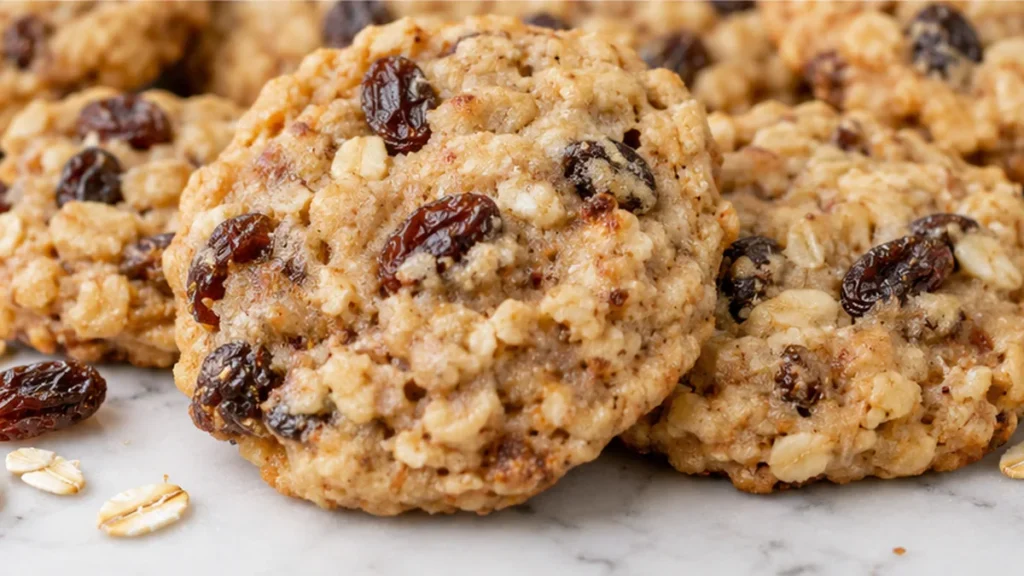
These chewy vegan oatmeal raisin cookies are a simple and satisfying treat. Made with wholesome ingredients, they are perfect for any occasion.
Key takeaways
- Properly measuring ingredients ensures the right texture.
- Chilling the dough prevents excessive spreading during baking.
- Ingredient substitutions can alter flavor and texture significantly.
- Oats provide a unique chewiness and nutritional benefits not found in other cookies.
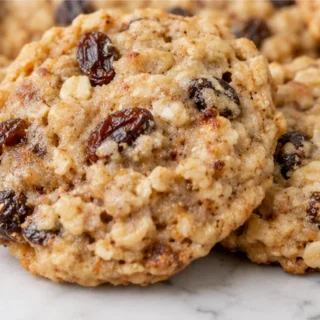
Chewy Vegan Oatmeal Raisin Cookies
Ingredients
Instructions
- Preheat oven to 350°F. Line a cookie sheet with parchment paper and set aside.
- In a small bowl, combine flaxseed meal and 3 tablespoons water. Let sit for 5-10 minutes until it thickens.
- In a food processor, puree 1/2 cup raisins with the remaining 5 tablespoons water.
- In a large bowl, cream together vegan butter, brown sugar, and granulated sugar until light and fluffy.
- Mix in the flaxseed mixture and raisin puree until well combined.
- Stir in the vanilla extract.
- In a separate large bowl, whisk together the all-purpose flour, baking powder, and baking soda.
- Gradually stir the dry ingredients into the wet ingredients until just combined. Fold in the remaining raisins. Drop spoonfuls onto the prepared baking sheet and bake for 10-12 minutes, or until edges are golden.
Understanding the Role of Oats in Chewy Vegan Oatmeal Raisin Cookies
The foundation of chewy vegan oatmeal raisin cookies lies in the oats. Oats provide a unique texture and absorb moisture, which is crucial for achieving that chewy consistency. When oats are hydrated, they swell and create a soft, chewy bite. Typically, using rolled oats gives a heartier texture compared to instant oats, which can become mushy. For optimal results, it’s best to use a ratio of about 100 grams of oats to 150 grams of flour in the recipe, ensuring a balanced texture.
Common Pitfalls and Their Solutions
Even with a straightforward recipe, mistakes can happen. Here are some common issues and how to fix them:
- Issue: Cookies are too dry. Solution: Ensure you’re measuring the flour correctly, as too much flour can lead to dryness. Use a scale for accuracy.
- Issue: Cookies spread too much. Solution: Chill the dough for at least 30 minutes before baking. This helps the fats solidify, resulting in less spreading.
- Issue: Cookies are too crumbly. Solution: Add a bit more liquid, such as plant-based milk or a flaxseed egg, to bind the ingredients better.
- Issue: Cookies are too chewy or hard. Solution: Adjust the baking time. Overbaking can lead to a hard texture; aim for a slight underbake for a chewy finish.
Ingredient Modifications and Their Impact on Texture
Swapping ingredients can significantly alter the texture and flavor of your cookies. Here are some common substitutions:
- Using almond flour instead of all-purpose flour: This will create a denser cookie with a nuttier flavor. You may need to adjust the liquid content.
- Replacing raisins with chocolate chips: This will add sweetness and richness, but be aware that chocolate chips can lead to a slightly softer cookie.
- Substituting maple syrup for brown sugar: This will impart a different flavor profile and can make the cookies more moist, requiring a little extra flour to balance.
- Using coconut oil instead of margarine: This will give a tropical flavor and can result in a slightly firmer texture due to the higher fat content.
Unique Characteristics of Chewy Vegan Oatmeal Raisin Cookies
What sets chewy vegan oatmeal raisin cookies apart from other cookies is their combination of texture and wholesome ingredients. The use of oats not only contributes to the chewiness but also adds fiber and nutrients, making these cookies more satisfying. Furthermore, the absence of eggs and dairy means that the cookies are suitable for a wider range of dietary needs without sacrificing flavor or texture. The balance of spices, such as cinnamon, enhances the overall taste, creating a comforting, nostalgic flavor profile that is often associated with homemade cookies.
Understanding the Impact of Ingredient Quality on Chewy Vegan Oatmeal Raisin Cookies
The quality of ingredients significantly influences the final product of chewy vegan oatmeal raisin cookies. For instance, using fresh, high-quality oats can enhance the texture and flavor of the cookies. Old or stale oats may lead to a less chewy consistency and a bland taste. Additionally, the type of sweetener used, such as maple syrup or agave nectar, can affect the moisture content and sweetness level, impacting the overall chewiness. Opting for organic raisins can also enhance the flavor profile, providing a richer, more complex taste. The balance of these ingredients is crucial; for example, using too much liquid sweetener can make the dough too wet, resulting in cookies that spread too much during baking.
Batch Scaling: Adjusting Ingredients for Larger or Smaller Quantities
Scaling the recipe for chewy vegan oatmeal raisin cookies requires careful consideration of ingredient ratios to maintain the desired texture and flavor. When doubling or halving the recipe, it’s essential to adjust the liquid ingredients proportionately, as they play a critical role in the dough’s consistency. For instance, if the original recipe calls for 120 ml of plant-based milk, doubling it to 240 ml is straightforward. However, for dry ingredients like oats and flour, a slight adjustment may be necessary to avoid overly dry or wet dough. A common practice is to keep the ratios of oats to flour and sweeteners consistent, ensuring that the chewiness remains intact regardless of the batch size. It’s also advisable to monitor baking times, as larger batches may require longer baking periods.
Equipment Variations: How Baking Tools Affect Cookie Texture
The equipment used when baking chewy vegan oatmeal raisin cookies can significantly impact the final texture. For instance, using a convection oven can result in a more even bake, promoting a crisp exterior while maintaining a chewy center. Conversely, traditional ovens may require adjustments in temperature and baking time to achieve similar results. Additionally, the type of baking sheet used can affect cookie spread; a dark, non-stick baking sheet may cause the cookies to brown faster, while a light-colored sheet may lead to a softer bottom. Using parchment paper can also help in achieving a chewier texture by preventing excessive spreading and sticking. Understanding these equipment nuances can help bakers achieve their desired cookie outcome more consistently.
Make-Ahead Strategies for Chewy Vegan Oatmeal Raisin Cookies
Preparing chewy vegan oatmeal raisin cookies in advance can save time and ensure you always have a delicious treat on hand. One effective strategy is to prepare the dough and freeze it. Portion the cookie dough into balls and place them on a baking sheet lined with parchment paper. Freeze the balls until solid, then transfer them to an airtight container or freezer bag. When ready to bake, simply preheat the oven and bake the frozen dough balls directly, adding a couple of extra minutes to the baking time. Alternatively, baked cookies can also be stored in an airtight container at room temperature for up to a week or in the freezer for longer storage. This approach allows for flexibility, ensuring fresh cookies are available whenever cravings strike.
How to Ensure Optimal Chewiness in Your Cookies
The texture of chewy vegan oatmeal raisin cookies relies heavily on the balance of moisture and the right baking time. To achieve the perfect chewiness, consider the moisture content of your ingredients. For instance, using a combination of almond butter and a flaxseed meal not only adds moisture but also binds the ingredients together effectively. Aim for a dough consistency that is slightly sticky but manageable. When baking, the cookies should be removed from the oven when they are just set and lightly golden around the edges, typically around 10-12 minutes at 180°C (350°F). This allows for carryover cooking, where the residual heat continues to cook the cookies slightly after being removed from the oven, ensuring they maintain their chewy texture.
Understanding Ingredient Proportions for Ideal Flavor and Texture
The proportions of oats, flour, and sweeteners in chewy vegan oatmeal raisin cookies significantly influence both flavor and texture. For instance, a standard ratio might be 1 part flour to 2 parts oats. If you prefer a denser cookie, consider reducing the flour slightly or increasing the oats. Additionally, the type of sweetener can alter the final outcome; brown sugar adds moisture and a deeper flavor compared to granulated sugar. Experimenting with the ratios can lead to cookies that are either more cake-like or maintain that desirable chewiness. It’s also important to consider the size of the oats; using rolled oats provides a heartier texture, while quick oats can create a smoother consistency.
How to Achieve the Perfect Chewiness in Your Cookies
The texture of chewy vegan oatmeal raisin cookies hinges on the balance of moisture and structure. To achieve that ideal chewiness, consider the hydration level of your dough. A good rule of thumb is to aim for a dough that feels slightly sticky but holds together well. This can be influenced by the ratio of oats to flour; for a chewier cookie, use slightly more oats. Additionally, the baking time plays a crucial role. Baking for just the right amount of time—typically around 10 to 12 minutes—ensures that the cookies remain soft in the center while developing a slight crust on the outside. If you prefer a denser texture, you can chill the dough for at least 30 minutes before baking. This allows the oats to absorb some moisture, ultimately leading to a firmer bite.
Understanding the Role of Sweeteners in Flavor and Texture
The choice of sweetener in your chewy vegan oatmeal raisin cookies can significantly affect both flavor and texture. Traditional recipes often use brown sugar due to its moisture content, which helps maintain chewiness. If you’re using alternatives like maple syrup or agave nectar, be mindful that these liquids will alter the dough’s hydration. For example, replacing brown sugar with maple syrup requires reducing other liquids in the recipe to maintain the desired consistency. This adjustment can lead to a different texture; cookies made with maple syrup tend to spread more, resulting in a thinner, crispier cookie. Conversely, using coconut sugar can yield a similar chewiness as brown sugar but with a slightly different flavor profile. Understanding these nuances can help you tailor your cookies to your taste preferences while achieving that coveted chewy texture.
Pro tips
Pro tip: Best served immediately while hot!
Frequently asked questions
Can I use gluten-free oats for this recipe?
Yes, you can use gluten-free oats to make these cookies suitable for those with gluten sensitivities. Just ensure the oats are certified gluten-free.
How do I store leftover cookies?
Store leftover cookies in an airtight container at room temperature for up to a week. For longer storage, consider freezing them.
Can I add nuts to the cookie dough?
Absolutely! Adding nuts like walnuts or pecans can enhance the texture and flavor. Just be sure to chop them roughly for even distribution.
What can I use instead of raisins?
If you prefer not to use raisins, consider alternatives like dried cranberries, chopped dates, or even chocolate chips for a different flavor profile.
More from Vegan Desserts →