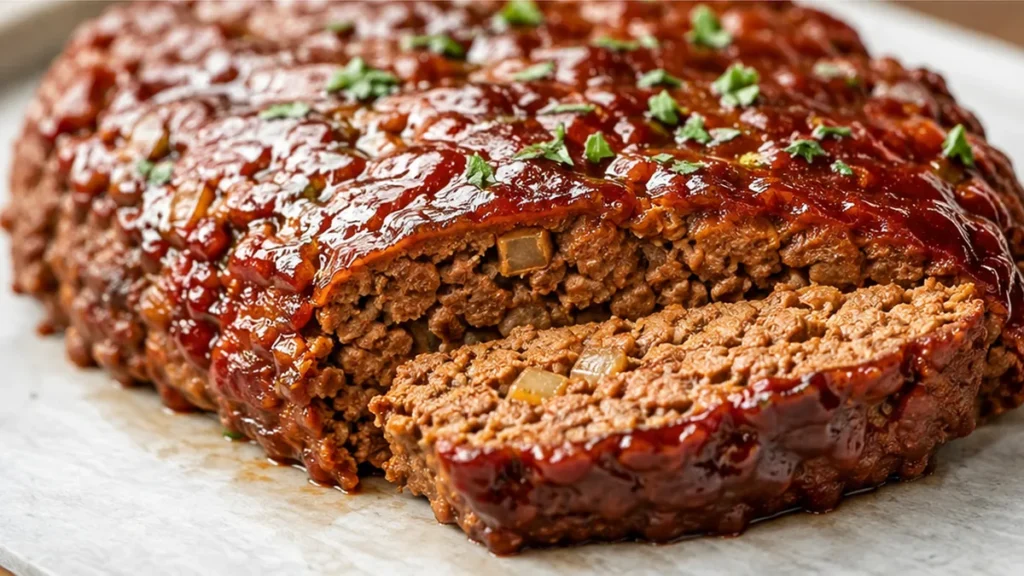
Vegan meatloaf offers a satisfying blend of umami and texture, making it a worthy alternative to its traditional counterpart. This recipe, featuring Impossible ground beef, delivers on that promise, offering a hearty and flavorful experience. This recipe is designed to be straightforward, allowing even novice cooks to achieve a perfectly moist and savory vegan meatloaf. Getting the right balance of moisture and binders is key to keeping it from becoming crumbly. This vegan meatloaf will quickly become a weeknight dinner.
Key takeaways
- The balance of ingredients is crucial for flavor and texture.
- Baking at the right temperature and allowing the loaf to rest improves structure.
- Common issues can be resolved with simple adjustments to moisture and seasoning.
- Using Impossible ground beef provides a unique flavor profile that distinguishes this vegan meatloaf.
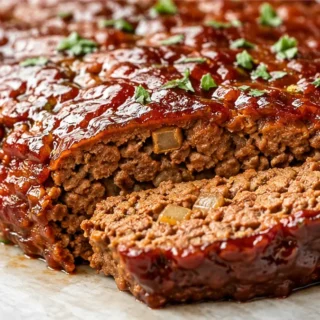
Vegan Meatloaf: Comfort Food Magic!
Ingredients
- 2 teaspoons avocado oil
- 1 cup chopped yellow onions
- 3/4 teaspoon salt
- 4 cloves garlic (minced)
- 2 (12-ounce) packages Impossible ground beef
- 1/2 cup panko breadcrumbs
- 2 1/2 teaspoons vegan Worcestershire sauce
- 2 teaspoons granulated onion (or onion powder)
- 1 teaspoon dried oregano
- 1 teaspoon dried basil
Instructions
- Preheat oven to 400°F (200°C). Line a baking sheet with parchment paper.
- Heat avocado oil in a large non-stick skillet over medium heat. Add chopped onions and a pinch of salt. Sauté for 2-3 minutes until translucent.
- Add minced garlic to the skillet and sauté for 30 seconds to a minute until fragrant. Turn off the heat and let the skillet cool slightly.
- In a large mixing bowl, combine Impossible ground beef, panko breadcrumbs, vegan Worcestershire sauce, granulated onion, dried oregano, and dried basil. Add the sautéed onions and garlic.
- Use your hands to thoroughly combine all ingredients in the bowl, then shape the mixture into a loaf.
- Place the loaf onto the prepared baking sheet with parchment paper.
- Bake the vegan meatloaf in the preheated oven for 35 minutes.
- Remove from the oven and lightly coat with more ketchup (or barbecue sauce/steak sauce if preferred) before serving.
Notes
Understanding the Role of Ingredients in Vegan Meatloaf
The foundation of a successful vegan meatloaf lies in the balance of ingredients. The Impossible ground beef serves as the primary protein source, mimicking the texture and flavor of traditional meat. The chopped yellow onions and garlic not only add moisture but also enhance flavor complexity. Avocado oil contributes to binding and moisture, while panko breadcrumbs provide structure and a light texture. The vegan Worcestershire sauce introduces umami, essential for depth of flavor.
How to Achieve the Perfect Texture
Texture is crucial for a satisfying vegan meatloaf. The combination of Impossible ground beef and panko breadcrumbs creates a balance between moisture and firmness. Aim for a mixture that holds together but is not overly dense. Bake at 350°F (175°C) for approximately 45-55 minutes. This allows the loaf to firm up while still remaining moist. Letting it rest for at least 10 minutes before slicing will help maintain its structure.
Fixing Common Issues with Vegan Meatloaf
- Problem: Crumbly texture.
- Cause: Insufficient binding agents or too much dryness.
- Fix: Increase the amount of panko breadcrumbs or add a flax egg (1 tablespoon ground flaxseed mixed with 2.5 tablespoons water) for better binding.
- Problem: Dry meatloaf.
- Cause: Overbaking or lack of moisture.
- Fix: Cover the loaf with foil in the first half of baking to retain moisture or add more avocado oil to the mixture.
- Problem: Bland flavor.
- Cause: Insufficient seasoning.
- Fix: Increase the amount of vegan Worcestershire sauce or add spices like smoked paprika for a flavor boost.
Ingredient Swaps and Their Effects
- Using lentils instead of Impossible ground beef: This will result in a denser texture but will be lower in fat and calories.
- Substituting regular breadcrumbs for panko: This may create a denser and less crispy texture.
- Replacing avocado oil with olive oil: This will impart a different flavor profile and may slightly alter the moisture content.
- Omitting garlic: This will reduce the overall flavor complexity; consider adding garlic powder as a substitute.
The Unique Aspect of Vegan Meatloaf
This vegan meatloaf uniquely utilizes Impossible ground beef, which contains heme, a molecule that provides a meat-like flavor and aroma. This sets it apart from many other plant-based meatloaf recipes that rely on beans or lentils, offering a more authentic taste experience. The incorporation of panko breadcrumbs also contributes to a light, airy texture that is often missing in traditional meatloaf.
How to Prepare Vegan Meatloaf in Advance
Making vegan meatloaf ahead of time can save you effort during busy weekdays. To do this, prepare the mixture as instructed but do not bake it immediately. Instead, transfer the uncooked mixture into a loaf pan, cover it tightly with plastic wrap, and refrigerate for up to 24 hours. When ready to bake, remove the wrap and allow it to come to room temperature for about 30 minutes. This helps in even cooking. If you wish to freeze it, wrap the loaf tightly in foil after forming it and store it in an airtight container. It can be frozen for up to 3 months. Thaw it in the refrigerator overnight before baking, ensuring even cooking.
Understanding the Impact of Equipment on Your Vegan Meatloaf
The type of equipment you use can significantly affect your vegan meatloaf’s outcome. A standard loaf pan is ideal for shaping and cooking, but consider using a silicone loaf pan for easier removal and reduced sticking. If using a glass or ceramic dish, be aware that it may require longer baking times due to heat retention. Additionally, mixing bowls made of different materials can influence how well the ingredients combine; stainless steel is often preferred for its non-reactive properties. Always ensure your oven is calibrated correctly, as temperature discrepancies can lead to undercooked or overly dry meatloaf.
What Happens to Vegan Meatloaf with Seasonal Ingredients?
Seasonal ingredients can greatly enhance the flavor profile of your vegan meatloaf. For instance, using fresh herbs instead of dried can impart a more vibrant taste, while seasonal vegetables like zucchini or mushrooms can add moisture and texture. However, be cautious with the water content of fresh ingredients; if using them, you may need to adjust the breadcrumbs to maintain the loaf’s structure. Additionally, the quality of ingredients can vary by season; fresh produce usually has more flavor and nutrients, which can elevate your dish significantly. Aim to use local and in-season produce for the best results.
Scaling Your Vegan Meatloaf Recipe Effectively
Scaling the vegan meatloaf recipe is straightforward, but some adjustments may be necessary to maintain texture and flavor. When doubling or tripling the recipe, ensure you mix the ingredients thoroughly to achieve a consistent flavor throughout. You may need to increase the baking time, so monitor the internal temperature, aiming for 165°F (74°C) to ensure it is fully cooked. If you are using a larger pan, consider spreading the mixture out to ensure even cooking. Conversely, if you are halving the recipe, reduce the baking time and check for doneness earlier to avoid overcooking.
How to Ensure Your Vegan Meatloaf Holds Together
A common issue with vegan meatloaf is achieving the right consistency to keep it from falling apart. The key lies in the balance of moisture and binding agents. The panko breadcrumbs absorb moisture and provide structure; using 1/2 cup (about 50 grams) is ideal. If your mixture feels too wet, consider adding more breadcrumbs, but do so gradually to avoid making it too dry. Additionally, letting the mixture rest for about 10-15 minutes allows the breadcrumbs to hydrate fully, enhancing binding.
Understanding the Impact of Cooking Time on Flavor Development
The cooking time of your vegan meatloaf directly influences its flavor and texture. Baking at 350°F (175°C) for 45-60 minutes allows the exterior to develop a caramelized crust due to the Maillard reaction, which enhances the umami flavors of the Impossible ground beef. If undercooked, the meatloaf may be mushy; if overcooked, it can dry out. Use a food thermometer to check for an internal temperature of 165°F (74°C) for optimal results.
Choosing the Right Equipment for Your Vegan Meatloaf
The type of equipment you use can significantly affect your vegan meatloaf’s outcome. A standard loaf pan is ideal for shaping and even cooking, but if you want a crispy exterior, consider using a baking sheet lined with parchment paper. This method allows for better heat circulation. If using a silicone loaf pan, reduce the baking time slightly, as they retain heat differently. Always preheat your oven to ensure even cooking from the start.
How to Make Ahead and Store Vegan Meatloaf for Future Enjoyment
Making vegan meatloaf in advance can save time and ensure you have a satisfying meal ready to go. To prepare ahead, follow the standard recipe up until the baking stage. Instead of baking, cover the assembled loaf tightly with plastic wrap or aluminum foil and refrigerate for up to 24 hours. For longer storage, freeze the unbaked meatloaf for up to 3 months. When ready to cook, thaw in the refrigerator overnight and bake as directed, adding an extra 10-15 minutes to the cooking time if baking from frozen. Proper storage is key to maintaining the texture and flavor of the meatloaf. After baking, allow it to cool completely before slicing. Store leftovers in an airtight container in the refrigerator for up to 5 days. Reheat slices in the oven or microwave, but be cautious not to dry them out.
Understanding the Impact of Ingredient Quality on Vegan Meatloaf
The quality of ingredients used in vegan meatloaf can significantly affect both flavor and texture. Fresh, high-quality vegetables like onions and garlic enhance the overall taste profile, while stale or low-quality breadcrumbs can lead to a dry loaf. When using Impossible ground beef, check the expiration date and ensure it is stored correctly to maintain its freshness. Seasonal produce can also impact the dish; for instance, using fresh herbs in the summer can add vibrant flavors compared to dried herbs used in winter. Additionally, pay attention to the type of vegan Worcestershire sauce you choose, as some brands may contain added sugars or preservatives that can alter the taste. Opting for organic or homemade versions can enhance the dish’s overall quality.
Pro tips
- For extra flavor, consider adding a tablespoon of nutritional yeast to the mixture for a cheesy, savory depth.
- Don’t overmix the ingredients; just combine until everything is evenly distributed to keep the meatloaf tender.
- If you prefer a glaze, mix 1/4 cup ketchup with 1 tablespoon brown sugar and 1 teaspoon apple cider vinegar, then brush over the loaf during the last 10 minutes of baking.
This vegan meatloaf is a testament to how satisfying plant-based cooking can be. Serve it with mashed potatoes and gravy for the ultimate comfort meal. Enjoy this flavorful and wholesome alternative!
Frequently asked questions
Can I make this vegan meatloaf ahead of time?
Yes, you can prepare the mixture ahead of time and store it in the refrigerator for up to 24 hours. Just shape and bake it when you’re ready to serve.
What can I serve with vegan meatloaf?
This vegan meatloaf pairs well with mashed potatoes, steamed vegetables, or a fresh salad. You can also serve it with vegan gravy for added flavor.
Is it possible to freeze vegan meatloaf?
Absolutely! You can freeze the baked meatloaf for up to three months. For best results, wrap it tightly in plastic wrap and then in aluminum foil before freezing.
How do I know when the vegan meatloaf is done?
The meatloaf is done when it reaches an internal temperature of 165°F (74°C). You can also check for a firm texture and a golden-brown top as indicators of doneness.
More from Vegan Air Fryer →